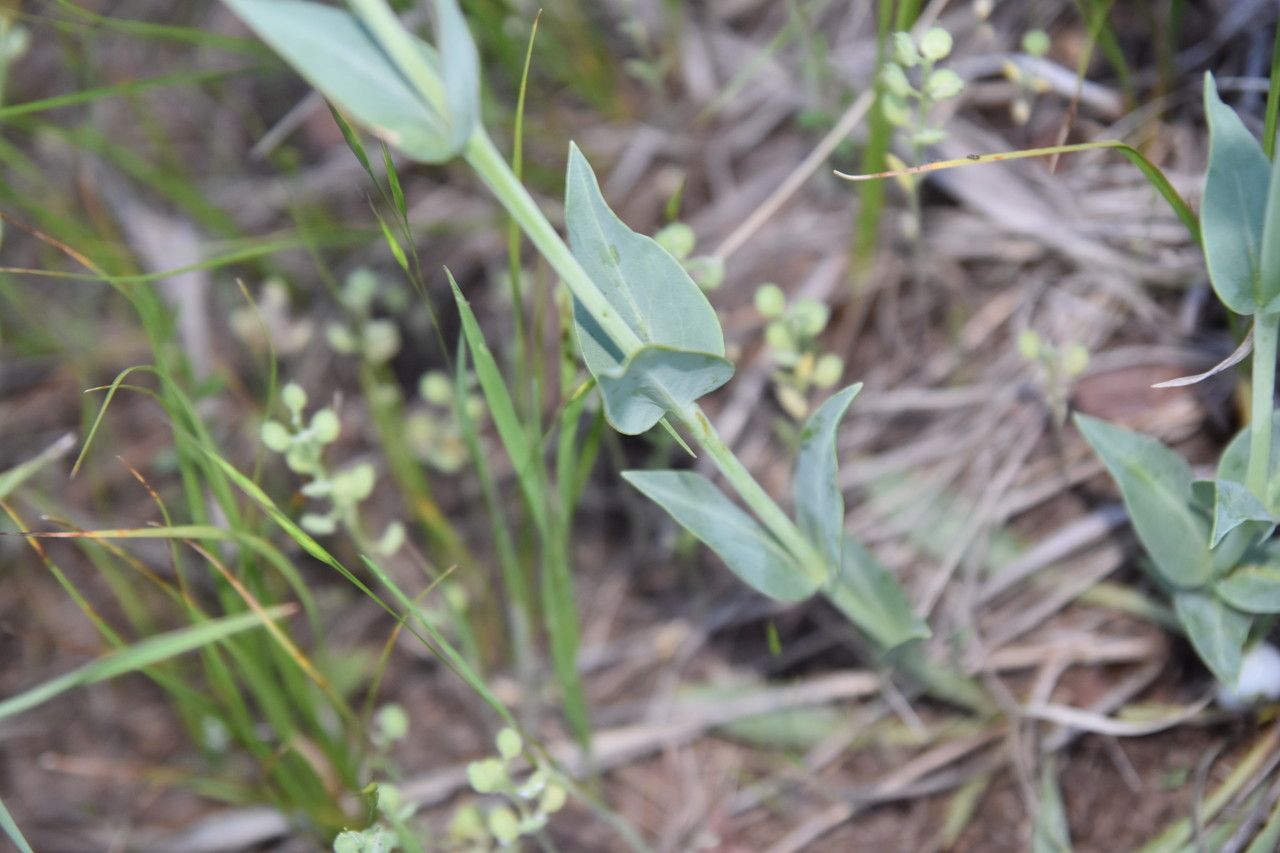
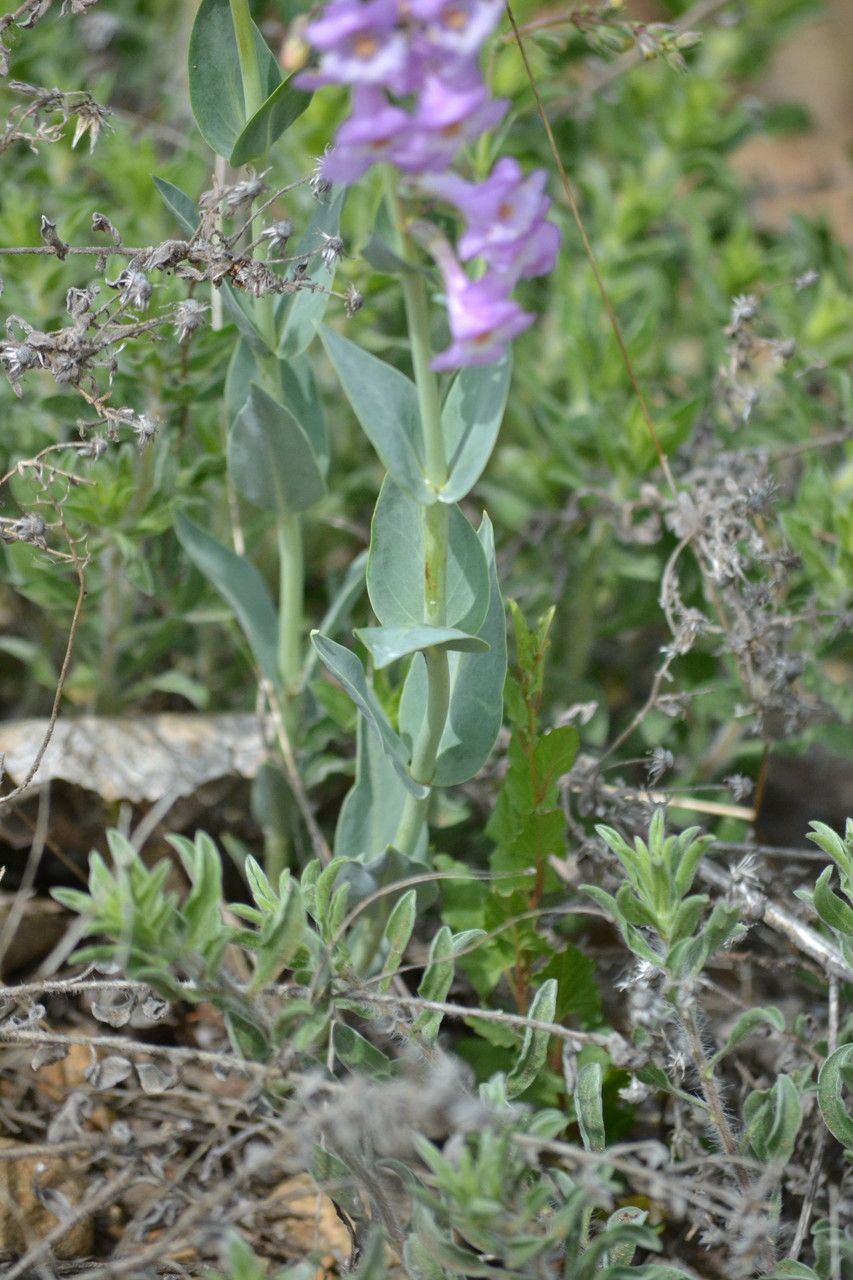
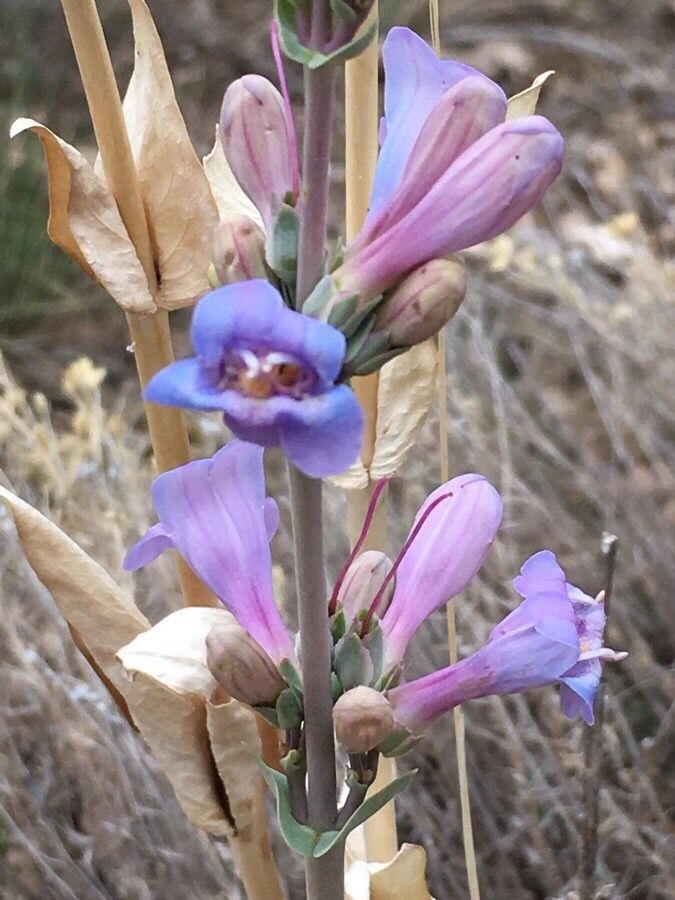
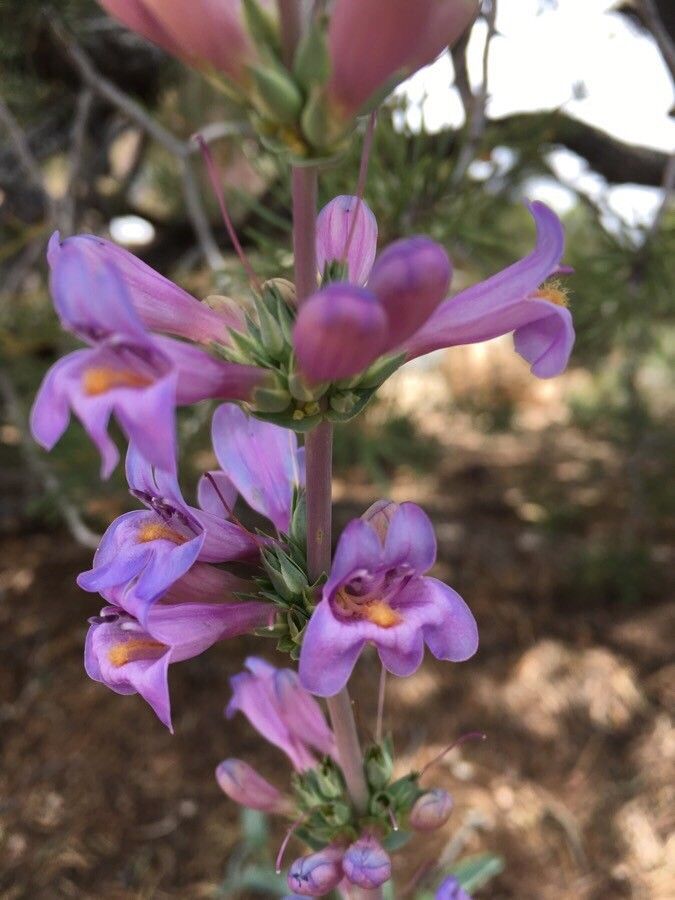
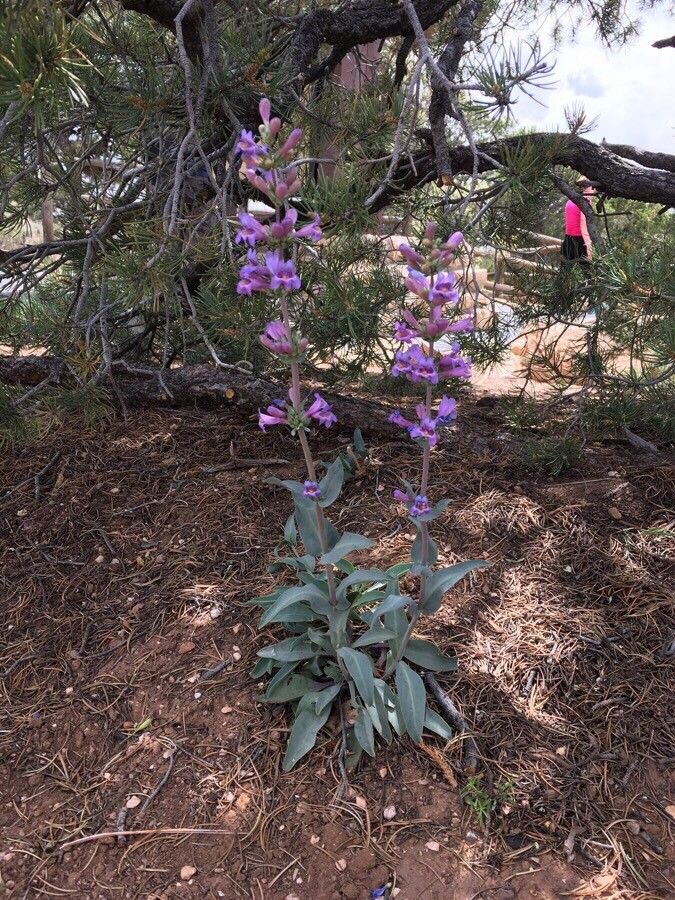
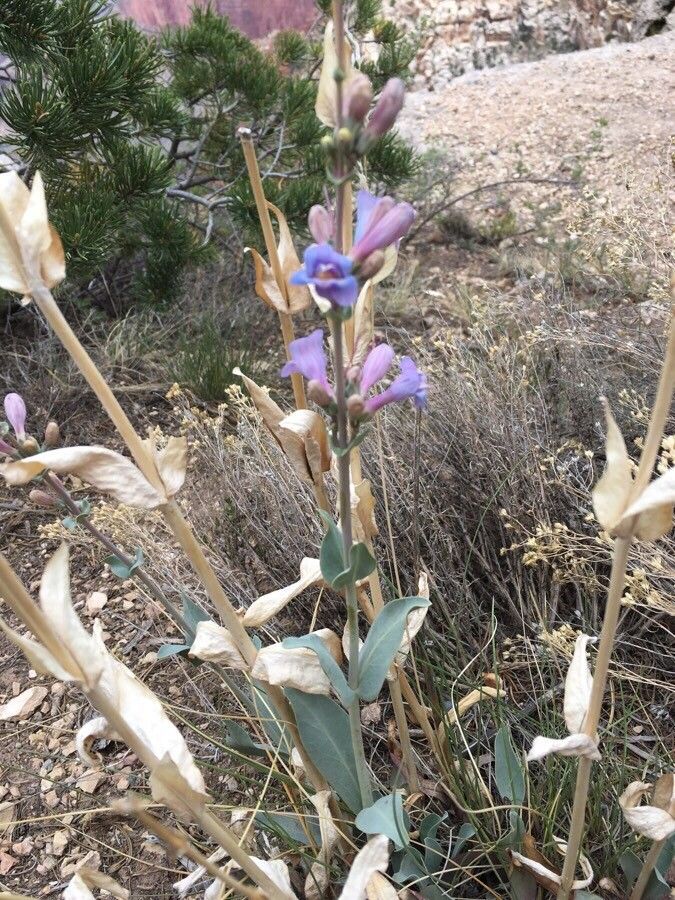
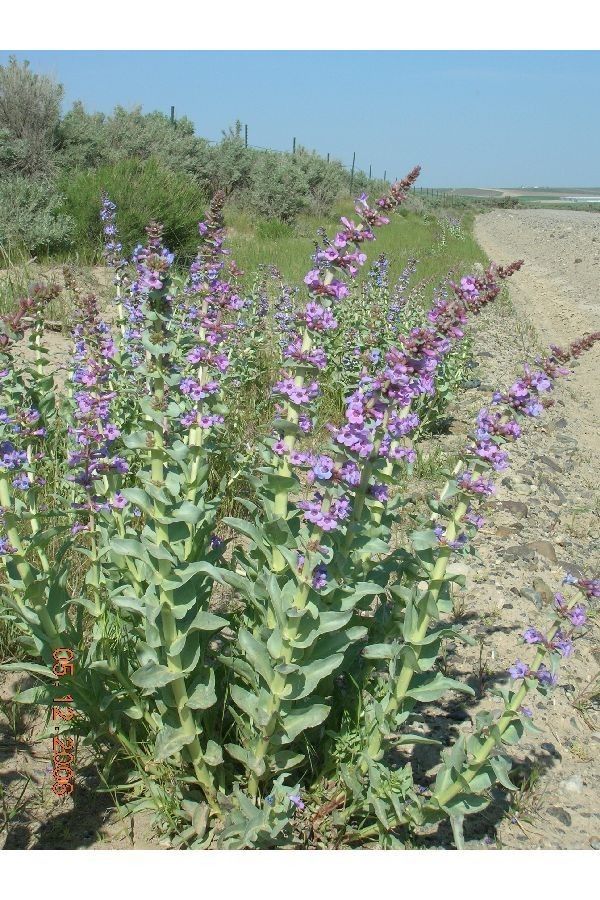
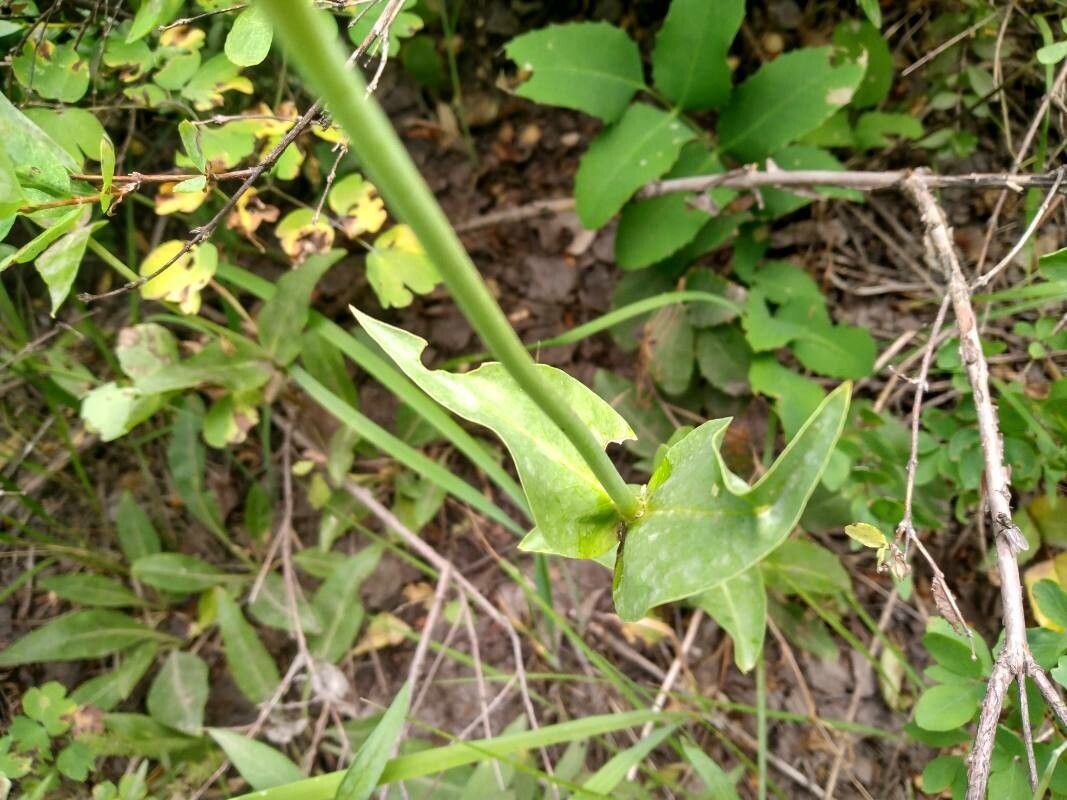
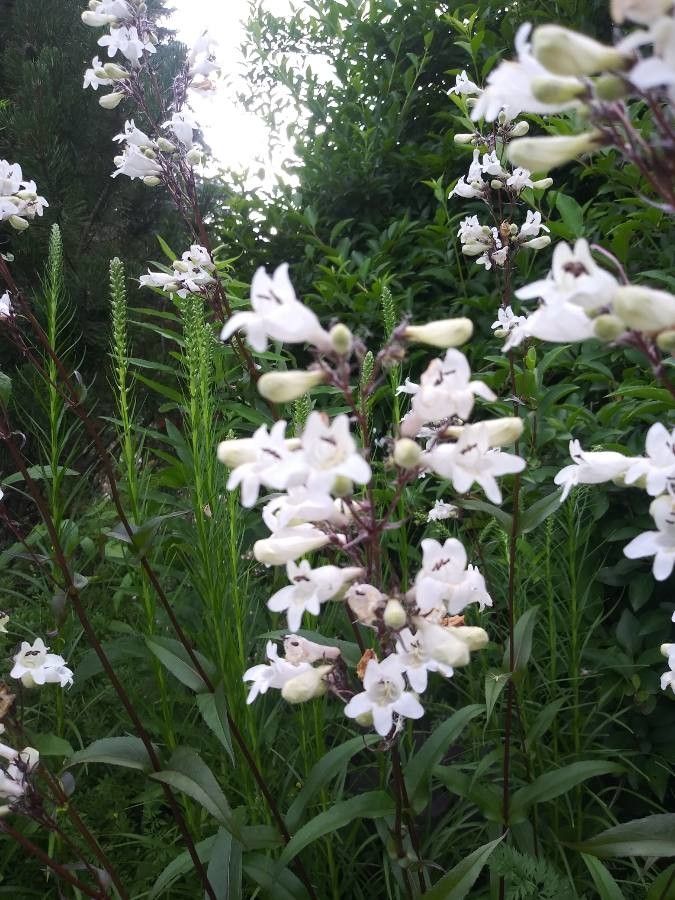
Penstemon secundiflorus, commonly known as sidebells penstemon or orchid penstemon, is a species of Penstemon that grows in dry forests, high plains, and scrub lands from Wyoming to Mexico. It is a herbaceous perennial plant that typically grows to a height of 20 to 50 cm and has narrow, lance-shaped leaves that are grayish-green in color. The flowers of the sidebells penstemon are tubular in shape and are arranged in a one-sided spike, with the blooms all facing the same direction, and for this reason was named secundiflorus, which means "one-sided flowers". The flowers are most often delicate shades of orchid or lavender. It is sometimes used in xeriscaping, rock gardens, and wildflower meadows, and is well-suited to dry, sunny locations with well-draining soil.
How to keep Penstemon Secundiflorus.
Water
Sidebells penstemon is native to arid regions and thrives in dry conditions due to its drought tolerance. To prevent overwatering, it should be watered sparingly, about once a week. Its efficient root system maximizes the absorption of scarce rainfall, making it an excellent choice for xeriscaping and rock gardens.
Pruning
To encourage healthy growth and flowering, prune sidebells penstemon in early spring. Remove dead stems, spent flowers, and any leggy growth to maintain a compact form. Moderate pruning improves air circulation, reduces the risk of disease, and promotes vigorous blooming, as recommended by horticultural experts.
Pot & Repot
For healthy growth and to prevent root rot, sidebells penstemon needs excellent drainage in pots.
Botanical profile.
- Plant Type
- Herb
- Life Cycle
- Perennial
- Genus
- Penstemon
- Family
- Plantaginaceae
Other names.
Reader questions.
What are the sunlight requirements for Sidebells Penstemon (Penstemon secundiflorus)?
Sidebells Penstemon (Penstemon secundiflorus) thrives under specific sunlight conditions. The plant requires 'Full sun,' which means it should receive above 6 hours of sunlight daily, or 'Partial sun,' which involves about 3-6 hours of sunlight. It's essential to observe the movement of sunlight through your garden carefully, selecting locations that offer an ideal mix of light and shade. This approach ensures the plants remain healthy and joyful.