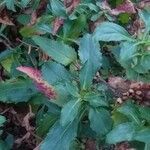
Penstemon serrulatus
Cascade penstemon · Cascade Beardtongue · Serrulate penstemon · Coast beardtongue · Coast penstemon
Description
Source: leafsnapPenstemon serrulatus is a species of penstemon known by the common names Cascade penstemon, coast penstemon, or serrulate penstemon. It is native to the Pacific Northwest of North America, from Oregon to Alaska.
Care Guide
💧 Water Every week
Serrulate penstemon thrives in moist environments and prefers consistent moisture, although it can tolerate moderate drought. To ensure optimal growth, it requires weekly watering, and rainwater during the growing season is particularly beneficial. This herbaceous perennial is typically grown outdoors and benefits from regular watering cycles.
☀️ Light Full sun
Serrulate penstemon generally does best in locations that receive abundant sunlight for most of the day. Areas with only partial sun can still support it, but may compromise its optimal growth. Excessive or insufficient light can possibly weaken its health.
What are the sunlight requirements for Serrulate penstemon?
Serrulate penstemon requires full sun, which means it should receive above 6 hours of sunlight daily, for optimal growth. However, it can also tolerate partial sun, with about 3-6 hours of sunlight. The balance of light and shade is crucial for ensuring the plant's health, so it's important to choose locations in your garden that provide this balance.
What are the essentials for growing Serrulate penstemon?
Growing Serrulate penstemon successfully requires ample exposure to sunlight for most of the day, as this plant thrives in full sun. While it can grow in areas with incomplete sun exposure, optimal growth might be affected. Utilizing artificial lighting can be a vital solution for indoor plants or those in less sunny spaces, promoting healthier growth. LED lights are recommended for their ability to mimic natural sunlight, with specific wattage needed depending on the plant's sunlight requirements.
What are the common symptoms of light deficiency in Serrulate penstemon?
Symptoms of light deficiency in Serrulate penstemon include the growth of smaller leaves, leggy or sparse growth, faster leaf drop, halted growth, pale or lighter-colored new leaves, chlorosis (leaves turning yellow), sunscald with damaged leaves or stems, leaf curling as a defense mechanism, wilting from excessive water loss, and leaf scorching with brown, dry patches. These symptoms highlight the importance of providing sufficient sunlight for the plant's health.
How can I optimize sunlight exposure for my Serrulate penstemon?
To optimize sunlight exposure for Serrulate penstemon, gradually move the plant to sunnier locations each week until it receives at least 6 hours of direct sunlight daily. For indoor plants, use south-facing windows and keep curtains open during the day. Consider artificial lighting for plants that are not easily moved, ensuring they receive ample light. For outdoor and ground plants, reduce obstructions by pruning and consider transplanting to sunnier locations, keeping in mind to do so during the plant's dormant period for minimal stress.
🌡️ Temperature 0–35°C
Serrulate penstemon is a plant that does well in its native habitat when temperatures stay between 32 and 95°F (0 to 35℃). It prefers cooler climates. For optimal growth, keep temperatures within this range and adjust for seasonal changes.
What is the optimal temperature range for growing Serrulate Penstemon?
Serrulate penstemon grows best in environments where temperatures range from 32 to 95°F (0 to 35°C). It favours cooler climates within this range for optimal growth. Adjustments for seasonal changes are important to maintain these temperatures. The plant has a strong resistance to cold and doesn't usually require special frost protection in winter. However, if temperatures are expected to drop below -35°C, cold protection measures, such as covering the plant with soil or straw, are advised. Additionally, watering the plant abundantly before the first freeze of autumn to keep the soil moist is recommended, as it helps in preventing drought and water scarcity during winter and early spring.
How does Serrulate Penstemon cope with low temperatures, and what measures should be taken?
Serrulate penstemon is cold-tolerant and can thrive well above 0°C. During winter, it is crucial to ensure the temperature stays above -30°C. If the temperature falls below -35°C, there might not be visible changes during winter, but a decrease in sprouting or a lack of sprouting in spring could occur. To address this, in spring, you should remove any parts of the plant that have failed to sprout, promoting healthy growth for the season.
What should be done if Serrulate Penstemon experiences high temperatures?
During the summer, keeping Serrulate penstemon below 35°C is essential for its well-being. If temperatures exceed 38°C, the plant may exhibit signs of stress such as lighter leaf color, leaf curling, susceptibility to sunburn, and in severe cases, wilting and drying out. To mitigate these effects, trim away sunburned and dried parts. Relocate the plant to a shaded area or use a shade cloth to protect it from the midday and afternoon sun. Ensure that the soil remains moist by watering the plant in the morning and evening.
💨 Humidity
🪴 Soil 6-7
🌱 Fertilizer
The best time to fertilize a Serrulate penstemon is in early spring, when it is coming out of dormancy and starting active growth. Fertilizing supplies essential nutrients needed for healthy development. While Serrulate penstemon has fairly low fertilizer requirements, giving it fertilizer annually can improve its survival and encourage improved, longer-lasting blooms.
🪴 Pot & Repot
Serrulate penstemon needs excellent drainage in pots to prevent waterlogging and ensure healthy growth.
✂️ Pruning
Serrulate penstemon is known for its eye-catching tubular flowers and serrated leaves. To keep the plant thriving, it's important to regularly prune it from early to late spring. Begin by removing any dead or thin stems, and trim back overgrown areas by one-third. This will improve the density of the foliage and encourage more abundant blooms. Additionally, pruning helps enhance air circulation and reduces the risk of disease.
🌿 Propagating
🐛 Diseases & pets
☠️ Toxicity
Characteristics
- Plant Type
- Herb
- Life Cycle
- Perennial
- Genus
- Penstemon
- Family
- Plantaginaceae
- Hardiness Zone
- 3-9
- Mature Height
- 20 cm to 76 cm
- Mature Spread
- 30 cm to 46 cm
- Leaf Color
- Green
- Leaf Type
- Semi-evergreen
- Flower Color
- Purple, Pink, Blue, Lavender
- Flower Size
- 2.03 cm to 3.05 cm
- Bloom Time
- Late spring, Early summer, Mid summer
- Planting Time
- Spring, Summer
- Harvest Time
- Late summer, Early fall, Mid fall