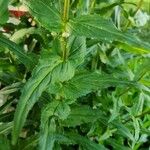
Penstemon tenuis
Sharp-Sepal Beardtongue · Sharpsepal beardtongue
Description
Source: leafsnapPenstemon tenuis is a species of flowering plant in the plantain family known by the common name sharpsepal beardtongue. It is endemic to Texas, Louisiana, Mississippi, and Arkansas in the United States where it is found in open, damp areas in alluvial soil. It flowers from early April into early June.
Care Guide
💧 Water
Thriving in humid prairies, sharpsepal beardtongue is well-suited to environments with consistent moisture and prefers moderate hydration, needing to be watered weekly. As an herbaceous perennial, it flourishes with increased indoor humidity, which encourages lush flowering during its growing season.
☀️ Light Full sun
Sharpsepal beardtongue is a perennial herbaceous plant that favors sunny sites and comes from open habitats, commonly flourishing in meadows and grasslands. It prefers full sun but is also able to tolerate partial sun.
What are the sunlight requirements for Sharpsepal beardtongue?
Sharpsepal beardtongue is a perennial herb that flourishes in full sun, requiring more than 6 hours of sunlight per day. It can also grow under partial sun conditions, which means it should receive about 3-6 hours of sunlight daily. It's essential to observe how sunlight moves through your garden to find the ideal spots that offer a balance of light and shade, ensuring the plant's health and happiness.
Can Sharpsepal beardtongue grow indoors and how?
Yes, Sharpsepal beardtongue can grow indoors, especially when natural sunlight is insufficient. Adequate lighting is crucial for its growth. Artificial lights, like LED, can be used to supplement light, aiming for 30-50W/sq ft for full sun plants, 20-30W/sq ft for partial sun, and 10-20W/sq ft for full shade plants. The light source should be placed 12-36 inches above the plant for 8-12 hours per day to mimic natural daylight hours effectively.
What are the symptoms of inadequate lighting for Sharpsepal beardtongue?
Symptoms of light deficiency in Sharpsepal beardtongue include smaller new leaves, leggy or sparse growth, faster leaf drop, slower or no new growth, lighter-colored new leaves, chlorosis, sunscald, leaf curling, wilting, and leaf scorching. These symptoms indicate the plant is not receiving the optimal amount of sunlight it needs for photosynthesis and healthy growth.
How can I address Sharpsepal beardtongue's light issues?
To address light issues for Sharpsepal beardtongue, gradually acclimate the plant to receive at least 6 hours of direct sunlight daily. Use south-facing windows for indoor plants and keep curtains open. Consider using artificial lights if the plant is large or not easily movable. For outdoor plants, move them to sunnier spots gradually to avoid sunburn. Pruning obstructive branches and transplanting smaller plants can also help increase sunlight exposure. Remember, affected parts may not recover, but new growth will be healthy with improved light conditions.
🌡️ Temperature 0–32.2°C
Sharpsepal beardtongue shows good adaptability to temperature, able to endure higher heat and wide temperature fluctuations. In hot weather, attention should be paid to watering and providing suitable shade to prevent sunburn. However, Sharpsepal beardtongue has relatively poor cold tolerance. While it can tolerate some cold, very low temperatures can cause frost damage.
What is the botanical name of Sharpsepal beardtongue?
The botanical name of Sharpsepal beardtongue is Penstemon tenuis.
💨 Humidity
🪴 Soil 6-8
🌱 Fertilizer
The best time to fertilize a Sharpsepal beardtongue is in early spring, as it emerges from dormancy and begins active growth. Fertilizing supplies essential nutrients needed for healthy development. Although Sharpsepal beardtongue has fairly low fertilizer requirements, applying fertilizer once a year can improve its survival and encourage better, longer-lasting blooms.
🪴 Pot & Repot
For healthy growth and to prevent root rot, sharpsepal beardtongue needs excellent drainage when grown in pots.
✂️ Pruning
Sharpsepal beardtongue is a vibrant perennial known for its trumpet-shaped blooms. To maintain its health and appearance, it requires pruning from early to late spring. Deadheading, or removing spent flowers, encourages new growth. Cutting back the stems promotes a bushier plant. Additionally, removing any diseased parts helps keep the plant healthy. It's important to use clean, sharp tools during pruning to prevent infection and encourage vigorous growth.
🌿 Propagating
🐛 Diseases & pets
☠️ Toxicity
Characteristics
- Plant Type
- Herb
- Life Cycle
- Perennial
- Genus
- Penstemon
- Family
- Plantaginaceae
- Hardiness Zone
- 3-8
- Mature Height
- 30 cm to 91 cm
- Mature Spread
- 20 cm to 30 cm
- Leaf Color
- Green
- Leaf Type
- Semi-evergreen
- Flower Size
- 1.02 cm to 2.03 cm
- Bloom Time
- Mid spring, Late spring, Early summer
- Planting Time
- Spring, Summer
- Harvest Time
- Summer