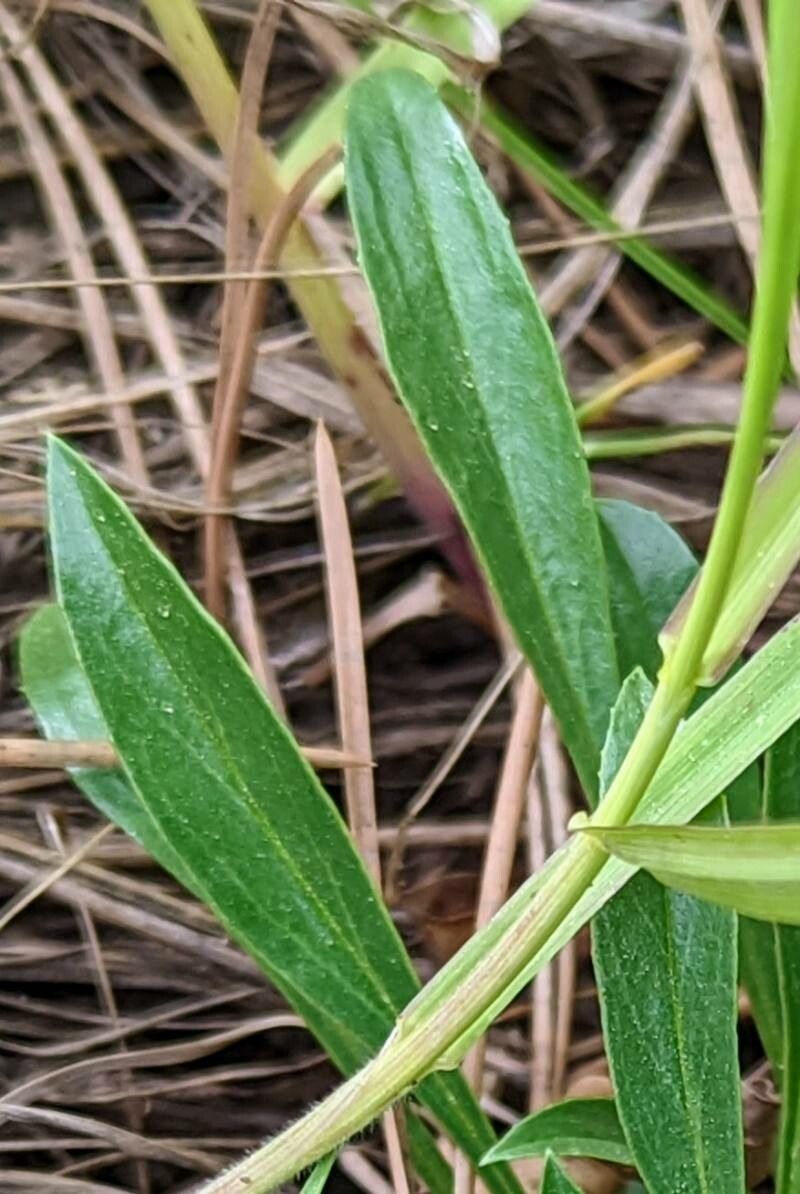
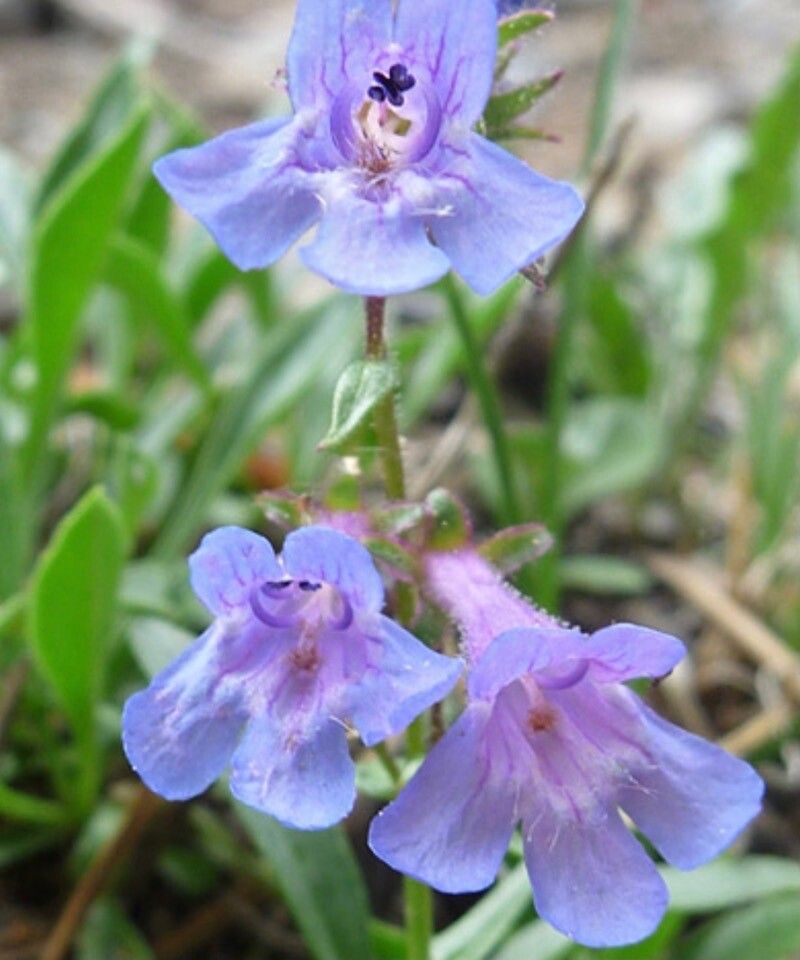
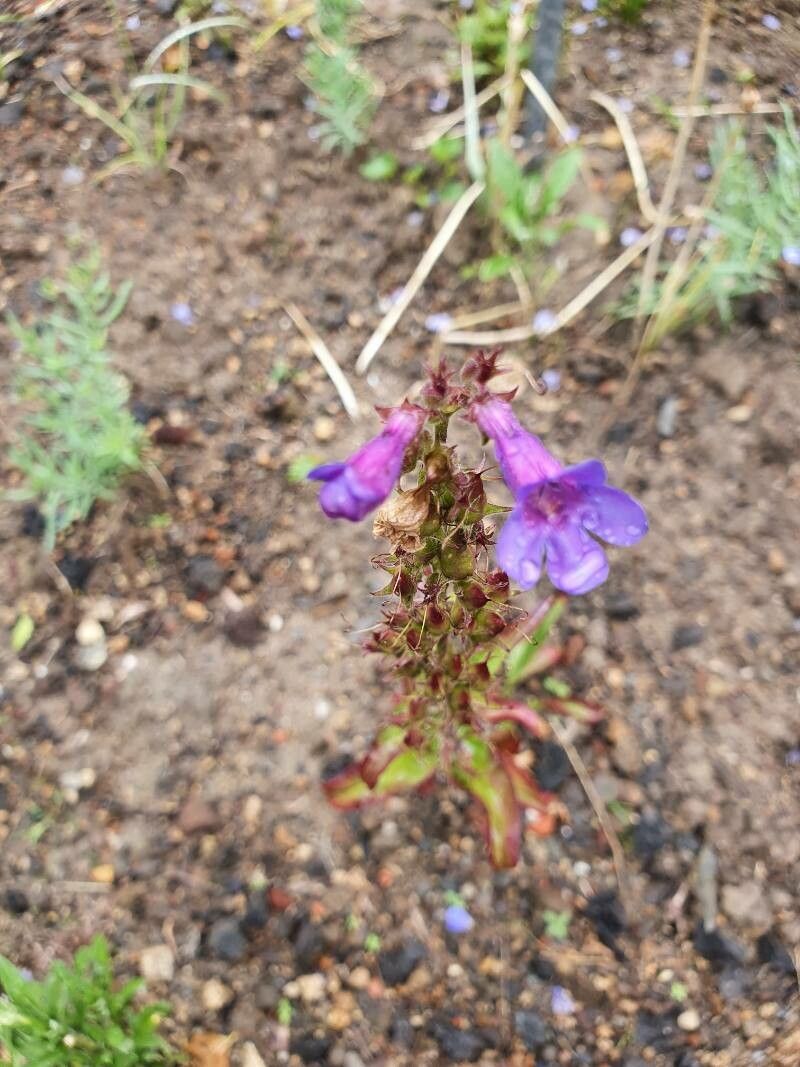
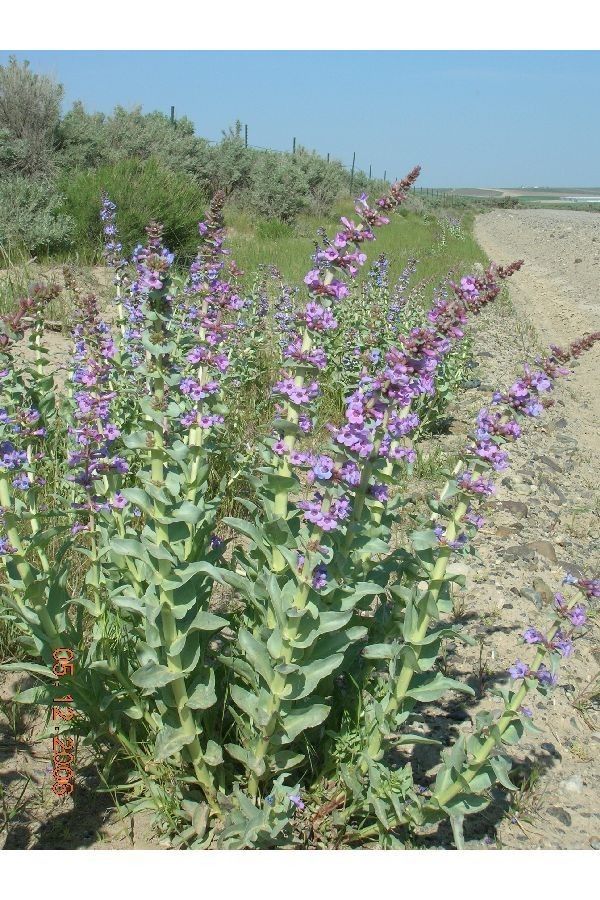
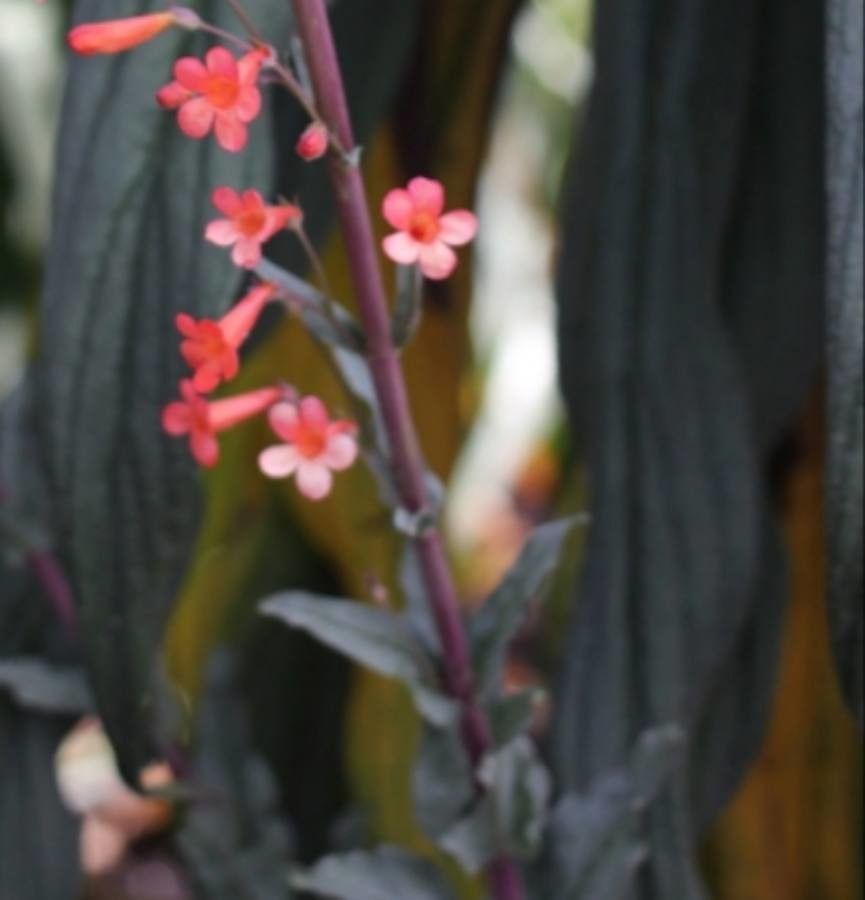
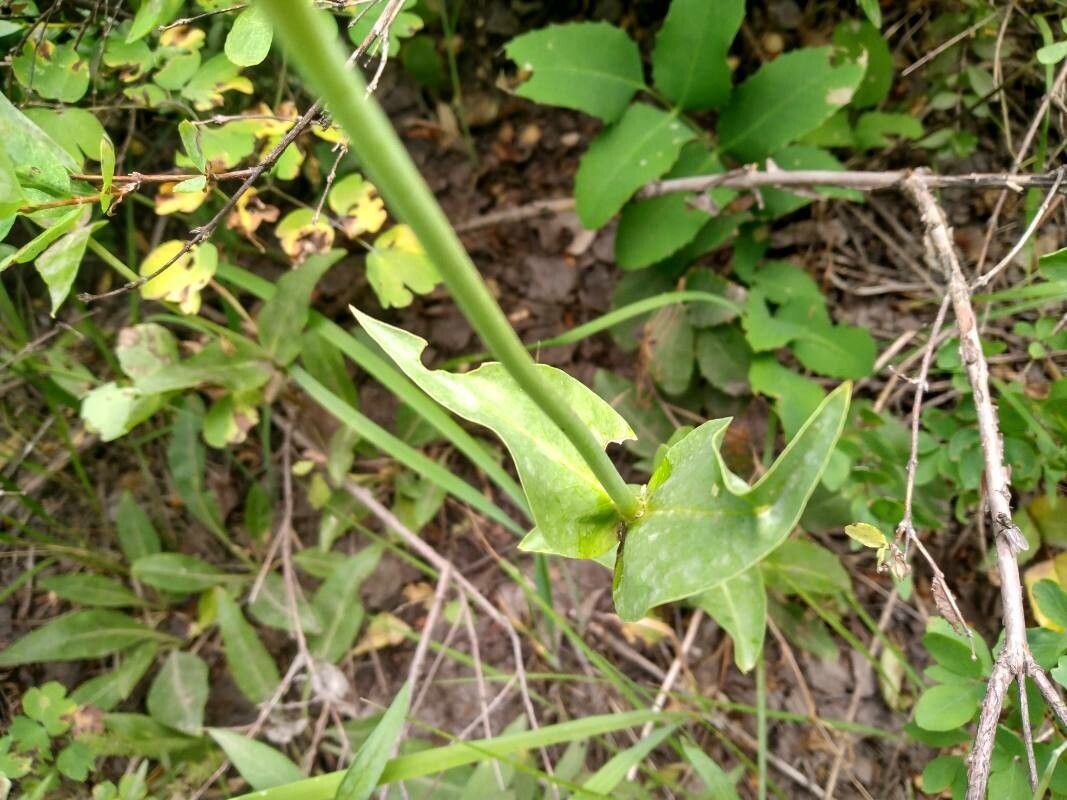
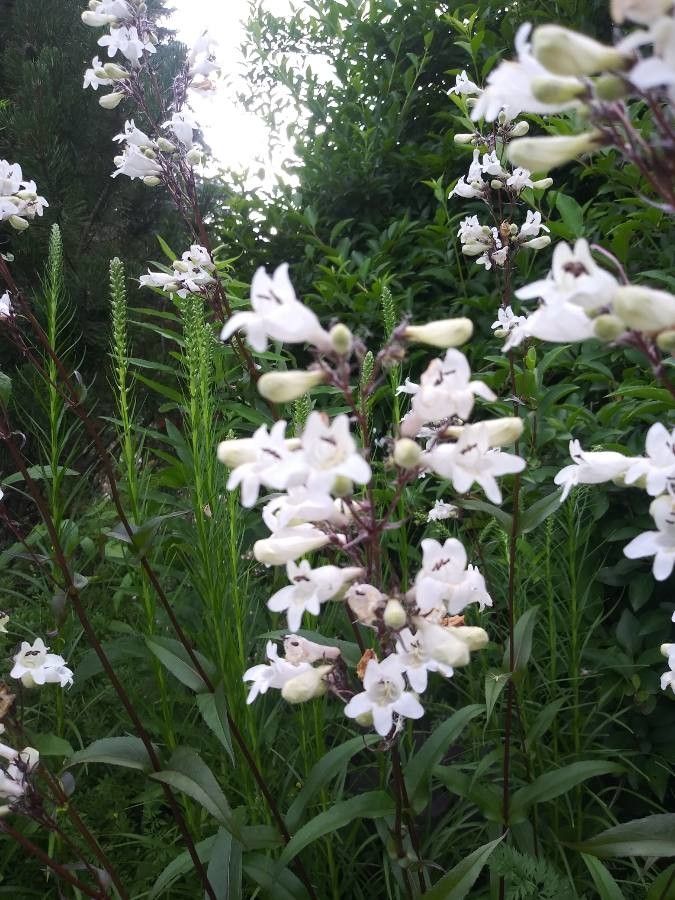
Penstemon virens, commonly known as the Front Range beardtongue, is a perennial plant species native to the western United States. Belonging to the Plantaginaceae family, this plant can grow up to 2 feet tall. It features narrow, slightly hairy green leaves and tubular-shaped flowers that are typically blue or purple. These flowers bloom in late spring or early summer and attract pollinators such as bees and hummingbirds.
Penstemon virens thrives in well-drained soils and prefers environments ranging from full sun to partial shade. It naturally grows on rocky slopes, prairies, meadows, and open woodlands at elevations between 4,000 and 10,000 feet above sea level.
Historically, Native American tribes have used the Front Range beardtongue for medicinal purposes due to its anti-inflammatory properties. Today, it is commonly grown as an ornamental plant in gardens, valued for its attractive and long-lasting flowers.
Overall, Penstemon virens is a hardy perennial with beautiful blooms that add color and interest to any garden or landscape. It provides important ecological benefits by attracting pollinators such as bees and hummingbirds.
Front range beardtongue is fairly disease-resistant and typically doesn't suffer from illnesses. However, it can be vulnerable to pests and diseases present in its surroundings, and these problems are usually mild. In terms of care, the plant needs moderate maintenance. It requires regular pruning to keep a neat appearance and support healthy growth. Fertilizing can also help encourage flowering. Front range beardtongue is well suited to anyone with outdoor space, such as a garden or patio, and doesn't demand extensive care experience. It may need more attention if grown indoors.
How to keep Penstemon Virens.
Light
Front range beardtongue is a sun-loving herbaceous perennial native to open habitats and commonly does well in meadows and grasslands. It favors full sun but can also handle partial sun.
Fertilizer
The best time to fertilize a Front range beardtongue is in early spring, as it is coming out of dormancy and starting active growth. Fertilizing supplies essential nutrients for healthy development. Although Front range beardtongue has fairly low fertilizer requirements, applying fertilizer annually can improve its survival and encourage better, longer-lasting flowers.
Pruning
Front Range beardtongue is a vibrant perennial known for its tubular blooms. To encourage growth and flowering, prune the plant by one-third in early spring. Avoid pruning in late summer to preserve the blooms. Regular pruning not only enhances the plant's vigor but also improves its appearance. For more information, refer to the Colorado State University Extension.
Pot & Repot
Front Range beardtongue grows best in containers that have excellent drainage. Good drainage helps prevent root rot and promotes healthy growth.
Botanical profile.
- Plant Type
- Herb
- Life Cycle
- Perennial
- Genus
- Penstemon
- Family
- Plantaginaceae
- Hardiness Zone
- 4-8
- Mature Height
- 15 cm to 30 cm
- Mature Spread
- 20 cm to 30 cm
- Leaf Color
- Green, Dark Green
- Leaf Type
- Deciduous
- Flower Color
- Blue, Purple
- Flower Size
- 2.03 cm to 3.05 cm
- Bloom Time
- Mid spring, Late spring, Early summer
- Planting Time
- Spring, Summer, Autumn
- Harvest Time
- Mid summer, Late summer, Early fall
Other names.
Reader questions.
What are the sunlight requirements for Front range beardtongue?
The Front range beardtongue, scientifically known as Penstemon virens, thrives under specific sunlight conditions. For full sun exposure, it requires above 6 hours of sunlight daily, ensuring it receives ample light for optimal growth. Alternatively, for partial sun exposure, it should get about 3-6 hours of sunlight. It's important to observe the movement of sunlight through your garden, selecting spots that offer the ideal balance between light and shade. This careful placement will contribute significantly to the health and happiness of the Front range beardtongue.