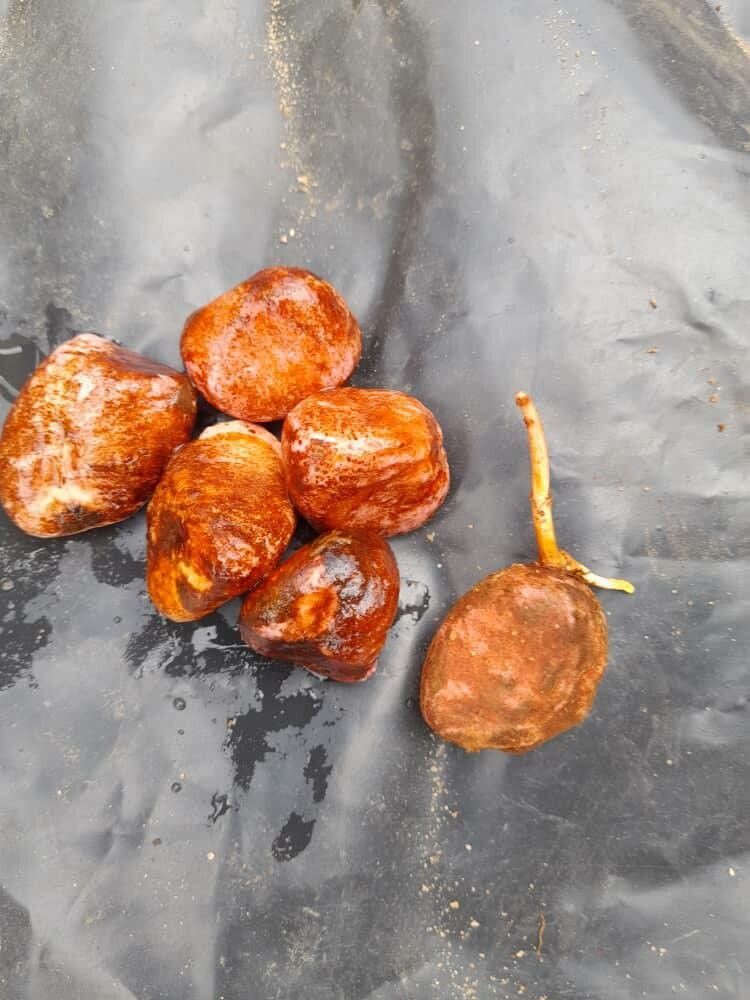
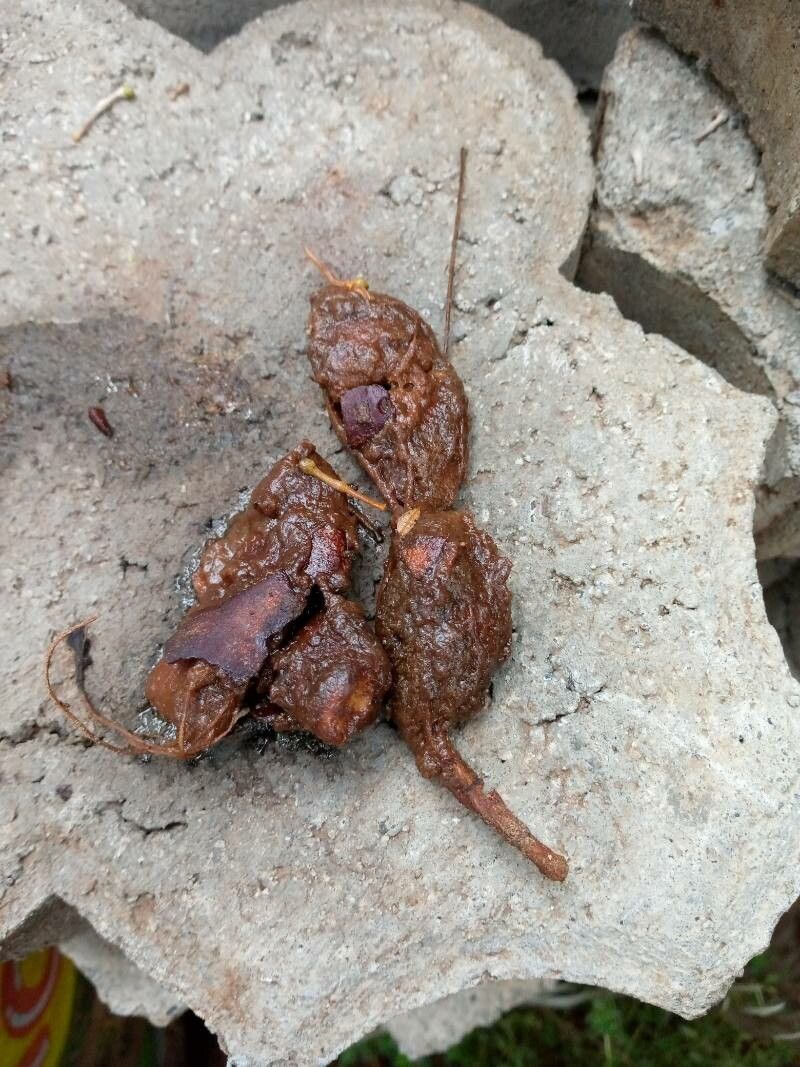
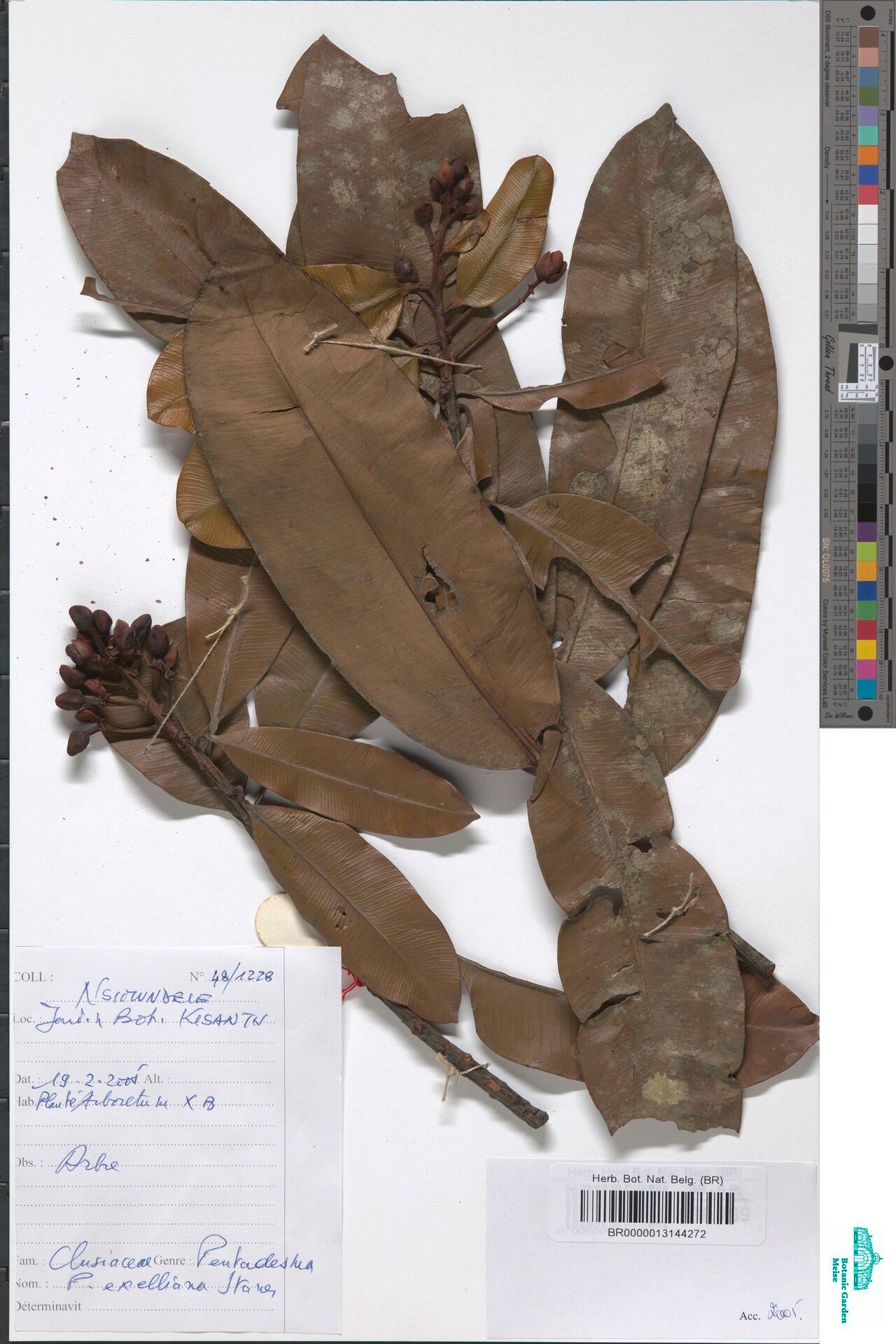
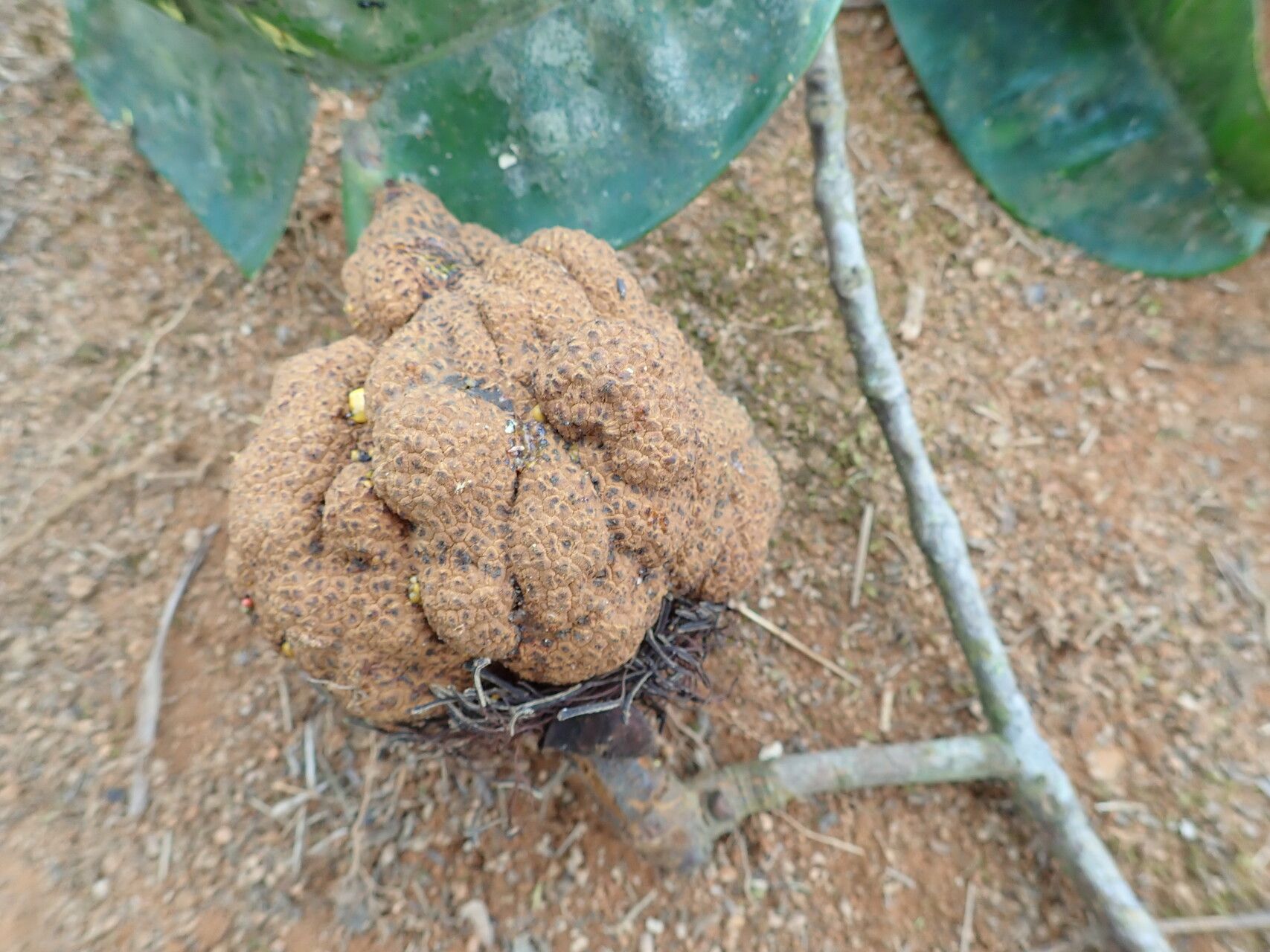
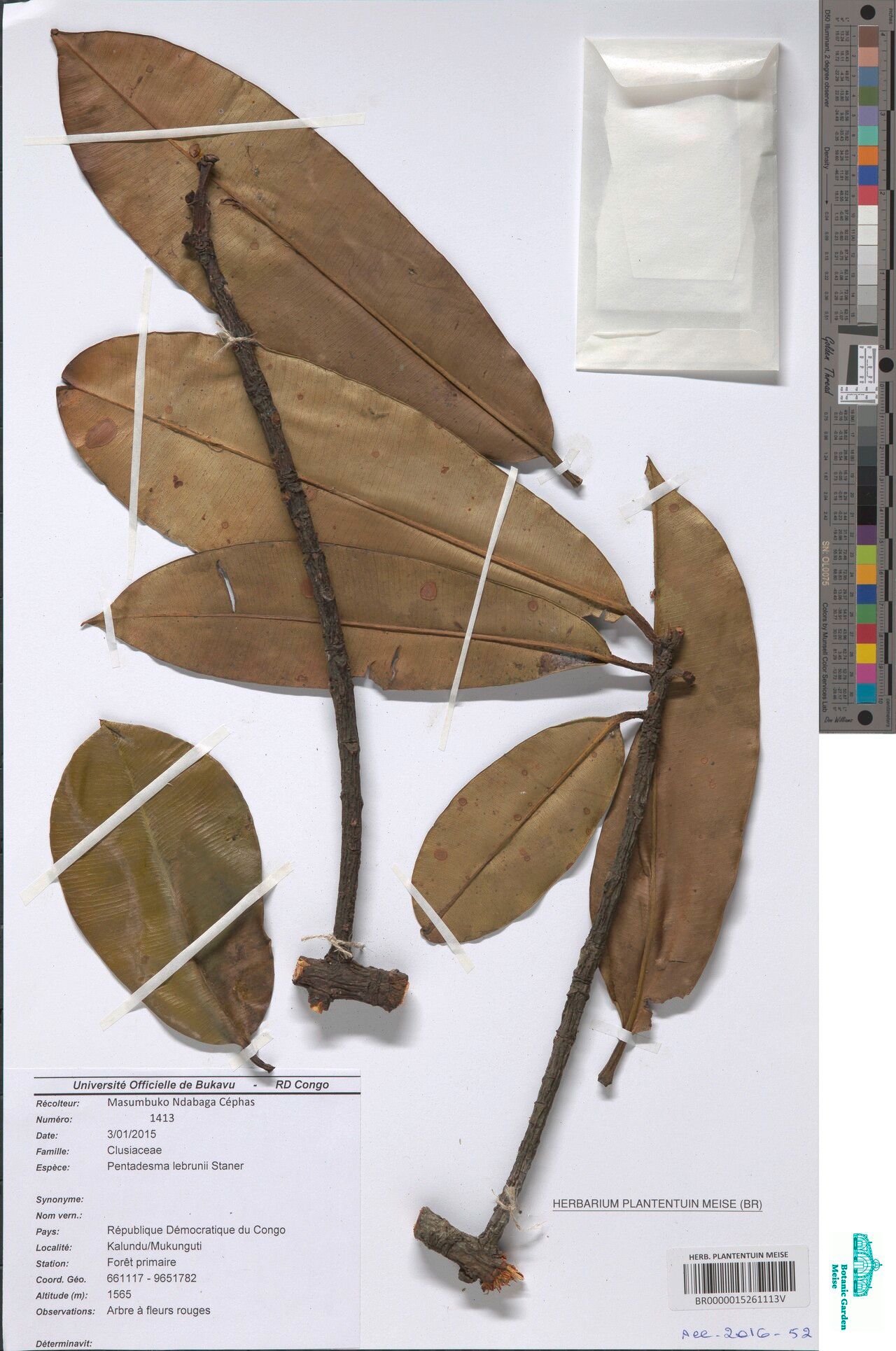
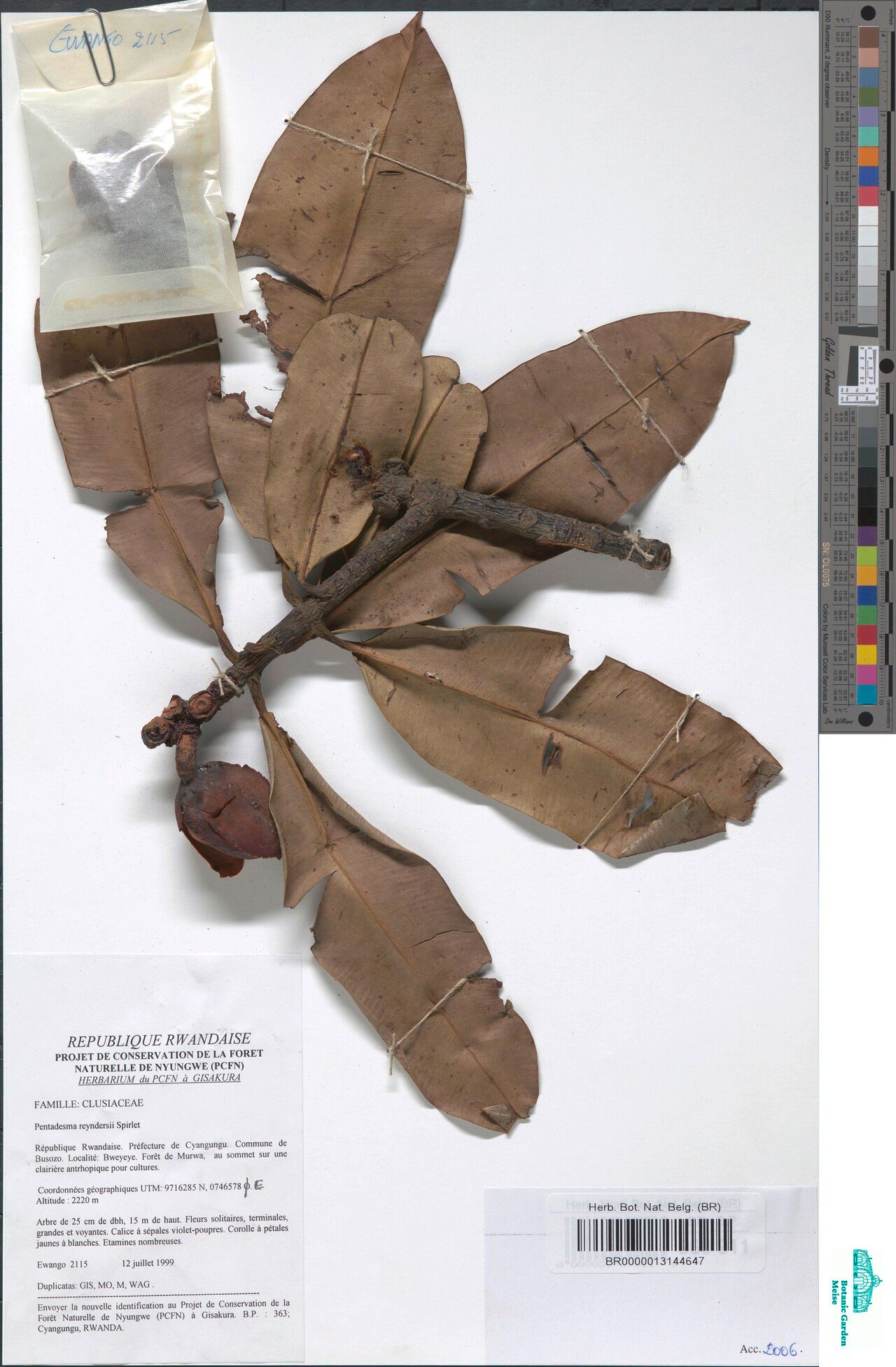
Pentadesma butyracea is a tree native to the forests of tropical Africa from Sierra Leone to Cameroon. It has multiple uses, the main one being the manufacture of a kind of butter called "kpangnan butter" similar to shea butter. The timber is used in cabinetmaking and construction. It is sometimes called African butter tree.
Butter tree shows strong resistance to disease and is generally not vulnerable to illnesses. Regarding care, the plant is fairly low-maintenance. When grown outdoors it needs only light watering, and larger specimens typically do not require pruning. However, smaller plants should be pruned after they finish blooming. The Butter tree is suitable for anyone with outdoor space, such as a garden or deck, and does not demand much experience in plant care.
How to keep Pentadesma Butyracea.
Light
Butter tree comes from open habitats, such as sunny meadows and forest edges, which provide abundant light. It thrives in Full Sun but can also tolerate Partial Sun, adapting well to different sunlight conditions.
Water
The butter tree flourishes in tropical climates that provide moderate moisture and consistent humidity, though it can tolerate some periods of dryness. Watering the tree once every 2–3 weeks is usually sufficient. While it is best suited for outdoor growth, it is important to monitor its water needs during the growing season to ensure it maintains its evergreen foliage.
Temperature
The butter tree comes from tropical areas, where the climate is usually warm and humid. Consequently, it is well suited to high temperatures and humidity. It does not tolerate sudden temperature shifts and prefers a stable temperature, so avoiding indoor temperature fluctuations is important. It generally cannot endure cold and needs higher temperatures to grow. If the surrounding temperature falls too low, the plant may stop growing or even die.
Fertilizer
Use organic fertilizers (for example, fish emulsion or compost) instead of chemical fertilizers for Butter tree. Give young plants increased nitrogen and phosphorus in spring. Incorporate compost or fertilizer into the soil either before or after planting. For mature plants, apply a balanced fertilizer or one targeted to specific deficiencies in spring. Nutrient deficiency results in small leaves, short branches, yellow or bronze foliage, acidic fruit, early fruit drop, and fruit splitting.
Pruning
To maintain a healthy butter tree, it's essential to prune it regularly. The best time for pruning is from early to late winter. This helps remove dead branches and improves air circulation. Additionally, thinning out crowded areas allows more sunlight to penetrate, which stimulates growth and boosts fruit production. For optimal results, be sure to use sharp, sterilized tools and make clean cuts just above the nodes.
Botanical profile.
- Plant Type
- Tree
- Life Cycle
- Perennial
- Genus
- Pentadesma
- Family
- Clusiaceae
- Hardiness Zone
- 10-12
- Mature Height
- 20.12 m to 35.05 m
- Mature Spread
- 7.92 m to 11.89 m
- Leaf Color
- Dark Green
- Leaf Type
- Evergreen
- Flower Color
- White, Yellow
- Flower Size
- 5.08 cm to 6.35 cm
- Bloom Time
- Summer
- Planting Time
- Summer
- Harvest Time
- Late summer, Fall
- Native Area
- Burkina Faso, Angola, Nigeria, Guinea, Gabon, Guinea-Bissau, Benin, Sierra Leone, Equatorial Guinea, Cameroon, Liberia, Togo, Ghana, Côte d'Ivoire, Congo (DRC), Congo
Other names.
Reader questions.
What are the sunlight requirements for a Butter Tree?
The Butter Tree, also known by its botanical name Pentadesma butyracea, thrives best in Full Sun conditions, requiring above 6 hours of sunlight per day. However, it can also adapt and grow well in Partial Sun, defined as about 3-6 hours of sunlight. It's essential to observe the movement of sunlight through your garden to ensure that you place your Butter Tree in a spot that offers a balanced light exposure, suitable for its growth and health.
Can Butter Tree grow indoors, and how should artificial lighting be used?
Yes, the Butter Tree can grow indoors, particularly in conditions where natural sunlight is insufficient. During winter or in less sunny indoor spaces, artificial lighting serves as a crucial alternative to promote healthy growth. LED lights are often recommended due to their ability to be customized for the specific light wavelengths needed by plants. The general guidance for artificial lighting is 30-50W/sq ft for full sun plants, 20-30W/sq ft for partial sun plants, and 10-20W/sq ft for full shade plants. The artificial light source should be placed 12-36 inches above the plant and kept on for 8-12 hours per day to emulate the natural daylight hours specific to the species.
What are some common symptoms of light deficiency in Butter Trees?
Butter Trees exposed to insufficient light may exhibit various symptoms indicating their need for better lighting conditions. These include smaller new leaves, leggy or sparse growth, faster leaf drop, slower or no new growth, and paler or lighter-colored new leaves. Additional symptoms like chlorosis, where leaves lose their green color and turn yellow, sunscald with pale or necrotic areas on plant tissues, leaf curling as a defense mechanism, wilting from loss of water, and leaf scorching characterized by brown, crispy leaf edges also signal excessive sunlight exposure or a need for better light management.
How can I address sunlight-related issues for my Butter Tree, both indoors and outdoors?
To address sunlight deficiencies or excessive light exposure for Butter Trees, a gradual adjustment to the ideal lighting conditions is recommended. For indoor plants requiring more light, gradually move them closer to a south-facing window or introduce artificial lighting, such as desk lamps or professional grow lights, ensuring they receive at least 6 hours of direct sunlight or equivalent artificial light daily. For outdoor plants, similarly adjust their position towards sunnier spots gradually to avoid shock. Pruning nearby trees may help reduce obstructions and allow more sunlight to reach the plants. In cases of insufficient sunlight, parts of the plant already affected may not fully recover, but new growth should be healthy with improved light exposure.