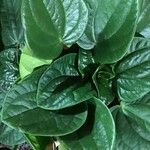
Peperomia albovittata
Peperomia Frost
Description
Source: leafsnapPeperomia albovittata is a small tropical plant belonging to the Piperaceae family. Native to South America, it is found in countries such as Brazil, Peru, and Ecuador. This compact plant typically grows to a height of about 6 inches. The leaves of Peperomia albovittata are oval-shaped and glossy. They are dark green with distinctive white veins running through them. The stems are also green and have a slightly woody texture. Peperomia albovittata is an easy-to-care-for houseplant that thrives in bright, indirect light. It prefers well-draining soil that is kept moist but not waterlogged. You can propagate the plant through stem cuttings or by dividing its root ball. Beyond its aesthetic appeal, Peperomia albovittata possesses air-purifying properties, making it beneficial for indoor environments. Its ability to remove harmful toxins from the air makes it an excellent choice for those seeking natural ways to improve indoor air quality. Overall, Peperomia albovittata is a beautiful, low-maintenance houseplant that adds color and interest to any space while also providing health benefits to its owners.
Care Guide
💧 Water Every 7 days
The succulent leaves of peperomia plants indicate that the plants don't need frequent watering to maintain vigor. Allow the surface of the soil to dry out between waterings. Keeping the peperomia on the dry side is better than saturating it, which leads to root rot and fungus gnat problems.
☀️ Light Full shade
Peperomia albovittata is native to habitats such as forest understories or rocky areas that offer natural shade. It prefers Full Shade but can tolerate Partial Sun.
🌡️ Temperature 20–37.8°C
Peperomia albovittata comes from tropical areas, where the climate is generally warm and humid. Therefore it is well suited to high heat and humidity. It does not tolerate abrupt temperature changes and prefers steady temperatures, so avoiding indoor temperature fluctuations is important. It typically cannot withstand cold and requires warmer temperatures to grow. If the ambient temperature falls too low, the plant may stop growing or even die.
💨 Humidity normal (40-60%)
This plant will thrive in moderate humidity, which is probably the level in your home. However, misting it a few times a week can be very beneficial. Make sure the room has good ventilation.
🪴 Soil 5-6
🌱 Fertilizer
Proper fertilization is essential for Peperomia albovittata's health and appearance. Fertilize Peperomia albovittata in summer, applying fertilizer once a month throughout the summer. Nutrients provide the energy for growth and help maintain the plant's parts. Fertilization improves Peperomia albovittata's flower display, helping it achieve its best blooms.
🪴 Pot & Repot 2-3 years
When repotting Peperomia albovittata, select a pot 1-2 inches (2.5–5.1 cm) larger with ample drainage. Use a well-draining potting mix. Repot in spring or fall, making sure the root ball is slightly lower than the rim of the flower pot. Water thoroughly after repotting and place in a warm spot with indirect sunlight.
✂️ Pruning
Lightly pruning your peperomias will encourage new and lush growth
🌿 Propagating
🐛 Diseases & pets
☠️ Toxicity
Peperomias are non-toxic to humans and pets.
Characteristics
- Plant Type
- Herb
- Life Cycle
- Perennial
- Genus
- Peperomia
- Family
- Piperaceae
- Hardiness Zone
- 10-12
- Mature Height
- 15 cm to 20 cm
- Mature Spread
- 20 cm to 30 cm
- Leaf Color
- Dark Green, Silver
- Leaf Type
- Evergreen
- Flower Size
- 5.08 cm to 7.62 cm
- Bloom Time
- All year round
- Planting Time
- Summer, Autumn
- Harvest Time
- All year round
- Native Area
- Ecuador