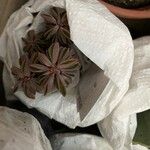
Peperomia asperula
Description
Source: leafsnapThe peperomia houseplant is a favorite of flower producers. There are 1100 species known to have made their way from South American woods to our window sills. Different peperomia species exhibit various traits. Plants range in height from 15 to 50 cm. Ampelnye - can grow to be about 50 cm long. 30 cm of shoots can be found on shrubs. The leaves of several peperomia species are incredibly varied. The color is golden, brown, silvery striped, light and dark green, with white or yellow dots and stains.
Care Guide
💧 Water 1 to 2 times a week
☀️ Light
🌡️ Temperature
Warmth is preferred for these plants, ideally at or above 16°C. Keep them away from radiators, heaters, and dry areas. Additionally, they like a constant temperature throughout the year as opposed to extreme temperature changes. Even though it prefers medium humidity, your Peperomia Asperula will thrive in most homes' humidity levels.
💨 Humidity
🪴 Soil
🌱 Fertilizer
When fertilized consistently with a 20-20-20 fertilizer that is composed equally of nitrogen, potassium, and iron, your peperomia plant will flourish. During the spring and summer, dilute your fertilizer to half its original intensity and apply it every two weeks. In the fall and winter, cut the frequency to once a month.
🪴 Pot & Repot
✂️ Pruning
Cuttings are a successful method of peperomias propagation. For the quickest root production, pinch off the top of the plant and use Kornevin to root the cutting. For growing, it is best to utilize a greenhouse container. By doing so, the soil will stay moist at all times and avoid drying out.
🌿 Propagating
🐛 Diseases & pets
☠️ Toxicity
If the interesting leaf patterns are what you're looking for, think about getting a prayer plant or a variegated baby rubber plant (Peperomia obtusifolia) (Maranta leuconeura). Although their leaves are smaller than those of a dieffenbachia, they are non-toxic and secure around both children and dogs.
Characteristics
- Plant Type
- Tropical perennials
- Genus
- Peperomia
- Family
- Piperaceae
- Hardiness Zone
- 10 to 12
- Bloom Time
- Year-round
- Native Area
- Tropical regions of Central and South America