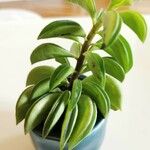
Peperomia dolabriformis
Prayer pepper · Prayer Peperomia
Description
Source: leafsnapPeperomia dolabriformis is a small, succulent plant in the Piperaceae family, native to Central and South America. Commonly known as the Prayer Pepper or Hooker's Jacket, it captivates with its unique, thick, fleshy leaves shaped like miniature hatchets or paddles. This compact plant reaches up to 6 inches in height and spreads about 12 inches wide, making it an excellent choice for small spaces such as tabletops or windowsills. The green leaves boast a glossy texture with prominent veins running through them. Peperomia dolabriformis thrives in bright, indirect light and well-draining soil. Though it can tolerate low-light conditions, its growth may not be as vigorous. It requires moderate watering, allowing the soil to dry out slightly between waterings. This easy-to-care-for houseplant not only adds visual interest with its unique appearance but also helps purify indoor air by removing toxins. It is easily propagated through stem cuttings in either water or soil, making it an excellent choice for beginner gardeners seeking low-maintenance plants to enhance their indoor greenery.
🌳 The prayer pepper is mainly prized for its attractive foliage, which makes it a common choice for houseplants and office greenery. It is not typically used in traditional roles such as a spice or sweetener, but its thick, fleshy leaves — evolved for water storage — provide a distinct texture that fascinates botanists and plant enthusiasts alike. The striking form of its leaves, which resembles a prayer book, likewise attracts study from those interested in leaf morphology and the adaptive significance of plant structures.
Care Guide
💧 Water Every 7 days
The prayer pepper is well adapted to drought conditions and thrives with minimal watering—only once every three weeks. It prefers dry soil and excels in well-draining conditions, which helps prevent root rot. Its modest size and distinctive foliage make it a popular choice for an indoor plant.
How often should I give water to my Prayer pepper plant?
Determining how often to water Prayer pepper is not a fixed rule. To gauge the watering schedule, it is best to check the soil and only water when it is completely dry. You can check the soil moisture either by inserting your finger into the pot or using a moisture meter to examine the soil beneath the surface. If you have planted the pepper in a deep pot, you can use a stick or chopstick for this purpose. If the soil feels even slightly damp, it is advisable to wait a few days and recheck. In general, most people will need to water Prayer pepper approximately every two weeks during summer and once a month in winter. However, there are various factors that can influence the frequency of watering. The next section provides a list of considerations to assist you in determining the appropriate watering schedule.
What do I need to think about when watering my Prayer pepper?
To properly water your Prayer pepper, you need to consider several environmental conditions, such as the size of the container, the type of soil, the temperature, and the humidity. The container size and soil type will determine how often and how much water the plant needs. Make sure to use a container with good drainage to prevent overwatering. Smaller containers hold less moisture, so they need to be watered more frequently, while larger pots retain water for longer and require less frequent watering. Avoid using an oversized pot, as this can lead to overwatering. When repotting, choose a container that is only one size larger than the current one, and opt for a shallow container since Prayer pepper has shallow root systems. In terms of watering frequency, Prayer pepper needs less water in the winter when its growth slows down. In cooler temperatures, there is less water evaporation, so the soil stays wet for longer. In contrast, during the active growing seasons of spring and autumn, the plant requires more frequent watering. It's also important to consider the climate in your area. If you live in a humid and rainy location, you'll need to water your Prayer pepper less often compared to living in a dry, arid climate. Keep in mind that conditions in the same geographic location can change with the season and the use of indoor heating or air conditioning. If you have planted your Prayer pepper in the ground, it will generally not require additional watering once its root system is established. It will rely on natural precipitation and dew. However, during long dry periods, you may need to provide occasional watering. If you are growing the plant in a container and the climate permits, you can move it outside during spring and summer and bring it back indoors when temperatures start to drop. Keep in mind that a potted Prayer pepper kept outside will typically need more water due to increased sun exposure, even if it is placed on a shaded porch.
How do I water the Prayer pepper plant?
To water your Prayer pepper effectively, start by thoroughly soaking it and then allowing it to dry out before watering again. This plant can tolerate some drought, so it's better to underwater than overwater. When you do water, make sure the soil throughout the pot gets soaked by pouring water around the rim. The amount of water needed depends on the pot size and soil absorption. After watering, let the excess water sit in the saucer for about 20-30 minutes, then discard it to prevent waterlogging. Bottom-watering is also a good option, where you place the pot in a saucer of water and let the soil absorb moisture through the drainage holes. This method ensures even distribution of water. Since Prayer peppers come from a dry habitat, mimic this by bottom-watering when the soil is completely dry. Deep watering is better than frequent light watering for this plant.
What should I do if I give my Prayer pepper plant too much or too little water?
Prayer pepper and other succulents are generally able to go without water for extended periods, so it's rare to find an underwatered one. However, if you forget to water your Prayer pepper for a month or more, you'll likely see signs of thirst or damage from lack of watering, such as a lacklustre and wrinkled appearance, dried-up or brown leaves, and completely dried-out soil. To remedy this, give your plant plenty of water by fully submerging the pot in water for 5-10 minutes until the soil feels moist on the surface. On the other hand, overwatering is detrimental to Prayer pepper and can lead to root rot, which hinders the absorption of nutrients and water. Root rot occurs when wet conditions allow fungi and bacteria to thrive in the soil and attack the roots. Signs of overwatering include yellow, swollen, and translucent organs that may burst open, browning or blackening of the plant, and easily falling leaves. To address overwatering, adjust the growing conditions, such as increasing air ventilation, and reduce the frequency of watering. Saving an overwatered plant can be challenging but not impossible. Catching the issue early is crucial. If the roots are already rotten, it may be too late to save the plant. If you suspect overwatering, remove the plant from its pot, clean the roots in room-temperature water to remove fungus, and assess their health. If the majority of the roots are affected by rot, it may be best to propagate a new plant using healthy stems. However, if only some roots are affected, carefully remove the unhealthy roots, dip the remaining healthy roots in a fungicide, and repot the plant in fresh, well-draining soil. While this approach doesn't always succeed, it often allows the plant to fully recover and produce new growth in the next season.
☀️ Light Partial sun
Prayer pepper does well in areas with moderate light. It can tolerate full sun yet also persist with minimal sunlight. Its native habitat shows its adaptability to a variety of light conditions. Excessive sun exposure can cause leaf scorch, while insufficient light may lead to reduced growth and vitality.
What are the sunlight requirements for Prayer Pepper?
Prayer Pepper (Peperomia dolabriformis) thrives in areas with moderate sunlight but can adapt to a range of light conditions, from partial sun (about 3-6 hours of sunlight) to full sun or full shade (more than 6 hours of sunlight). It's crucial to provide the perfect balance of light and shade for these plants, ensuring their happiness and health. The adaptation ability of Prayer Pepper to varied light conditions is confirmed by its natural habitat. However, it's important to note that overexposure may lead to leaf scorch, whereas too little light can cause reduced growth and vitality.
How can artificial lighting support Indoor Prayer Pepper plants?
When natural sunlight is insufficient, especially in less sunny spaces or during winter, artificial lighting can be a vital solution for indoor Prayer Pepper plants, promoting faster and healthier growth. LED lights are recommended because they can be customized to provide the specific wavelengths of light plants need. Full sun plants require 30-50W/sq ft of artificial light, partial sun plants need 20-30W/sq ft, and full shade plants need 10-20W/sq ft. The appropriate distance for placing the light source is 12-36 inches above the plant, and most plants benefit from 8-12 hours of light per day to mimic natural daylight hours.
What are some signs of improper lighting for Prayer Pepper?
When Prayer Pepper plants receive inadequate sunlight, they may exhibit signs such as lighter-colored new leaves, indicating a lack of chlorophyll and essential nutrients. Leggy or sparse growth and faster leaf drop are also common symptoms, reflecting the plant's effort to conserve resources. Conversely, symptoms like chlorosis, sunscald, leaf curling, wilting, and leaf scorching may appear due to excessive sunlight, affecting the plant's photosynthesis ability and overall health.
What solutions are available for Prayer Pepper experiencing light-related issues?
To optimize plant growth, gradually acclimate Prayer Pepper to the desired light conditions. For indoor plants, move them to sunnier spots each week until they receive 3-6 hours of direct sunlight daily or use artificial light, such as desk or ceiling lamps, for at least 8 hours a day. Outdoors, choose locations that provide the best sunlight exposure, avoiding drastic changes to prevent sunburn. Reducing obstructions like tree branches can help, and for smaller plants, consider transplanting during the dormant period to a spot with ample sunlight and good drainage. Keep in mind that parts of the plant damaged by light issues may not recover, but with proper light adjustments, new growth should be healthy.
🌡️ Temperature 20–37.8°C
The prayer pepper originates from tropical areas and prefers temperatures of 68 to 100 ℉ (20 to 38 ℃). In winter, temperatures should not fall below 60 ℉ (15.5 ℃) to prevent damage to the plant.
What is the ideal temperature range for a Prayer Pepper?
The Prayer Pepper thrives in tropical climates, preferring temperatures between 68°F (20°C) and 100°F (38°C). It's crucial to maintain temperatures above 60°F (15.5°C) during winter to prevent plant damage. As a heat-loving plant, the Prayer Pepper enters a dormant state in winter and requires careful management of temperature and sunlight exposure, particularly ensuring it's moved indoors when temperatures drop below 41°F (5°C) to continue its cultivation in a suitable environment, such as near a south-facing window.
How do I care for my Prayer Pepper during colder temperatures?
In colder temperatures, particularly when the thermometer dips below 68°F (20°C), reduce or halt watering to prevent root rot in your Prayer Pepper plant. For those grown outdoors, completely stop watering in low temperatures. Consider insulating your plant with a temporary greenhouse or wrapping it in plastic film or fabric to protect it from cold. Relocating your plant to a warmer indoor spot can also evade the adverse effects of cold weather.
What should I do if my Prayer Pepper suffers from low temperature damage?
Prayer Pepper plants are sensitive to low temperatures and perform best above 68°F (20°C). If exposed to temperatures below 33.8°F (1°C), the plant may weaken and become susceptible to issues like wilting or root rot. Should frost damage occur, trim away the affected areas immediately. Assess the roots for rot and propagate through cuttings if necessary. Moving the plant to a warmer indoor location and ensuring sufficient sunlight through a south-facing window or supplemental lighting is crucial for recovery.
How can I protect my Prayer Pepper from high temperature damage?
During the hotter months, keep the Prayer Pepper below 100°F (38°C), as temperatures above 109°F (43°C) can halt its growth and lead to water loss, wilting, and susceptibility to sunburn. To assist a heat-stressed plant, remove any sunburned or rotten parts and protect it from the harsh afternoon sun until it shows signs of recovery. If root rot is present, withhold watering until new root growth is observed.
💨 Humidity
🪴 Soil 6-7
🌱 Fertilizer
Prayer pepper requires only light fertilizer applications once or twice a year during the growing season. Do not fertilize in winter or in summer while it is dormant. Reduce feeding for plants that have been repotted and wait a few months after repotting before applying fertilizer. Fertilizing helps maintain healthy growth and promotes blooming.
Why should I add fertilizer to my Prayer pepper?
When you fertilize Prayer pepper, you are adding nutrients to the growing medium. While it does store water and nutrients, applying plant food during the growing season helps support healthy growth. Fertilizing can also encourage mature specimens to produce blooms in the growing season.
When should I fertilize my Prayer pepper?
Prayer pepper plants require light fertilization during their growing season, which should be done 1-2 times a year. It is recommended to fertilize them in the spring and autumn, but not during winter or summer when they are dormant. If you have recently repotted your Prayer pepper, be cautious with the amount of fertilizer applied. It is advisable to wait a few months after repotting before starting to fertilize.
When is the best time to not fertilize my Prayer pepper plant?
Prayer pepper, like other plants, goes through a dormancy period when it's best to avoid using fertilizer. During the summer and winter, the plant stops growing, so it's important to halt fertilizer applications. Additionally, it's recommended to refrain from fertilizing for a few months after repotting in the spring.
What kind of fertilizer does my Prayer pepper plant need?
To properly fertilize Prayer pepper, it's recommended to use a liquid plant food specifically made for succulents and cacti. Make sure to dilute the fertilizer with water to half-strength, as you don't want it to accumulate in the soil. Apply the fertilizer at the base of the plant and water it thoroughly, ensuring any extra moisture drains away.
How should I provide nutrients to my Prayer pepper plant?
When fertilizing Prayer pepper, it's recommended to use liquid plant food because it's easier. However, you can also choose to use granules. Whichever option you go with, remember to follow the directions on the packaging. For liquid fertilizers, make sure to dilute them to half-strength. Regardless of whether you're using granules or liquid plant food, always apply it to the soil. If using granules, cover them with a thin layer of soil and water the plant.
🪴 Pot & Repot Every 2 years
When repotting Prayer pepper, choose a pot a bit larger than the current one that has good drainage. Use a gritty, well-draining cactus or succulent mix. Gently remove the plant from its old container, brush off excess soil, and plant it at the same depth. Delay watering for a few days to let any root damage heal. Repot in spring or fall and place it in a brightly lit spot.
✂️ Pruning
When it comes to upkeep and grooming, there isn't much to say. All the leaves that seem to have bacterial or other terrible illnesses are what you need to be on the lookout for. In order to save the full houseplant, you must pluck them off. Trimming would significantly aid in controlling its size and shape.
🌿 Propagating
🐛 Diseases & pets
☠️ Toxicity
A beautiful plant is the prayer plant. Children and cats can safely play with indoor plants. The origin of the prayer plant is in the tropical forests of Central and South America. The common name of this hardy indoor plant comes from the way its leaves commonly fold together at night, mimicking a pair of praying hands. Most types of prayer plants have variegated foliage, which enhances the plant's aesthetic appeal.
Characteristics
- Plant Type
- Succulent, Herb
- Life Cycle
- Perennial
- Genus
- Peperomia
- Family
- Piperaceae
- Hardiness Zone
- 10-12
- Mature Height
- 10 cm to 61 cm
- Mature Spread
- 30 cm
- Leaf Color
- Green
- Leaf Type
- Evergreen
- Flower Color
- White, Green, Purple
- Flower Size
- 2.54 cm
- Bloom Time
- All year round
- Planting Time
- Spring, Summer, Autumn, Winter
- Harvest Time
- All year round
- Native Area
- Ecuador, Peru