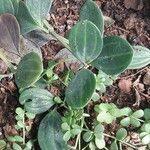
Peperomia hoffmannii
Description
Source: leafsnapPeperomia plants belong to an exquisite genus of tropical plants having natural populations in Mexico, South America, and the Caribbean. The thick, meaty leaves of these hardy plants, of which there are over 1,000 known varieties, aid in their resistance to drought and maintenance of vigor. If you've had trouble growing flowering houseplants, you'll appreciate the Peperomia's beautiful foliage. Its leaves can be huge, little, heart-shaped, smooth, rough, red, green, gray, or purple, and they can also be marbled, variegated, or solid. The Peperomia genus contains a wide variety of plants, many of which differ substantially in appearance, making it difficult to ascertain whether they are related.
Care Guide
💧 Water 1 to 2 times a week
☀️ Light Partial sun
Peperomia hoffmannii is naturally found in habitats like forest understories or rocky areas, where it grows in natural shade. It prefers partial sun but can adapt to full sun or full shade, showing its versatile, hardy nature.
🌡️ Temperature 20–37.8°C
Peperomia hoffmannii comes from tropical areas, where the climate is generally warm and humid. Therefore it is well suited to high temperatures and moisture. It does not tolerate sudden temperature shifts and prefers a steady thermal environment, so avoiding temperature fluctuations indoors is important. It typically cannot withstand cold and needs warmer conditions to grow. If the surrounding temperature falls too low, the plant may stop growing or even die.
💨 Humidity
🪴 Soil 5-6
🌱 Fertilizer
Proper fertilization is essential for Peperomia hoffmannii's health and appearance. Fertilize Peperomia hoffmannii in summer, applying fertilizer monthly throughout the season. Nutrients supply the fuel for growth and help maintain the plant's parts. Fertilization improves Peperomia hoffmannii's flowering display, ensuring the best blooms.
🪴 Pot & Repot 2-3 years
When repotting Peperomia hoffmannii, pick a pot 1-2 inches (2.5–5.1 cm) larger with good drainage. Use a well-draining potting mix. Repot in spring or fall, making sure the root ball sits slightly lower than the rim of the flower pot. Water thoroughly after repotting and keep the plant in a warm spot with indirect sunlight.
✂️ Pruning
Pruning can be used to control, alter, or train your Peperomia's growth pattern. By pruning your Hoffmannii, you can promote new development by removing the damaged and dead branches. Maintaining your plant's size in accordance with your preferences is also essential. Start by getting rid of any damaged or yellowing foliage.
🌿 Propagating
🐛 Diseases & pets
☠️ Toxicity
Pets and little children should stay away from Peperomia Hoffmannii even though it is not dangerous. You risk throwing up or having a swollen mouth if you consume any leaves. That peperomias is non-toxic and a plant that cats can tolerate, according to the ASPCA, is fantastic news. Horses are able to graze on them safely when used as ground cover. Animals such as cats and dogs like these plants.
Characteristics
- Plant Type
- Herb
- Life Cycle
- Perennial
- Genus
- Peperomia
- Family
- Piperaceae
- Hardiness Zone
- 10-12
- Mature Height
- 15 cm to 30 cm
- Mature Spread
- 20 cm to 30 cm
- Leaf Color
- Dark Green, Forest Green
- Leaf Type
- Evergreen
- Flower Size
- 0.20 cm to 0.25 cm
- Bloom Time
- All year round
- Planting Time
- Summer, Autumn
- Harvest Time
- All year round
- Native Area
- Colombia, Belize, Mexico, Guatemala, Peru, El Salvador, Costa Rica