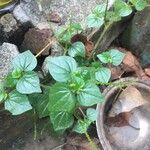
Peperomia pellucida
Shiny Bush · Sirih Cina · Pepper-elder · Rat-ear · Man-To-Man
Description
Source: leafsnapPeperomia pellucida, commonly known as the shining bush plant or silver bush plant, is a small herbaceous member of the Piperaceae family. Native to Central and South America, this plant is found in tropical regions worldwide. Peperomia pellucida has a unique appearance characterized by its small, heart-shaped leaves that are translucent and shiny. The leaves are usually green with silver or white veins running through them. The stems are also translucent with a reddish tint. This perennial plant grows up to 30 cm in height and thrives in moist soil conditions with partial shade or filtered sunlight. It can be cultivated both indoors and outdoors in warm climates. For centuries, indigenous people of South America have used Peperomia pellucida for medicinal purposes to treat ailments such as fever, coughs, headaches, and stomach pains, due to its anti-inflammatory properties. Overall, Peperomia pellucida is an attractive ornamental houseplant that requires minimal care, making it an ideal choice for beginners who want to add some greenery indoors without much hassle.
🌳 Pepper elder is commonly found in tropical herb gardens, but it also makes an excellent container plant. This annual is valued as an ornamental plant for its glossy green leaves, which add texture to gardens. Additionally, its trailing stems make it suitable for use as ground cover in shaded areas and flower gardens.
🎭 Fortune
Care Guide
💧 Water Every 7 days
Pepper elder thrives in warm, humid conditions similar to its tropical native habitat. To keep it healthy, water it twice a week and plant it in well-draining soil to prevent root rot. Its preference for consistent moisture and high humidity makes it ideal for indoor cultivation, where these conditions can be easily regulated.
What should I do if I give too much or too little water to my Pepper elder?
Underwatering Pepper elder is easily fixed by increasing the frequency of watering when you notice the plant is dry. However, overwatering can be more problematic, as it can lead to diseases that can harm or kill the plant. To avoid this, it is important to choose a suitable location for growing, with ample sunlight to dry the soil and good drainage to prevent water from pooling. If you overwater a potted Pepper elder, consider transferring it to a new pot with proper drainage and loose soil.
How frequently should I give water to my Pepper elder plant?
Pepper elder requires regular watering throughout the growing season. In spring, water once a week. As the season progresses and becomes hotter, increase watering to two to three times per week. Do not exceed this rate as it can harm the plant. Make sure the soil remains moist but not wet. Watering a Pepper elder in a pot is different. The soil in pots can dry out faster, so water a container-grown plant a few times per week, compared to just once per week for a plant in the ground.
How much water does my Pepper elder plant need?
Determining how much water to give your Pepper elder can be approached in a few different ways. Some gardeners prefer to assess the moisture level of the soil by feeling it, and will water until the top six inches feel moist. Another approach is to use a fixed measurement, such as watering with approximately two gallons per week, adjusting based on factors like temperature and how quickly the soil dries. However, following this guideline strictly may result in overwatering if your plant requires less water. When growing Pepper elder in a container, a different method is needed. It is recommended to water enough to moisten all layers of dry soil, which can be assessed by feeling the soil with your finger or observing a slight trickle of excess water from the drainage holes.
How can I know if I'm giving enough water to my Pepper elder plant?
Avoiding overwatering your Pepper elder can be a bit challenging. On one hand, these plants need weekly soil moisture due to their deep roots. On the other hand, Pepper elders are highly prone to root rot, which can cause browning. Underwatering is less likely to occur as these plants can survive without additional watering for some time. However, if you wait too long to water them, they may start to wilt and develop dry leaves.
How do I water my Pepper elder plant during each season?
As the season progresses, you can expect your Pepper elder to require more water. In the spring, watering once a week should be sufficient. However, when summer arrives and temperatures rise, you will likely need to water your Pepper elder more frequently, potentially up to three times a week. This is especially true if your Pepper elder is growing in a container, as the soil in containers tends to dry out faster in warm weather. As autumn arrives and the temperature decreases, your Pepper elder may need slightly less water, since the sun is not as strong and the plant is no longer in peak bloom.
☀️ Light Partial sun
Pepper elder prefers conditions like its native habitat, where sunlight is diffused. It does best in locations that get filtered light throughout the day. This hardy plant can also thrive in places with much lower light levels. Excessive light can hinder its growth and even harm it, while insufficient light can result in stunted growth and a weakened form.
What are the sunlight requirements for Pepper elder?
Pepper elder thrives when it aligns with its natural habitat, which often includes areas with diffused sunlight. It does best in environments that offer filtered light throughout the day, although it can also grow in less sunny conditions. However, both overexposure and insufficient light can harm the plant, affecting its growth and overall health. For indoor cultivation, when natural light is lacking, artificial lighting can be a beneficial supplement. This can include LED lights, which should be tailored to the specific needs of the plant regarding type, distance, and duration of exposure. Indoor plants may require different intensities of artificial light based on whether they prefer full sun, partial sun, or full shade conditions.
What are the symptoms of incorrect light exposure for Pepper elder?
When Pepper elder doesn't receive its ideal light conditions, several symptoms can emerge, particularly for plants grown indoors with inadequate light. These include smaller new leaves, leggy or sparse growth, premature leaf drop, halted growth, paler new leaves, and conditions such as chlorosis, sunscald, leaf curling, wilting, and leaf scorching. Chlorosis is characterized by a loss of green color and yellowing of the leaves, while sunscald appears as pale or necrotic spots on the plant tissue. Leaf curling helps minimize water loss, and wilting occurs when the plant can't maintain hydration due to excessive transpiration. Leaf scorching is seen as brown, dry edges on leaves due to too much sunlight.
How can you address light exposure issues for Pepper elder?
To optimize Pepper elder's growth in relation to light exposure, a gradual adjustment to sunlight is recommended. For indoor plants, it's advisable to shift them towards sunnier spots weekly until they receive 3-6 hours of direct sunlight daily. For plants that are too large or immovable, providing additional light through desk, ceiling lamps, or professional grow lights for at least 8 hours daily can help. Outdoors, gradually relocating your plants to sunnier spots allows them to adapt without the risk of sunburn. Reducing obstructions such as pruning nearby trees and translocating smaller plants during their dormant periods to more sunlit areas with good drainage is beneficial for ground-planted species. Note that parts of the plant previously affected by poor light may not recover, but new growth should be healthy following these adjustments.
What general advice is given for monitoring sunlight in your garden relevant to Pepper elder's needs?
Monitoring how sunlight moves through your garden is crucial in choosing the right spots for your plants, including Pepper elder, ensuring they receive the optimal balance of light and shade. This involves understanding the specific light requirements of your plants, such as Pepper elder needing filtered light, and observing the areas in your garden that meet these conditions. Making adjustments based on the plant's response to its light exposure is also key to promoting its health and growth.
🌡️ Temperature 20–37.8°C
The pepper elder originates from tropical regions and prefers temperatures between 68 and 100 °F (20 and 38 °C). It can tolerate slightly cooler conditions in winter but should not be exposed to temperatures below 50 °F (10 °C).
What is the native region and preferred temperature range for Pepper Elder?
Pepper Elder, botanically known as Peperomia pellucida, is native to tropical regions. It flourishes in a temperature range between 68 to 100°F (20 to 38°C). Although it can adapt to slightly cooler temperatures during winter, it is crucial to ensure that the plant is not exposed to temperatures below 50°F (10°C) as it is extremely heat-loving. Temperatures nearing 0°C can be detrimental, thus maintaining temperatures above 20°C during winter is advantageous for the plant's growth. To protect the plant from cold, it is recommended to bring it indoors during autumn and place it near a bright window, while avoiding direct contact with heaters to prevent harm.
How does low temperature affect Pepper Elder and what are the remedies?
Pepper Elder thrives in warm temperatures and does not fare well in cold. Ideally, the temperature should remain above 20°C, especially during winter, and never drop below 0°C. Exposure to temperatures below -5°C can result in discoloration of the leaves, turning them lighter, and after frost damage, leaves gradually turn brown or black, showing symptoms like wilting and drooping. To mitigate the effects of low temperature, it's imperative to trim off the frost-damaged parts and immediately relocate the plant to a warmer setting indoors. Positioning the plant near a south-facing window ensures ample sunlight without the risks accompanying close proximity to heaters or air conditioning vents, which can cause the air to become excessively dry and further harm the plant.
How does high temperature affect Pepper Elder and what measures should be taken?
During the summer, it is critical to maintain the temperature around Pepper Elder below 38°C to prevent stress from high heat. Temperatures above 43°C may cause the leaves to lighten in color and increase the risk of sunburn. To address high-temperature stress, it's advisable to trim away the sunburned and dried parts of the plant, and relocate it to a spot that offers protection from the harsh midday and afternoon sun. Additionally, to ensure the plant remains hydrated, watering in the morning and evening can help keep the soil adequately moist.
💨 Humidity high (>60%)
This plant needs special care because it loves high humidity levels of 60-80% or more. The best way to achieve this is by placing a humidifier near the plant. Daily misting is also essential! Make sure the room has good ventilation.
🪴 Soil 6-7
🌱 Fertilizer
Pepper elder responds well to regular, light applications of fertilizer to encourage healthy leaf development. You should feed Pepper elder about once a month during the summer months. Nitrogen is important for foliage, and adding nitrogen-rich sources helps Pepper elder thrive.
🪴 Pot & Repot
When repotting Pepper elder, choose a pot about 1-2 inches (2.5–5.1 cm) larger in diameter that provides good drainage. Use a well-draining potting mix and consider adding perlite for extra drainage. Repot in spring or early summer, water thoroughly afterward, and place it in a shady spot at first.
✂️ Pruning
Lightly pruning your peperomias will encourage new and lush growth
🌿 Propagating
🐛 Diseases & pets
☠️ Toxicity
Peperomias are non-toxic to humans and pets.
Characteristics
- Plant Type
- Herb
- Life Cycle
- Annual
- Genus
- Peperomia
- Family
- Piperaceae
- Hardiness Zone
- 9-12
- Mature Height
- 15 cm to 46 cm
- Mature Spread
- 20 cm
- Leaf Color
- Green
- Leaf Type
- Deciduous
- Flower Color
- Green, Yellow
- Flower Size
- 2.54 cm
- Bloom Time
- All year round
- Planting Time
- Spring
- Harvest Time
- All year round
- Native Area
- Burkina Faso, Somalia, Belize, Angola, Mexico, Rwanda, Eritrea, Nigeria, Yemen, Kenya, Uganda, Tanzania, Zimbabwe, Jamaica, Guinea-Bissau, Benin, Cuba, Sierra Leone, Equatorial Guinea, Cameroon, Liberia, Mozambique, Venezuela, Burundi, Brazil, Oman, Ghana, Ethiopia, Congo, Central African Republic, Malawi, Honduras, Peru, Zambia, Guinea, Panama, Colombia, Bolivia, Togo, El Salvador, Senegal, Nicaragua, Guyana, Ecuador, Côte d'Ivoire, Costa Rica, Congo (DRC), Gabon