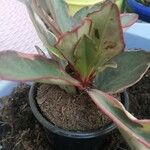
Peperomia tricolor
Peperomia Ginny
Description
Source: leafsnapThe name peperomia may not roll off the tongue, but you could get lost in this wonderful genus of tropical plants: there are more than 1,000 known species, all with thick, fleshy leaves that contribute to their drought tolerance and vigor. If you haven't experienced much luck with flowering houseplants, you will appreciate that the peperomia sports foliage that is highly ornamental in its own right. Leaves may be textured or smooth; red, green, gray, or purple; variegated, marbled, or solid; large, heart-shaped, or tiny. Plants throughout the peperomia genus may look so different from one to the next, that it's difficult to discern if they are even related, but one thing all peperomia plants have in common is that they are slow-growing and low maintenance.
Care Guide
💧 Water Every 7-10 days
The succulent leaves of peperomia plants indicate that the plants don't need frequent watering to maintain vigor. Allow the surface of the soil to dry out between waterings. Keeping the peperomia on the dry side is better than saturating it, which leads to root rot and fungus gnat problems.
☀️ Light Partial sun
Red edge peperomia comes from habitats with dappled light, like the understory of forests or rocky locations that offer natural shade. It favors partial sun but can also tolerate full sun.
🌡️ Temperature 20–37.8°C
Red edge peperomia grows best in warm conditions and needs elevated temperatures during the growing season to stimulate growth and metabolic activity. It prefers plenty of light, proper moisture, and good air circulation. However, it can be harmed by very low temperatures and by overwatering. It's essential to maintain a balance and avoid both excessively high heat and overly dry conditions.
💨 Humidity
🪴 Soil 6-7
🌱 Fertilizer
For Red edge peperomia, small amounts of fertilizer once or twice a year during the growing season are adequate. Avoid fertilizing in winter and in summer when the plant is dormant. Reduce fertilization for plants that have been repotted and wait a couple of months after repotting before you start feeding. Fertilizing promotes healthy growth and helps produce blooms.
🪴 Pot & Repot Every 2 years
When repotting Red edge peperomia, choose a pot slightly larger than the existing one with good drainage. Use a gritty, well-draining succulent or cactus mix. Carefully remove the plant from its old pot, dust off excess soil, and set it in at the same depth. Wait a few days before watering to allow any root damage to heal. Repot in spring or fall and place it in a brightly lit area.
✂️ Pruning
Lightly pruning your peperomias will encourage new and lush growth
🌿 Propagating
🐛 Diseases & pets
☠️ Toxicity
Peperomias are non-toxic to humans and pets.
Characteristics
- Plant Type
- Herb, Succulent
- Life Cycle
- Perennial
- Genus
- Peperomia
- Family
- Piperaceae
- Hardiness Zone
- 10-12
- Mature Height
- 15 cm to 30 cm
- Mature Spread
- 20 cm to 30 cm
- Leaf Color
- Dark Green, Pink, White
- Leaf Type
- Evergreen
- Flower Size
- 5.08 cm to 7.62 cm
- Bloom Time
- All year round
- Planting Time
- Spring, Summer, Autumn
- Harvest Time
- All year round
- Native Area
- Peru