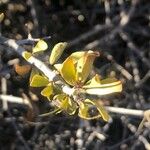
Periploca laevigata
Cornicabra
Description
Source: leafsnapPeriploca laevigata is a species of flowering plant in the family Apocynaceae, native to the Canary Islands, the Savage Islands and Cape Verde.The species was described by William Aiton and was published in Hortus Kewensis in 1789. Its Spanish names are cornicabra or cornica. "Cornicabra" means goat horn.
Care Guide
💧 Water
Silkvine is known for its impressive ability to withstand drought, thriving in dry conditions with watering needed only every 2-3 weeks. As an evergreen plant, it keeps its leaves throughout the year and requires regular watering, even during its dormant period.
How should I water my Silkvine plant?
To ensure excellent root development, place a garden hose at the base of your plant. Avoid spraying the leaves directly, especially if they are outdoors and exposed to direct sunlight, as they will need more water. You can also use bubblers or soaker hoses to moisten the roots. When adding or removing plants, use soaker hoses to cover the entire garden bed to encourage deep root growth. Make sure to drain any excess water and wait for the soil to dry before watering again. Watering at ground level will help prevent diseases. On sunny days, consider spraying the entire bush with water. Whether your plant is potted or in the ground, it's best to give Silkvine deep watering rather than light sprinkling.
What should I do if I give Silkvine too much or too little water?
If a Silkvine is overwatered, its leaves may turn yellow, drop off, and wilt. The plant may also appear dull and unhealthy, exhibiting mushy stems. When these signs start to show, it's important to adjust your watering schedule accordingly. Conversely, wilting can also indicate under watering, with leaves becoming crispy and dry. In such cases, check the soil to ensure it is dry and provide a thorough watering as necessary. Although sufficient water will help the Silkvine recover, it may still exhibit dryness and yellowing leaves for a few days due to root damage. Once it returns to normal, the yellowing of leaves will cease. When keeping a Silkvine indoors, always monitor the moisture levels in the pot and avoid overwatering. Look out for black spots on the plant, and if present, allow the soil to dry out by refraining from watering for a few days. Overwatering can lead to root rot, so transfer the plant to a different pot if you notice discolored and slimy roots. Preventing root rot is crucial, so avoid excessively soggy soil. Lastly, when planting a Silkvine outdoors, dig a bit deeper. If the soil feels excessively dry when you check with your fingers, it may indicate underwatering, requiring adequate watering to support the plant's recovery.
How frequently should I water my Silkvine?
The Silkvine plant prefers deep and infrequent watering. This is especially important if they are planted in pots, as the limited water storage in pots causes the soil to dry out faster. In cold regions, watering is needed every 3 to 5 days, preferably in the morning when the soil is dry. You can check if watering is necessary by examining the soil - if the top 2-3 inches are dry, it's time to water the plant thoroughly. During hot days, it's a good idea to check the moisture levels daily, as the heat can quickly dry out the soil in the pot. If you have a garden, you'll also need to irrigate the soil. In hot climates, watering once a week should suffice, as long as you wait until about 2-3 inches of soil become too dry. Be mindful of rainfall - if there is already a lot of rainwater, you may not need to water the plants additionally to prevent root rot. Silkvine plants typically grow during spring and fall. If they are outdoors, adding a 3-4 inch layer of mulch can help conserve water. The watering frequency should be increased in sandy soil, which drains faster. On the other hand, clay soil requires less frequent watering, with intervals of 2-3 days to allow the plant to dry out and prevent root rot. Keeping track of when you water the plants and watching for drooping leaves can help ensure you stay on schedule.
How much water should I give my Silkvine plant?
The Silkvine plant generally needs about a gallon of water on a regular basis. For potted plants, it's best to water them deeply until you see water dripping from the bottom of the pot. After that, wait for the soil to dry before watering them again. You can use a water calculator or moisture meter to determine how much water you've given the plant in a week. During the flowering period, make sure to provide plenty of water but allow the moisture to evaporate afterwards to prevent root rot. If you have planted the Silkvine outdoors and there is sufficient rainfall, you may not need to water it additionally. However, when the Silkvine is young or newly planted, ensure it receives 1-2 inches of rain per week. As the Silkvine grows, it can mainly rely on rainfall. Only in very hot weather or if there is no rainfall for 2-3 weeks, consider giving the Silkvine a full watering during the cooler part of the day to prevent damage from high heat. Additional watering will be necessary during prolonged dry periods.
Do I need to change how often I water my Silkvine based on the time of year or the weather?
The Silkvine is an outdoor plant that needs rainwater, but you may need to water it during dry weather. In the spring and fall, keep the soil moist but not soggy. Alternating between dry and moist soil conditions is best for the Silkvine's growth. In the summer, hot weather can cause water to evaporate quickly, so water more often if there is no rainfall. During winter, water less as the Silkvine goes dormant. Use well-draining soil and terracotta pots to help with water evaporation. Once the plant starts leafing out in the spring, you can rely on rainwater for its needs. Good drainage is essential, especially in winter. In pots, the Silkvine has limited root growth, so water them well in the summer. Deep soak the roots once or twice a week, avoiding shallow sprinkles. Don't let the plants dry out completely in fall or winter, even in dormancy. Avoid waterlogging the plants as they don't like sitting in water for too long. Use mulch to reduce stress, conserve water, and promote healthy blooms.
☀️ Light Full sun
Silkvine is native to open habitats, such as sunny meadows and forest margins, where light is plentiful. It performs best in full sun but will also tolerate partial sun, adapting well to different light conditions.
🌡️ Temperature 20–37.8°C
Silkvine adapts well to temperature, tolerating higher heat and large temperature swings. In hot weather, attention should be paid to watering and providing suitable shade to prevent sunburn. Conversely, Silkvine has relatively limited cold tolerance; while it can handle some cold, excessively low temperatures can cause frost damage.
What is the botanic name of Silkvine?
The botanic name of Silkvine is Periploca laevigata. This detail highlights the scientific classification that helps in accurately identifying the plant, distinguishing it from others.
💨 Humidity
🪴 Soil 6-7
🌱 Fertilizer
Timing is important for fertilizing Silkvine. Apply fertilizer in early spring and continue monthly until early summer. Fertilizer encourages lovely blooms and supplies energy during both dormant and active growth phases.
🪴 Pot & Repot
✂️ Pruning
The evergreen climber, silkvine, is known for its twining stems and tubular flowers. To keep it healthy, prune it in early spring by removing dead growth and thinning out crowded areas to improve air circulation. Light pruning helps maintain the plant’s natural shape, promotes vigor, enhances flowering, and reduces the risk of disease, offering several benefits to gardeners.
🌿 Propagating
🐛 Diseases & pets
☠️ Toxicity
Characteristics
- Plant Type
- Shrub
- Life Cycle
- Perennial
- Genus
- Periploca
- Family
- Apocynaceae
- Hardiness Zone
- 11
- Mature Height
- 2.13 m
- Mature Spread
- 0.91 m to 2.13 m
- Leaf Color
- Green
- Leaf Type
- Deciduous
- Flower Color
- Lavender, Purple
- Flower Size
- 2.54 cm to 7.62 cm
- Bloom Time
- Mid spring, Late spring, Early summer
- Planting Time
- Spring, Autumn
- Harvest Time
- Mid summer, Late summer, Early fall
- Native Area
- Libya, Egypt, Tunisia, Syria, Italy, Spain, Mauritania, Algeria, Greece, Morocco