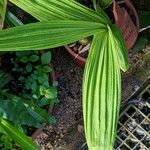
Peristeria elata
Dove orchid · Holy Ghost · Holy Ghost Orchid
Description
Source: leafsnapPeristeria elata is a species of orchid occurring from Central America to Panamá, Venezuela, and Ecuador. It is the type species of its genus. It is commonly referred to as the Holy Ghost orchid, dove orchid, or flower of the Holy Spirit in English, and, as the flor del Espiritu Santo in Spanish.
Care Guide
💧 Water
The Holy Ghost orchid, native to the humid environments of Central America, thrives in conditions with high moisture. To replicate its natural habitat, it requires weekly watering, which simulates natural rainfall. In addition, regular misting helps maintain the surrounding humidity, encouraging lush growth and vibrant flowering. Although this orchid needs moisture, it also demonstrates some drought tolerance, thanks to adaptations developed in its natural habitat.
☀️ Light Partial sun
The holy ghost orchid prefers climates where sunlight touches it gently rather than continuously throughout the day. In its natural habitat, this orchid flourishes in the filtered light beneath the forest canopy. Too little or too much light can negatively affect its growth and flowering.
What are the sunlight requirements for a Holy ghost orchid?
The Holy ghost orchid thrives in conditions where it receives partial sun, about 3-6 hours of sunlight daily. It prefers climates with gentle sun rays and thrives under the filtered light of the forest canopy, mimicking its natural habitat. Excessive or insufficient exposure to light can negatively impact its growth and blooming. Therefore, it's important to observe the movement of sunlight through your garden to find the ideal balance of light and shade, ensuring the orchid's well-being.
How can artificial lighting benefit indoor Holy ghost orchids?
Indoor Holy ghost orchids require adequate lighting for optimal growth, especially when natural sunlight is insufficient, such as in winter or less sunny spaces. Artificial lights, like LED, are beneficial because they can be customized to provide specific wavelengths necessary for the plant's growth. The right type of artificial light should be chosen based on the plant's needs: full sun plants need 30-50W/sq ft, partial sun plants 20-30W/sq ft, and full shade plants 10-20W/sq ft. The light source should be placed 12-36 inches above the plant for 8-12 hours per day to mimic natural sunlight effectively.
What are the signs of insufficient light in Holy ghost orchids, and how can it affect them?
When Holy ghost orchids receive inadequate light, several symptoms may indicate light deficiency. These include smaller new leaves, leggy or sparse growth, faster leaf drop, and slower or halted new growth. Leaves may develop irregular color patterns, become paler, indicating a lack of chlorophyll. Chlorosis, or the yellowing of leaves, sunscald, leaf curling, wilting, and leaf scorching are also common signs that point to excessive sunlight exposure or insufficient light, affecting the plant's ability to photosynthesize and maintain healthy growth.
What steps can be taken to optimize light conditions for Holy ghost orchids both indoors and outdoors?
To optimize light conditions for Holy ghost orchids, gradually adapt them to changing light conditions by shifting them to increasingly sunnier spots each week until they receive the necessary 3-6 hours of direct sunlight. For indoor plants that are large or not easily movable, consider using artificial light, keeping a desk or ceiling lamp on for at least 8 hours daily, or invest in professional plant grow lights. Outdoor plants should be moved gradually to avoid sunburn from sudden changes in light intensity. Additionally, reducing obstructions like pruning branches of trees can increase sunlight access. For smaller plants, transplanting during the dormant period to a location with ample sunlight and good drainage is advisable. Note that parts of the plant affected by insufficient sunlight may not recover, but new growth will be healthy after adjusting light exposure.
🌡️ Temperature 20–37.8°C
Holy ghost orchid thrives in warm conditions. It prefers moderately high temperatures but not extreme heat and humidity. Sunlight helps warm the plant and encourages it to bloom. However, long periods of direct sun in summer can cause sunburn, so it's important to limit how much sun it gets during that season. The plant typically does not tolerate cold well, so it needs proper protection and warmer conditions in winter to avoid freezing.
What is the Holy Ghost Orchid?
The Holy Ghost Orchid, botanically known as Peristeria elata, is a notable flower but there seems to be no detailed information provided about its essentials, care, or symptoms of poor health here. Typically, the Holy Ghost Orchid is admired for its distinctive shape and spiritual symbolism, often sought by orchid enthusiasts and cultivated in specific conditions to maintain its beauty and health.
💨 Humidity high (>60%)
This plant needs special care because it loves high humidity levels of 60-80% or more. The best way to achieve this is by placing a humidifier near the plant. Daily misting is also essential! Make sure the room has good ventilation.
🪴 Soil 5-6
🌱 Fertilizer
Proper fertilization is essential for the health and appearance of the Holy ghost orchid. Fertilize the Holy ghost orchid in summer, repeating the application monthly throughout the season. Nutrients support growth and the maintenance of the plant's parts. Fertilization improves the Holy ghost orchid's floral display, ensuring the best blooms.
🪴 Pot & Repot
When you repot a Holy ghost orchid, select a pot that is only slightly larger and has good drainage, ideally a clear orchid pot. Use a well-draining, orchid-specific growing medium that includes bark or moss. Carefully clean the roots and remove any that are dead or rotting. Repot after it flowers, typically in spring or fall, water thoroughly, and place it in bright, indirect light. Once repotted, avoid disturbing the roots.
✂️ Pruning
To help your Holy Ghost orchid thrive, it's important to prune it carefully, ideally between late winter and early spring. Start by removing any dead stems and trimming overgrown areas. This will improve air circulation and help prevent pests. Be sure to sterilize your tools before use to prevent infections. This promotes overall health and encourages robust blooms during the flowering season.
🌿 Propagating
🐛 Diseases & pets
☠️ Toxicity
Characteristics
- Plant Type
- Herb
- Life Cycle
- Perennial
- Genus
- Peristeria
- Family
- Orchidaceae
- Hardiness Zone
- 10-12
- Mature Height
- 46 cm to 52 cm
- Mature Spread
- 30 cm to 61 cm
- Leaf Color
- Green
- Leaf Type
- Evergreen
- Flower Color
- White
- Flower Size
- 2.54 cm to 5.08 cm
- Bloom Time
- Summer, Early fall, Mid fall
- Planting Time
- Spring, Summer, Autumn
- Harvest Time
- Fall, Early winter, Mid winter
- Native Area
- Colombia, Venezuela, El Salvador, Costa Rica, Panama