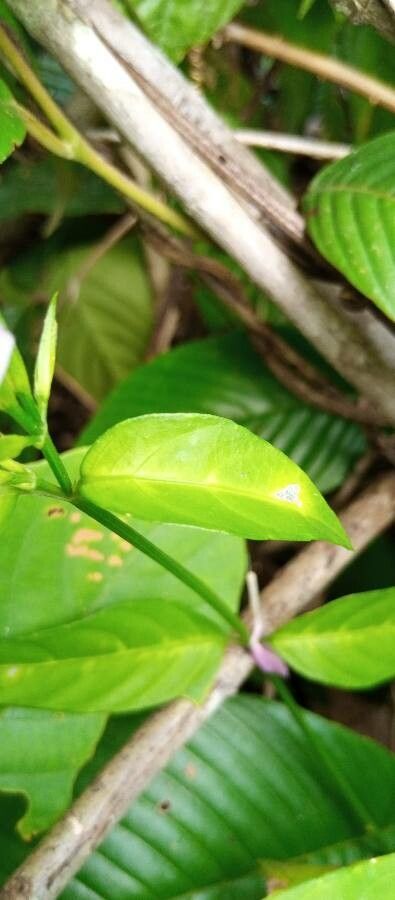
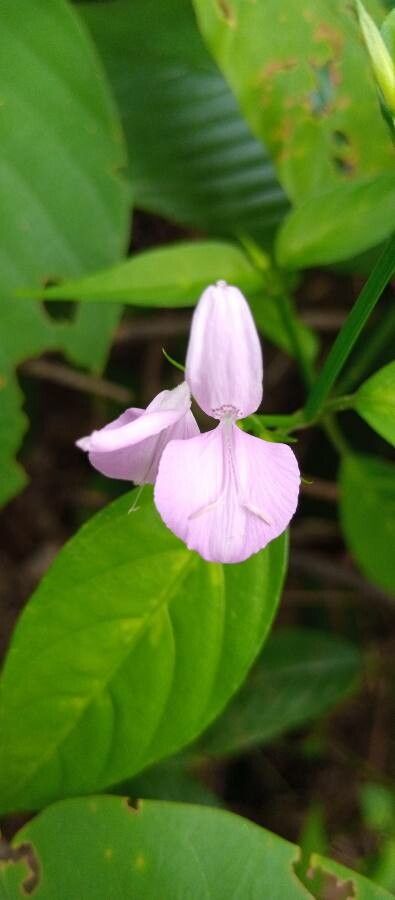
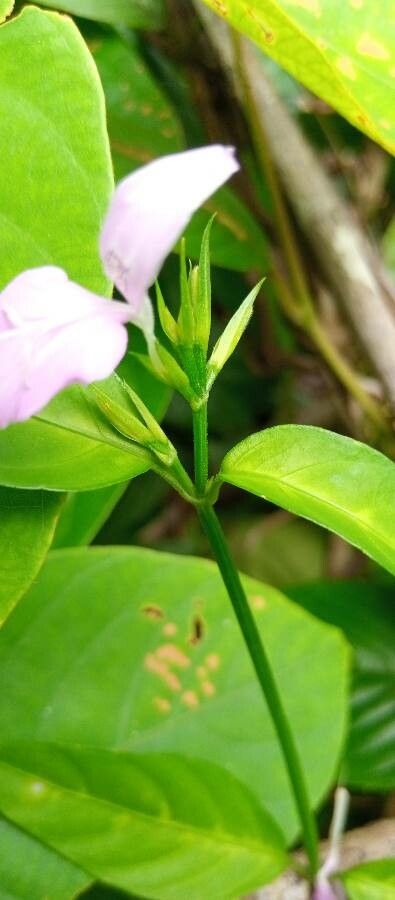
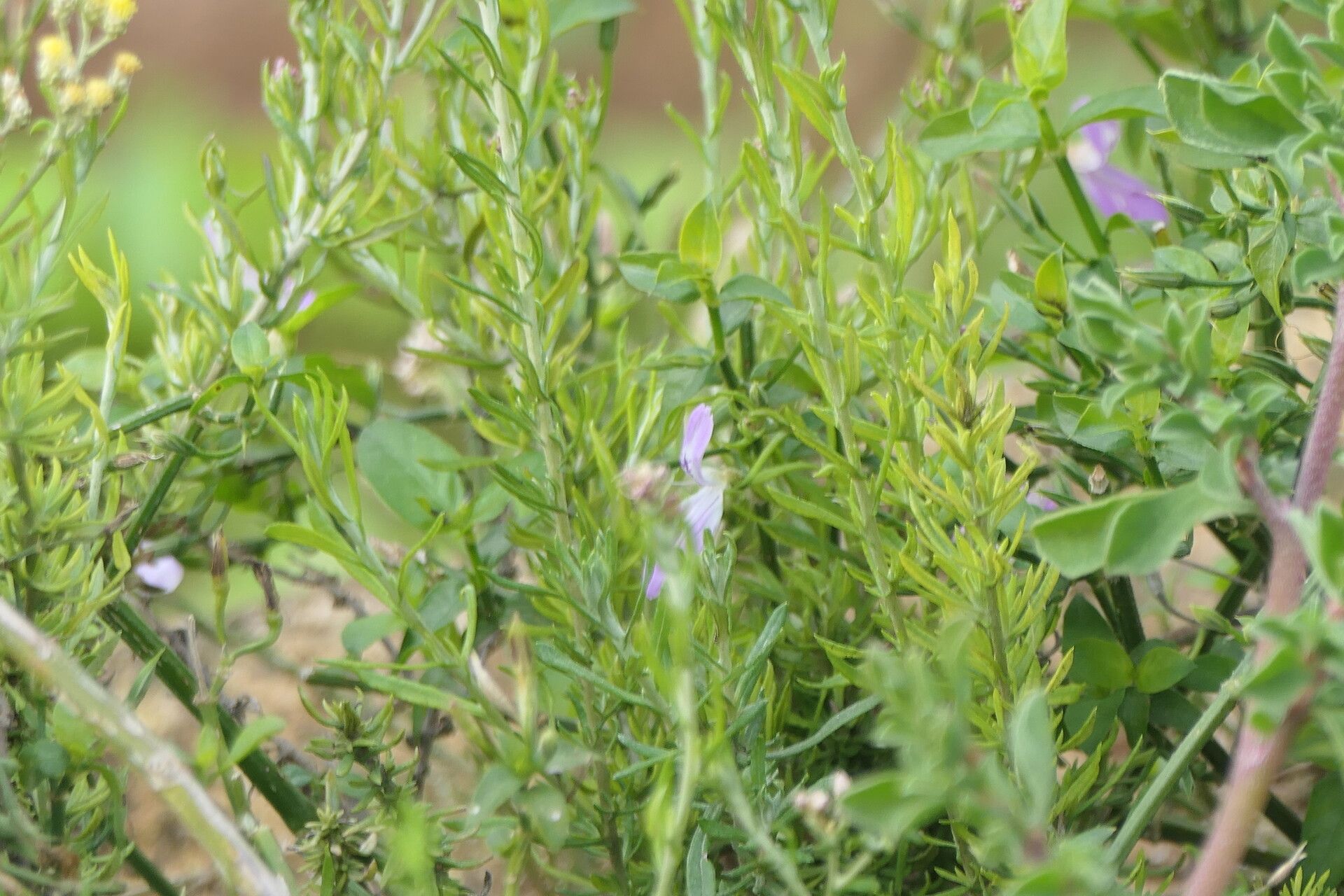
Dicliptera tinctoria is the accepted name of a species in the family Acanthaceae (previously described here as the synonyms Peristrophe bivalvis (L.) Merr. and P. roxburghiana). It may be called magenta plant, or lá cẩm in Vietnamese and native to southeastern Asia from Assam south to Sri Lanka and east to mainland Southeast Asia, Java, southern China, and Taiwan.
The magenta plant has good disease resistance and is usually not prone to illnesses. Nevertheless, it can be affected by pests and diseases present in its environment. These problems are generally mild. In terms of care, this plant requires moderate maintenance. It should be pruned regularly to preserve a neat appearance and encourage healthy growth. Fertilizing can also help stimulate flowering. The magenta plant is suitable for anyone with outdoor space, such as a garden or patio, and does not need extensive care experience. It may demand more attention when grown indoors.
How to keep Peristrophe Bivalvis.
Light
The magenta plant is native to habitats such as forest understories and rocky areas, where it occurs in natural shade. It prefers partial sun but can adapt to full sun or full shade, showing its versatile and hardy nature.
Temperature
Magenta plant comes from tropical regions, where the climate is generally warm and humid. As a result, it is well adapted to high temperatures and humidity. It does not tolerate sudden temperature changes and prefers a stable temperature environment, so it is important to prevent temperature fluctuations indoors. It usually cannot withstand cold temperatures and needs higher temperatures to grow. If the surrounding temperature falls too low, the plant may stop growing or even die.
Fertilizer
Correct fertilization is essential for the Magenta plant's health and appearance. Fertilize the Magenta plant in summer, repeating the treatment monthly throughout the season. Nutrients drive growth and preserve the plant's parts. Fertilization boosts the Magenta plant's flower display, ensuring the best blooms.
Botanical profile.
- Plant Type
- Herb
- Life Cycle
- Perennial
- Genus
- Peristrophe
- Family
- Acanthaceae
- Hardiness Zone
- 9-11
- Mature Height
- 30 cm to 91 cm
- Mature Spread
- 20 cm to 40 cm
- Leaf Color
- Green
- Leaf Type
- Semi-evergreen
- Flower Color
- Red, Purple
- Flower Size
- 1.02 cm to 2.03 cm
- Bloom Time
- Summer, Early fall, Mid fall
- Planting Time
- Spring, Autumn
- Harvest Time
- Late summer, Fall, Early winter
- Native Area
- Cambodia, Myanmar, Malaysia