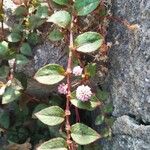
Persicaria capitata
Pink-headed Knotweed · Japanese knotweed · Pink-headed persicaria · Pinkhead smartweed · Pink knotweed
Description
Source: leafsnapPersicaria capitata, the pink-headed persicaria, pinkhead smartweed, pink knotweed, Japanese knotweed, or pink bubble persicaria, is an Asian species of plants in the genus Persicaria within the buckwheat family. It is native to Asia (China, Indian Subcontinent, Indochina) and grown as an ornamental in other countries. It has become naturalized in Australia, South Africa and a few scattered locations in the United States.
💡 Pink knotweed serves as an attractive ground cover, but it spreads rapidly. In colder climates, it can be treated as an annual since it dies off once temperatures remain consistently below freezing. However, in warmer regions, this plant can become a noxious and invasive weed, crowding out existing vegetation and proving very difficult to eradicate.
🌳 Pink knotweed is a low-growing creeper and a prolific bloomer, making it an excellent choice for the front of flower beds and borders. It can also be used as a flowering ground cover. Pink knotweed thrives when planted among rocks, making it an ideal addition to rock gardens.
🎭 Mountain of pure affection: you are aspiring,
Care Guide
💧 Water
Pink knotweed thrives in humid environments and prefers consistent moisture, ideally with weekly watering. Although it can tolerate moderate drought, regular hydration and high humidity help it flourish. Its efficient water retention allows it to adapt to temperate climates with varying rainfall patterns.
How should I water my Pink knotweed?
To properly water the Pink knotweed, use filtered water at room temperature. Tap water may have harmful particles, so it is best to avoid using it. Since the Pink knotweed is adapted to warm environments, use water that is at room temperature or slightly warmer to avoid shocking the plant. Do not water the plant from above, as this can cause problems with the foliage. Instead, water the soil directly with filtered water until it is completely soaked. This helps to keep the roots moist, aiding their spread in the soil and ensuring they receive the necessary nutrients.
What should I do if I give my Pink knotweed too much or too little water?
Overwatering is a common issue that can harm your Pink knotweed, while underwatering is less common. When the plant receives too much water, its stems and leaves may wilt and turn yellow. Overwatering for a long time can cause diseases like root rot, mold, and mildew, which can kill your plant. On the other hand, underwatering is rare for Pink knotweed because the plant can tolerate drought. However, if it does happen, you will notice brittle and brown leaves. To care for your Pink knotweed, it's important to spot signs of overwatering early. Some diseases, such as root rot, cannot be fixed if you wait too long. If you notice early signs, reduce watering and check the soil quality. If the soil drains poorly, replace it with a loose, well-draining mix. If you see signs of underwatering, simply water more regularly until the signs improve.
How often should I water my Pink knotweed plant?
If your Pink knotweed is in a pot, the most precise way to check if it needs water is by probing the soil with your finger. If the top two to three inches of soil feel dry, then it's time to water it. If you're growing Pink knotweed outdoors in the ground, you can use the same method to test the soil. Once the top few inches of soil have dried out, it's time to water. In spring and early fall, watering once a week is often sufficient. However, during extremely hot weather, you may need to water it twice or more per week. It's worth noting that mature, well-established Pink knotweed plants have a remarkable drought tolerance.
How much water does my Pink knotweed plant need?
When watering your Pink knotweed, make sure to give it a generous amount of water. Wait until the top two to three inches of soil are dry, then water the plant thoroughly so that the soil is completely soaked. It's important to add enough water so that excess water drains out of the pot through the drainage holes at the bottom. If you don't see any excess water draining, it means you haven't watered enough. However, be cautious not to let water accumulate in the soil, as this can harm the plant. If there's no water draining through the pot, it may indicate that the soil doesn't drain well, which is not good for the plant's health. If the plant is outdoors, about 1 inch of rain per week will be sufficient.
What is the best way to water my Pink knotweed at different stages of growth?
The water needs of the Pink knotweed can vary depending on its growth stages. In the first few years or after transplanting, extra water is required as the plant focuses on growing new roots for future development. These new roots perform best with a bit more moisture. As the plant matures, it will require less water. Additionally, during the bloom period, the Pink knotweed may need more water due to the significant amount of moisture used in flower development.
☀️ Light Full sun
Pink knotweed prefers plentiful sunlight but can tolerate locations with less light. With optimal sun exposure it can maintain healthy growth. Excessive sunlight can damage the plant, just as insufficient sunlight can. Coming from habitats with abundant sun, its light requirements do not change through its different growth stages.
What are the sunlight requirements for Pink knotweed?
Pink knotweed thrives with abundant sunlight, requiring above 6 hours of sunlight daily for optimal growth, although it can adapt to environments with less sunlight. It originates from habitats rich in sunlight, and this requirement stays consistent through its various growth stages. The plant demonstrates a capability to maintain healthy growth when exposed to optimal sunlight levels, but like all plants, it can suffer from both overexposure and underexposure to sunlight.
What should I do if natural sunlight is insufficient for my Pink knotweed?
If your Pink knotweed isn't receiving enough natural sunlight, especially during winter or in less sunny spaces, artificial lighting can be an effective solution. Indoor plants benefit significantly from the right type of artificial light, such as LED lights, which can be tailored to provide specific wavelengths. Full sun plants need 30-50W per square foot, partial sun plants 20-30W per square foot, and full shade plants 10-20W per square foot. The artificial light source should be placed 12-36 inches above the plant to mimic natural sunlight conditions, and the duration should match the natural daylight hours required by the plant species, typically 8-12 hours per day.
What are the warning signs of inadequate sunlight for Pink knotweed?
Warning signs of inadequate sunlight in Pink knotweed include the growth of smaller new leaves compared to older ones, a leggy or sparse appearance due to longer spaces between leaves or stems, faster leaf drop as the plant conserves resources, delayed growth or a complete halt in new leaf production, and symptoms of chlorosis or sunscald. Chlorosis involves the yellowing of leaves due to chlorophyll breakdown, while sunscald describes damage from intense sunlight exposure, evident as pale or necrotic spots on plant tissue. Leaf curling, wilting, and leaf scorching are also indicators of poor sunlight adaptation, reflecting the plant's struggle with overexposure or inadequate hydration.
How can I address sunlight-related issues for my indoor and outdoor Pink knotweed?
To combat sunlight-related issues in Pink knotweed, gradually acclimate your plant to increased sunlight exposure. For indoor plants, move them weekly towards a sunnier spot until they receive at least 6 hours of direct sunlight, preferably from a south-facing window. If the plant is large, consider supplementing with artificial light, keeping a lamp on for a minimum of 8 hours daily. Outdoor plants also benefit from gradual relocation to sunnier locations to prevent sunburn. If obstructions like trees block sunlight, prune them to improve light access. For smaller plants, consider transplanting during their dormant period to a brighter location with good drainage, ensuring a smooth transition to a healthier growth environment.
🌡️ Temperature 5–35°C
Pink knotweed adapts well to temperature, tolerating high heat and considerable temperature fluctuations. In hot weather, attention should be paid to watering and providing appropriate shade to prevent sunburn. Conversely, Pink knotweed is relatively sensitive to low temperatures. While it can endure some cold, excessively low temperatures can cause frost damage.
💨 Humidity
🪴 Soil 6-7
🌱 Fertilizer
The best time to fertilize a Pink knotweed is in early spring, when it is coming out of dormancy and starting active growth. Fertilization supplies essential nutrients for healthy development. Although Pink knotweed has fairly low fertilizer needs, an annual application can improve its survival and encourage better, longer-lasting flowers.
Why do I have to add fertilizer to my Pink knotweed plant?
Fertilization plays a crucial role in supporting the growth of Pink knotweed and other plants. It provides essential nutrients for both above-ground and below-ground development. While the overall fertilization requirements for Pink knotweed are relatively low, annual fertilization can greatly benefit the plant. It ensures the plant's survival and promotes the production of improved and long-lasting flowers. Therefore, those who want their Pink knotweed to thrive should prioritize annual fertilization.
When should I fertilize my Pink knotweed?
To ensure the best growth for your Pink knotweed, it's recommended to fertilize it in late winter to early spring when it's transitioning from dormancy to active growth. Fertilizing at this time will promote healthy growth and give the plant a great start for the season. While early spring is generally the most advantageous time for fertilization, it's also acceptable to fertilize in the fall. However, it's not advisable to feed the Pink knotweed in summer or winter.
When is it best to not add fertilizer to my Pink knotweed?
To ensure proper care of your Pink knotweed, it is recommended to fertilize during late winter and early spring. This plant has low fertilization needs, so a single annual feeding is sufficient. Fertilizing during spring, summer, and fall can lead to overfertilization and complications, except if you missed fertilizing in spring, then it is acceptable to feed it in fall. Additionally, there is no need to fertilize during winter when the Pink knotweed is in a dormant growth phase and does not put forth new growth. Thus, it is not advisable to fertilize during most of the winter.
What kind of fertilizer does my Pink knotweed require?
To help your Pink knotweed thrive, use any general-purpose fertilizer that contains a balanced amount of the three main plant nutrients. However, certain nutrient blends can be even more beneficial. Many gardeners believe that higher levels of phosphorus lead to stronger roots and better flowers. Since Pink knotweed is a flowering plant, it may be wise to use a phosphorus-rich fertilizer. Whether in granular or liquid form, as long as there are sufficient nutrients, either option will work. In addition to manufactured fertilizers, you can improve the soil for your Pink knotweed using organic methods. Compost, manure, and similar materials can greatly contribute to creating a healthy growing environment for your Pink knotweed.
How can I give my Pink knotweed plant the necessary nutrients?
To fertilize a Pink knotweed, the most common method is to apply a granular or pellet fertilizer to the soil around the plant. It is important to fertilize when the plant is transitioning from its dormant winter phase to active growth, typically in early spring when shoots emerge from the soil. Alternatively, some people prefer using liquid fertilizer, which should be diluted with water before application. Regardless of the type of fertilizer used, it is recommended to moisten the soil before, during, and after fertilizing.
🪴 Pot & Repot
✂️ Pruning
Pink knotweed is a dense, mat-forming plant known for its pink flower spikes. To maintain its shape, encourage healthy growth, and improve airflow, it's best to prune the plant from early to late spring. Effective pruning techniques include cutting back leggy stems and removing damaged leaves. These practices help promote vigorous flowering and control the plant's spreading habit.
🌿 Propagating
🐛 Diseases & pets
☠️ Toxicity
Characteristics
- Plant Type
- Herb
- Life Cycle
- Perennial
- Genus
- Persicaria
- Family
- Polygonaceae
- Hardiness Zone
- 7-11
- Mature Height
- 5 cm to 49 cm
- Mature Spread
- 49 cm
- Leaf Color
- Green, Red, Variegated
- Leaf Type
- Deciduous
- Flower Color
- Pink
- Flower Size
- 0.76 cm to 1.78 cm
- Bloom Time
- Summer
- Planting Time
- Spring, Summer, Autumn
- Harvest Time
- Mid summer, Late summer, Early fall
- Native Area
- Nepal, Sri Lanka, India, Malaysia, Vietnam, Myanmar, Bhutan, Pakistan, Thailand, China