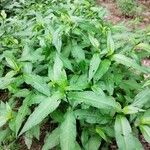
Persicaria hydropiper
Marsh-pepper smartweed · Water-pepper · Redleaf · Smartweed · Mild Water-Pepper
Description
Source: leafsnapPersicaria hydropiper (syn. Polygonum hydropiper), also known as water pepper, marshpepper knotweed, arse smart or tade, is a plant of the family Polygonaceae. A widespread species, Persicaria hydropiper is found in Australia, New Zealand, temperate Asia, Europe and North America. The plant grows in damp places and shallow water. Cultivated varieties are eaten in East Asia for their pungent flavor.
Care Guide
💧 Water
Water Pepper thrives in wet environments, preferring consistent hydration but able to withstand short periods of dryness. To ensure robust growth, water it weekly. Typically grown outdoors to take advantage of natural rainfall, Water Pepper's adaptability to varying water availability showcases its resilience in wetland ecosystems.
How should I water my Water Pepper plant?
Watering Water Pepper can be done using various common watering tools such as a garden hose with a spray nozzle or a watering can. This plant is not too fussy about the type of water it receives, whether it's rainwater, tap water, or filtered water. It's generally best to avoid watering this plant from above, as it can harm the leaves and flowers and potentially cause disease. Instead, setting up a drip irrigation system is often recommended, as it allows water to be evenly and directly applied to the soil. If you have a Water Pepper in a container, you can follow a similar approach but change the tools you use. Simply use a cup, watering can, or tap water to directly water the soil of the container-grown plant.
What should I do if I give too much or too little water to my Water Pepper?
The solution for underwatering Water Pepper is simple - if you notice your plant is lacking moisture, start watering it more frequently. On the other hand, overwatering can be a more serious issue, especially if not caught early. Overwatering can lead to diseases that cause the plant to deteriorate and die. To prevent this, choose a proper location for your Water Pepper with enough sunlight to dry the soil and good drainage to avoid waterlogging. If your Water Pepper in a pot is overwatered, consider switching it to a new pot with better drainage. When repotting, use loose soil and ensure the pot drains effectively.
How often do I need to water my Water Pepper?
Water Pepper needs regular watering throughout the growing season. In spring, water this plant once per week. As the season progresses and it gets warmer, increase watering to two or three times per week. Be careful not to exceed this rate as it can harm the Water Pepper. Regardless of frequency, ensure the soil remains moist but not wet. Watering Water Pepper in a pot requires more frequent watering as the soil in pots can dry out faster. Generally, water a container-grown Water Pepper a few times per week compared to once per week for an in-ground plant.
How much water does my Water Pepper plant need?
Determining the right amount of water for your Water Pepper can be approached in a few different ways. Some gardeners rely on the moisture level of the soil to guide their watering. This method suggests that you should water until the top six inches of soil feels moist. Another approach is to use a specific measurement for watering, such as giving your Water Pepper about two gallons of water per week. However, it's important to consider factors like temperature and soil dryness to avoid overwatering. If you're growing your Water Pepper in a container, you'll need a different method. In this case, you should water enough to moisten all layers of dry soil. Testing the moisture level can be done by sticking your finger in the soil or observing a slight trickle of excess water from the drainage holes.
How do I know if I'm giving my Water Pepper enough water?
Watering your Water Pepper can be a bit challenging. While the plants have deep roots and need weekly soil moisture, they are also prone to root rot and browning from overwatering. Underwatering is less likely, as Water Pepper can survive without supplemental watering, but if you wait too long, the plant will wilt and develop dry leaves.
☀️ Light Full sun
Water Pepper grows best in full sun but can also do well in partly sunny spots. Its health and growth largely depend on how much sun it gets. Too much or too little light can stunt its development. This mirrors its original habitat, where sunlight is plentiful yet moderate.
What are the sunlight requirements for Water Pepper?
Water Pepper requires full sun exposure of above 6 hours of sunlight a day to thrive but can also grow well under partial sun conditions, receiving about 3-6 hours of sunlight. It’s important to observe how sunlight moves through your garden to place Water Pepper in spots that offer an optimal balance of light and shade, ensuring the plant's health and happiness. This need arises from its natural habitat, where it's accustomed to abundant yet moderate sunlight.
How should I use artificial lighting for indoor Water Pepper plants?
For indoor Water Pepper plants, when natural sunlight is not enough, especially in winter or in less sunny locations, artificial lighting becomes crucial for optimal growth. LEDs are preferred for indoor plants because you can adjust them to emit specific light wavelengths needed by the plants. Full sun plants should have 30-50W/sq ft, partial sun plants 20-30W/sq ft, and full shade plants 10-20W/sq ft of artificial light. The light source should be placed 12-36 inches above the plant, imitating natural sunlight, and it's recommended to keep the lights on for 8-12 hours per day to simulate natural daylight hours.
What are the key symptoms of inappropriate light conditions for Water Pepper?
Water Pepper may show several symptoms when grown in less than ideal light conditions. These include small and poorly developed new leaves, leggy or sparse growth due to long distances between stems or leaves, accelerated leaf drop as the plant tries to conserve resources, and slowed or completely halted growth indicating a survival mode due to poor lighting. Other signs involve the appearance of paler, lighter-colored new leaves indicating a lack of chlorophyll, chlorosis leading to yellowing leaves as a consequence of excessive sunlight, sunscald causing damage to leaves from too much sun, leaf curling as a response to extreme sunlight, wilting from excessive water loss, and leaf scorching characterized by brown or crispy leaf edges.
What solutions exist for managing Water Pepper light conditions?
To optimize Water Pepper's growth, gradually acclimate it to receive at least 6 hours of direct sunlight daily, using a south-facing window for indoor plants to ensure maximum sunlight and nutrient accumulation. For large indoor plants or those in less movable positions, consider supplemental artificial lighting, maintaining it for at least 8 hours each day. Outdoors, avoid sudden changes in light exposure to prevent sunburn by gradually moving the plants to sunnier spots. Reduce obstructions like overhanging branches to improve sunlight access. For small plants, consider transplanting during their dormant season to more sun-exposed locations with good drainage. Remember, while parts of the plant that suffered from low light may not recover, new growth should be healthy with improved light conditions.
🌡️ Temperature 5–35°C
Water Pepper is a plant indigenous to temperate environments. It performs well at temperatures between 68 and 95 °F (20 to 35 ℃). Seasonal adjustments to its care may be necessary to keep it within this temperature range.
What temperature is best for Water Pepper?
Water Pepper has different temperature requirements depending on the time of year. During the growing season, it is best for the temperature to be between 65-80℉ (18-27℃). If it gets colder than 15℉ (-10℃), the plant may suffer, but it can potentially survive with some assistance. Similarly, during the warmer parts of the year, it is important to protect Water Pepper from temperatures above 95-105℉ (35-40℃). Higher temperatures can cause wilting, drooping, and sunburn on the leaves, which is difficult for the plant to recover from. There are simple ways to address this issue.
The ideal temperature for young water pepper plants in their first year.
If this is the first year you have a Water Pepper plant outside, it may require extra attention during the coldest months. Frost can be especially harmful to new Water Pepper plants and may prevent them from growing back healthy in the spring. To protect the plant, it should be kept at a temperature of 40℉(5℃) or above until it is more established. This can be achieved by either bringing the plant inside for a month or two, or by using mulch or fabric barriers to shield it from frost. During the first year or two, it is advisable to plant the Water Pepper in a shadier location. Smaller and weaker plants struggle more to regulate their own temperature in hot weather. Therefore, the plant should receive no more than five hours of direct sunlight per day, especially if the daytime temperature exceeds 80℉(27℃). To control the summer heat, you can use shadecloth and water or mist the plant regularly.
How can I keep Water Pepper safe from really hot or cold weather?
To protect Water Pepper from cold temperatures during its growing season, there are a few options available. If you are growing it in a container, simply bring it indoors in bright, indirect light until the temperatures rise above 15℉ (-10℃) again. For ground-planted Water Pepper, you can use mulch or horticultural fabric to create a protective barrier around the plant, shielding it from frost and cold wind. On the other hand, if the temperatures rise above 80℉ (27℃) in the shade during the day, it's important to limit the plant's exposure to sunlight. Ideally, expose it to no more than six hours of sunlight per day, preferably in the morning. This can be achieved by putting up shade cloth or a fine plastic mesh to reduce direct sunlight during the hottest parts of the day. Another option is installing a misting system that releases a cooling mist around the base of the plant, effectively lowering ground temperatures.
Temperature suggestions for Water Pepper during the inactive season.
In order for Water Pepper to sprout properly, it needs a certain amount of cold during the winter months. Sprouting too early, before the last frost, can be harmful to Water Pepper, especially if it has already started to grow when the frost occurs. Ideally, winter temperatures should remain below 32℉(0℃), but even if they reach 40℉(5℃), everything should be fine. However, in more temperate climates like woodland rainforests, unexpected warm weather can cause Water Pepper to sprout prematurely. If there is still a risk of frost, it may be helpful to cover the sprout with clear plastic on stakes to protect it from the cold. This covering can be removed once the risk of frost has passed. Sometimes, Water Pepper will sprout at the correct time on its own, but using this method increases the chances of successful sprouting.
💨 Humidity
🪴 Soil 6-7
🌱 Fertilizer
Water Pepper benefits from regular, light applications of fertilizer to encourage healthy leaf growth. You should fertilize Water Pepper about once a month during the summer. Nitrogen is essential for foliage, and providing nitrogen-rich sources helps Water Pepper thrive.
🪴 Pot & Repot
✂️ Pruning
Water Pepper needs minimal pruning. However, you should trim any dead or damaged stems in early spring. Regular pinching helps promote bushiness and prevents the plant from becoming leggy. To maintain its shape and control spreading, prune during the active growing season. Avoid making harsh cuts to ensure the plant remains vigorous.
🌿 Propagating
🐛 Diseases & pets
☠️ Toxicity
Characteristics
- Plant Type
- Herb
- Life Cycle
- Annual
- Genus
- Persicaria
- Family
- Polygonaceae
- Hardiness Zone
- 5-9
- Mature Height
- 61 cm
- Mature Spread
- 46 cm
- Leaf Color
- Green
- Leaf Type
- Semi-evergreen
- Flower Color
- Pink, White
- Flower Size
- 2.54 cm
- Bloom Time
- Mid summer, Late summer, Early fall
- Planting Time
- Spring, Summer, Autumn
- Harvest Time
- Early fall, Mid fall
- Native Area
- Sri Lanka, Turkey, Sweden, India, Austria, Pakistan, Morocco, Belarus, Uzbekistan, Russia, Germany, Indonesia, Romania, Belgium, Netherlands, Nepal, Portugal, France, Philippines, Bulgaria, Bangladesh, Poland, Greece, Ukraine, China, Norway, Afghanistan, Italy, Kazakhstan, Spain, Switzerland, Vietnam, Myanmar, Mongolia, Japan, Finland, Denmark, Iran, Albania, Ireland, United Kingdom, Hungary, Algeria, Thailand