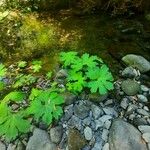
Petasites frigidus
Arctic butterbur · Arctic sweet-coltsfoot · Northern sweet-coltsfoot · Arctic Sweet-Colt's-Foot
Description
Source: leafsnapPetasites frigidus, commonly known as Arctic sweet coltsfoot, is a perennial herbaceous plant in the Asteraceae family. Native to the Arctic and subarctic regions of North America and Eurasia, this plant features large, heart-shaped leaves that can grow up to 60 centimeters in diameter and are covered with fine hairs on the underside. Its small, pinkish-white flowers appear in early spring, even before the leaves emerge. Historically, indigenous peoples have used Petasites frigidus for medicinal purposes to treat a variety of ailments, including coughs, colds, headaches, and stomach problems. The plant contains several bioactive compounds, such as petasin and isopetasin, which possess anti-inflammatory properties. Petasites frigidus thrives in moist soils near streams or wetlands but can also be found on dry slopes or rocky areas at high altitudes. It serves as an important food source for wildlife, such as moose, which feed on its leaves during winter months when other food sources are scarce. Despite its medicinal properties and ecological significance, caution is advised when using Petasites frigidus, as it can be toxic if consumed in large quantities or over extended periods.
🎭 Affection, Visions
Care Guide
💧 Water Every 7 days
Arctic sweet coltsfoot is native to cold, damp environments and thrives with consistent moisture. Although it can tolerate moderate drought, it's best to water it weekly to keep the soil hydrated, especially during the growing season. This regular watering is essential for the plant's growth and vitality.
How should I water my Arctic sweet coltsfoot?
To properly water the Arctic sweet coltsfoot, it's best to use filtered water at room temperature. Tap water may have harmful particles, so filtered water is preferred. Since the coltsfoot originated from a warm climate, using cold water could be a shock to the plant. Additionally, it's advisable to avoid overhead watering to prevent foliage issues. Instead, gently apply filtered room temperature water to the soil until it is completely soaked. This method benefits the plant by moistening the roots and helping them grow and absorb nutrients from the soil.
What should I do if I give too much or too little water to my Arctic sweet coltsfoot?
Overwatering is a more common problem for the health of your Arctic sweet coltsfoot. It can cause wilting and yellowing of the stems and leaves, as well as diseases like root rot, mold, and mildew that can kill the plant. Underwatering is less likely but can still happen, causing brittle and brown leaves. It's important to recognize the signs of overwatering early to prevent irreparable damage. Reduce watering if you see these signs and consider using well-draining soil. If underwatering occurs, simply increase watering until the signs disappear.
How many times should I water my Arctic sweet coltsfoot plant?
If your Arctic sweet coltsfoot is in a pot, the best way to check if it needs water is to stick your finger in the soil. If the top two to three inches of soil feel dry, it's time to water. If you have the plant planted outside in the ground, you can use the same method to test the soil. Again, if the top few inches of soil are dry, it's time to water. Generally, during spring and early fall, watering once a week is sufficient. However, during hot weather, you may need to water twice a week or even more. However, it's worth mentioning that mature Arctic sweet coltsfoot plants can handle drought fairly well.
How much water does my Arctic sweet coltsfoot plant need?
When watering your Arctic sweet coltsfoot, don't be afraid to give it a generous amount of water. Wait until the top two to three inches of soil are dry before watering thoroughly. Make sure to saturate the soil completely, but not so much that water accumulates. To ensure proper drainage, water until excess water flows out of the pot's drainage holes. If you don't see any water draining, you may have underwatered the plant or have poorly draining soil, which is harmful to the plant. On the other hand, if the plant is outside, 1 inch of rainfall per week should be enough.
How should I water my Arctic sweet coltsfoot as it grows?
The water needs of the Arctic sweet coltsfoot can vary at different stages of growth. When the plant is young or has been recently transplanted, it will require more water to support root growth. As the plant matures, it will need less water. Additionally, during the bloom period, the plant may need extra water to support flower development.
☀️ Light Partial sun
The arctic sweet coltsfoot prefers locations where sunlight is filtered for several hours each day. It can, however, tolerate stronger, all-day sun if necessary. Having originated in habitats with a range of light conditions, both prolonged intense exposure and very low light can negatively affect the arctic sweet coltsfoot's health and growth.
What are the sunlight requirements for Arctic sweet coltsfoot?
Arctic sweet coltsfoot requires varying amounts of sunlight to thrive, including partial sun for about 3-6 hours of sunlight per day, and full sun, which entails more than 6 hours of sunlight per day. Observing how sunlight moves through your garden can help you choose optimal spots for planting, ensuring a balance of light and shade that contributes to the health and happiness of your plants.
How does artificial lighting benefit indoor arctic sweet coltsfoot plants?
Artificial lighting is crucial for the growth of indoor arctic sweet coltsfoot plants, especially when natural sunlight is insufficient. Adequate lighting promotes faster, healthier growth. LED lights are preferred for being able to provide specific wavelengths needed by the plants. The general guidelines suggest that full sun plants need 30-50W/sq ft, partial sun plants require 20-30W/sq ft, and full shade plants need 10-20W/sq ft of artificial light. The light source should be placed 12-36 inches above the plant, and most plants will need 8-12 hours of light per day to mimic natural daylight hours optimally.
What are some symptoms of light deficiency in arctic sweet coltsfoot?
Symptoms of light deficiency in arctic sweet coltsfoot include small leaves, leggy or sparse growth, faster leaf drop, slower or no new growth, lighter-colored new leaves, chlorosis (leaves turning yellow), sunscald, leaf curling, wilting, and leaf scorching. These symptoms indicate the plant is not receiving adequate light, which is essential for its growth and health.
How can I address light deficiency issues for indoor and outdoor arctic sweet coltsfoot plants?
To address light deficiency in arctic sweet coltsfoot plants, gradually adjust the plant to receive more sunlight, moving it to sunnier locations each week until it gets 3-6 hours of direct sunlight daily. For large or immovable plants, consider using artificial light sources, keeping them on for at least 8 hours a day. Outdoor plants should also be moved gradually to sunny spots to prevent sunburn. If trees are causing shade, pruning branches can help increase sunlight exposure. For small plants, consider transplanting during their dormant period to a location with more sunlight and good drainage. Note that parts of the plant affected by insufficient light may not recover, but new growth after improving light conditions should be healthy.
🌡️ Temperature 5–32.2°C
Arctic sweet coltsfoot originates from cold habitats, occurring in areas where temperatures range from -22 to 68 ℉ (-30 to 20 ℃). Nevertheless, it grows best within 41 to 90 ℉ (5 to 32 ℃). In summer it copes with higher heat by growing in shade or near water to stay cool. In winter it tolerates colder conditions by going dormant and conserving energy.
What is Arctic sweet coltsfoot and where does it grow?
Arctic sweet coltsfoot (Petasites frigidus) is native to cold environments and thrives in regions where temperatures range from -22 to 68°F (-30 to 20°C). It prefers temperatures between 41 to 90°F (5 to 32°C) for optimal growth. This plant can adapt to summer heat by growing in shaded areas or near water sources to stay cool, and in winter, it goes dormant to conserve energy. Special frost protection is not usually necessary, but in extremely cold conditions below -25°C, providing cold protection by covering the plant with soil or straw is recommended.
How does Arctic sweet coltsfoot handle low temperatures?
Arctic sweet coltsfoot is highly tolerant of cold weather and performs best when temperatures stay above 5°C. It can survive winters as long as temperatures do not fall below -20°C. However, if temperatures drop below -25°C, there might not be visible damage during winter, but the plant could show a decrease in sprouting or fail to sprout in spring. To mitigate this, remove any parts that do not sprout in spring.
What should be done if Arctic sweet coltsfoot experiences high temperatures?
During the summer, it's important to ensure Arctic sweet coltsfoot doesn't get too hot, ideally staying below 32°C. If temperatures climb above 35°C, the plant's leaves may lighten, curl, suffer sunburn, and the entire plant could wilt. To protect the plant, trim damaged parts, move it to a shadier location, or use a shade cloth to prevent direct exposure to midday and afternoon sun. Also, watering the plant in the morning and evening helps keep the soil moist and the plant healthy.
💨 Humidity
🪴 Soil 6-6
🌱 Fertilizer
A single spring application of fertilizer is generally enough for Arctic sweet coltsfoot, though multiple feedings can boost growth. Fertilize every month to every month and a half. Fertilization improves the leaves’ appearance and function, maintaining even color and a healthy texture. It also encourages root development and nutrient uptake for the plant’s long-term health.
Why should I add fertilizer to my Arctic sweet coltsfoot plant?
The main structure of the Arctic sweet coltsfoot consists of its leaves. Fertilization is crucial in maintaining the appearance and functionality of these leaves. By ensuring proper fertilization, you can help your Arctic sweet coltsfoot hold leaves with consistent color and a healthy texture. Fertilization also has benefits below the soil's surface. It promotes the growth of new roots and helps maintain existing roots, improving the plant's ability to absorb nutrients from the soil both now and in the future.
What is the ideal time to put fertilizer on my Arctic sweet coltsfoot plant?
When you grow Arctic sweet coltsfoot outdoors, it will start growing new leaves in early spring. This is a signal that it's time to start fertilizing for the year. Usually, a single application of fertilizer in spring is enough for Arctic sweet coltsfoot to thrive. However, if you want maximum growth, you can fertilize multiple times throughout spring and early summer. In this case, you can feed your Arctic sweet coltsfoot approximately every month to a month and a half.
When should I not add fertilizer to my Arctic sweet coltsfoot?
During the late fall and winter, your Arctic sweet coltsfoot will go into a dormant phase and stop producing new growth. It is recommended that you do not fertilize your Arctic sweet coltsfoot during this time. In the spring and summer, if you choose to fertilize your plant multiple times, gradually reduce the amount of fertilizer as summer approaches because the plant's growth rate will slow down. In general, it is not advisable to fertilize your Arctic sweet coltsfoot during hot weather or when the soil is very dry. Fertilizing in these conditions can cause stress to the plant and lead to premature death.
What kind of fertilizer does my Arctic sweet coltsfoot plant need?
Choosing the best fertilizer for an Arctic sweet coltsfoot is an easy task. These plants thrive on a general-purpose garden fertilizer with equal amounts of nitrogen, phosphorus, and potassium. A 10-10-10 ratio fertilizer or similar will be effective. Avoid fertilizers with high nitrogen content when unsure. Granular fertilizers that are slow-release and easy to apply to the soil are recommended for Arctic sweet coltsfoot. Additionally, using organic soil amendments like compost can be helpful for feeding the plants.
How can I fertilize my Arctic sweet coltsfoot?
To properly care for your Arctic sweet coltsfoot, wait until its first leaves emerge in early spring. Once this happens, apply a balanced slow-release fertilizer to the soil surrounding the base of the plant. You can repeat this process later in the season if desired. Avoid applying the fertilizer directly to the plant, instead focus on the soil at the base. Sometimes, you might need to move the leaves to access the roots. It's recommended to water the plant before and after feeding it.
🪴 Pot & Repot
✂️ Pruning
Arctic sweet coltsfoot is a resilient perennial plant recognized for its large, heart-shaped leaves and small flowers that range from white to pinkish in color. To keep the plant healthy and attractive, prune it from early to late spring. During pruning, remove dead foliage and spent flower stalks to promote growth, improve its appearance, and enhance airflow, which helps prevent mildew. For the best results, use clean, sharp tools.
🌿 Propagating
🐛 Diseases & pets
☠️ Toxicity
Characteristics
- Plant Type
- Herb
- Life Cycle
- Perennial
- Genus
- Petasites
- Family
- Asteraceae
- Hardiness Zone
- 5-8
- Mature Height
- 30 cm to 61 cm
- Mature Spread
- 61 cm to 91 cm
- Leaf Color
- Green
- Leaf Type
- Deciduous
- Flower Color
- White
- Flower Size
- 2.03 cm
- Bloom Time
- Spring
- Planting Time
- Spring, Summer
- Harvest Time
- Late spring, Early summer, Mid summer
- Native Area
- Russia, Norway, Sweden, Finland, Mongolia