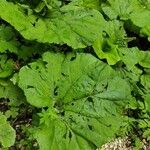
Petasites hybridus
Butterbur · Bog-rhubarb · Pestilence Wort · Umbrella-plant · Purple Butterbur
Description
Source: leafsnapPetasites hybridus, the butterbur, is a herbaceous perennial flowering plant in the family Asteraceae, native to Europe and northern Asia. Although used over centuries in traditional medicine to treat various disorders, there are no approved medical uses, but it is sold as a dietary supplement. Concerns about the potential toxic effects of pyrrolizidine alkaloids in butterbur limit its use in human and animal studies.
🌳 Beyond its well-known uses, butterbur can unexpectedly act as a bioindicator of heavy metals in soil. Its distinctive uptake mechanism can indicate elevated concentrations of metals such as zinc and copper, offering an environmentally friendly way to monitor soil health and pollution. This can provide a novel approach for bioremediation studies and for assessing ecological impact.
Care Guide
💧 Water 1-2 times a week
Butterbur thrives in moist conditions and prefers consistently damp soil. It needs weekly watering but can also adapt to different levels of water input. This makes it well-suited for outdoor cultivation, where it can benefit from natural rainfall.
How should I water my Butterbur plant?
To properly water the Butterbur plant, it is recommended to use filtered water at room temperature. Tap water may contain harmful particles, so filtered water is preferable. The plant is accustomed to warm environments, so using cold water can be stressful. It is important to avoid overhead watering, as it can lead to issues with the foliage. Instead, gently pour filtered room temperature water onto the soil until it is completely soaked. This helps to moisturize the roots and promote their growth and nutrient absorption.
What should I do if I give too much or too little water to my Butterbur plant?
Overwatering and underwatering can both harm your Butterbur plant, but overwatering is a more common problem. Excess water can cause wilting and yellowing of the stems and leaves, and it can also lead to diseases like root rot, mold, and mildew that can be fatal to the plant. Underwatering is less common for Butterbur plants because they can tolerate drought conditions well. However, it can still happen, and when it does, the leaves may become brittle and brown. It's important to recognize the signs of overwatering early when caring for your Butterbur. Some diseases caused by overwatering, like root rot, may not be treatable if you wait too long. If you notice early signs, reduce the watering immediately and check the soil drainage. If the soil doesn't drain well, replace it with a loose, well-draining potting mix. Alternatively, if you see signs of underwatering, simply water the plant more regularly until the signs improve.
How frequently should I water my Butterbur plant?
If your Butterbur plant is in a pot, the best way to check if it needs water is by sticking your finger in the soil. If the top two to three inches of soil are dry, it's time to water it. If you have Butterbur growing outdoors in the ground, you can use the same method to test the soil. Once the top few inches are dry, it's time to water. Typically, during spring and early fall, watering once a week is sufficient. However, during extremely hot weather, you may need to water twice a week or more. Nevertheless, mature and well-established Butterbur plants can handle drought quite well.
How much water does my Butterbur plant need?
To properly water your Butterbur plant, it's important to be generous with the amount of water you give. Make sure the top two to three inches of soil are dry before watering. When you water, make sure to thoroughly soak the soil until it is entirely saturated. You'll know you've watered enough if excess water is flowing out of the drainage holes at the bottom of the pot. If no excess water is draining, it means you haven't watered enough. However, be careful not to let water accumulate inside the soil, as this can harm the plant. Additionally, if water is not draining properly from the pot, it could be a sign of poorly draining soil, which is bad for the plant's health. If the plant is outdoors, it will only need about 1 inch of rain per week.
How do I water my Butterbur plant as it grows?
The water needs of the Butterbur can vary depending on its growth stages. In the early years and after transplanting, you should provide more water than usual. During these stages, the plant focuses on growing new roots to support future growth, and these roots require more moisture. As the Butterbur matures, it will require less water. Additionally, during the bloom period, the plant may need more water as flower development consumes significant moisture.
☀️ Light Partial sun
Butterbur does best in areas with moderate sunlight, though it can tolerate strong sun as well as spots with relatively little light. Its growth can be affected by too much or too little exposure, underscoring the plant's need for balanced sunlight. Native to habitats where light levels fluctuate, butterbur is adaptable across a broad range of light intensities.
What are the sunlight requirements for Butterbur (Petasites hybridus)?
Butterbur requires moderate sunlight exposure but can adapt to both intense sunlight and areas with less light. It’s important to observe your garden's sunlight patterns, aiming for a balance that suits Butterbur, which thrives in about 3-6 hours of sunlight daily. For indoor plants, when natural light is insufficient, artificial lighting such as LED can be used, mimicking natural sunlight by adjusting the light's intensity, distance, and duration based on the plant's needs.
What are the common symptoms of incorrect light exposure in Butterbur?
When Butterbur is exposed to incorrect light conditions, it may show symptoms such as smaller new leaves, leggy growth, premature leaf drop, halted growth, paler new leaves, chlorosis, and symptoms of too much light like sunscald, leaf curling, wilting, and leaf scorching. These signs indicate either too much or too little sunlight, affecting the plant’s health, growth, and ability to photosynthesize properly.
How can I address Butterbur's light-related issues?
To address light-related issues in Butterbur, gradually introduce the plant to more suitable light conditions. For indoor plants, move them weekly to sunnier locations until they get 3-6 hours of direct sunlight, or use artificial lighting for at least 8 hours daily. Outdoors, transition your plants to optimal sunlight gradually to avoid sunburn. If natural light is blocked, consider pruning obstructions or transplanting to better-lit areas. Remember, while parts of the plant that suffered might not recover, new growth will be healthy with improved light exposure.
🌡️ Temperature 5–32.2°C
Butterbur is native to temperate regions and needs cooler temperatures for optimal growth. It does best within the range of 41 to 89.6 °F (5 to 32 ℃). During hot summer months, consider providing shade to keep temperatures within these limits.
What are the optimal growing temperatures for Butterbur (Petasites hybridus)?
Butterbur, native to temperate regions, requires cooler temperatures for optimal growth, thriving best in temperatures ranging from 41 to 89.6 °F (5 to 32 °C). Despite its strong cold resistance, special measures should be taken when temperatures are expected to drop below -30°C to ensure cold protection. Prior to the first freeze of autumn, it's recommended to water the plant abundantly, ensuring the soil is moist as it freezes to prevent drought and water scarcity during winter and early spring.
How should Butterbur be cared for during low temperatures?
Butterbur is notably cold-tolerant and best thrives when temperatures remain above 5°C. In winter, it's crucial to avoid letting the temperature fall below -25°C. At temperatures below -30°C, while the plant may not show noticeable changes during winter, there can be a decrease in sprouting, or even no sprouting, come spring. The solution for affected plants in spring involves removing any parts that have failed to sprout.
What are the symptoms and solutions for Butterbur exposed to high temperatures?
During summer, Butterbur should ideally be kept below 32°C to prevent heat stress. Exposure to temperatures above 35°C can result in lighter leaf coloration, curling, susceptibility to sunburn, and in severe cases, wilting and drying out of the entire plant. To remedy this, trim away sunburned and dried-up parts of the plant. Relocate it to an area that provides shade during midday and afternoon, or use a shade cloth. Additionally, watering the plant in the morning and evening helps keep the soil moist and supports the plant's health.
💨 Humidity
🪴 Soil 6-7
🌱 Fertilizer
Typically, a single fertilizer application in spring is enough for Butterbur, though repeated feedings can maximize growth. Feed every one to one and a half months. Fertilizing improves the leaves' appearance and function, helping them keep an even color and a healthy texture. It also encourages root growth and nutrient uptake, supporting the plant's long-term health.
🪴 Pot & Repot
✂️ Pruning
Butterbur thrives in moist, shaded environments and has large, heart-shaped leaves. To promote healthy growth and vibrant foliage, prune any dead stems in early spring and remove spent flowers by late spring. Regular thinning of the plant improves air circulation, prevents it from becoming invasive, and helps maintain its vigor and attractiveness.
🌿 Propagating
🐛 Diseases & pets
☠️ Toxicity
Characteristics
- Plant Type
- Herb
- Life Cycle
- Perennial
- Genus
- Petasites
- Family
- Asteraceae
- Hardiness Zone
- 4-8
- Mature Height
- 0.76 m to 1.22 m
- Mature Spread
- 61 cm to 91 cm
- Leaf Color
- Green
- Leaf Type
- Deciduous
- Flower Color
- Pink, White
- Flower Size
- 2.54 cm
- Bloom Time
- Early spring, Mid spring
- Planting Time
- Spring, Summer
- Harvest Time
- Late spring, Early summer
- Native Area
- Germany