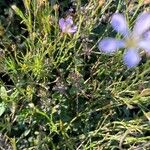
Petrorhagia saxifraga
Saxifrage-pink · Tunic-flower · Coatflower · Tunic
Description
Source: leafsnapPetrorhagia saxifraga, commonly known as rock pink or tunic flower, is a perennial herbaceous plant in the family Caryophyllaceae. Native to Europe and Asia, it thrives in rocky habitats such as cliffs, screes, and stony slopes. The plant reaches up to 30 cm in height and has narrow, grey-green leaves. Its pink or white flowers, each with five deeply notched petals, bloom from May to August. Petrorhagia saxifraga is hardy, tolerating drought and poor soil conditions, making it a popular choice for rock gardens due to its attractive blossoms and resilience in tough environments. Moreover, the plant has a long history of medicinal use, particularly for its anti-inflammatory properties. Traditionally, it has been employed to treat respiratory issues like coughs and bronchitis. In summary, Petrorhagia saxifraga is a beautiful perennial with both ornamental and medicinal benefits.
Care Guide
💧 Water Every 7 days
Saxifrage pink is well-suited for rocky and dry environments, as it requires minimal water. A weekly watering schedule is sufficient for this hardy plant. It prefers well-draining soil and demonstrates resilience in low-humidity conditions. Saxifrage pink flourishes outdoors, particularly enjoying the occasional rain during its growing season.
What should I do if I give my Saxifrage too much or too little water?
Overwatering is a common issue for Saxifrage pink, which can cause wilting and yellowing of the stems and leaves. It can also lead to diseases like root rot, mold, and mildew. On the other hand, underwatering is less common but still possible. When underwatering occurs, the leaves may become brittle and brown. It is important to notice the signs of overwatering early and reduce watering immediately. If the soil drains poorly, it should be replaced with a well-draining mix. If the Saxifrage pink lacks water, increase watering until the signs improve.
How frequently should I water my Saxifrage pink plant?
If your Saxifrage pink plant is in a pot, you can check if it needs water by sticking your finger into the soil. If the top two to three inches of soil are dry, it's time to water it. If you grow your Saxifrage pink outdoors in the ground, you can use the same method to test the soil. When the top few inches of soil have dried out, it's time to water. In spring and early fall, you'll usually need to water once a week. During extremely hot weather, you may need to water twice or more per week. However, mature and well-established Saxifrage pink plants have a good ability to withstand drought.
How much water does my pink Saxifrage plant need?
To properly water your Saxifrage pink, don't hold back on the amount of water you provide. Wait until the top two to three inches of soil are dry, and then give the plant a deep watering. Make sure to thoroughly saturate the soil, allowing excess water to flow out through the drainage holes at the bottom of the pot. If you don't see any water draining, you may have not watered enough. However, be cautious not to let water accumulate inside the soil, as this can harm the plant. On the other hand, if you notice that water is not draining properly, it may indicate that the soil is not draining properly, which is not good for the health of the plant. If the plant is kept outside, about 1 inch of rain per week should be enough.
How should I water my Saxifrage pink as it grows?
The water needs of the Saxifrage pink can vary depending on its growth stages. When the plant is young or has been recently transplanted, it will require more water. During these stages, the plant is busy developing new roots to support future growth, and these roots need extra moisture. However, as the plant matures, it will require less water. Another stage in which the plant may need more water is during its bloom period, as flower development requires significant moisture.
How do I water my Saxifrage pink throughout the year?
The Saxifrage pink plant has different water needs depending on the season. During the hottest months of the year, it will need more water. In fact, you may need to water it more than once per week, depending on how quickly the soil dries out. However, during the winter, the plant enters a dormant phase and requires less water. In fact, you may not need to water it at all during this time. If you do choose to water it during winter, it should be done sparingly, no more than once per month. Overwatering during this time can increase the risk of the plant contracting a disease.
☀️ Light Full sun
Saxifrage pink performs best in conditions similar to its native habitat, where extended exposure to daylight is common. Sunlight promotes its healthy growth throughout its various developmental stages. The plant is resilient, as too much or too little light does not significantly affect it.
What are the sunlight requirements for Saxifrage pink?
Saxifrage pink thrives best in environments that mimic its original habitat, requiring prolonged exposure to direct sunlight. It needs to receive above 6 hours of sunlight daily to ensure healthy growth through different stages. It's important to observe the movement of sunlight through your garden to find spots that provide the perfect balance of light and shade, thereby ensuring the plants' happiness. Despite its need for significant sunlight, Saxifrage pink's resilience is evident as neither excessive nor inadequate light drastically affects the plant.
Can artificial lighting be used for Saxifrage pink, and if so, how?
Yes, artificial lighting can be employed for Saxifrage pink, especially indoors where natural sunlight may be insufficient, such as in winter or less sunny spaces. Indoor plants require adequate lighting for optimal growth, making artificial lights a vital solution. Opt for LED lights, which can provide specific wavelengths needed by the plants. The necessary wattage varies depending on the type of plant, with full sun plants needing 30-50W/sq ft, partial sun plants needing 20-30W/sq ft, and full shade plants 10-20W/sq ft. Place the artificial light source 12-36 inches above the plant to mimic natural sunlight and ensure it's on for 8-12 hours per day to imitate natural daylight hours.
What are the symptoms of Saxifrage pink when it receives inadequate light?
When Saxifrage pink is placed in inadequate lighting, it may not show immediate symptoms but over time, issues such as smaller new leaves, leggy or sparse growth, faster leaf drop, slower or no new growth, and lighter-colored new leaves can develop. Chlorosis, sunscald, leaf curling, wilting, and leaf scorching are also potential symptoms that can occur due to varying light conditions, ranging from insufficient to excessive sunlight. These signs indicate either a lack of or too much sunlight, both of which affect the plant's ability to photosynthesize and maintain overall health.
How can one mitigate light-related issues for Saxifrage pink both indoors and outdoors?
To address light-related issues in Saxifrage pink, consider gradually moving plants to locations with better sunlight exposure, ensuring at least 6 hours of direct sunlight daily. Indoors, use south-facing windows or provide artificial light for at least 8 hours daily. For large or immovable plants, desk or ceiling lamps or professional plant grow lights can offer a solution. Outdoors, gradually adapt plants to sunnier spots and avoid sudden intensity changes to prevent sunburn. Prune obstructions like tree branches to improve sunlight access. If relocating smaller plants, do so during their dormant period in late winter or early spring to locations with ample sunlight and good drainage. Note that parts of the plant affected by previous poor light conditions may not recover, but new growth should be healthy with improved light exposure.
🌡️ Temperature 5–32.2°C
Saxifrage pink is native to temperate regions and grows best when temperatures are between 41 and 90 °F (5 and 32 °C). The plant tolerates cooler conditions and will usually survive mild frosts. In hot summers, keep it shaded and well-watered to prevent heat stress.
What is the ideal temperature range for Saxifrage pink?
Saxifrage pink, or Petrorhagia saxifraga, thrives best in temperate regions within a temperature range of 41 to 90 °F (5 to 32 °C). This plant is known for its adaptability to cooler temperatures and can survive mild frosts. In the event of hot summers, it is crucial to provide the plant with adequate shade and water to prevent heat stress. Saxifrage pink shows remarkable cold tolerance and doesn't require additional frost protection in winter. However, it benefits from being watered generously before the first autumn freeze, ensuring the soil stays moist and enters a frozen state, which helps prevent drought and water scarcity for the plant during the colder months.
How does Saxifrage pink respond to low temperatures?
Saxifrage pink exhibits exceptional cold tolerance and can withstand winter temperatures above -25°C without noticeable changes during the colder months. Despite this hardiness, if temperatures fall below -25°C, you might observe a decline in the number of sprouts or absence of sprouting when spring arrives. To manage this, any parts of the plant that have failed to sprout during spring should be removed to encourage healthy growth.
What should I do if Saxifrage pink is exposed to high temperatures?
Saxifrage pink struggles with high temperatures, particularly when they rise above 32°C, leading to halted growth and an increased risk of rot. In such conditions, it's advisable to trim away any sunburned or dried-up sections of the plant. Relocating the plant to a shadier spot or utilizing a shade cloth can protect it from the harsh midday and afternoon sun. Ensuring the soil remains moist through morning and evening watering can also mitigate the adverse effects of high temperatures.
💨 Humidity
🪴 Soil 6-7
🌱 Fertilizer
The main time to fertilize Saxifrage pink is in early spring while the flowers are forming. The proper fertilizer promotes better blooms and helps Saxifrage pink produce attractive flowers. Fertilizing in early spring ensures excellent flowering during the season and supplies energy for dormant growth phases.
Why do I have to add plant food to my Saxifrage pink?
Fertilization is crucial for the growth of Saxifrage pink plants because it provides essential nutrients for both the above-ground and below-ground parts. Although the overall fertilization needs of Saxifrage pink plants are low, they can still survive without fertilization. However, annual fertilization can greatly benefit Saxifrage pink plants by improving their overall health and promoting the production of longer-lasting flowers. Therefore, for those who want their Saxifrage pink plants to thrive and look their best, it is recommended to fertilize them annually.
When should I fertilize my Saxifrage pink?
The best time to fertilize a Saxifrage pink is in late winter to early spring. This is when the plant is coming out of its dormant phase and beginning active growth. Fertilizing at this time promotes healthy growth and sets the plant up for a successful season. Although early spring is the most advantageous time to fertilize, it is also acceptable to fertilize in the fall. However, it is not recommended to fertilize in the summer or winter seasons.
When should I not add fertilizer to my Saxifrage pink?
To avoid overfertilization and complications, it is best to fertilize your Saxifrage pink only during late winter and early spring. One annual feeding is sufficient due to its low fertilization needs. If you didn't fertilize in spring, then it is acceptable to feed it in fall. Refrain from fertilizing during most of the growing season and also during winter when the plant is dormant and not growing.
What kind of fertilizer does my Saxifrage pink plant need?
When choosing fertilizer for a Saxifrage pink, generally any balanced fertilizer with the three main plant nutrients will work well. However, some nutrient blends are believed to be even more beneficial. For example, many gardeners think that a fertilizer with higher phosphorus levels can result in stronger roots and better flowers. Since Saxifrage pink is a flowering plant, using a phosphorus-rich fertilizer may be the best option. Whether you choose a granular or liquid fertilizer, make sure it contains plenty of nutrients. In addition to manufactured fertilizers, you can also enhance the soil for your Saxifrage pink using organic methods such as compost, manure, and similar materials. These can greatly contribute to creating a healthy growing medium for your plant.
How do I make my Saxifrage pink plant grow better?
To fertilize a Saxifrage pink, the most common method is to use a granular or pellet fertilizer around the plant. It's important to fertilize as the plant transitions from its dormant phase to active growth, typically in early spring when shoots emerge from the soil. If you prefer, you can use a liquid fertilizer instead of granular. Just remember to dilute it with water before applying. Whether you choose granular or liquid, it's beneficial to moisten the soil before, during, and after fertilizing.
🪴 Pot & Repot 2-3 years
Repot your Saxifrage Pink every 2 to 3 years during the springtime. Use a shallow, wide pot to accommodate its taproot comfortably. Select well-draining soil to help prevent root rot. With gentle care, your Saxifrage Pink will flourish, resulting in strong growth and vibrant blooms in the summer.
✂️ Pruning
Saxifrage pink is a perennial plant that produces delicate pink flowers. For optimal growth and blooming, prune this plant in early spring or late winter. During pruning, remove any dead stems and thin out crowded areas to improve air circulation. Light pruning is beneficial, but be careful not to prune too heavily, as this can inhibit flowering. Maintaining a tidy appearance is key.
🌿 Propagating
🐛 Diseases & pets
☠️ Toxicity
Characteristics
- Plant Type
- Herb, Shrub
- Life Cycle
- Perennial
- Genus
- Petrorhagia
- Family
- Caryophyllaceae
- Hardiness Zone
- 5-7
- Mature Height
- 15 cm to 30 cm
- Mature Spread
- 20 cm
- Leaf Color
- Green, Blue
- Leaf Type
- Evergreen
- Flower Color
- Pink, White
- Flower Size
- 2.54 cm
- Bloom Time
- Summer, Early fall
- Planting Time
- Spring, Summer, Autumn
- Harvest Time
- Late summer, Fall