Petunia axillaris
گل اطلسی ایرانی · اطلسی ایرانی · Garden petunia · Large white petunia · White moon petunia
Description
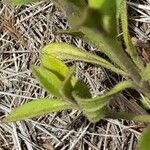
Source: leafsnapPetunia axillaris is a species of flowering plant in the Solanaceae family, native to South America. It is a perennial herbaceous plant that can reach up to 60 cm in height. The leaves are ovate and hairy, while the flowers are trumpet-shaped, featuring five white petals with a yellow throat. The plant blooms from spring to fall, attracting pollinators such as bees and butterflies. Petunia axillaris thrives in well-drained soil and can be grown in full sun or partial shade. It is drought-tolerant but benefits from regular watering during hot weather for optimal growth. This species is often used in breeding programs for ornamental petunias due to its hardiness, disease resistance, and attractive flowers. Beyond its ornamental value, Petunia axillaris has been utilized medicinally by indigenous peoples to treat various ailments, including respiratory infections, fever, wounds, and pain. Overall, Petunia axillaris is an appealing flowering plant with both ornamental and medicinal properties, making it a valuable addition to any garden or landscape design project.
💡 The ancient South American civilizations of the Maya and the Inca believed that Petunia axillaris and other Petunia species possessed supernatural powers. According to their traditions, the scent of Petunias could repel unclean spirits from the underworld. The flowers were also gathered for use in rituals and in the creation of special drinks that were said to have magical properties.
🌳 The large white petunia occupies a frequently overlooked ecological role because it has an unusual inclination to bloom at night. Its bright white flowers unfurl at dusk, emitting a sweet scent that attracts nocturnal pollinators like moths. This nighttime behavior provides an essential food source for those animals and is crucial for maintaining the nocturnal pollination network.
🎭 Absence of guilt, truthfulness, confidence, bitterness
Care Guide
💧 Water Every 7 days
The large white petunia flourishes in conditions akin to a subtropical climate, requiring consistent moisture and high humidity. It prefers soil that is kept moist, and it should be watered twice a week. When grown outdoors, ensuring proper watering is crucial for healthy blooming, as it helps prevent stress caused by either drought or excess moisture.
When Should I Water My Large White Petunia?
Timely watering is critical for the health and growth of Large White Petunia (Petunia axillaris). It is best to water when the soil's moisture level decreases. Check the soil by inserting your finger up to the first knuckle; if it feels dry or almost dry, it is time to water the plant thoroughly until water starts draining from the bottom of the pot. Observing the plant's leaves for signs of wilting or discoloration can also indicate a need for water. Similarly, the condition of the flowers, such as drooping or fading, can signal watering needs. Additionally, the weight of the potted plant can guide you; a light pot usually signifies dry soil. Avoid both overwatering and underwatering to prevent issues like root rot or dehydration, which could lead to stunted growth or plant death.
How Should I Water My Large White Petunia?
Watering Large White Petunia properly involves a few key techniques to meet its specific needs and sensitivities. The bottom-watering technique, where the plant pot is placed in a tray of water allowing the soil to absorb moisture from below, is recommended to ensure adequate moisture reaches the roots without over-saturating the soil or excessively wetting the foliage. This helps reduce the risk of fungal diseases. If using a watering can, choose one with a narrow spout to direct water flow to the base of the plant, minimizing leaf wetness and focusing hydration at the root level.
How Much Water Does Large White Petunia Really Need?
The amount of water needed by Large White Petunia varies based on several factors, including pot size, root depth, and the plant's overall size. Originating from moderately moist environments of South America, these plants need regular and substantial watering, ensuring the water reaches the bottom of the pot and allowing the top soil to dry out slightly between waterings. Properly watered Large White Petunia will have vibrant and full leaves, while signs of incorrect watering include wilting, browning, or yellowing of leaves. It's particularly important to water adequately without over or under-watering, adjusting as necessary to account for changes in environmental conditions.
What Kind of Water is Best for Large White Petunia?
Large White Petunia thrives best with rainwater or distilled/filtered water, as tap water may contain levels of chlorine, fluoride, and minerals that are not optimal for the plant’s health. Since this plant is sensitive to chlorine, letting tap water sit for 24 hours before use can allow the chlorine to evaporate. Additionally, the water should be at room temperature to avoid shocking the plant's roots. Regularly monitoring and adjusting the water quality can help ensure your Large White Petunia grows healthy and strong.
How Do Large White Petunia's Watering Needs Change with the Seasons?
Large White Petunia's watering needs fluctuate with the seasons. In spring, as the plant enters its active growing season, it requires more water due to increased sunlight and warmer weather, making it crucial to keep the soil evenly moist. Summer demands constant water to offset the drying effects of heat and sunlight, emphasized by morning or evening watering to reduce evaporation. In autumn, reduce the frequency as growth slows, maintaining adequate hydration without waterlogging. In winter, for overwintered petunias, water sparingly, only when the soil is dry, to prevent root rot during its dormant period.
☀️ Light Full sun
The large white petunia strongly prefers abundant sunlight, which promotes vigorous growth. Native to bright, sunny habitats, it performs well in sun-filled conditions but tolerates brief spells of shade without losing vitality. Excessive shade will cause weaker growth, while too much sun can scorch the leaves.
What are the sunlight requirements for a large white petunia?
A large white petunia thrives in conditions where it can bask in ample sunlight, ideally thriving in full sun exposure, which amounts to over 6 hours of direct sunlight daily. However, it can also tolerate partial sun, receiving about 3 to 6 hours of sunlight. It's crucial to observe how sunlight moves through your garden to find spots that offer a balance of light and shade, ensuring the plant's well-being.
How does sunlight affect the growth of a large white petunia?
The large white petunia, being native to sun-drenched landscapes, shows a remarkable affinity for sunlight, which significantly encourages its robust growth. While it possesses the capacity to endure brief periods in the shade, its vitality is most pronounced in sun-soaked conditions. An excess of shade can lead to a less vigorous growth, whereas too much sun exposure might cause leaf scorch, indicating the need for a careful balance in sunlight exposure for optimal plant health.
How can artificial lighting support the growth of indoor large white petunias?
For indoor large white petunias, when natural sunlight is insufficient, artificial lighting serves as an essential alternative to support optimal growth, especially during winter or in less sunny spaces. The choice of artificial light, like LED lights, should be customized to provide the wavelengths needed by the plant. Full sun plants require 30-50W/sq ft of artificial light, partial sun plants need 20-30W/sq ft, and full shade plants require 10-20W/sq ft. The light source should be placed 12-36 inches above the plant to mimic natural sunlight, and the duration should match the natural daylight hours, typically 8-12 hours per day.
What symptoms indicate a large white petunia is getting insufficient light?
Symptoms of insufficient light in a large white petunia include subtle but adverse effects on flowering and fruiting, leggy or sparse growth characterized by elongated spaces between leaves or stems, slower or halted new growth due to the plants entering a survival mode, chlorosis or the loss of green color in leaves, sunscald marked by pale or necrotic areas on plant tissue, leaf curling as a defense mechanism against excessive sunlight, wilting due to increased water loss, and leaf scorching which appears as brown, dry edges on leaves.
What are the solutions for a large white petunia experiencing insufficient sunlight?
To address insufficient sunlight for a large white petunia, gradually relocate the plant to a sunnier area each week until it achieves at least 6 hours of direct sunlight daily. For indoor plants, use a south-facing window or consider supplementing with artificial light for at least 8 hours daily. Outdoors, introducing plants to sunnier locations gradually is crucial to avoid sunburn. Additionally, reducing obstructions such as pruning trees that block sunlight or transplanting to a more suitable location can significantly improve sunlight access. Notably, parts of the plant damaged by insufficient sunlight may not recover, but new growth should be healthier following these adjustments.
🌡️ Temperature 20–37.8°C
The large white petunia favors warm to hot conditions, with an ideal temperature range of 68 to 100 ℉ (20 to 38 ℃). It is naturally found in warm, tropical environments. In colder months, it is advisable to keep the plant in a sunny location that is shielded from cold winds.
What is the ideal climate for Large White Petunia?
The Large White Petunia thrives in a warm to hot climate, with an ideal temperature range of 68 to 100°F (20 to 38°C). Its native environment is warm and tropical, indicating its preference for higher temperatures. During colder seasons, it's advisable to protect the plant from cold winds by placing it in a sunny area. It's important to note that the Large White Petunia is extremely heat-loving, and exposure to cold temperatures can be harmful. In autumn, if grown outdoors, it should be brought indoors and placed near a bright window but kept away from direct heat sources to maintain beneficial growth temperatures above 20°C. Any temperatures nearing 0°C can be detrimental to the plant's health.
How does low temperature affect Large White Petunia and what are the solutions?
Large White Petunia prefers warm temperatures and experiences stress or damage when exposed to temperatures below 20°C. During winter, ensuring the temperature stays above 0°C is crucial. Exposure to temperatures below -5°C can cause the leaves to lighten and eventually lead to brown or black discoloration along with wilting and drooping as signs of frost damage. To mitigate such damage, trim off the frost-damaged parts and move the plant to a warm indoor setting immediately. Placing the plant near a south-facing window can ensure it receives enough sunlight, but it should be kept away from heaters or air conditioning vents to prevent air dryness.
How does high temperature affect Large White Petunia and what are the solutions?
During the summer months, it's important to ensure that the temperature around the Large White Petunia does not exceed 38°C. Temperatures above 43°C can lead to lighter leaf colors and increase the plant's susceptibility to sunburn. In such cases, it's advisable to trim away the sunburned or dried-up parts and relocate the plant to a shaded area, especially from the midday and afternoon sun. Watering the plant in the morning and evening can help keep the soil appropriately moist, providing a beneficial environment for the plant's health.
💨 Humidity
🪴 Soil 6-7
🌱 Fertilizer
When the Large white petunia has fully bloomed, it indicates the need to resume fertilization. Start the fertilization process once in every three to four weeks, depending on the weather conditions, when the flowers are in their maximum production phase. However, cease the fertilization once the Large white petunia starts producing a decreasing number of new flowers, as there's no point in fertilizing when the plant is incapable of generating any additional blooms.
Why should I put fertilizer on my Big white petunia?
Plants, including Large white petunia, require nutrients to survive. This is a well-known fact among gardeners, regardless of their experience. Without proper nourishment, Large white petunia will quickly perish after its initial pollination. To ensure its longevity and the production of beautiful flowers, it is crucial to provide the appropriate nutrients in the right quantities. Fertilizer plays a significant role in helping Large white petunia develop a robust and healthy root system. This is particularly vital since the plant's root system is thin and susceptible to damage. By fertilizing at the time of planting, Large white petunia can establish a stable root structure that not only offers support but also paves the way for an impressive flowering performance. With proper timing, fertilization can significantly extend the flowering period of Large white petunia.
When should I fertilize my Large white petunia for optimal results?
Large white petunia experiences tremendous growth early in the growing season, but it's best to fertilize during planting. This means applying fertilizer when the plant is first put in the ground or in planters. This will be the only dose of fertilizer until later in the year when the blooms are in full force. Once the season is in full swing and the Large white petunia has most of its blooms at full size, it's time to start fertilizing again. Around this time, fertilize once every three to four weeks, depending on the weather. However, once the plant starts producing fewer new blooms, stop fertilizing as there is no need to fertilize when the plant can no longer produce more blooms.
When is it not a good time to fertilize my Large white petunia?
Regular fertilizing is important for Large white petunia, but it's crucial to apply it at the right time. There are situations where it's necessary to hold off on fertilizing. These situations are usually related to the climate, but there are also other factors to consider. When there are issues with the plant, soil, or climate, it's best to wait until things improve and the plant has recovered. For instance, if there are sudden severe changes in the weather, like a cold snap during summer, it's better to wait until it gets warm again before fertilizing. Similarly, if the soil is too dry or compacted to absorb the fertilizer properly, it's best to hold off until the soil can adequately diffuse it to the roots. High temperatures, particularly during the hottest parts of the day, should also prompt refraining from fertilizing. This is because hot temperatures can break down the fertilizer too quickly. Additionally, it's important to address any pests or diseases before resuming fertilizing.
What kind of plant food does my big white petunia need?
Most types of Large white petunia require the same balance of nutrients from fertilizer. It is recommended to use a fertilizer specifically formulated for high-yield blooming plants, with a higher level of phosphorus (such as 10-30-10). Several fertilizer brands offer options suitable for blooming plants like Large white petunia, which provide the necessary nutrients easily and without complications. If you opt for a pre-mixed fertilizer, make sure to follow the instructions on the package to avoid over or under-fertilizing the plant, as both can lead to poor growth or even wilting.
How should I give food to my Big white petunia?
When it comes to fertilizing Large white petunias, the instructions can vary depending on the type of fertilizer you have. However, there are some general tips to follow. For the first fertilizer application, which should be done when you first plant the Large white petunias, you'll want to mix the recommended amount of fertilizer into the soil before planting and water it in. After the initial application, subsequent fertilizing may look a bit different. If you're using pellet fertilizers, simply mix the pellets into the top inch of soil around the outer edge of the plant, where the roots are. Make sure to water them in well initially, and then water regularly afterwards. For other fertilizers, you can mix them into a watering can and apply them like you would with regular watering. It's good to follow any instructions provided on the fertilizer packaging for consistency. However, if you prefer a regular schedule, aim for fertilizing every three to four weeks.
🪴 Pot & Repot
When repotting a large white petunia, choose a pot that’s 1-2 inches (2.5–5.1 cm) larger in diameter and ensure it has good drainage. Use a well-draining potting mix, and consider adding perlite for extra drainage. Repot in spring or early summer, then water thoroughly and place in a shady spot for the initial period.
✂️ Pruning
The large white petunia is a beautiful plant with striking white flowers that thrives when given the right care. To maintain its health and appearance, prune it between early and late spring to remove old blooms and encourage bushiness. Regularly deadhead the plant to promote continuous flowering. Be careful not to cut back too heavily during its growth phase, as this can stress the plant. Pruning not only enhances bloom production but also contributes to the overall health of the petunia.
🌿 Propagating
🐛 Diseases & pets
☠️ Toxicity
Characteristics
- Plant Type
- Herb
- Life Cycle
- Annual, Perennial, Biennial
- Genus
- Petunia
- Family
- Solanaceae
- Hardiness Zone
- 9-11
- Mature Height
- 25 cm to 61 cm
- Mature Spread
- 25 cm
- Leaf Color
- Green
- Leaf Type
- Evergreen
- Flower Color
- White
- Flower Size
- 4.06 cm to 6.35 cm
- Bloom Time
- Late spring, Summer
- Planting Time
- Spring, Summer
- Harvest Time
- Summer, Early fall