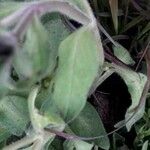
Petunia spp.
Black Velvet Petunia · Petunia · Garden Petunia · Cultivated Petunia · Black Berry Petunia
Description
Source: leafsnapPetunia (Petunia spp.) are a popular choice for both borders and pots in the yard. They are prolific bloomers, available in almost every hue except genuine blue, and feature broad, trumpet-shaped blooms with hairy, somewhat sticky leaves. There is a lot of variation within the Petunia genus, and most are hybrids: single and double blooms; ruffled and smooth petals; striped, veined, and solid colors; mounding and cascading growth patterns; and even those with a smell. Petunias are plants that grow quickly. When sown as seeds, they germinate in around 12 weeks and are ready to be planted outside after the last frost date, reaching full growth by late spring.
Care Guide
💧 Water 1-2 times a week
Like many blooming annuals, petunias don’t like to remain dry for lengthy periods. But they also don’t like to sit in moist soil, which may destroy their roots. Plus, too much water might result in leggy plants with few blossoms. In general, it's adequate to soak beds weekly with 1 to 2 inches of water when you don't get rainfall. However, certain spreading kinds and plants grown in containers often require more regular and thorough watering. Try not to let the soil dry out more than 2 inches deep.
☀️ Light
🌡️ Temperature
The optimal temperatures for petunias are around 60 degrees Fahrenheit to 75 degrees Fahrenheit during the day and 55 degrees Fahrenheit to 65 degrees Fahrenheit at night. They can endure temperatures all the way down to roughly 40 degrees Fahrenheit, but frost and freezing temperatures will harm and eventually kill the plants. Low to moderate humidity levels are optimum for these blooms.
💨 Humidity
🪴 Soil
🌱 Fertilizer
Feed petunias at the time of planting with a balanced fertilizer. It’s also useful to incorporate some compost into the soil. Then, beginning in July and continuing until the plants fade in the autumn, fertilize every two to three weeks with a liquid fertilizer formulated for blooming plants. Some of the spreading kinds require weekly fertilizing, so be sure to verify your plant’s unique care instructions.
🪴 Pot & Repot
✂️ Pruning
Pull back the stems of immature petunias when planting to encourage more branching and a larger plant. How far back to squeeze depends on the plant. If it is a short, stocky seedling, merely pinch an inch or less. But if the seedling is gangly, you may pull back the stem by half.
🌿 Propagating
🐛 Diseases & pets
☠️ Toxicity
Characteristics
- Plant Type
- Annual
- Genus
- Petunia
- Family
- Solanaceae
- Hardiness Zone
- 10-11
- Bloom Time
- Spring, summer, fall
- Native Area
- South America