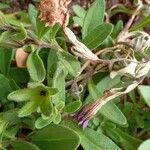
Petunia x atkinsiana
Garden Pétunia · Garden petunia
Description
Source: leafsnapPetunia x atkinsiana are herbaceous perennials that are commonly grown as annuals. Ordinarily called petunias, these flowering perennials boast single or double flowers that bloom in various colors, such as purple, pink, white, and black. These frilly blooms stand out from the deep to pale green, fuzzy leaves. Some varieties of petunias are trailing or dwarf, making the plant entirely versatile. These are popularly cultivated for bedding, containers, baskets, and window boxes.
Care Guide
💧 Water Once a week
Water your petunias well to maintain evenly moist but not soggy soil. Deeply soak the soil every week until about 6 to 8 inches are damp. Mulching around your plants will help preserve soil moisture.
☀️ Light
🌡️ Temperature
Petunias are hardy in USDA zones 9 through 11. They generally grow best in average household temperatures ranging between 65°-75° degrees Fahrenheit. It’s common to cover the pots loosely to help keep the humidity levels high.
💨 Humidity
🪴 Soil
🌱 Fertilizer
Feed your young petunias with a slow-acting, balanced, all-purpose granular fertilizer. Mature blooms will benefit from a monthly application of liquid water-soluble fertilizer. Double flowers should also receive a double application per month.
🪴 Pot & Repot
✂️ Pruning
Once the seedling reaches about 6 inches tall, you can begin pinching back the central stems. This will encourage side stems and bushier growth. By mid-summer, cut back your petunias to about half the total size to revitalize growth. Deadhead regularly to prevent them from going to seed.
🌿 Propagating
🐛 Diseases & pets
☠️ Toxicity
Petunias are non-toxic to people and pets. All parts of the plant are considered safe, making it excellent for adding a pop of brightness to households with children and pets.
Characteristics
- Plant Type
- Annual flower
- Genus
- Petunia
- Family
- Solanaceae
- Hardiness Zone
- n/a
- Bloom Time
- Spring and summer
- Native Area
- Argentina