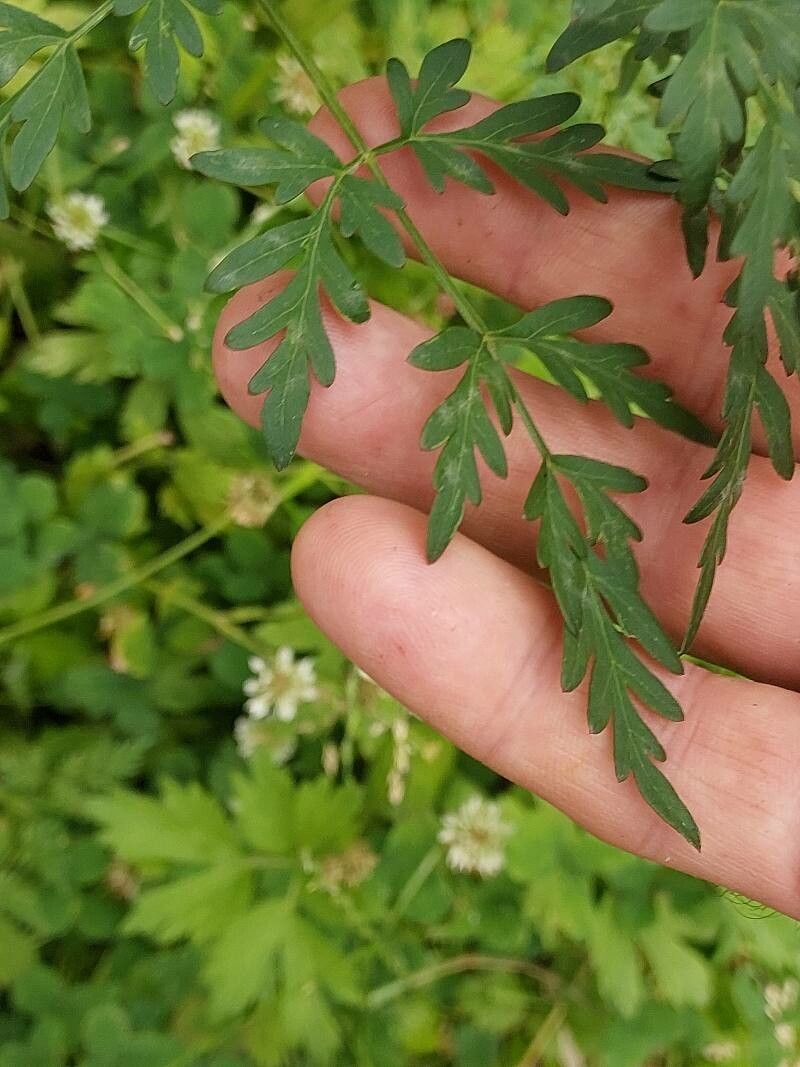
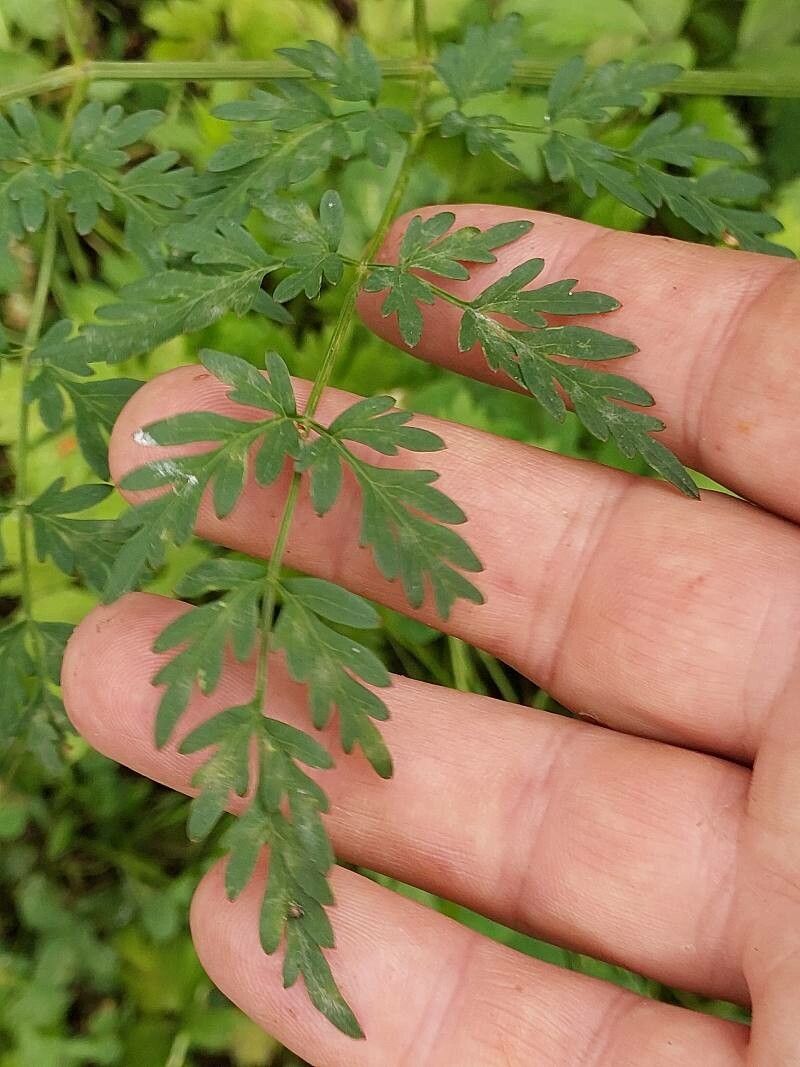
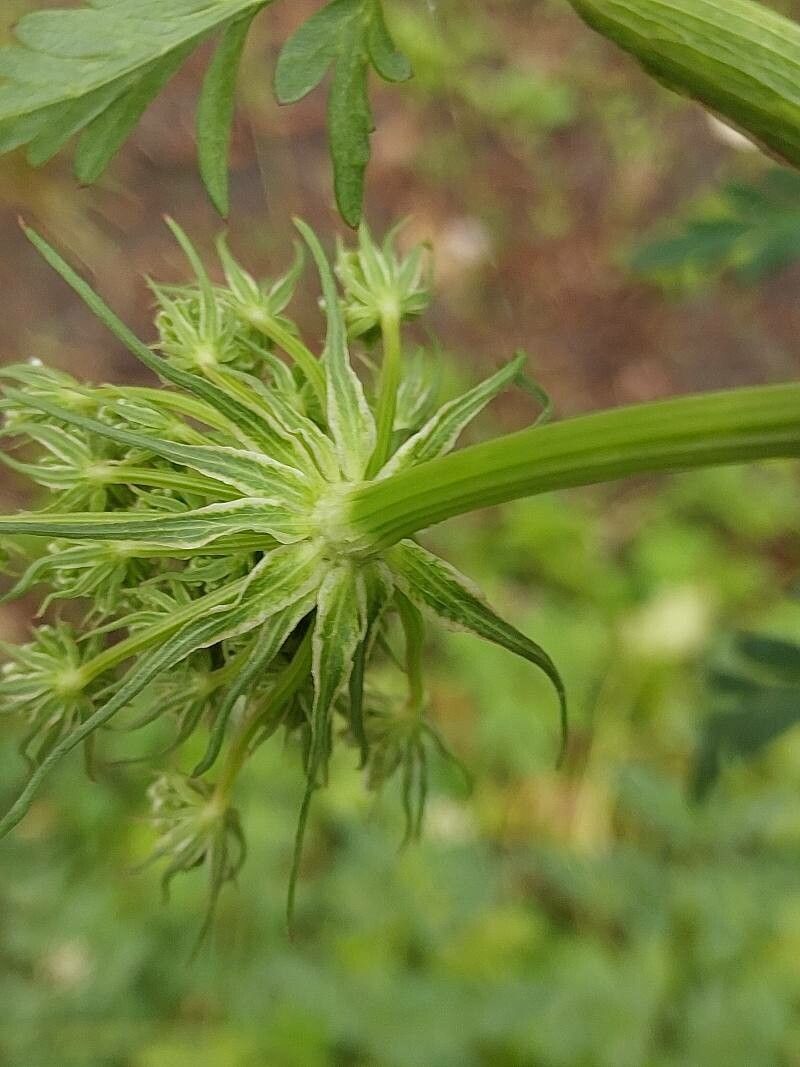
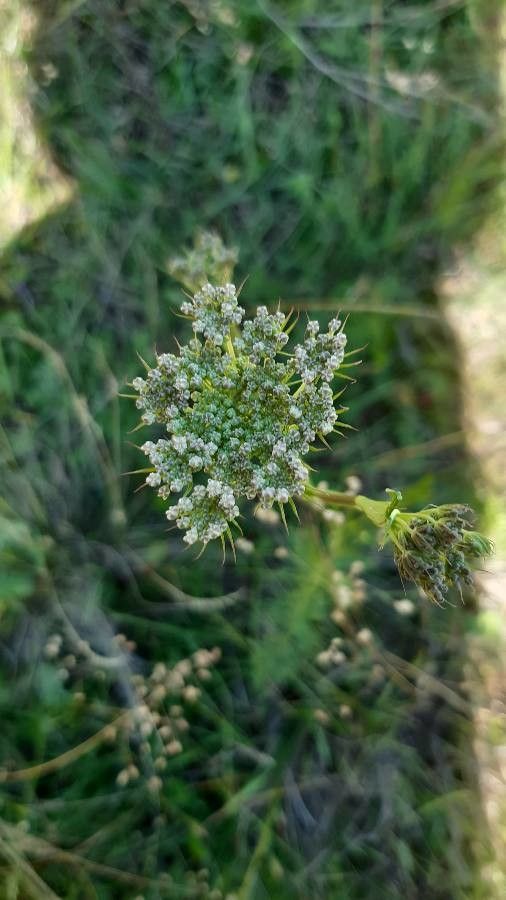
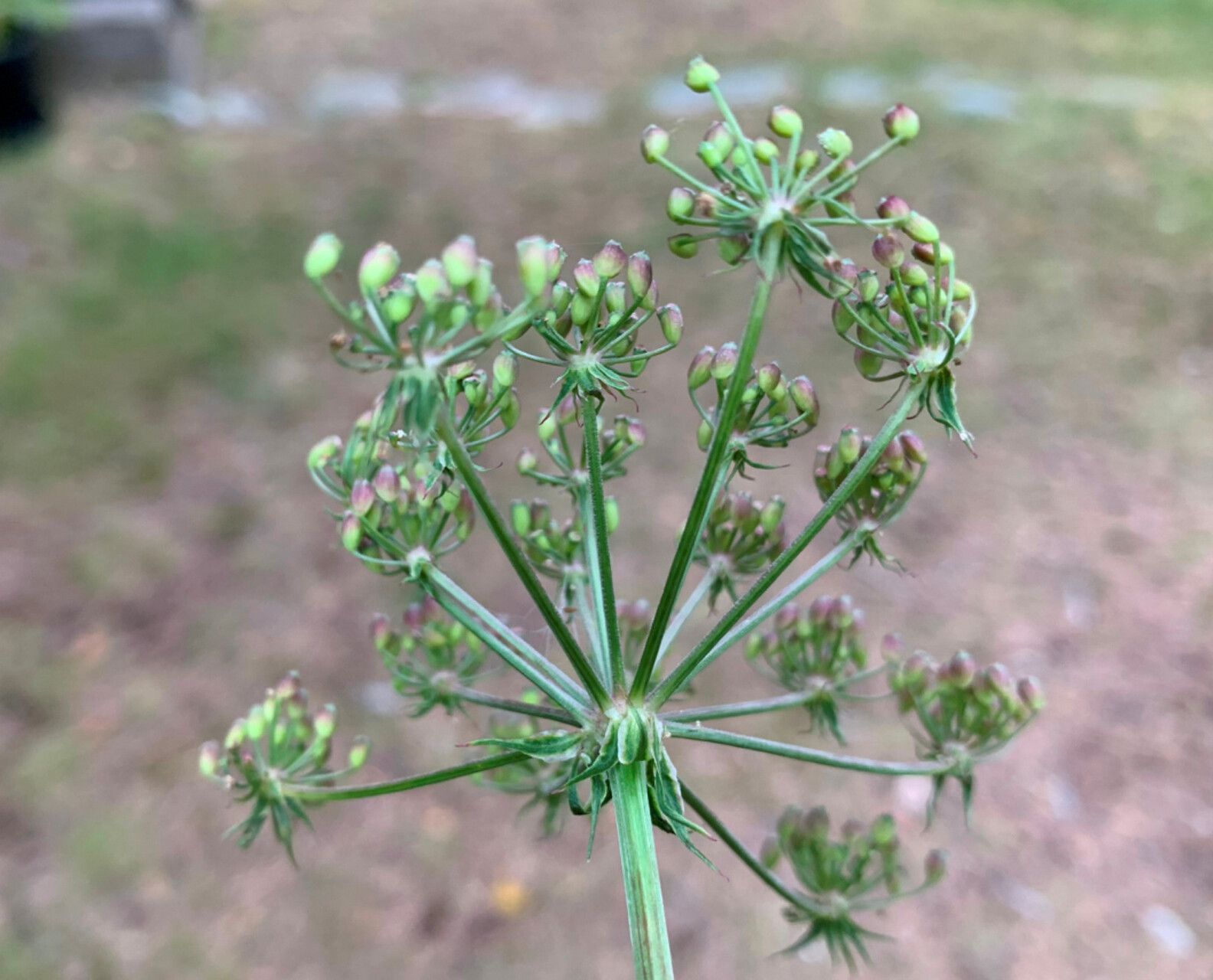
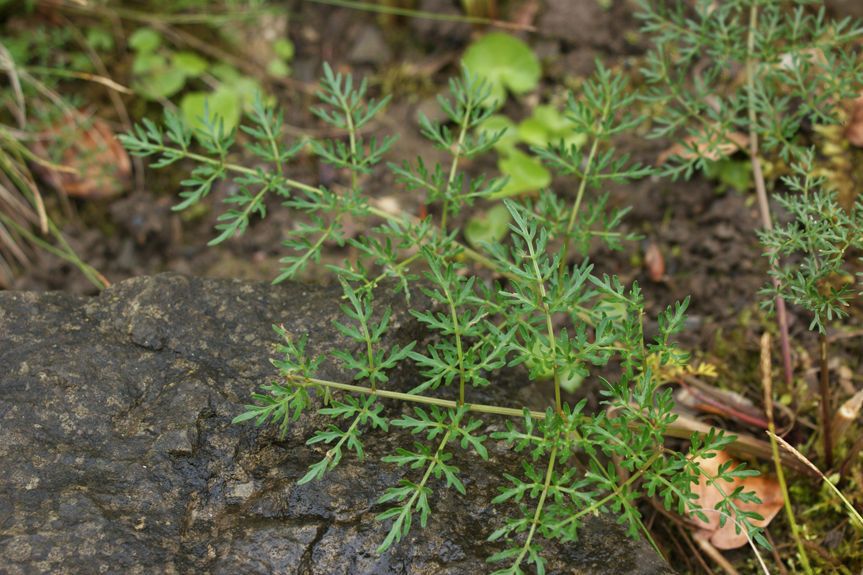
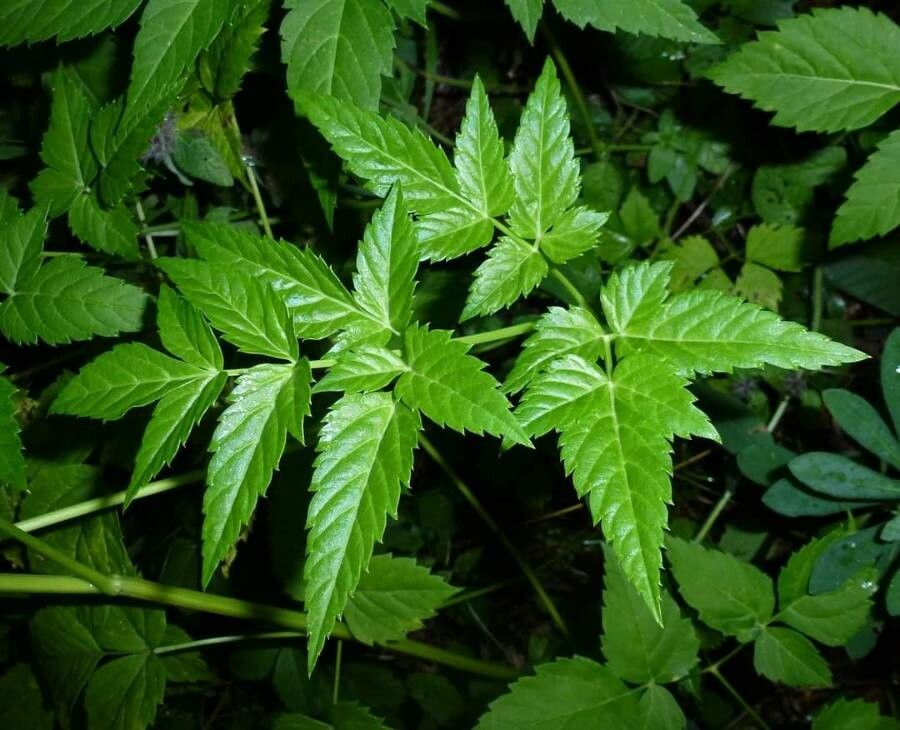
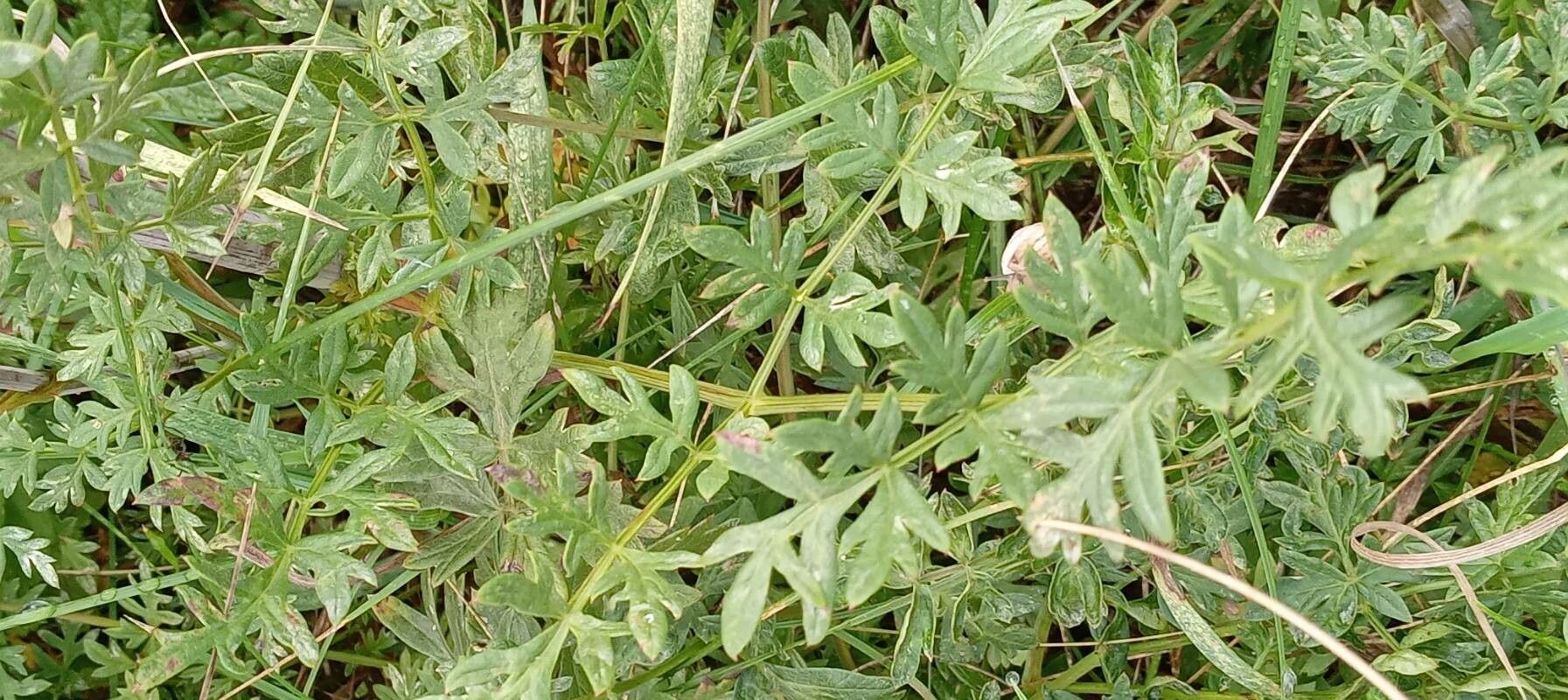
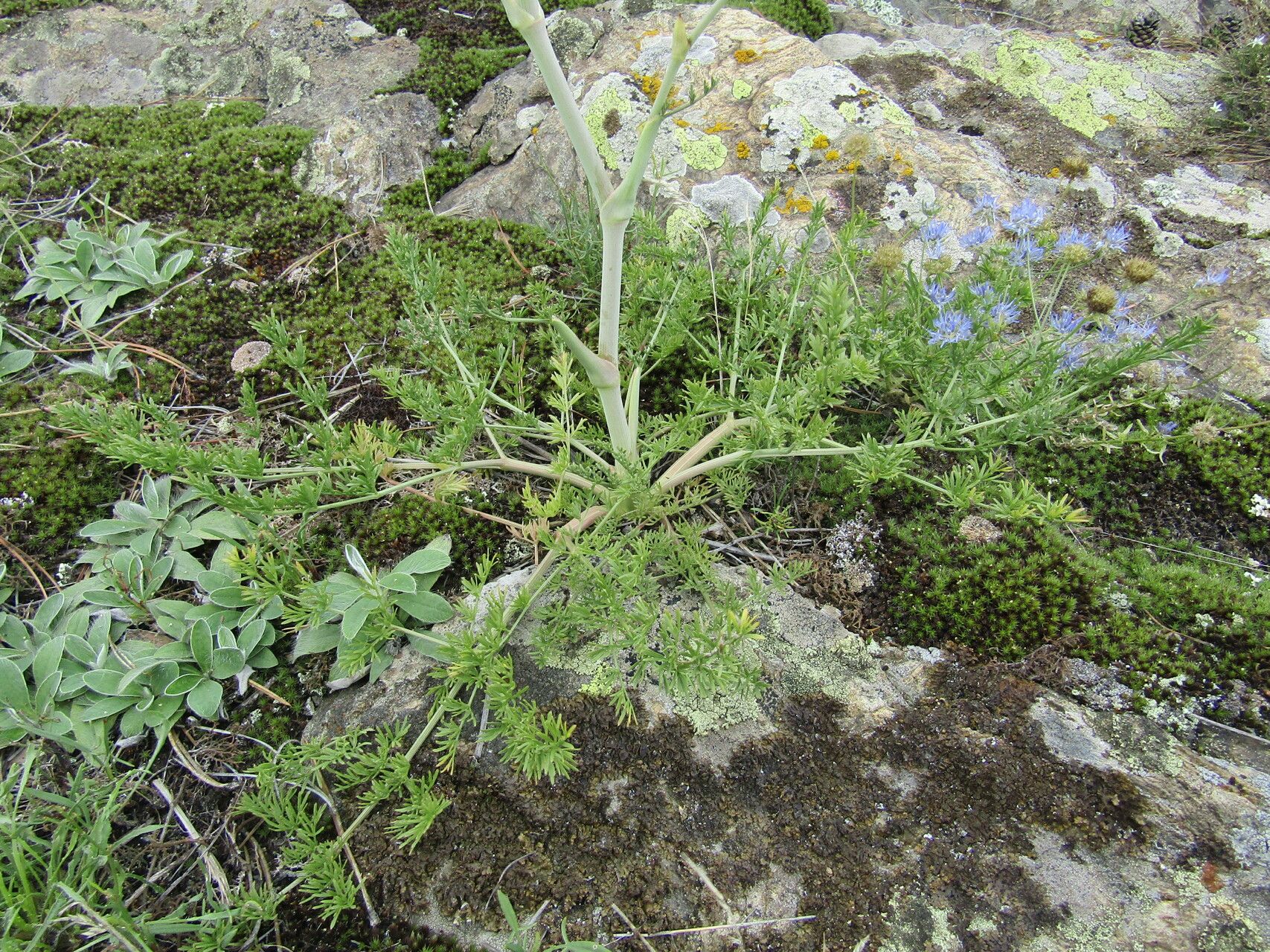
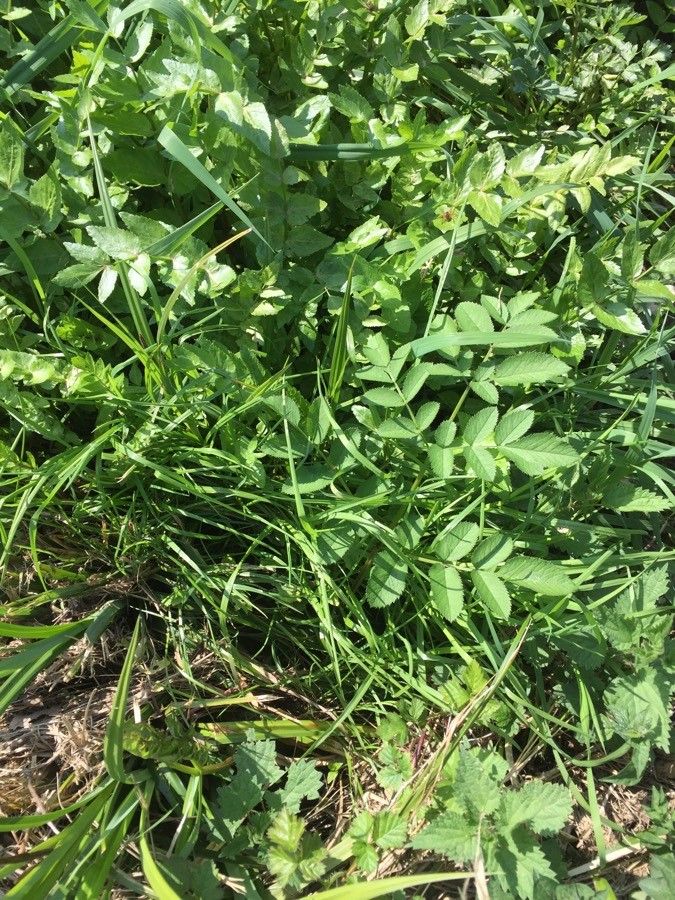
Peucedanum palustre (milk-parsley) is an almost glabrous biennial plant in the family Apiaceae. It is so called in English because of the thin, foetid, milky latex found in its young parts and is native to most of Europe, extending eastwards to Central Asia. Another English common name for the plant is marsh hog's fennel (hog's fennel (unqualified) and sea hog's fennel, by contrast, are common names of Peucedanum officinale, a perennial species in the same genus, found in drier habitats, but having similar medicinal properties). Peucedanum palustre grows (as its specific name implies) in wetlands, shallow water at the margins of rivers and estuaries and occasionally in ditches and other smaller water features. It is relatively shade-tolerant and requires seasonal submerging of the site to compete with other plants. It is well-known to lepidopterists as the main foodplant of the Old World swallowtail. Cambridge milk parsley is the common English name of a different plant: Selinum carvifolia - also an umbellifer, but belonging to a different genus. The two plants are not only similar in appearance, but also grow in similar habitats, although they may be told apart in the following manner: P. palustre has hollow, often purplish stems, pinnatifid leaf lobes and deflexed bracteoles; while S. carvifolia has solid, greenish stems, entire or sometimes lobed leaf-lobes and erecto-patent bracteoles. Also, when the two plants are in fruit, another difference becomes apparent: the three dorsal ridges on the fruit of S. carvifolia are winged, while those on the fruit of P. palustre are not.The roots of Peucedanum palustre have been used as a substitute for ginger in Southeastern Europe and likewise in Russia. The English botanist John Lindley (under the heading Peucedanum montanum) also mentions the use of the root as an antiepileptic in the region of Courland in western Latvia (with its low-lying character, marshy coastline and numerous lakes, an area conducive to the growth of the plant).
Marsh hog's fennel is fairly disease-resistant and typically not prone to illnesses. Still, it can be affected by pests and diseases present in its surroundings. Such infections are generally not severe. Regarding care, this plant requires moderate maintenance. Regular pruning is needed to preserve a tidy appearance and promote healthy growth. Fertilizing can also help encourage flowering. Marsh hog's fennel is suitable for anyone with outdoor space, such as a garden or patio, and does not demand extensive care experience. It may need more attention when grown indoors.
How to keep Peucedanum Palustre.
Light
Marsh hog's fennel is native to habitats with dappled light, for example forest understories or rocky spots that provide natural shade. It does best in partial sun yet can also tolerate full sun conditions.
Temperature
Marsh hog's fennel can adjust to a wide variety of temperatures, but its range may still be restricted by different combinations of water and heat. It grows best in warm summer climates with sufficient rainfall or watering. Extended periods of cloudy, rainy weather, as well as prolonged high temperatures, can raise the chance of Marsh hog's fennel dying. In winter, protecting it from the cold can increase the plant's survival rate.
Fertilizer
Marsh hog's fennel are considered heavy feeders in regard to nutrients. They need frequent, low doses of nitrogen and potassium fertilizers and periodic applications of phosphorus, micronutrients, sulfur, and magnesium to maintain good growth and bright coloration. Continuous fertilization throughout the growing season is needed to prevent deficiency symptoms and maintain optimal growth.
Botanical profile.
- Plant Type
- Herb
- Life Cycle
- Biennial
- Genus
- Peucedanum
- Family
- Apiaceae
- Hardiness Zone
- 4-8
- Mature Height
- 0.49 m to 1.52 m
- Mature Spread
- 30 cm to 61 cm
- Leaf Color
- Dark Green
- Leaf Type
- Deciduous
- Flower Color
- White
- Flower Size
- 0.25 cm to 0.51 cm
- Bloom Time
- Summer
- Planting Time
- Spring, Autumn
- Harvest Time
- Early fall, Mid fall
- Native Area
- Sweden, Austria, Slovakia, Bulgaria, Poland, Croatia, Slovenia, Ukraine, Serbia, Russia, Lithuania, Norway, Hungary, Germany, Italy, Switzerland, Denmark, Estonia, Finland, France, United Kingdom, Romania, Latvia, Belgium, Netherlands
Other names.