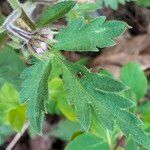
Phacelia bipinnatifida
Fernleaf phacelia
Description
Source: leafsnapPhacelia bipinnatifida, commonly known as fernleaf phacelia, is a flowering plant species in the borage family. Native to western North America, it thrives in diverse habitats such as deserts, grasslands, and forests. The plant usually grows to a height of 1 to 2 feet and features fern-like leaves that are intricately divided into numerous small leaflets. Its small, bell-shaped flowers, each with five petals, vary in color from blue to purple. Fernleaf phacelia is significant for pollinators like bees and other insects due to its high nectar production. Additionally, it possesses medicinal properties, as it contains compounds with demonstrated anti-inflammatory effects. Overall, Phacelia bipinnatifida is a beautiful and beneficial addition to any garden or natural landscape setting.
Care Guide
💧 Water Every 7 days
Fernleaf phacelia is well-suited to moderate climates, where it thrives in consistently moist soil and balanced humidity. Ideally, it should be watered once a week, although it can withstand brief periods of dryness. The amount of water it needs can vary with the seasons, mirroring its natural growth cycles.
How should I water my Fernleaf phacelia?
To ensure the health of your Fernleaf phacelia plant, it's best to use filtered water at room temperature. Tap water can contain harmful particles. The plant prefers room temperature or slightly warmer water as it is used to a warm environment. Avoid watering from above, as it can harm the foliage. Instead, apply filtered room temperature water directly to the soil until it is fully soaked. This benefits the plant by moistening the roots and facilitating nutrient absorption.
What should I do if I give my Fernleaf phacelia plant too much water or too little water?
Overwatering is a common issue that can harm your Fernleaf phacelia. It causes wilting and yellowing of the stems and leaves. Over time, it can also lead to diseases like root rot, mold, and mildew, which can be fatal for your plant. Underwatering is less likely, but it can cause brittle and brown leaves. It is important to identify signs of overwatering early and reduce watering immediately. If the soil drains poorly, replace it with a well-draining potting mix. If you notice signs of underwatering, simply water more regularly until the signs go away.
How frequently should I water my Fernleaf phacelia plant?
To determine if your Fernleaf phacelia needs water, there are different methods depending on whether it is in a pot or grown outdoors. For potted plants, simply plunge your finger into the soil and if the top two to three inches are dry, it's time to water. The same applies for plants grown in the ground - check if the first few inches of soil have dried out. Typically, watering this plant about once a week during spring and early fall is sufficient. However, during hot weather, you may need to water twice a week or more. It's worth noting that mature, well-established Fernleaf phacelia can handle drought conditions well.
How much water should I give my Fernleaf phacelia?
When watering your Fernleaf phacelia, don't be afraid to give it a generous amount of water. Make sure the top two to three inches of soil are dry before watering, and then water thoroughly until the soil is completely soaked. You'll know you've added enough water when it starts flowing out of the drainage holes at the bottom of the pot. If you don't see any excess water draining, you may not have given enough water. However, be careful not to let water accumulate inside the soil, as this can harm the plant. On the other hand, if you don't see any water draining, it could be a sign that the soil doesn't drain well, which is not good for the plant's health. If the plant is outdoors, it only needs about one inch of rain per week.
How do I water my Fernleaf phacelia at different stages of growth?
The water needs of the Fernleaf phacelia can change depending on its growth stages. When the plant is in its early years or has just been transplanted, it requires more water than usual. During this period, the plant focuses its energy on growing new roots, which need more moisture to support future growth. As the plant matures, it will require less water. Additionally, during the bloom period, the plant needs more water due to the significant amount of moisture used for flower development.
☀️ Light Partial sun
Fernleaf phacelia favors sites with moderate sunlight, though it can tolerate shadier spots. In its native environment it does well beneath the cover of surrounding plants. Too much sun can stress the plant, while too little light may restrict its growth and flowering.
What are the sunlight requirements for Fernleaf phacelia?
Fernleaf phacelia requires a moderate amount of sunlight and can thrive in areas with partial sun, defined as about 3-6 hours of sunlight. It can also tolerate full shade conditions, where it receives less than 3 hours of sunlight per day. Observing how sunlight moves through your garden and choosing locations that offer a balance of light and shade are essential for the plant's well-being. In its natural habitat, the plant flourishes under the cover of other plants, so too much sun can stress it, while not enough light might reduce growth and flowering.
What artificial lighting considerations should be made for indoor Fernleaf phacelia plants?
When natural sunlight is not enough for Fernleaf phacelia, especially in winter or less sunny spaces, artificial lighting can be a crucial solution. Adequate lighting ensures optimal growth. It's important to select the appropriate type of artificial light, with LED lights being a popular choice due to their ability to provide specific wavelengths needed by plants. Full sun plants typically require 30-50W/sq ft, partial sun plants need 20-30W/sq ft, and full shade plants benefit from 10-20W/sq ft of artificial light. The light source should be placed 12-36 inches above the plant to emulate natural sunlight. Most plants, including Fernleaf phacelia, need 8-12 hours of light per day to mimic the natural length of daylight hours they would receive outdoors.
How can inadequate lighting affect Fernleaf phacelia, and what are the solutions?
Fernleaf phacelia exhibits certain symptoms when suffering from inadequate light, such as small leaves, leggy or sparse growth, faster leaf drop, slower or halted growth, lighter-colored new leaves, chlorosis, sunscald, leaf curling, wilting, and leaf scorching. These symptoms indicate either insufficient light or excessive exposure. To address insufficient lighting indoors, you can gradually shift the plant to sunnier spots each week until it receives 3-6 hours of direct sunlight daily or use artificial lighting like desk, ceiling lamps, or professional plant grow lights for at least 8 hours daily. For outdoor plants, moving them gradually to sunnier locations can help, but it's crucial to avoid sudden changes to prevent sunburn. Reducing obstructions like pruning branches or moving plants to better-lit areas can also significantly improve sunlight access.
🌡️ Temperature 0–32.2°C
Fernleaf phacelia prefers warm climates and grows best at temperatures of 68–95 °F (20–35 ℃). Being native to temperate regions, copying those conditions will give the best growth.
What are the ideal growing conditions for Fernleaf phacelia?
Fernleaf phacelia thrives in warmer climates, preferring temperatures ranging between 68 to 95 °F (20 to 35 °C). Originating from temperate environments, it's best to mimic these conditions for optimal growth. The plant has a strong resistance to cold and usually does not require special frost protection measures during winter. However, if temperatures are expected to dip below -35°C, it's important to protect the plant by covering it with soil or straw. Additionally, watering the plant abundantly before the first freeze in autumn is recommended to keep the soil moist, which helps prevent drought and water scarcity during winter and early spring.
What should I do if the Fernleaf phacelia experiences low temperatures?
Fernleaf phacelia is cold-tolerant, performing best when temperatures stay above 20°C but should be kept above 0°C during the winter. If temperatures fall below -35°C, there might not be noticeable changes during winter, but there could be a decrease in sprouting or no sprouting at all during springtime. To counteract this, in spring, you should remove any parts of the plant that have failed to sprout.
How should I care for Fernleaf phacelia during high temperatures?
In the summer, it's essential to ensure that Fernleaf phacelia is kept below 35°C. If temperatures rise above 38°C, the leaves may lighten in color, curl, become susceptible to sunburn, and in severe cases, the entire plant may wilt and dry out. To manage this, trim away the sunburned and dried-up parts of the plant. Move the plant to a shaded location or use a shade cloth to protect it from direct midday and afternoon sun. Additionally, water the plant in the morning and evening to maintain soil moisture.
💨 Humidity
🪴 Soil 6-7
🌱 Fertilizer
Fernleaf phacelia requires regular feeding to encourage flowering but does not tolerate too much. Apply light amounts of fertilizer frequently throughout its life, particularly during peak growth and while it is flowering. Continue feeding your Fernleaf phacelia until it stops blooming.
Why should I put fertilizer on my Fernleaf phacelia?
Fernleaf phacelia, known for their colorful, leafy foliage, require nitrogen and potassium for rapid foliage growth and root development. Nitrogen also helps promote taller and fuller plants.
When should I fertilize my Fernleaf phacelia?
Fernleaf phacelia is a type of plant that requires a lot of nutrients due to its rapid growth, large leaves, and high water content. To ensure proper growth and prevent deficiency symptoms, you need to provide fertilizer throughout the entire growing season. It used to be believed that once Fernleaf phacelia started changing colors in the fall, their nutrient needs significantly decreased, and you could reduce or stop applying fertilizer. However, research has shown that providing small amounts of nitrogen fertilizer after the plant has matured can be beneficial. This won't affect the coloration significantly and will help prevent the bottom leaves from turning yellow and falling off.
When is not a good time to fertilize my Fernleaf phacelia?
Sometimes, fertilizer can actually harm Fernleaf phacelia instead of helping it, especially if the plant is already stressed for another reason. It is important to avoid fertilizing when the plant is struggling with diseases such as leaf spot, black rot, or blackleg, or insect problems like aphids, spider mites, or whiteflies. This is because adding fertilizer can weaken the plant's defenses, making it more susceptible to other pest problems or disease infections. Additionally, it is best to avoid fertilizing when the soil surface has become hardened or too dry. In this case, fertilizing could potentially burn the plant's roots. Instead, it is recommended to water the potting soil slightly to make it moist before applying fertilizer.
What kind of fertilizer should I use for my Fernleaf phacelia?
Fertilizers are comprised of nitrogen, potassium, phosphorus, and other important nutrients like iron, manganese, and zinc. These elements are essential for promoting growth in Fernleaf phacelia. A balanced fertilizer, such as an all-purpose one with a 10-10-10 NPK number, is effective for Fernleaf phacelia. Natural options like blood meal or worm castings also work well. Alternatively, a fertilizer higher in nitrogen, like fish fertilizer, can be chosen to specifically support leaf development, which is often the desired feature of Fernleaf phacelia. If your goal is not to promote flower or seed growth, there is no need to provide excessive supplements for those purposes.
How can I give nutrients to my Fernleaf phacelia plant?
When growing container plants, there are different fertilization recommendations based on the type of potting soil used. If your potting soil already has slow-release fertilizer, you do not need to fertilize the seeds when planting. The initial fertilizer in the soil, along with the nutrients in the seed's endosperm, will be sufficient for the first few weeks. However, if your potting soil does not contain fertilizer, you should add a small amount of slow-release starter fertilizer to the potting mix before filling the containers. Once your plants are about four weeks old, you should start fertilizing them every two weeks. The recommended rate of fertilization should be between one-third to one-half of what is stated on the product label. You should continue with this fertilization schedule until Fernleaf phacelia reaches full maturity. Once the plant reaches full maturity, you can reduce the frequency of fertilization to once every three to four weeks. You can either maintain the same diluted strength or fertilize at one-quarter of the recommended rate every two weeks.
🪴 Pot & Repot
✂️ Pruning
Pruning fernleaf phacelia from early to late spring helps remove spent flowers and dead stems, which encourages new blooms, denser growth, and improved air circulation. To keep your plants healthy and appealing, make sure to use clean, sharp tools. Doing so will help prevent infections and reduce the risk of disease.
🌿 Propagating
🐛 Diseases & pets
☠️ Toxicity
Characteristics
- Plant Type
- Herb
- Life Cycle
- Biennial, Annual
- Genus
- Phacelia
- Family
- Boraginaceae
- Hardiness Zone
- 3-8
- Mature Height
- 30 cm to 91 cm
- Mature Spread
- 0.91 m to 1.22 m
- Leaf Color
- Green, Dark Green
- Leaf Type
- Semi-evergreen
- Flower Color
- Purple, Blue, Lavender, White, Pink
- Flower Size
- 2.54 cm
- Bloom Time
- Mid spring, Late spring, Early summer
- Planting Time
- Spring
- Harvest Time
- Summer