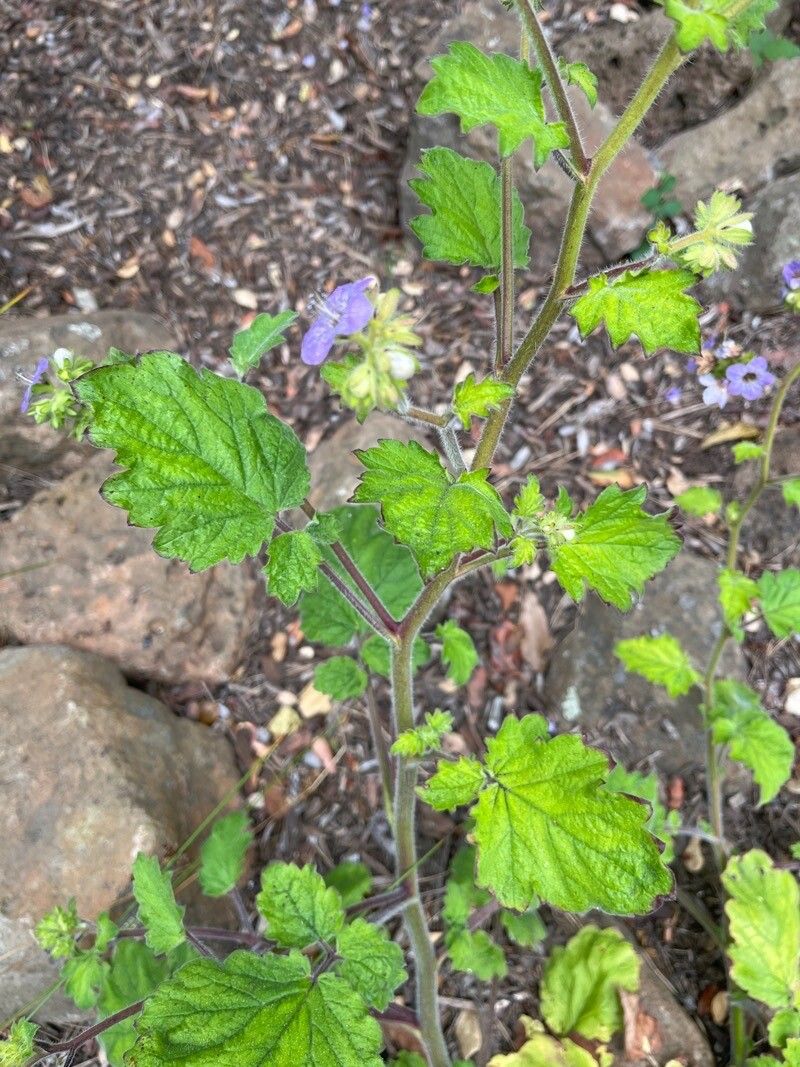
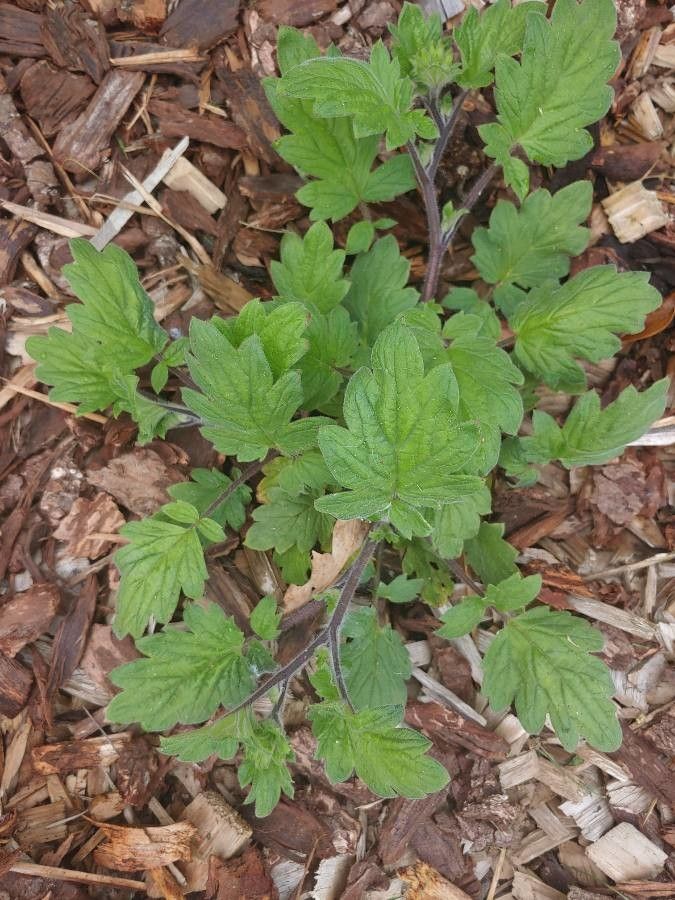
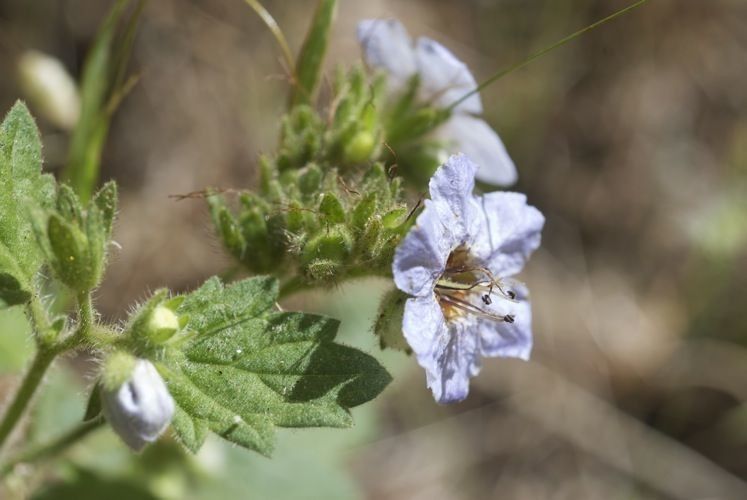
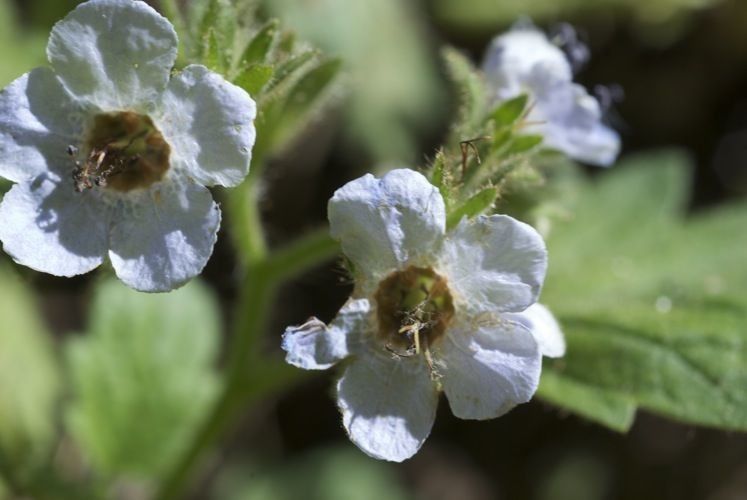
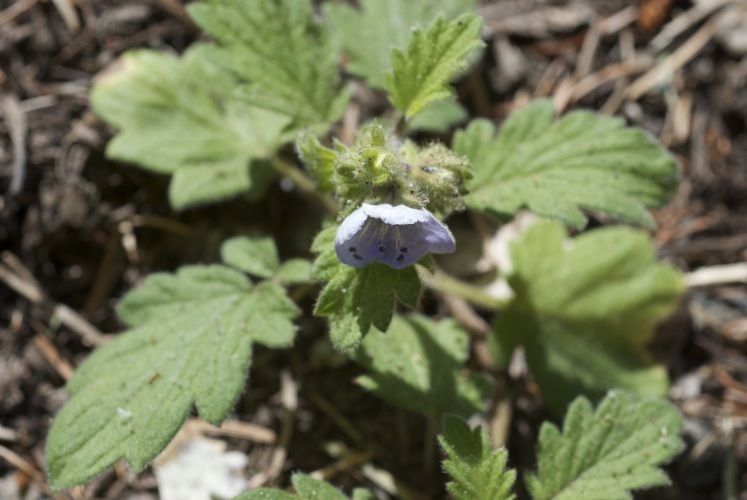
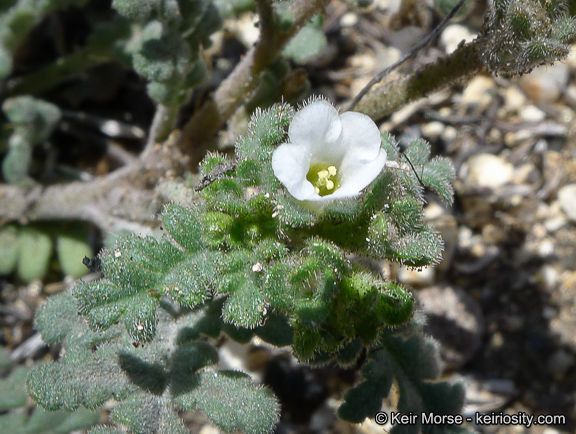
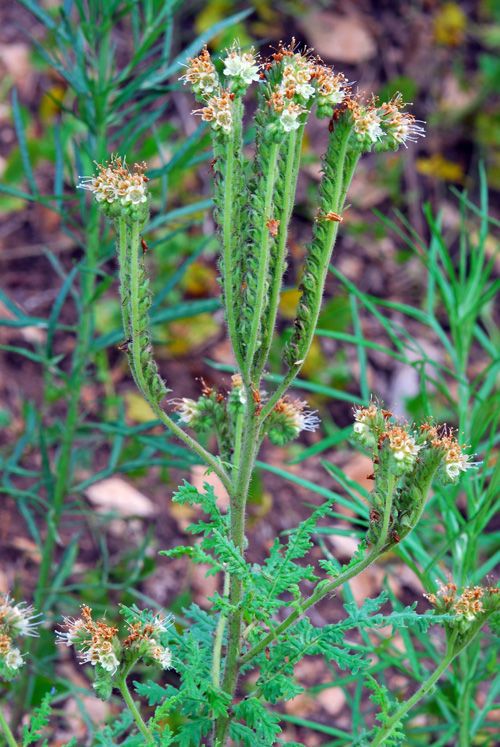
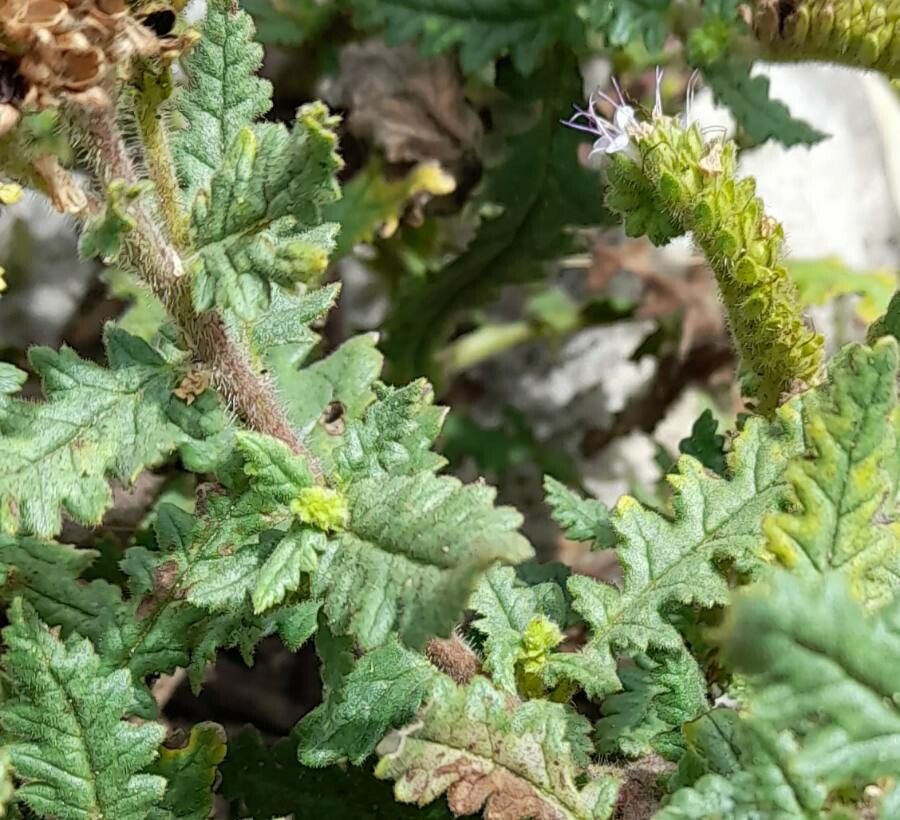
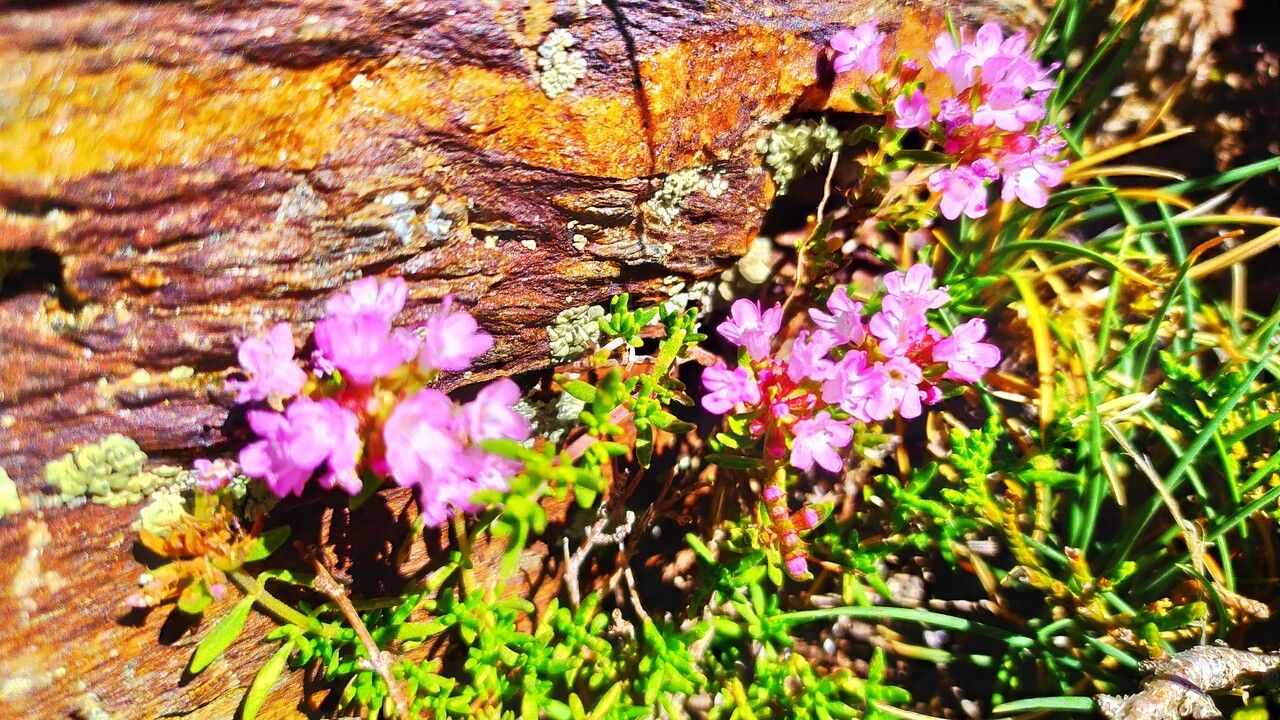
Phacelia bolanderi is a species of flowering plant known by several common names, including Bolander's phacelia, Bolander's scorpionweed, blue-flowered grape-leaf, and caterpillar flower. The plant is native to Oregon and coastal northern California. It was named for the California botanist Henry Nicholas Bolander. It bears attractive papery inch-wide purple, lavender, or blue flowers and strongly toothed leaves which resemble those of grape. The plant blooms later than most others, and is commonly in flower during the hottest summer months.
Bolander's phacelia has strong resistance to disease and is generally not prone to illnesses. Still, it can be affected by pests and diseases found in its environment. Such infections are typically mild. Regarding care, the plant needs a moderate amount of attention. It should be pruned regularly to preserve a neat appearance and healthy growth. Fertilizing can also encourage flowering. Bolander's phacelia is well suited to outdoor spaces like gardens or patios and does not demand extensive gardening experience. It may need more attentive care when kept indoors.
How to keep Phacelia Bolanderi.
Light
Bolander's phacelia occurs naturally in habitats like forest understories and rocky sites, where it grows in natural shade. It prefers partial sun but can tolerate both full sun and full shade, illustrating its adaptable, hardy nature.
Water
Bolander's phacelia thrives in consistently moist environments and requires weekly watering without becoming waterlogged. Typically grown outdoors, this plant does best in areas where soil moisture is naturally regulated by rainfall and climate, which supports its growth and dormancy cycles.
Temperature
Bolander's phacelia can tolerate a wide range of temperatures, but its distribution may still be restricted by particular combinations of moisture and heat. It does best in warm summer climates with sufficient rainfall or watering. Extended periods of cloudy, rainy weather or prolonged high temperatures increase the chance of Bolander's phacelia dying. In winter, protecting it from cold can improve its survival.
Fertilizer
The best time to fertilize Bolander's phacelia is in early spring, as it breaks dormancy and begins active growth. Fertilizing supplies essential nutrients for healthy development. While Bolander's phacelia has relatively low fertilizer requirements, applying fertilizer yearly can improve its survival and encourage better, longer-lasting flowers.
Pruning
Bolander's phacelia showcases beautiful purple flowers and delicate foliage. To keep the plant healthy, it's important to prune it strategically from early to late spring. Remove spent blooms and dead stems to encourage new growth and prevent disease. Additionally, thin out overcrowded areas to improve air circulation, which supports healthy growth and vibrant displays.
Botanical profile.
- Plant Type
- Herb
- Life Cycle
- Perennial
- Genus
- Phacelia
- Family
- Boraginaceae
- Hardiness Zone
- 7-10
- Mature Height
- 30 cm to 61 cm
- Mature Spread
- 15 cm to 30 cm
- Leaf Color
- Green, Dark Green
- Leaf Type
- Semi-evergreen
- Flower Color
- Purple, Lavender
- Flower Size
- 1.02 cm to 1.52 cm
- Bloom Time
- Mid spring, Late spring, Early summer
- Planting Time
- Spring, Autumn
- Harvest Time
- Summer
Other names.