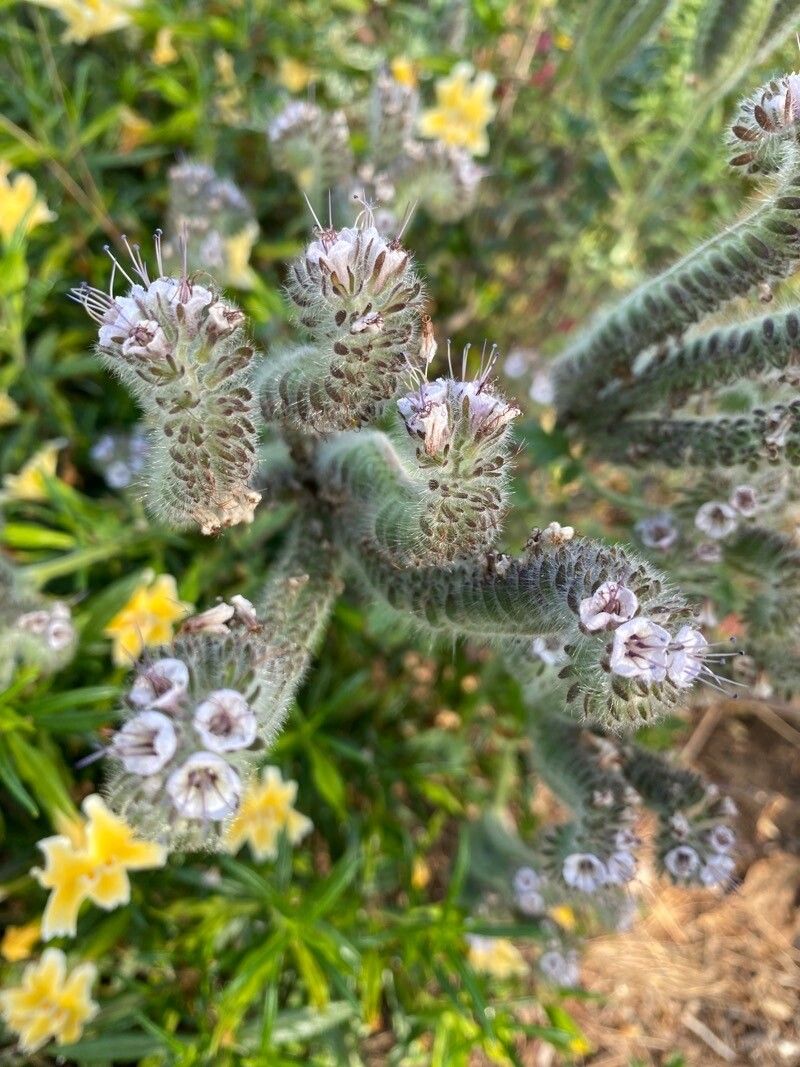
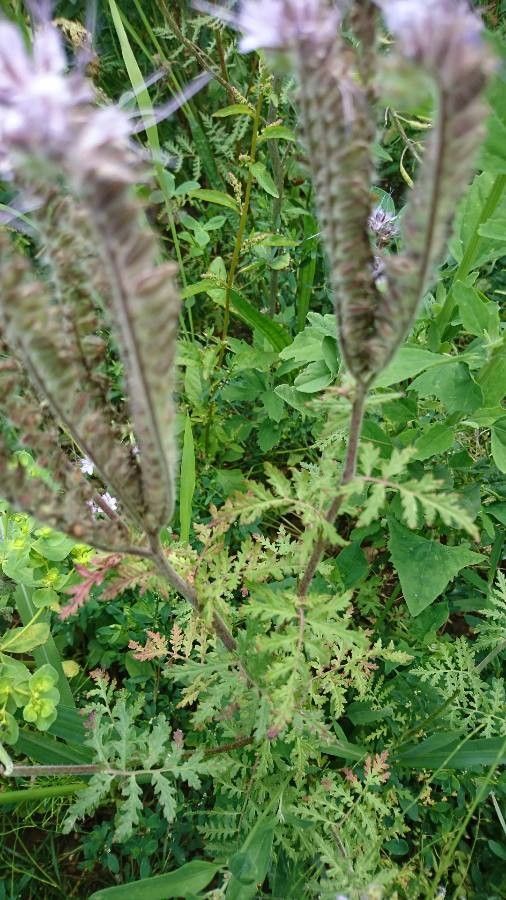
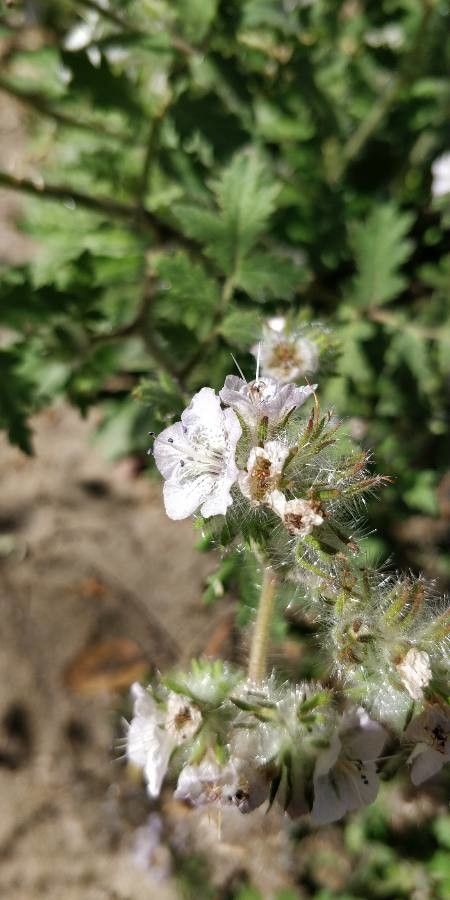
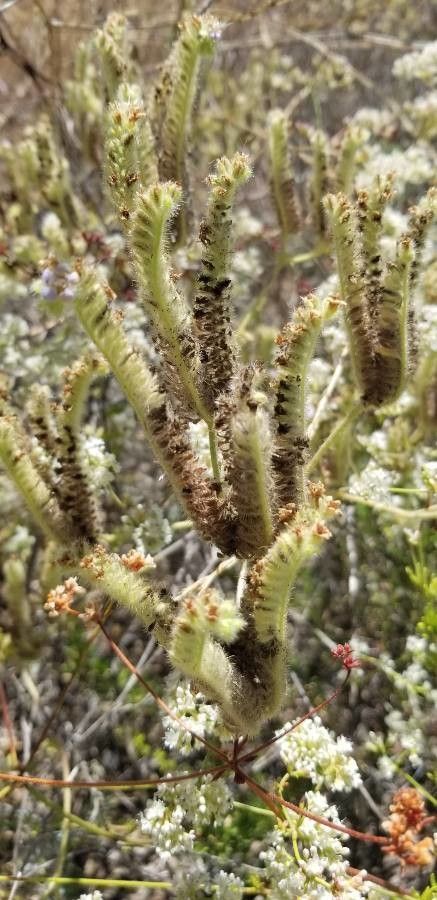
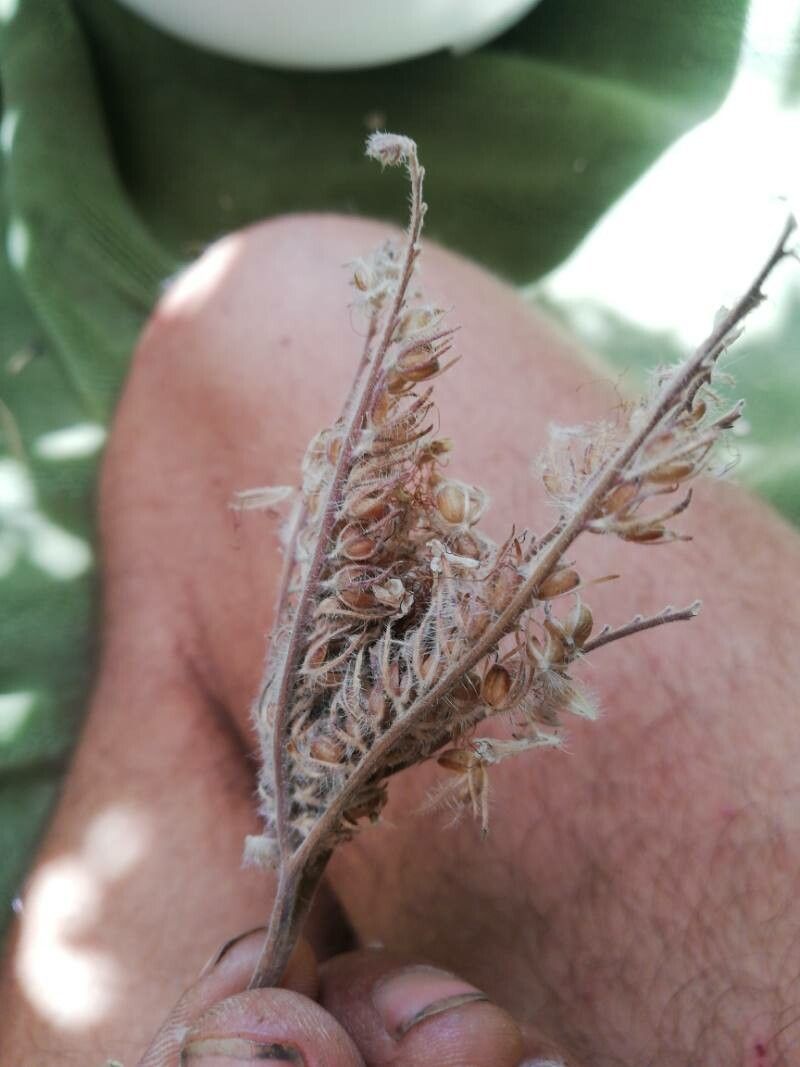
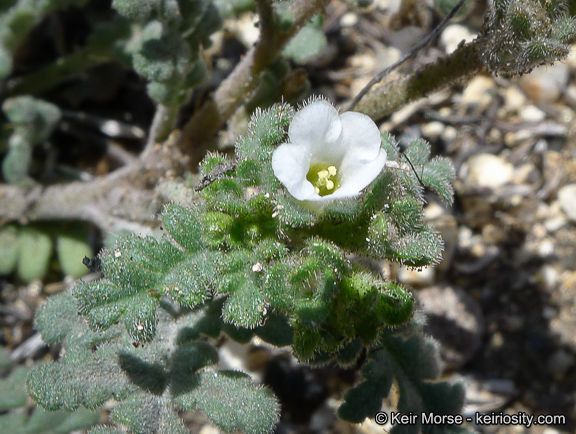
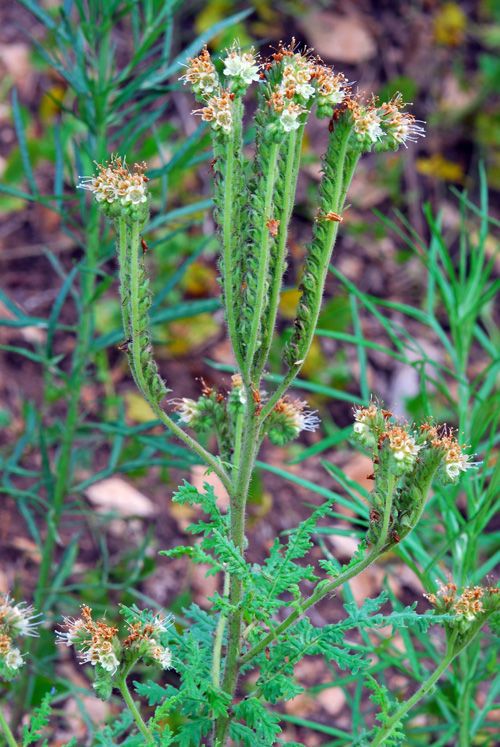
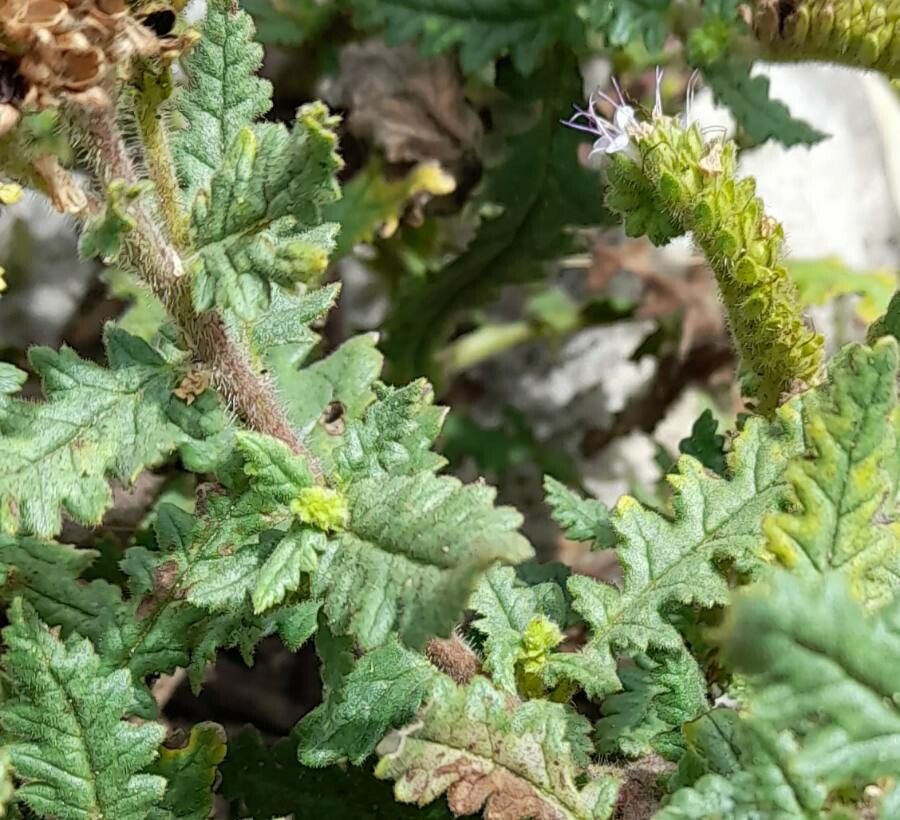
Phacelia cicutaria, with the common names caterpillar phacelia or caterpillar scorpionweed, is an annual species of Phacelia. It is native to California, southern Nevada, and Baja California. It grows mainly in chaparral habitats, frequently in burnt areas or on rocky slopes.
Caterpillar phacelia has good disease resistance and is generally not prone to disease. However, it can be vulnerable to pests and diseases present in its surroundings. These infections are usually mild. In terms of care, this plant requires moderate maintenance. It should be pruned regularly to maintain a neat appearance and healthy growth. Fertilizing can also help encourage flowering. Caterpillar phacelia is suitable for anyone with outdoor space, such as a garden or patio, and does not demand much gardening experience. It may need more attention when grown indoors.
How to keep Phacelia Cicutaria.
Light
Caterpillar phacelia flourishes with abundant sunlight, although it can tolerate slightly shaded conditions. Native to open habitats, it favors sun-dominated locations. Throughout its growth stages, ample sun promotes strong development. Both excessive and insufficient light can hinder its growth and overall health.
Water
Caterpillar phacelia, a plant native to arid regions, is highly drought-tolerant and requires very little moisture to thrive. It efficiently stores water and grows well when watered once a week. This plant prefers full sun and benefits from the heavy rains during the rainy season, which contribute to its growth. Caterpillar phacelia is an annual herb that is primarily cultivated outdoors.
Temperature
Caterpillar phacelia originates from temperate areas and performs best at temperatures of 68 to 95 °F (20 to 35 °C). For optimal growth, it is recommended to modify the surrounding temperature to match these conditions, particularly during harsh seasons.
Fertilizer
When most of Caterpillar phacelia's blooms have opened to full size, resume fertilizing. Around the period of peak bloom production, apply fertilizer every three to four weeks, weather permitting. Then, when Caterpillar phacelia begins producing fewer new blooms, stop fertilizing; there is no need to fertilize once the plant can no longer produce additional blooms.
Pruning
Caterpillar phacelia is known for its lush foliage and vibrant flowers, and it thrives best in sunny locations. To promote healthy growth, prune the plant in early spring. Be sure to remove any dead stems and use clean tools to prevent disease. Proper pruning improves air circulation and light penetration, helping the plant grow strong and beautiful.
Botanical profile.
- Plant Type
- Herb
- Life Cycle
- Annual
- Genus
- Phacelia
- Family
- Boraginaceae
- Hardiness Zone
- 8
- Mature Height
- 30 cm to 61 cm
- Mature Spread
- 30 cm to 61 cm
- Leaf Color
- Green, Dark Green
- Leaf Type
- Semi-evergreen
- Flower Color
- Lavender
- Flower Size
- 2.54 cm
- Bloom Time
- Spring
- Planting Time
- Spring, Summer, Autumn
- Harvest Time
- Late spring, Early summer, Mid summer
- Native Area
- Mexico
Other names.
Reader questions.
How should I water my Caterpillar phacelia?
Caterpillar phacelia can be watered using a garden hose, spray nozzle, watering can, or any common watering tool. They are not too particular about their water source, as they can thrive with rainwater, tap water, or filtered water. It's best to avoid watering from above, as it can harm the leaves and flowers and lead to diseases. Using a drip irrigation system is often the ideal way to water this plant, as it provides even and direct watering to the soil. For container-grown Caterpillar phacelia, the same watering principles apply, but different tools like a cup or watering can can be used to water directly to the soil.
What are the sunlight requirements for Caterpillar phacelia?
Caterpillar phacelia requires full sun exposure, meaning it needs above 6 hours of sunlight daily to thrive. However, it can also manage in partial sun conditions, which constitutes around 3-6 hours of sunlight. Observing how sunlight moves through your garden and picking the right spots is crucial for the plant's health. This ensures a perfect balance of light and shade, promoting the plant's happiness and robust growth.
What is the native climate for Caterpillar phacelia and how should it be cared for in different seasons?
Caterpillar phacelia, botanically known as Phacelia cicutaria, is native to temperate regions and thrives best in temperatures ranging from 68 to 95 °F (20 to 35 °C). To ensure optimal growth, it's important to adjust ambient temperatures to these preferences, particularly during harsh seasons. Caterpillar phacelia possesses strong cold resistance, meaning special frost protection measures are usually not required during winter. However, if winter temperatures are expected to drop below -10°C, it's crucial to provide cold protection by covering the plant with materials such as soil or straw. Before the first freeze in autumn, abundantly watering the plant to ensure the soil remains moist and enters a frozen state is recommended. This practice helps prevent drought and water scarcity for the plant during winter and early spring.
What should I do if I give my Caterpillar phacelia too much water or too little water?
If you notice that your Caterpillar phacelia is not getting enough water, the solution is simple - water it more frequently. However, be careful not to overwater it, as this can result in serious problems. Overwatering can lead to diseases that can cause the plant to decline and ultimately die. To prevent this, choose a sunny location with good soil drainage, so excess water can drain away instead of pooling and creating waterlogged soil. If you have overwatered your potted Caterpillar phacelia, you may need to transfer it to a new pot with better drainage. When repotting, use loose soil and a pot that allows for efficient draining.
What essentials should be considered for growing Caterpillar phacelia effectively?
For optimal growth, Caterpillar phacelia needs a lavish exposure to sunlight and can endure slightly shaded conditions. Endemic to open environments, it favors sun-dominant places. Throughout its growth phases, ample sunlight is essential for its vigor. Improper light levels can hinder its growth and overall health. When natural sunlight is insufficient, artificial lighting can be a vital solution, especially for indoor plants. LED lights are preferred for their ability to provide specific wavelengths needed by the plants, with varied intensity requirements based on plant types.
How does Caterpillar phacelia respond to extreme temperatures and what are the recommended solutions?
In response to low temperatures, Caterpillar phacelia is remarkably cold-tolerant, performing best when temperatures are above 20°C. It should be maintained above 0°C during winter, with extra care when temperatures fall below -10°C. While no significant changes may be observed during winter, a decrease in sprouting, or absence thereof, may occur during spring. The recommended solution is to remove any parts that have failed to sprout in spring. On the other hand, during high temperatures, specifically summer when it should be kept below 35°C, exceeding 38°C may prompt leaves to lighten in color, become prone to curling, susceptible to sunburn, and in severe cases, lead to the entire plant wilting and drying. The suggested measures include trimming away sunburned and dried parts, moving the plant to a shaded location or employing a shade cloth for protection against midday and afternoon sun, and watering the plant in the morning and evening to keep the soil moist.
How frequently should I give water to my Caterpillar phacelia plant?
Caterpillar phacelia requires regular watering throughout the growing season. In spring, water once a week and as the weather gets warmer, increase watering to two to three times per week. However, excessive watering can harm the plant. It is important to keep the soil moist but not wet regardless of watering frequency. On the other hand, watering Caterpillar phacelia in a pot is a bit different. Potted plants require more frequent watering as the soil can dry out faster. Generally, water container-grown Caterpillar phacelia a few times per week compared to once a week for plants in the ground.
What are the symptoms of inadequate lighting in Caterpillar phacelia?
When Caterpillar phacelia is grown in conditions with insufficient light, it may display symptoms such as small, new leaves growing smaller than the previous ones, leggy or sparse growth, faster leaf drop, slower or no new growth, and leaves that are lighter in color or show signs of chlorosis. Excessive sunlight can result in sunscald, leaf curling, wilting, leaf scorching, and even the breakdown of chlorophyll which affects photosynthesis. Each symptom suggests an improper balance of light which can drastically affect the plant's health.
How much water does my Caterpillar phacelia plant need?
There are multiple ways to figure out how much water to give your Caterpillar phacelia. Some gardeners prefer to assess soil moisture by feel and suggest watering until the top six inches of soil are moist. Another approach is to use a specific measurement, such as around two gallons per week, depending on temperature and soil dryness. However, strictly following these guidelines may result in overwatering if your plant needs less water. When growing Caterpillar phacelia in a container, it's best to ensure all layers of dry soil receive moisture. You can check this by sticking your finger into the soil or watering until there is a slight trickle from the pot's drainage holes.
How can issues from inadequate sunlight exposure in Caterpillar phacelia be resolved?
To address issues stemming from inadequate sunlight, you can gradually acclimate plants to sunnier areas, ensuring at least 6 hours of direct sunlight daily for indoor plants, possibly using south-facing windows. Artificial lighting can complement natural light, especially if plants are large or immobile. For outdoor plants, the adaptation should also be gradual to prevent sunburn. Reducing obstructions like tree branches can help increase sun exposure. In some cases, transplanting to a location with better sun access and drainage might be necessary. Newly healthy growth should appear following these adjustments, although portions of the plant damaged by previously poor light conditions may not recover.
How do I know if I'm giving enough water to my Caterpillar phacelia?
Avoiding overwatering Caterpillar phacelia can be challenging due to a few reasons. Firstly, these plants have deep roots which require weekly soil moistening. However, overwatering can lead to root rot and browning of the plant. Underwatering is less likely to occur as these plants can survive without additional watering for some time. However, if the plant goes too long without water, it may wilt and exhibit dry leaves.
How should I give water to my Caterpillar phacelia plant throughout the year?
As the seasons progress, the water needs of your Caterpillar phacelia will change. In spring, watering once a week should be sufficient. However, as summer arrives and temperatures increase, you may need to water it more frequently, up to three times a week. This is especially important for phacelia grown in containers, as the soil can dry out faster in warm weather. In autumn, the water requirements may decrease slightly as the temperatures cool down and the sun becomes less intense.