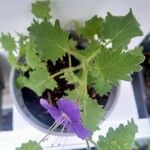
Phacelia grandiflora
Largeflower phacelia
Description
Source: leafsnapPhacelia grandiflora, commonly known as large-flowered phacelia, is a species of flowering plant in the borage family. It is native to western North America and thrives in diverse habitats, including meadows, open woods, and rocky slopes. The plant typically reaches a height of 1 to 3 feet and features clusters of large, blue-purple flowers that bloom from late spring to early summer. Its leaves are deeply lobed, giving them a fern-like appearance. Phacelia grandiflora is a crucial nectar source for bees and other pollinators. It is also used in habitat restoration projects due to its deep root system, which helps improve soil quality. Additionally, indigenous peoples have utilized this plant for medicinal purposes to treat various ailments, including coughs, colds, and sore throats.
Care Guide
💧 Water Every 7 days
Largeflower phacelia flourishes in moist conditions and needs regular weekly watering to keep its lush growth. It thrives in well-draining soil that can hold moisture, which is crucial for preventing root rot and ensuring healthy growth cycles. This reflects the plant's adaptation to environments with consistent rainfall.
☀️ Light Full sun
The largeflower phacelia grows best where it is warmly bathed in sunlight throughout the day and prefers an abundance of sun. In its natural setting it prospers in bright, unshaded light. Too little light causes poor growth and lackluster blooms, while too much can dry the plant out.
What are the sunlight requirements for Largeflower Phacelia?
Largeflower Phacelia thrives best in full sun, requiring above 6 hours of sunlight daily to flourish optimally. It's crucial to watch how sunlight moves through your garden and choose spots that provide a perfect balance of light and shade, ensuring the plants' happiness. This meticulous attention to their sunlight exposure ensures they grow healthily with vibrant blossoms. In conditions where natural sunlight is insufficient, especially indoors, artificial lighting becomes essential to promote optimal growth.
How does artificial lighting support Largeflower Phacelia's growth indoors?
Indoor plants, including Largeflower Phacelia, require adequate lighting for optimal growth. When natural sunlight is insufficient, particularly during winter or in less sunny spaces, artificial lights offer a vital solution. LED lights are recommended for their customizability to provide specific wavelengths of light that plants need. Full sun plants need 30-50W/sq ft, partial sun plants need 20-30W/sq ft, and full shade plants need 10-20W/sq ft of artificial light. The light source should be placed 12-36 inches above the plant to mimic natural sunlight, and the duration of exposure should mimic natural daylight hours, generally 8-12 hours per day.
What are the key symptoms of light deficiency in Largeflower Phacelia?
When grown indoors with inadequate light, Largeflower Phacelia may exhibit symptoms such as small, newly grown leaves, leggy or sparse growth, faster leaf drop, slower or no new growth, lighter-colored new leaves, chlorosis (leaves turning yellow), sunscald with damages from intense sunlight, leaf curling as a defense mechanism against excessive light, wilting due to overexposure to sunlight increasing water loss, and leaf scorching characterized by brown, dry edges on leaves. These symptoms reflect the plant's struggle with inappropriate light levels.
How can one address light deficiency for Largeflower Phacelia both indoors and outdoors?
To address light deficiency for Largeflower Phacelia, gradually move the plant to a sunnier location each week until it receives at least 6 hours of direct sunlight daily. For indoor plants not easily movable or lacking in natural light, consider using artificial lighting, keeping a lamp on for at least 8 hours daily or investing in professional grow lights. Outdoors, move your plants gradually to the best sunlight spots to avoid sunburn. It's important to note that parts of the plant affected by insufficient sunlight may not recover, but new growth will be healthy with increased light exposure. Additionally, reduce obstructions like trees blocking sunlight through pruning and consider transplanting smaller plants during their dormant period to locations with ample sunlight and good drainage.
🌡️ Temperature 5–35°C
Largeflower phacelia is native to temperate regions and does best in temperatures from 68 to 95 °F (20 to 35 °C). It favors warm conditions and may need temperature adjustments during cooler seasons to preserve optimal health.
What is the native climate for Largeflower phacelia?
Largeflower phacelia, scientifically known as Phacelia grandiflora, is native to temperate climates and thrives in temperatures ranging from 68 to 95°F (20 to 35°C). It prefers warm environments and can tolerate cold to some extent, although it may require adjustments in cooler seasons to maintain its health optimally. In winter, special frost protection measures are usually not necessary, but if temperatures are expected to drop below -25°C, providing cold protection by covering the plant with soil or straw is advisable. To prevent drought and water scarcity during winter and early spring, it's recommended to water the plant abundantly before the first freeze in autumn, ensuring the soil remains moist.
What should I do if the temperature falls below -25°C or exceeds 41°C?
For Largeflower phacelia, if the temperature drops below -25°C, although the plant is cold-tolerant and there may not be noticeable changes during winter, there could be a decrease in sprouting or even absence of sprouting in spring. In such cases, any parts that have failed to sprout should be removed in spring. Conversely, during summer, if temperatures exceed 41°C, the leaves may lighten in color, become prone to curling, susceptible to sunburn, and the plant may wilt and dry in severe cases. It is important to trim away sunburned and dried-up parts, move the plant to a shaded location or use a shade cloth to protect it from midday and afternoon sun. Additionally, watering the plant in the morning and evening to keep the soil moist can help in coping with high temperatures.
💨 Humidity
🪴 Soil 6-7
🌱 Fertilizer
When most of the Largeflower phacelia's blooms have opened to full size, you should resume fertilizing. Around the period when the blooms are at their peak, apply fertilizer once every three to four weeks, weather permitting. Then, once the Largeflower phacelia begins producing fewer new blooms, stop fertilizing; there is no need to feed the plant when it can no longer produce additional blooms.
🪴 Pot & Repot
✂️ Pruning
Largeflower phacelia showcases beautiful blue-purple blooms. To promote bushy growth and abundant flowers, prune it from early to late spring. Remove dead stems and thin out crowded areas to improve air circulation and reduce the risk of disease, enhancing both the plant's health and visual appeal.
🌿 Propagating
🐛 Diseases & pets
☠️ Toxicity
Characteristics
- Plant Type
- Herb
- Life Cycle
- Annual, Biennial, Perennial
- Genus
- Phacelia
- Family
- Boraginaceae
- Hardiness Zone
- 5-10
- Mature Height
- 61 cm to 91 cm
- Mature Spread
- 40 cm
- Leaf Color
- Green, Dark Green
- Leaf Type
- Deciduous
- Flower Color
- Purple, Lavender
- Flower Size
- 2.54 cm to 5.08 cm
- Bloom Time
- Mid spring, Late spring, Early summer
- Planting Time
- Spring, Autumn
- Harvest Time
- Summer
- Native Area
- Mexico