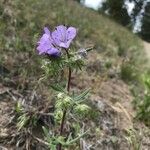
Phacelia linearis
Linear-leaf phacelia · Linear-leaved scorpionweed · Threadleaf phacelia · Linear-leaved Phacelia · Thread-leaved phacelia
Description
Source: leafsnapPhacelia linearis, the linear-leaved phacelia or threadleaf phacelia, is a species of phacelia. It is native to western North America from western Canada to Wyoming to northern California, where it grows in forest, woodland, open scrub, and other habitat. It prefers sandy soils.
Care Guide
💧 Water
The threadleaf Phacelia is well-suited for arid environments and thrives with very little moisture. As a drought-tolerant plant, it only needs to be watered once a week and actually prefers drier conditions, which makes it ideal for xeriscaping. Its ability to produce abundant flowers even with limited rainfall demonstrates its remarkable adaptability to water scarcity.
How should I water my Threadleaf Phacelia plant?
To water Threadleaf Phacelia, you have various options such as a garden hose, watering can, or any common watering tool. This plant is not too particular about the water source, whether it's rainwater, tap water, or filtered water. However, it's best to avoid overhead watering as it can harm the leaves and flowers and even lead to disease. Drip irrigation systems are often recommended for watering Threadleaf Phacelia as they ensure even and direct watering to the soil. If you have a container-grown Threadleaf Phacelia, you can use a cup, watering can, or tap water to water it directly at the soil level.
What should I do if I give my Threadleaf Phacelia too much water or too little water?
If you notice that your Threadleaf Phacelia lacks moisture, the obvious remedy is to water it more regularly. Overwatering, on the other hand, can be a serious issue that may result in diseases and the plant's death. To prevent this, it's important to choose a suitable location with ample sunlight and good drainage. If you have overwatered your potted Threadleaf Phacelia, you may need to switch to a new pot with better soil drainage and ensure the soil is loose.
How frequently should I water my Threadleaf Phacelia plant?
Threadleaf Phacelia requires regular watering throughout the growing season. In the spring, you should water it once a week. As the season progresses and gets warmer, you may need to water it two to three times a week. However, exceeding this watering rate can harm the plant. It's important to keep the soil relatively moist but not wet, regardless of how often you water. When watering Threadleaf Phacelia in a pot, you should increase the watering frequency since the soil in pots can dry out faster. Usually, watering container-grown Threadleaf Phacelia a few times per week is necessary, compared to just once a week for plants in the ground.
How much water does my Threadleaf Phacelia plant require?
To determine how much water to give your Threadleaf Phacelia, you have a few options. One approach is to feel the soil and water until the top six inches are moist. Another method is to use a set measurement, like two gallons per week, adjusting based on temperature and soil moisture. However, be cautious of overwatering if your plant requires less. When growing in a container, water until all layers of soil are moist, checking with your finger or looking for drainage.
How can I know if I am giving enough water to my Threadleaf Phacelia?
Avoiding overwatering your Threadleaf Phacelia can be challenging due to its deep roots which require weekly moistening of the soil. However, these plants are highly susceptible to root rot and may suffer from browning when overwatered. On the other hand, underwatering is less of a concern as these plants can survive without supplemental watering for a while. Nevertheless, if deprived of water for too long, they will start to wilt, and their leaves may become dry.
☀️ Light Full sun
Threadleaf Phacelia prefers environments with unobstructed sunlight. It comes from habitats where sunlight is common and does best when exposed to plenty of light throughout the day. Not enough light can impede its growth, while excessive exposure may cause its leaves to scorch.
What are the sunlight requirements for Threadleaf Phacelia?
Threadleaf Phacelia thrives in conditions where it can receive unobstructed sunlight for more than 6 hours a day. Originating in environments with frequent sun exposure, it grows best when bathed in ample light throughout the day. Insufficient light can hinder its growth, while too much sunlight can lead to leaf scorch. It's important to observe how sunlight moves through your garden to choose spots that provide the perfect balance of light and shade, ensuring the plants' happiness.
How can artificial lighting be used for Threadleaf Phacelia?
Indoor plants, including Threadleaf Phacelia, require adequate lighting for optimal growth, especially when natural sunlight is insufficient. Artificial lights, such as LED lights which can be customized to provide specific wavelengths, are vital for promoting faster, healthier growth. Full sun plants need 30-50W/sq ft of artificial light, partial sun plants need 20-30W/sq ft, and full shade plants need 10-20W/sq ft. The light source should be placed 12-36 inches above the plant to mimic natural sunlight, and most plants need 8-12 hours of light per day.
What symptoms indicate insufficient light in Threadleaf Phacelia?
When cultivated indoors with inadequate light, Threadleaf Phacelia may show several symptoms of light deficiency, including smaller new leaves, leggy or sparse growth, faster leaf drop, slower or no new growth, lighter-colored new leaves, chlorosis, sunscald, leaf curling, wilting, and leaf scorching. These symptoms can indicate a lack of light exposure or excessive sunlight, highlighting the importance of providing the plant with the optimal amount of light.
How can you provide Threadleaf Phacelia with adequate sunlight?
To ensure optimal growth for Threadleaf Phacelia, gradually move plants to a sunnier location each week, aiming for at least 6 hours of direct sunlight daily. For indoor plants that are large or not easily movable, consider providing additional light using a desk or ceiling lamp for at least 8 hours daily or invest in professional plant grow lights. Outdoors, avoid sudden changes in light intensity to prevent sunburn. When reducing obstructions to sunlight, observe the environment to identify and mitigate areas blocking sunlight, such as by pruning trees. For smaller plants, consider transplanting during their dormant period to a location with ample sunlight and good drainage.
🌡️ Temperature 15–32.2°C
Threadleaf Phacelia is naturally suited to environments with temperatures ranging from 68 to 95 °F (20 to 35 ℃). For best growth, keep the temperature within that range. Seasonal adjustments to temperature might be required.
What are the ideal temperature conditions for growing Threadleaf Phacelia?
Threadleaf Phacelia thrives in environments with temperatures ranging between 68 to 95 °F (20 to 35 °C). To ensure optimal growth, it's important to maintain the temperature within this range throughout the year. The plant is quite cold-resistant, needing no special frost protection measures in winter. However, when winter temperatures are forecasted to drop below -10°C, it's crucial to protect the plant from cold by covering it with soil or straw. Additionally, watering the plant abundantly before the first freeze in autumn will help keep the soil moist and protect the plant during cold months.
How does Threadleaf Phacelia respond to low temperatures?
Threadleaf Phacelia is cold-tolerant and prefers temperatures above 20°C. During winter, temperatures should stay above 0°C to maintain the plant's health. Exposure to temperatures below -10°C might not show immediate damage, but can lead to reduced sprouting or a complete lack of sprouting in spring. To mitigate this, any parts that have failed to sprout by spring should be removed.
What should be done if Threadleaf Phacelia is exposed to high temperatures?
During summer, maintaining Threadleaf Phacelia's temperature below 35°C is vital. If the temperature rises above 38°C, the leaves can lighten, curl, experience sunburn, or in severe cases, the entire plant may wilt and dry out. To address this, trim away the sunburned and dried-up parts of the plant. Move the plant to a location that provides shade during the midday and afternoon sun, or utilize a shade cloth. Additionally, watering the plant in the morning and evening will help keep the soil moist and protect the plant from heat stress.
💨 Humidity
🪴 Soil 6-7
🌱 Fertilizer
When most of Threadleaf Phacelia’s flowers have opened fully, resume fertilizing. At the peak of bloom production, apply fertilizer once every three to four weeks, weather permitting. After the plant begins producing fewer new flowers, stop fertilizing; there’s no need to feed it when it can’t produce further blooms.
🪴 Pot & Repot
✂️ Pruning
Threadleaf Phacelia is characterized by its slender, thread-like leaves and vibrant blue flowers. To promote growth and maintain its shape, it is best to prune the plant by trimming away dead stems from early to late spring. Regular deadheading encourages further blooming, improves airflow, and prevents the plant from becoming leggy. Always use clean, sharp tools when pruning to avoid causing damage to the plant.
🌿 Propagating
🐛 Diseases & pets
☠️ Toxicity
Characteristics
- Plant Type
- Herb
- Life Cycle
- Annual
- Genus
- Phacelia
- Family
- Boraginaceae
- Hardiness Zone
- 8
- Mature Height
- 8 cm to 52 cm
- Mature Spread
- 15 cm to 30 cm
- Leaf Color
- Green, Light Green
- Leaf Type
- Deciduous
- Flower Color
- Lavender
- Flower Size
- 1.02 cm
- Bloom Time
- Mid spring, Late spring, Early summer
- Planting Time
- Spring
- Harvest Time
- Summer