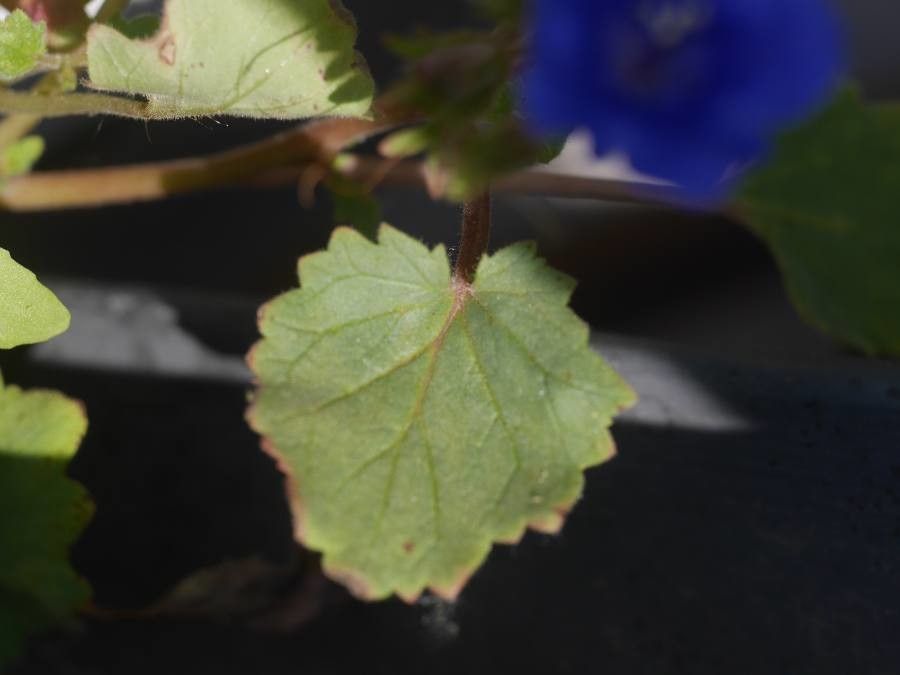
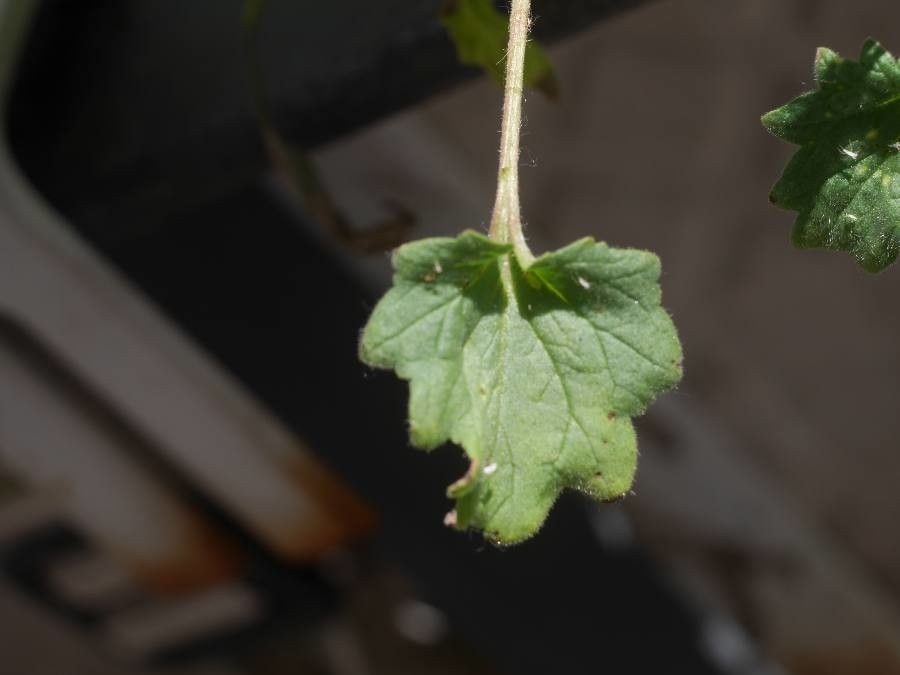
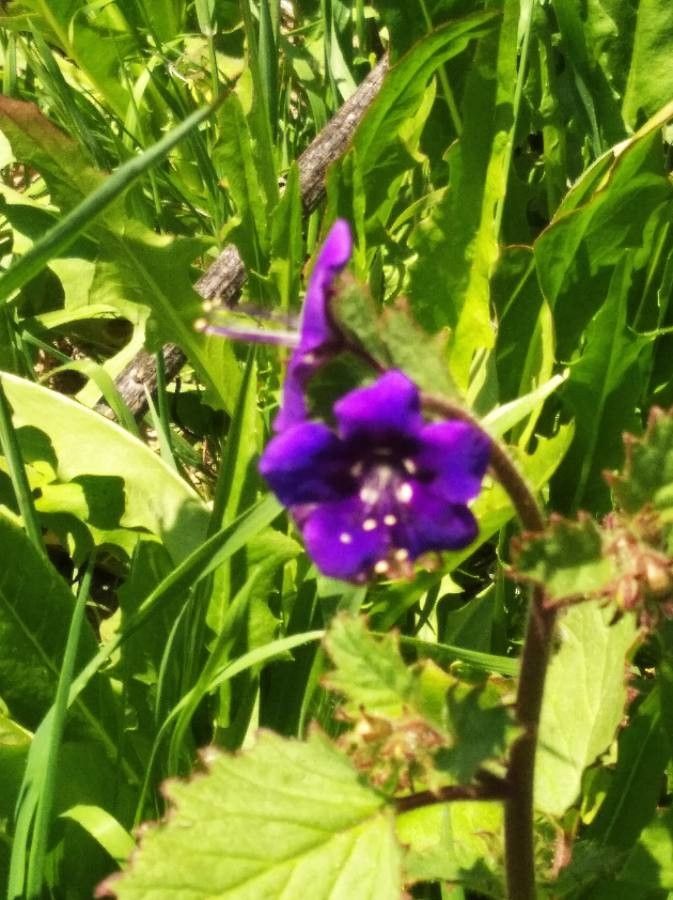
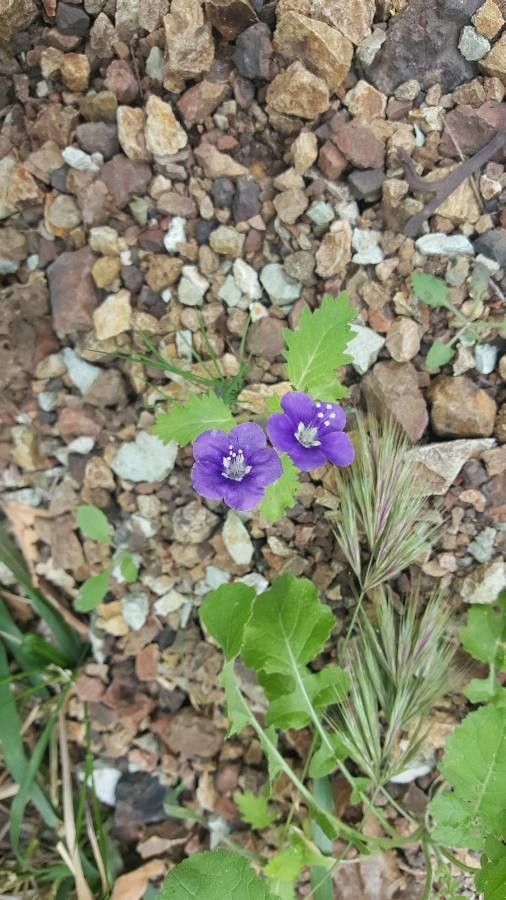
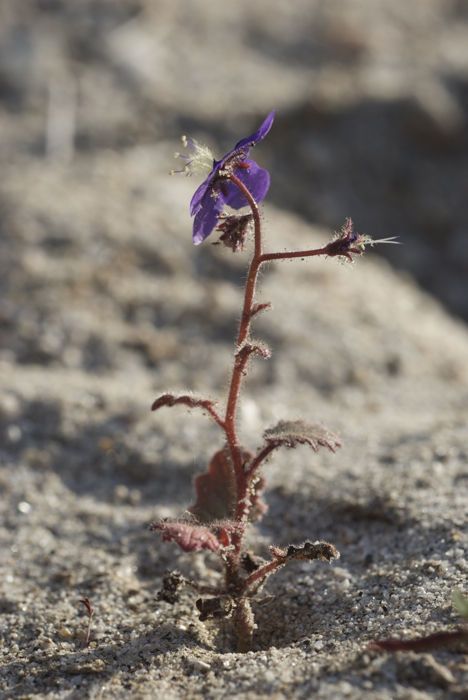
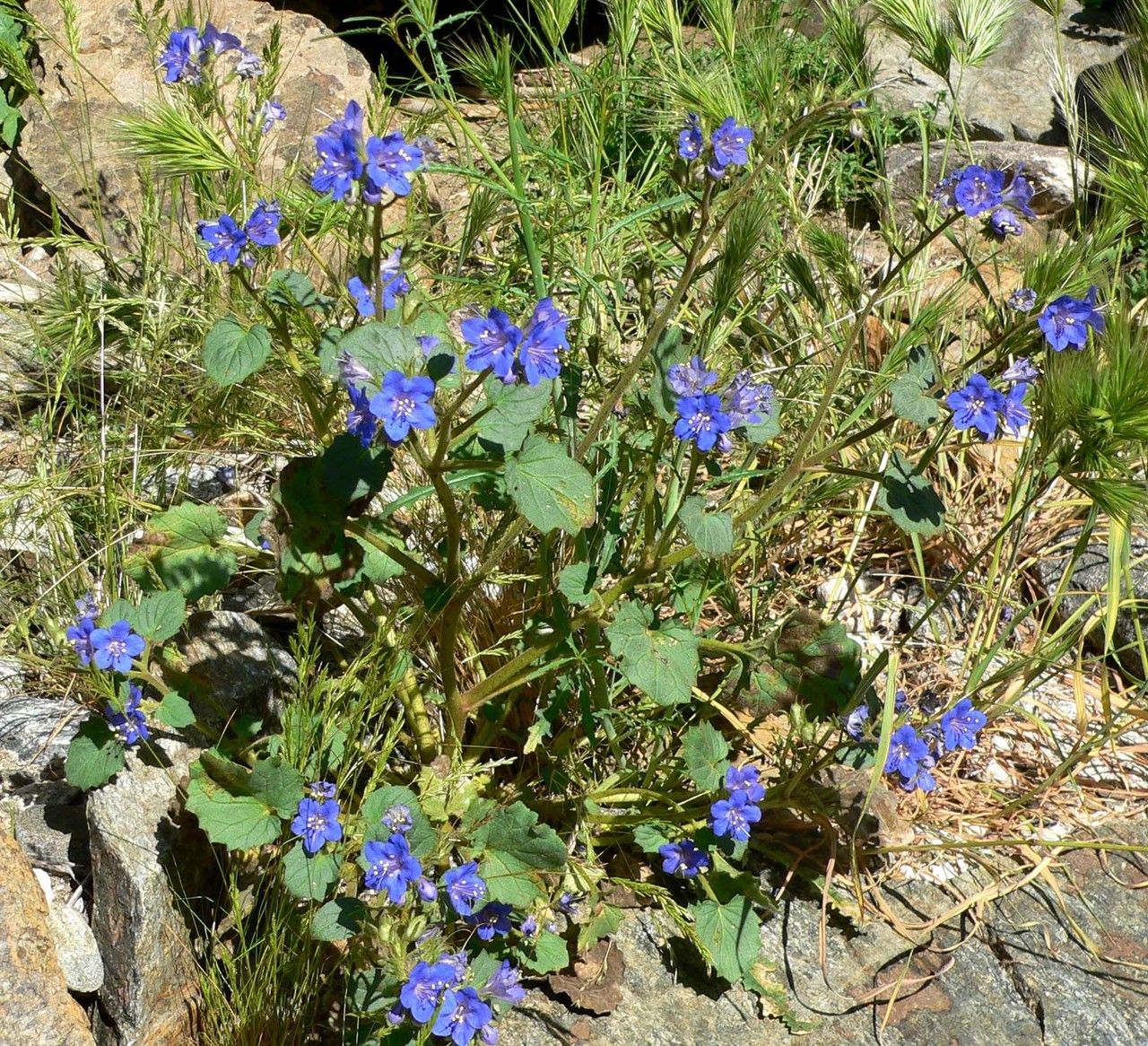
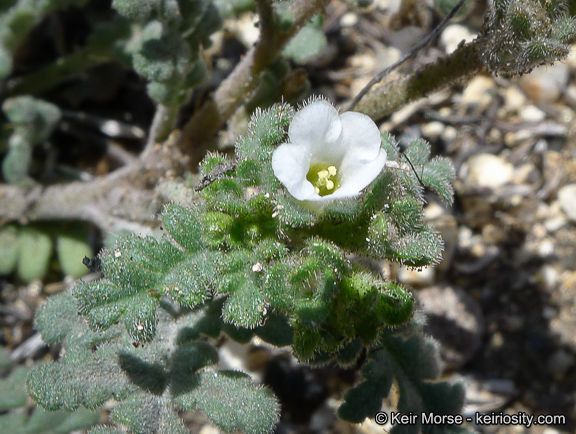
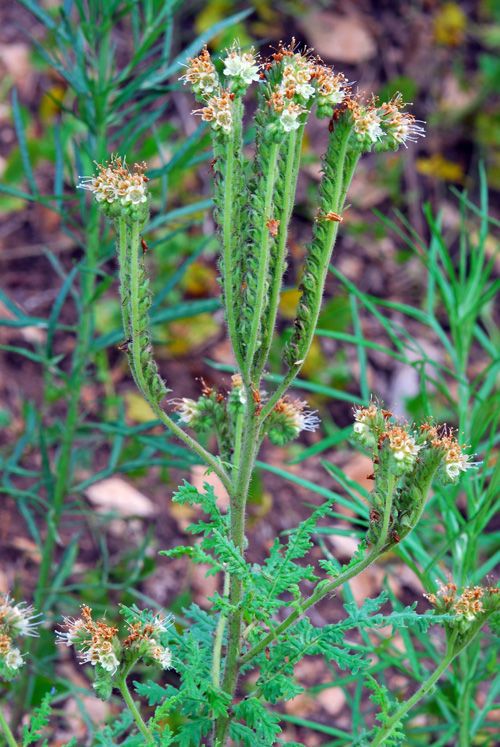
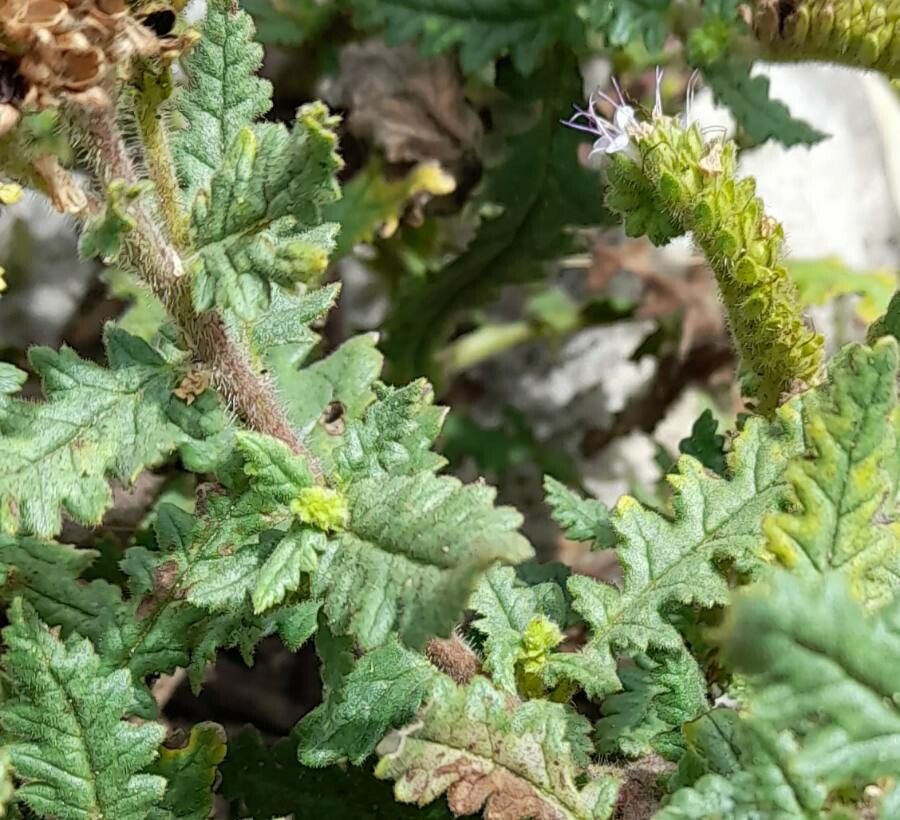
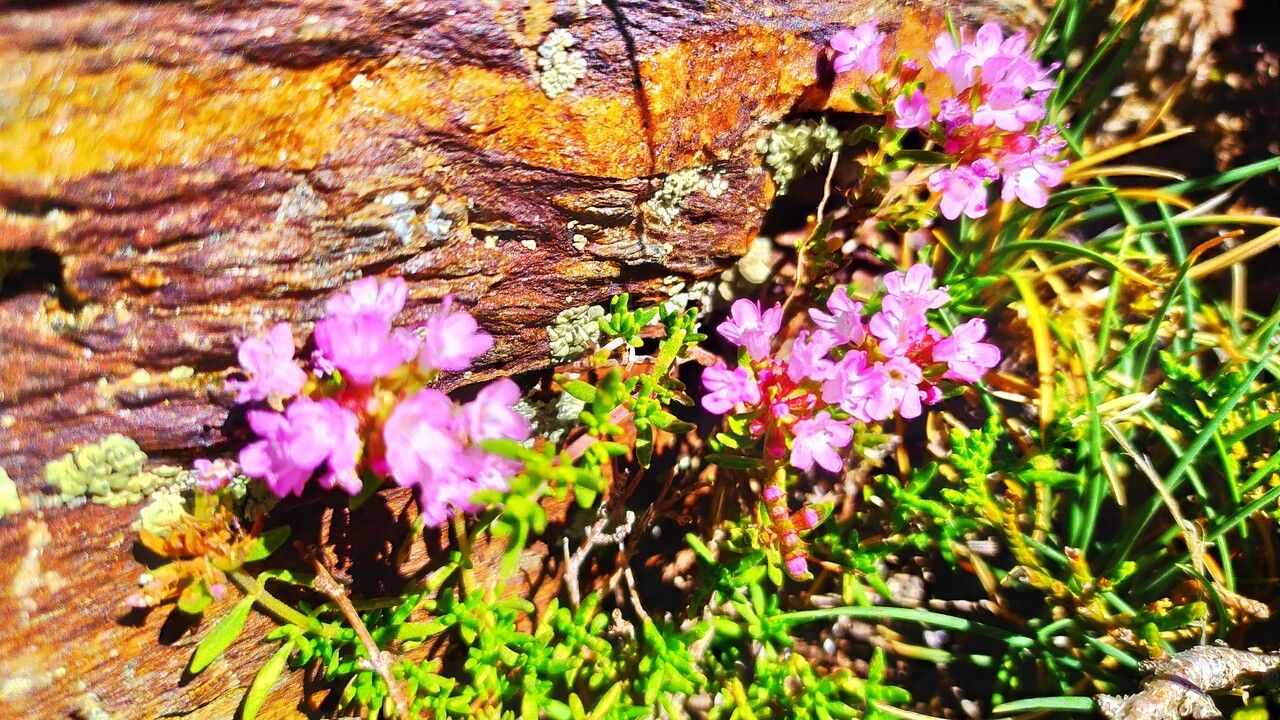
Phacelia parryi, commonly known as Parry's phacelia, is a flowering plant in the borage family. Native to the southwestern United States and northern Mexico, it thrives in diverse habitats, including deserts and mountains.
Typically reaching a height of 1 to 2 feet, Parry's phacelia features clusters of small, lavender-blue flowers that bloom from spring to early summer. Its deeply lobed leaves have a fern-like appearance.
This plant is notable for attracting pollinators such as bees, butterflies, and hummingbirds with its nectar-rich flowers. Additionally, it has been used for erosion control due to its ability to quickly establish on disturbed soils.
In summary, Phacelia parryi is an attractive wildflower that offers significant ecological benefits. It is also easy to grow in gardens or natural areas with well-draining soil and full sun exposure.
Parry's phacelia is fairly resistant to disease and typically does not suffer from frequent illnesses. Still, it can be vulnerable to pests and diseases that exist nearby. Such infections tend to be mild. Regarding care, the plant needs a moderate amount of attention. Regular pruning is necessary to preserve its appearance and encourage healthy growth. Applying fertilizer can also help boost its flowering. This species is well suited for anyone with outdoor areas like a garden or patio and does not demand extensive gardening experience. If kept indoors, it may call for increased care.
How to keep Phacelia Parryi.
Light
Parry's phacelia is native to bright, open habitats where it performs best in full sun. It can tolerate partial sun but favors direct sunlight for optimal growth. This plant, which may be annual or biennial, is known for its sun-loving nature.
Water
Parry's phacelia thrives in moderate humidity and requires consistent moisture, needing to be watered twice a week. Although it is usually grown outdoors, it adapts well to seasonal rainfall, especially benefiting from ample water during its natural growth cycles.
Temperature
Parry's phacelia can tolerate a wide range of temperatures, but its distribution may still be restricted by particular combinations of moisture and heat. It performs best in warm summer conditions with sufficient rainfall or watering. Long stretches of cloudy, rainy weather or sustained high temperatures can raise the chance of Parry's phacelia dying. In winter, adequate protection from the cold can increase the plant's survival.
Fertilizer
When most of Parry's phacelia blooms have opened to full size, resume fertilizing. At or near peak flowering, feed the plant once every three to four weeks, weather permitting. Then, once Parry's phacelia begins to produce fewer new blooms, stop fertilizing; there is no need to feed it when it can no longer produce additional flowers.
Pruning
Parry's phacelia features vibrant purple flowers and thrives with strategic pruning from early to late spring. By trimming dead stems, you encourage healthy growth and blooming. Additionally, removing spent flowers can extend the blooming period. These practices enhance the vitality and visual appeal of Parry's phacelia, making it a beautiful addition to any garden.
Botanical profile.
- Plant Type
- Herb
- Life Cycle
- Annual
- Genus
- Phacelia
- Family
- Boraginaceae
- Hardiness Zone
- 8-10
- Mature Height
- 30 cm to 61 cm
- Mature Spread
- 20 cm to 40 cm
- Leaf Color
- Green, Dark Green
- Leaf Type
- Deciduous
- Flower Color
- Purple
- Flower Size
- 1.02 cm to 2.03 cm
- Bloom Time
- Spring
- Planting Time
- Spring, Summer
- Harvest Time
- Late spring, Early summer, Mid summer
- Native Area
- Mexico
Other names.