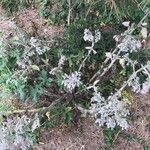
Phacelia ramosissima
Branching phacelia · Branched phacelia · Branching scorpionweed
Description
Source: leafsnapPhacelia ramosissima is a species of phacelia known by the common name branching phacelia. It is native to western North America from British Columbia to California and the Southwestern United States, where it can be found in many types of habitat. It is variable in appearance, and there are many intergrading varieties. In general it is a spreading or sprawling prostrate or upright perennial herb which may approach 1.5 meters (4.5 feet) in stem length. It is branched, hairless to densely hairy, and sometimes glandular. The leaves are 4 to 20 centimeters long and most are divided into several toothed or lobed leaflets. The inflorescence is a one-sided curving or coiling cyme of funnel- or bell-shaped flowers. Each flower is under a centimeter long and white to lavender in color with protruding stamens.
Care Guide
💧 Water
Branching phacelia flourishes in conditions of regular moisture, similar to its native habitat, but it can also tolerate moderate drought. To keep the soil evenly moist, water it weekly. When grown outdoors, the plant typically relies on natural rainfall. Ensuring proper hydration during the growing season fosters strong growth and helps the plant resist environmental stress.
How should I water my Branching phacelia plant?
To properly water the Branching phacelia, it is best to use filtered water that is at room temperature. Tap water may contain harmful particles that can negatively affect the plant's health. Since the Branching phacelia is accustomed to warm environments, it is important to avoid using cold water as it may shock the plant. Additionally, overhead watering should be avoided to prevent foliage complications. Instead, gently pour the filtered room temperature water directly onto the soil until it is fully soaked. This helps to hydrate the roots and enables them to spread throughout the soil and absorb essential nutrients.
What should I do if I give my Branching phacelia plant too much water or too little water?
Overwatering is a more common issue than underwatering for the health of your Branching phacelia. When this plant gets too much water, its stems and leaves may wilt and turn yellow. Overwatering over a long period can also lead to diseases like root rot, mold, and mildew, which can be fatal for your plant. On the other hand, underwatering is less common for the Branching phacelia, as it can tolerate drought. However, if it does happen, you'll notice brittle and brown leaves. It's important to recognize the signs of overwatering early so that you can take action. Some diseases caused by overwatering, such as root rot, may not be fixable if you wait too long. If you see early signs, reduce your watering immediately. Also, check if your plant's soil drains well. If not, replace it with a loose, well-draining potting mix. If you notice signs of underwatering, simply water more regularly until the signs improve.
How frequently should I water my Branching phacelia?
If your Branching phacelia plant is in a pot, you can determine if it needs water by checking the soil moisture. Stick your finger into the soil and if the top two to three inches feel dry, it's time to water it. If you have your Branching phacelia planted outdoors in the ground, you can use a similar method. Check the top few inches of soil and if it's dry, it needs watering. Usually, during spring and early fall, watering once a week using this method will be sufficient. However, during extremely hot weather, you may need to increase watering frequency to twice or more per week. Nevertheless, mature and well-established Branching phacelia plants have a remarkable ability to tolerate drought.
How much water does my Branching phacelia plant need?
To properly water your Branching phacelia, you should not hold back on the amount of water you give. Wait until the top 2-3 inches of soil are dry before watering, and when you do water, make sure to thoroughly soak the soil. Use enough water so that it flows through the drainage holes at the bottom of your pot. If you don't see any excess water draining, it means you haven't watered enough. However, be careful not to let water accumulate in the soil, as this can be harmful to the plant. On the other hand, if water doesn't drain well from the pot, it may indicate poorly draining soils, which is not good for the plant. If the plant is outside, it will typically only need about 1 inch of rain per week.
How should I water my Branching phacelia as it grows?
The water needs of the Branching phacelia can vary based on different growth stages. In the early years and after transplanting, the plant requires more water due to the growth of new roots. These roots need extra moisture for optimal performance. However, as the plant matures, it will require less water. Another stage that requires increased watering is during the bloom period when the flower development requires additional moistu.
☀️ Light Full sun
Branching phacelia is a sun-loving perennial herbaceous plant that comes from open habitats and is often found in meadows and grasslands. It prefers full sun but can also tolerate partial sun.
What are the sunlight requirements for Branching Phacelia?
Branching Phacelia thrives in full sun, requiring more than 6 hours of sunlight daily, but it can also tolerate partial sun conditions, which means about 3-6 hours of sunlight. It is essential to watch how sunlight moves through your garden, selecting spots that offer the right balance of light and shade to ensure the plants' health and happiness.
Can Branching Phacelia be grown with artificial lighting?
Yes, Branching Phacelia can grow under artificial lighting, which is particularly useful when natural sunlight is insufficient, such as in winter or in less sunny indoor spaces. LED lights are recommended because they can be customized to provide specific wavelengths needed by plants. For full sun plants, 30-50W per square foot is necessary; partial sun plants need 20-30W per square foot. The light source should be placed 12-36 inches above the plant, and the lighting should mimic natural daylight hours, usually 8-12 hours per day.
What are the symptoms of inadequate lighting for Branching Phacelia?
Inadequate lighting can lead to several problems for Branching Phacelia, including smaller new leaves, leggy or sparse growth due to longer spaces between leaves or stems, faster leaf drop, slower or no growth, pale or irregularly colored new leaves due to insufficient chlorophyll, chlorosis (leaves turning yellow), sunscald from intense exposure causing damage to leaves or stems, leaf curling as a defense against excessive sunlight, wilting due to increased water loss, and leaf scorching characterized by brown, dry edges on leaves.
How can one address light deficiency issues in Branching Phacelia?
To combat light deficiency in Branching Phacelia, gradually introduce the plant to a sunnier location to ensure at least 6 hours of direct sunlight daily, possibly using a south-facing window and keeping curtains open during the day. Alternatively, for large or immovable plants, consider using artificial light sources, such as desk or ceiling lamps for at least 8 hours daily, or invest in professional plant grow lights. For outdoor plants, avoid sudden intensity changes to prevent sunburn, and for ground plants, reduce obstructions like tree branches or move the plant during its dormant period to a sunnier location with good drainage.
🌡️ Temperature 15–32.2°C
Branching phacelia is originally grown in environments where temperatures range from 59 to 89.6 °F (15 to 32 ℃). It thrives best within that range, so when cultivated in atypical climates, adjustments must be made to ensure seasonal temperature variations fall within its preferred range.
What is the ideal temperature range for growing Branching Phacelia?
Branching Phacelia, botanically known as Phacelia ramosissima, thrives best in environments where the temperature ranges between 59 to 89.6 °F (15 to 32 °C). It is originally grown in these temperature conditions, indicating the necessity for adjustments in climates that do not naturally align with this range. The plant possesses strong cold resistance, minimizing the need for frost protection measures during winter. However, in instances where winter temperatures are anticipated to drop below -10°C, it is crucial to ensure cold protection by covering the plant with materials such as soil or straw and watering it abundantly before the first freeze to keep the soil moist.
How does low temperature affect Branching Phacelia and what are the solutions?
Branching Phacelia demonstrates a notable tolerance to cold, ideally remaining above -5°C through winter. While it can withstand temperatures below -10°C without visible changes during the winter, such extreme conditions may lead to decreased sprouting or complete absence of sprouting in the spring. To remedy this, it's recommended to remove any portions of the plant that have failed to sprout once spring arrives, allowing for rejuvenation and new growth.
How does high temperature affect Branching Phacelia and what are the countermeasures?
During the summer months, maintaining a temperature below 32°C is crucial for the health of Branching Phacelia. Exposure to temperatures exceeding 35°C may result in the plant's leaves becoming lighter in color, curling, and showing signs of sunburn. In extreme cases, the plant might wilt and dry out. To mitigate these effects, it is advisable to trim away the sunburned and dried parts of the plant. Moving the plant to a shaded location or employing a shade cloth can protect it from the harsh midday and afternoon sun. Adequate watering in the morning and evening will keep the soil moist, further aiding in the plant's resilience against high temperatures.
💨 Humidity
🪴 Soil 6-7
🌱 Fertilizer
The best time to fertilize a Branching phacelia is in early spring, as it comes out of dormancy and begins active growth. Fertilization supplies essential nutrients for healthy development. Although Branching phacelia has relatively low fertilizer requirements, applying fertilizer once a year can improve its survival and result in better, longer-lasting flowers.
🪴 Pot & Repot
✂️ Pruning
Branching phacelia benefits from spring pruning. By trimming away dead stems and spent blooms, you encourage healthy growth and continuous flowering. This practice not only promotes a neat appearance but also prevents the plants from becoming leggy. Remember to use clean tools and consult local horticultural guidelines for the best care practices.
🌿 Propagating
🐛 Diseases & pets
☠️ Toxicity
Characteristics
- Plant Type
- Herb, Shrub
- Life Cycle
- Perennial
- Genus
- Phacelia
- Family
- Boraginaceae
- Hardiness Zone
- 8
- Mature Height
- 0.3 m to 1.22 m
- Mature Spread
- 46 cm
- Leaf Color
- Green, Dark Green
- Leaf Type
- Deciduous
- Flower Color
- Lavender
- Flower Size
- 1.02 cm
- Bloom Time
- Mid spring, Late spring, Early summer, Mid summer
- Planting Time
- Spring, Summer, Autumn
- Harvest Time
- Summer
- Native Area
- Mexico