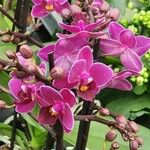
Phalaenopsis equestris
Horse phalaenopsis
Description
Source: wikipedia (CC BY-SA)Phalaenopsis equestris is a flowering plant of the orchid genus Phalaenopsis and native to Philippines and Taiwan. The inflorescence has 10 to 20 flowers of about 25 mm (1 in) diameter.
Care Guide
💧 Water
Native to tropical regions, the horse phalaenopsis thrives in environments with high humidity and consistent moisture. While it can retain water and endure short dry periods, it prefers to be watered weekly. As an indoor epiphyte, regular misting helps replicate its natural rainforest habitat and supports optimal growth.
☀️ Light Full shade
Orchid Equestris prefers partially shaded conditions. As it develops, the amount of light it gets is important, especially for achieving healthy growth. In its natural setting, it is found in partly shaded surroundings. Excessive or insufficient light can harm the plant, resulting in stunted growth or pale leaves.
What are the sunlight requirements for Horse phalaenopsis?
Horse phalaenopsis, also known as Phalaenopsis equestris, thrives in environments that mimic its natural semi-lit habitat. It requires partial sun, about 3-6 hours of sunlight, to promote optimal growth. Full shade areas, those receiving less than 3 hours of sunlight, can also accommodate this plant but might not be ideal for its well-being. Excessive or insufficient light exposure can lead to issues such as stunted growth or faded leaves. The essence is to watch how sunlight moves through your garden, choosing locations that strike a perfect balance between light and shade, ensuring the plant's happiness.
How important is artificial lighting for growing Horse phalaenopsis indoors?
Artificial lighting is crucial for the growth of Horse phalaenopsis indoors, especially in conditions where natural light is insufficient, such as during winter or in less sunny spaces. Adequate lighting promotes faster, healthier growth. LED lights are recommended because they can be customized to provide specific wavelengths that plants need. Depending on the plant's natural requirements, full sun plants need 30-50W/sq ft, partial sun plants 20-30W/sq ft, and full shade plants 10-20W/sq ft of artificial light. The light source should be placed 12-36 inches above the plant, mimicking natural sunlight, and left on for 8-12 hours a day to simulate the length of natural daylight hours.
What are the signs of insufficient light in Horse phalaenopsis?
Signs of insufficient light in Horse phalaenopsis include smaller new leaves, leggy or sparse growth, faster leaf drop, slower or no new growth, and lighter-colored or yellow leaves (chlorosis). Intense sunlight exposure can cause symptoms like sunscald, leaf curling, wilting, and leaf scorching. These symptoms indicate either a lack of or excessive exposure to sunlight, affecting the plant's ability to photosynthesize and maintain overall health.
What solutions are available for Horse phalaenopsis experiencing light issues?
For indoor plants, gradually shifting them to sunnier spots each week until they receive 3-6 hours of direct sunlight daily helps in adaptation to changing light conditions. If a plant is large or not easily movable, supplementing with artificial light, such as keeping a desk or ceiling lamp on for at least 8 hours daily or investing in professional plant grow lights, is beneficial. Outdoors, gradually moving your plants to receive the optimal sunlight and avoiding sudden changes in light intensity prevents sunburn. Pruning obstructive trees and considering transplanting to a better-lit location with good drainage during the plant's dormant period can significantly improve light access.
🌡️ Temperature 20–37.8°C
Orchid Equestris originates from warm habitats and prefers temperatures of 68 to 100 °F (20 to 38 °C). In colder months it can tolerate lower temperatures, but watch for signs of stress. Adjust conditions as needed and provide warmth for it to thrive.
What is the ideal environment for Horse phalaenopsis?
Horse phalaenopsis, with its botanic name Phalaenopsis equestris, is native to warm environments and prefers temperatures between 68 to 100°F (20 to 38°C). It is a tropical plant that thrives in conditions where it can receive ample sunlight, especially near a south-facing window, and benefits from high humidity. During winter, it's crucial to keep the plant above 5°C, ideally maintaining indoor temperatures above 20°C. For those in cooler climates, bringing the Horse phalaenopsis indoors and ensuring it has adequate warmth and humidity is recommended. Regular misting or the use of a humidifier can help maintain the right humidity levels.
How should I care for my Horse phalaenopsis during cold weather?
During cold weather, Horse phalaenopsis requires special attention to thrive. The plant should be kept in an environment with temperatures above 20°C, and it's essential to monitor the plant for stress signs if the temperature drops below 5°C. If the minimum temperature falls below this threshold, bring the Horse phalaenopsis indoors, placing it near a south-facing window for sunlight exposure. In addition, consider using a humidifier or misting the plant regularly to maintain humidity levels. For orchids that need to stay outdoors, ensure they are in a sheltered spot with sunlight and consider setting up a temporary greenhouse or wrapping them in plastic film or fabric during colder temperatures.
What are the symptoms of low temperature on Horse phalaenopsis?
Horse phalaenopsis shows clear signs of distress when exposed to low temperatures. The ideal growing temperature is above 20°C, but during winter, ensure it stays above 5°C to avoid damage. Exposure to temperatures below 1°C results in extensive water-soaked necrosis, with the leaves wilting and drooping significantly. If your plant shows these symptoms, trim off the frostbitten areas and immediately move the plant to a warm indoor environment. Placing it near a south-facing window will ensure it receives sufficient sunlight, and avoid placing the plant near heaters or air conditioning vents to prevent air dryness.
How do I protect my Horse phalaenopsis from high temperatures?
During summer, it's crucial to monitor the temperature closely as Horse phalaenopsis should be kept below 38°C. Temperatures above 43°C halt the plant's growth, leading to wilted leaves, susceptibility to root rot, and an increased risk of sunburn if exposed to direct sunlight. In case of high temperature stress, trim away any sunburned or dried parts and relocate your orchid to a shaded area, especially from the midday and afternoon sun. Watering the plant during cooler times, such as in the morning and evening, helps keep the plant and its surroundings moist, mitigating the effects of high temperatures.
💨 Humidity
🪴 Soil 5-6
🌱 Fertilizer
Proper fertilization is essential for the health and appearance of Orchid Equestris. Fertilize Orchid Equestris during summer, repeating the application monthly throughout the season. These nutrients drive growth and preserve the plant’s structures. Fertilization improves Orchid Equestris’s flower display, ensuring it produces its best blooms.
🪴 Pot & Repot Every 12 months
When repotting Orchid Equestris, select a pot that is only slightly larger and offers good drainage, preferably a clear orchid pot. Use a well-draining, orchid-specific potting mix that includes bark or moss. Carefully clean the roots and trim any that are dead or rotting. Repot after flowering, typically in spring or fall, water thoroughly, and place the plant in bright, indirect light. Avoid disturbing the roots once it has been repotted.
✂️ Pruning
To help your phalaenopsis orchid flourish, focus on careful pruning techniques. Trim spent flower spikes just above a node to encourage new growth, and remove any yellow leaves and dead roots to keep the plant healthy. The best time for pruning is from late winter to early spring, as this reduces stress on the plant. Be sure to sanitize your tools to prevent disease, which will improve both flowering and overall vitality.
🌿 Propagating
🐛 Diseases & pets
☠️ Toxicity
Characteristics
- Plant Type
- Herb
- Life Cycle
- Perennial
- Genus
- Phalaenopsis
- Family
- Orchidaceae
- Hardiness Zone
- 10-11
- Mature Height
- 30 cm
- Mature Spread
- 34 cm
- Leaf Color
- Green
- Leaf Type
- Evergreen
- Flower Color
- Lavender
- Flower Size
- 2.54 cm to 5.08 cm
- Bloom Time
- All year round
- Planting Time
- Spring, Summer, Autumn, Winter
- Harvest Time
- Late spring, Summer, Fall
- Native Area
- Philippines, China