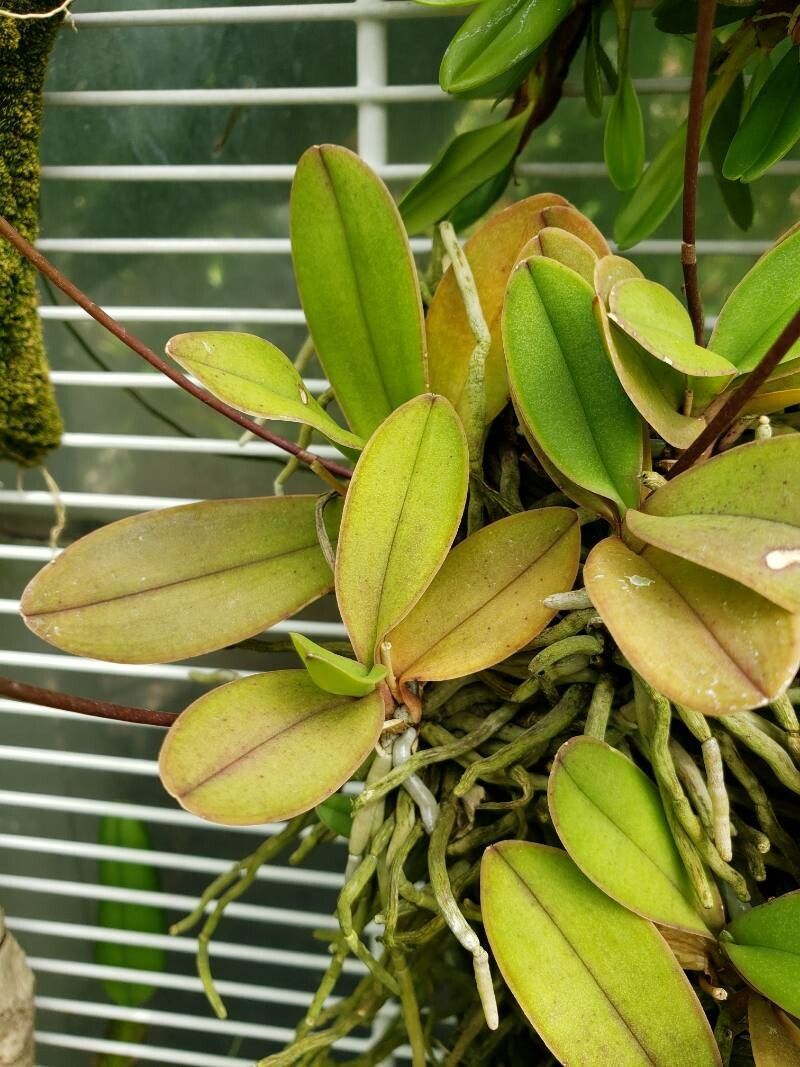
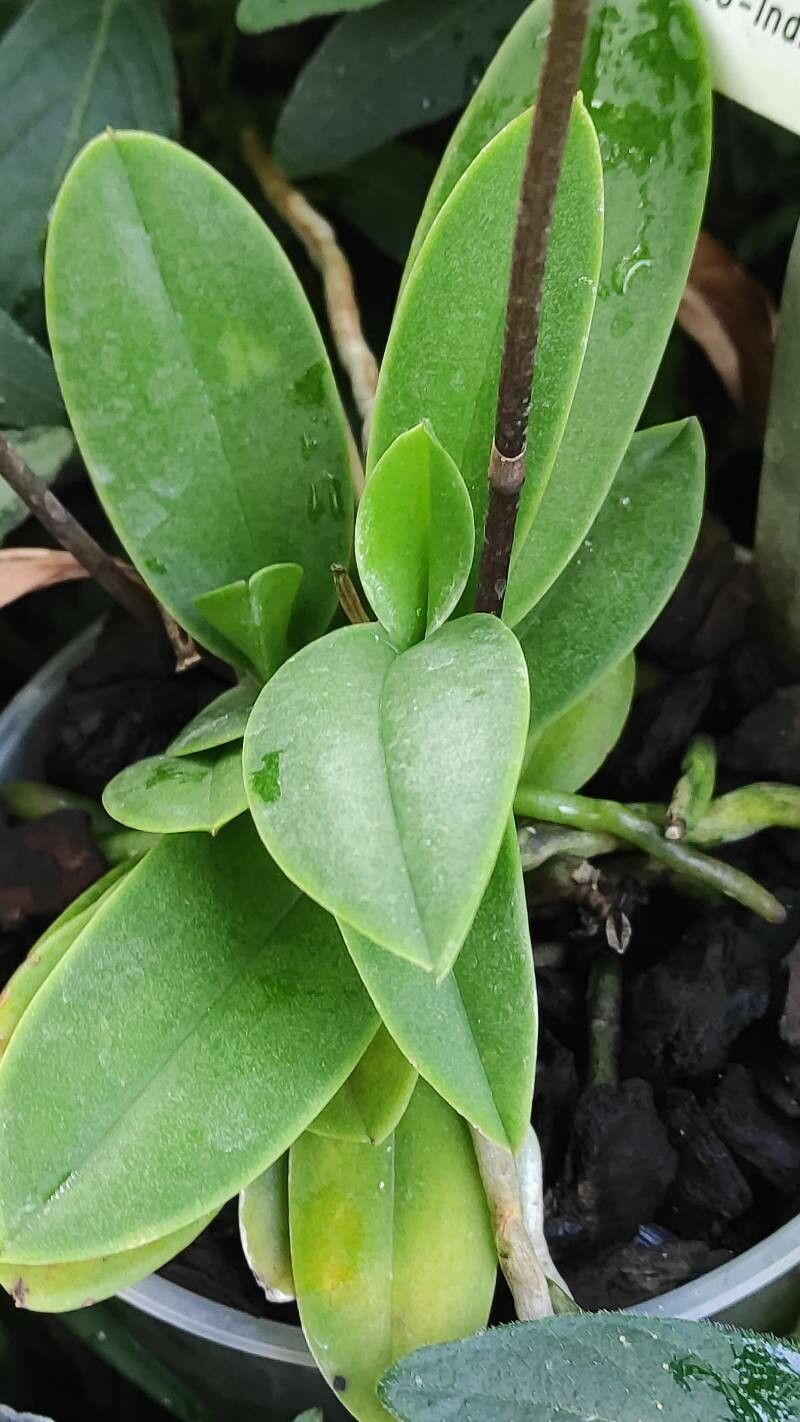
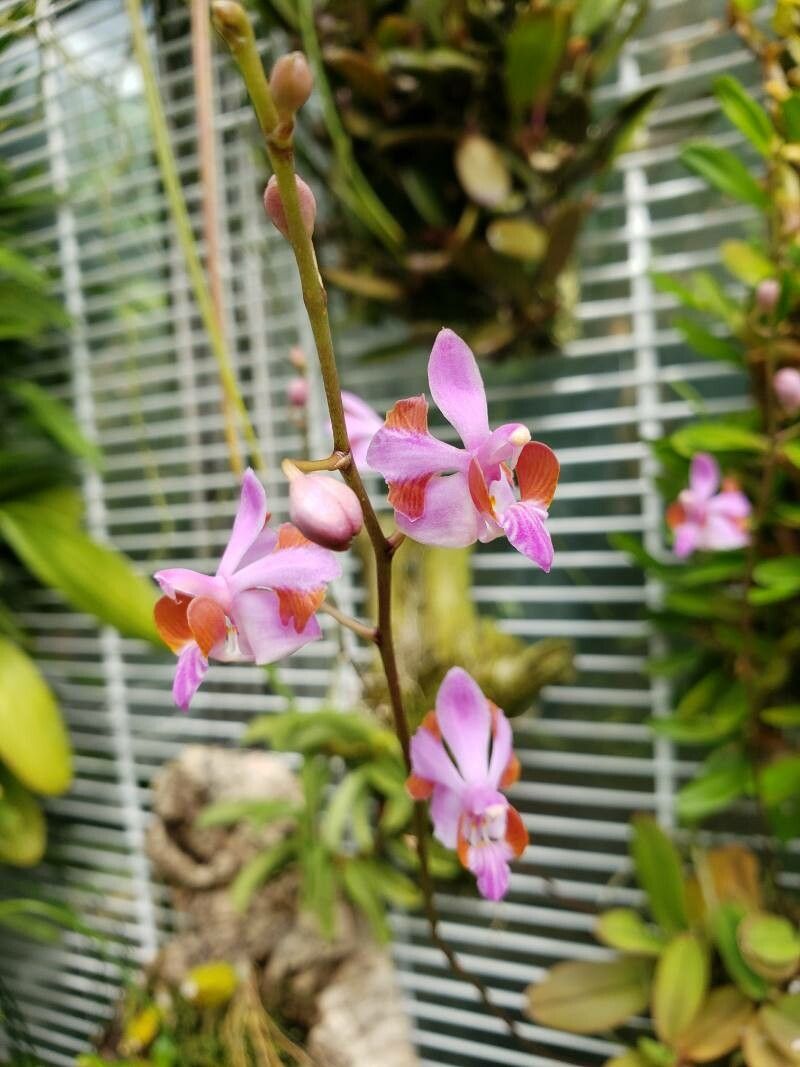
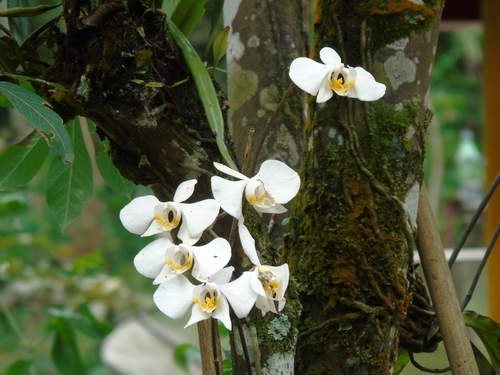
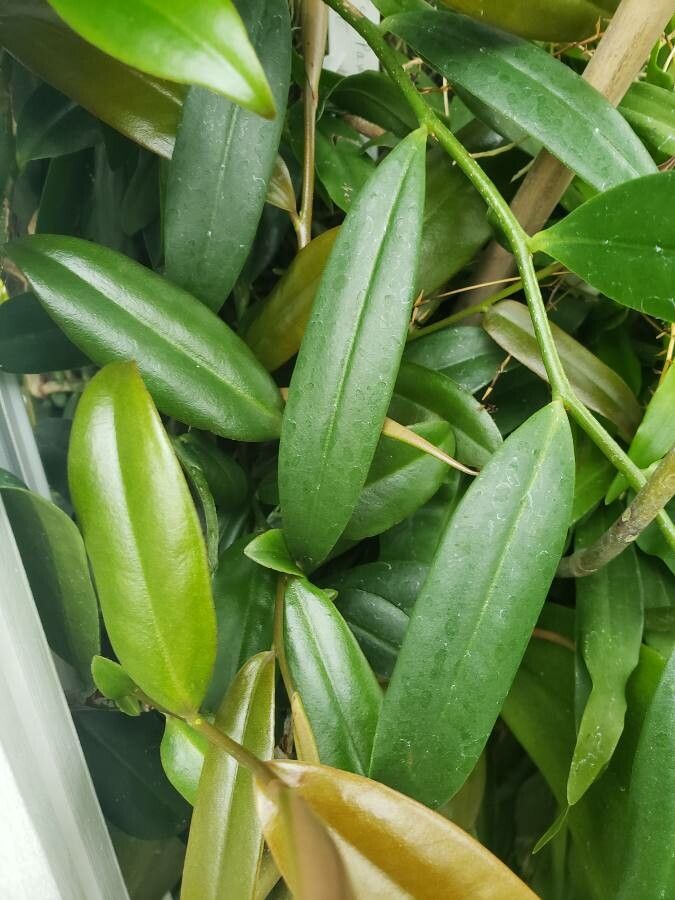
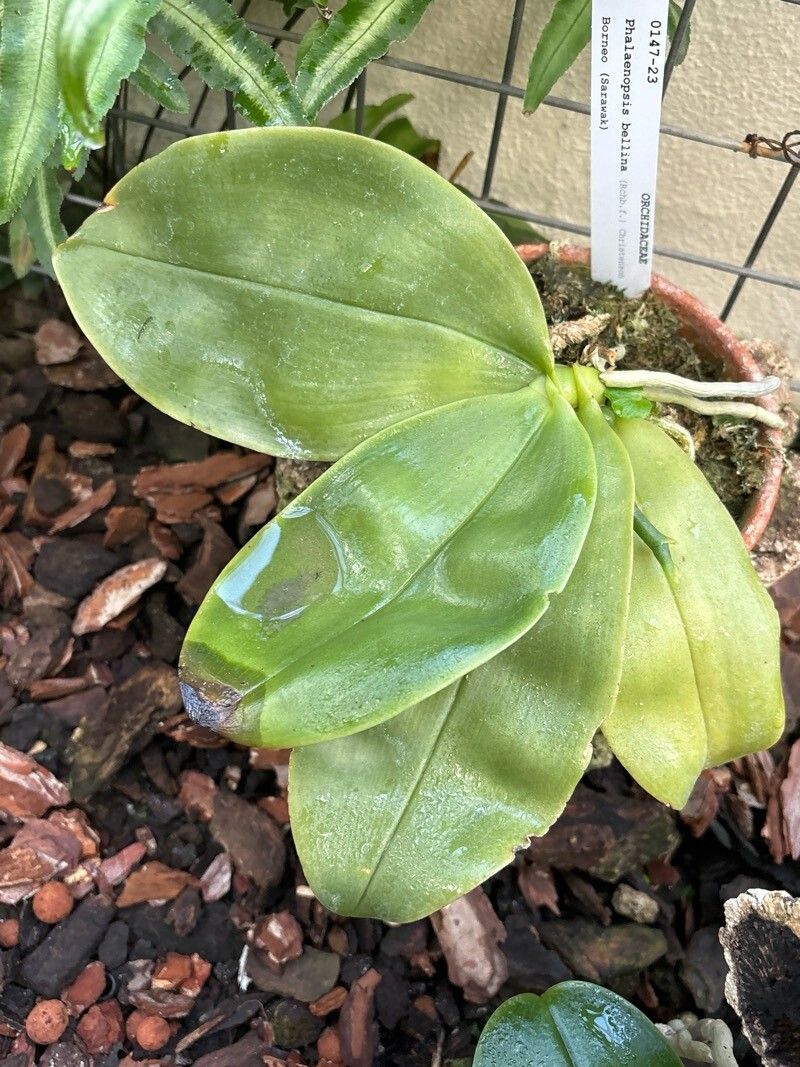
Phalaenopsis pulcherrima is a species of orchid found from Hainan Island to western Malesia.
The moth orchid typically has strong resistance to disease and is affected by relatively few insect pests. Its care is considered difficult because it needs a high-humidity yet well-ventilated environment with minimal harmful pathogens. Too much watering can cause root rot. Although anyone can grow moth orchids, keeping them healthy and getting them to bloom again requires more cultivation experience.
How to keep Phalaenopsis Pulcherrima.
Light
The moth orchid does best with moderate sunlight. It was originally discovered in a place with plenty of shade, so it is not used to strong rays. Too much sun can scorch the leaves, while too little light leads to poor flowering. Its sunlight requirement stays the same through all stages of growth.
Water
The moth orchid thrives in high humidity and needs regular moisture without becoming waterlogged. It is best to water the plant weekly and occasionally mist it to mimic its natural environment, which helps keep its aerial roots hydrated. While the orchid can tolerate brief periods of dryness, consistent watering is essential for maintaining its overall health.
Temperature
The moth orchid originates from habitats where temperatures range between 68 and 100 °F (20 and 38 °C). It prefers a warm climate but can adapt to cooler periods with proper care. Regularly monitoring temperature changes and carefully adjusting its surroundings is advised to preserve optimal growth.
Fertilizer
Correct fertilizing is essential to the health and look of the Moth orchid. Administer fertilizer to the Moth orchid during summer on a monthly basis. Nutrients are necessary to support growth and preserve plant structures. Fertilizing improves the flower display of the Moth orchid, guaranteeing outstanding blooms.
Pruning
The moth orchid benefits from light pruning from early spring to late winter. To keep the plant healthy, trim any spent spikes and remove yellowing leaves. Be careful not to over-prune, as this can cause stress to the plant. Regular pruning helps maintain the orchid's shape and encourages growth, ensuring its vitality, as recommended by horticultural guidelines.
Pot & Repot
When rehousing a Moth orchid, opt for a marginally larger container with proper drainage, ideally a transparent orchid pot. Employ a well-percolating, orchid-specific blend that includes bark or moss. Carefully clean the roots and cut any that are deceased or decaying. Usually in spring or autumn, replant after the blossoming period, provide ample water, and position it in bright, diffuse light. Once it has been repotted, it's crucial not to disrupt the roots.
Botanical profile.
- Plant Type
- Herb
- Life Cycle
- Perennial
- Genus
- Phalaenopsis
- Family
- Orchidaceae
- Hardiness Zone
- 11
- Mature Height
- 15 cm
- Mature Spread
- 20 cm to 40 cm
- Leaf Color
- Dark Green, Olive Drab
- Leaf Type
- Evergreen
- Flower Color
- Pink, White
- Flower Size
- 1.27 cm to 5.08 cm
- Bloom Time
- All year round
- Planting Time
- Spring, Summer, Autumn
- Harvest Time
- All year round
- Native Area
- India, Malaysia, Indonesia, Cambodia, Vietnam, Myanmar, Laos, Thailand, China
Other names.
Reader questions.
What are the sunlight requirements for a Moth Orchid?
Moth Orchids thrive best in environments that offer moderate sunlight exposure and are originally from regions with ample shade, making them sensitive to harsh sunlight. Ideal conditions include partial sun, receiving 3-6 hours of sunlight per day, or full shade, with less than 3 hours of sunlight per day. It's crucial to observe how sunlight moves through your garden to ensure that plants receive the right balance of light and shade for optimal growth. Overexposure can cause leaf scorching, while insufficient light may lead to poor flowering. The plant's needs for sunlight remain constant through all its growth stages.
What is the native environment of the Moth orchid?
The Moth orchid, botanically known as Phalaenopsis pulcherrima, is native to environments that experience temperatures ranging from 68 to 100 °F (20 to 38 °C). It thrives in warm climates but can adapt to cooler seasons with appropriate care. To ensure its optimal growth, it’s important to regularly monitor temperature changes and make careful adjustments to its environment. During winter, if temperatures drop below 10°C, it's advisable to bring the Moth orchid indoors and maintain indoor temperatures above 20°C for its well-being. Positioning it near a south-facing window can provide ample sunlight, and employing methods to maintain humidity levels, such as misting or using a humidifier, is beneficial. For orchids needing to overwinter outdoors, ensuring they are placed in a sheltered spot with sunlight and potentially setting up a temporary greenhouse or using protective materials such as plastic film or fabric is essential.
How can artificial lighting assist in growing Moth Orchids indoors?
When natural sunlight is insufficient, especially in winter or less sunny spaces, artificial lighting becomes a crucial adjunct for optimal growth of Moth Orchids indoors. It's important to pick the right type of artificial light, such as LED lights, which can be tailored to provide specific wavelengths necessary for your plant. The amount of artificial light required varies according to plant type: full sun plants need 30-50W/sq ft, partial sun plants require 20-30W/sq ft, and full shade plants need 10-20W/sq ft. Ideal placement for the light source is 12-36 inches above the plant, with most plants benefiting from 8-12 hours of light per day to mimic natural daylight hours as closely as possible.
How does low temperature affect Moth orchid and what are the solutions?
Moth orchid thrives best in warm environments and is not tolerant to low temperatures, requiring temperatures above 20°C for optimal growth. During winter, it’s important to keep the orchid above 10°C to prevent damage. Exposure to temperatures below 5°C can cause the leaves to experience extensive water-soaked necrosis, wilting, and drooping. To address these symptoms, trim off the affected frostbitten areas and bring the plant indoors to a warmer environment, ensuring it is placed near a south-facing window for adequate sunlight. Additionally, avoid placing it near heaters or air conditioning vents to prevent air from becoming excessively dry.
What are the common symptoms of inappropriate sunlight exposure in Moth Orchids?
Moth Orchids may exhibit several symptoms when they do not receive appropriate sunlight exposure. These include small new leaves, indicating limited growth; leggy or sparse growth, resulting in a thin appearance due to long spaces between leaves or stems; faster leaf drop as the plant conserves resources; slower or halted growth when the plant is in survival mode due to inadequate light; paler new leaves, suggesting a lack of chlorophyll; chlorosis, or yellowing of leaves, due to excessive light; symptoms of sunscald such as pale or necrotic spots on leaves; leaf curling as a defense mechanism against too much sunlight; wilting from excessive water loss; and leaf scorching characterized by brown or crispy leaf edges from overexposure. Addressing these symptoms promptly by adjusting light exposure can help restore plant health.
What are the effects of high temperature on Moth orchid and how can I mitigate them?
During the summer, it is crucial to ensure that the Moth orchid's environment does not exceed 38°C. Temperatures above 43°C will halt its growth and cause the leaves to gradually wilt, increasing susceptibility to root rot and sunburn from direct sunlight exposure. To mitigate these adverse effects, trim away any sunburned or dried-up parts of the plant. Relocating the orchid to a shaded area, especially from the midday and afternoon sun, can help protect it. Additionally, watering the orchid in the morning and evening can help maintain moisture levels for both the plant and its surrounding environment.
What solutions can improve the sunlight exposure for Moth Orchids?
Improving sunlight exposure for Moth Orchids involves several strategies. Indoors, plants can be gradually moved to sunnier spots to receive 3-6 hours of direct sunlight daily or provided with artificial light from desk or ceiling lamps for at least 8 hours daily. For large plants that are difficult to move, investing in professional plant grow lights can provide ample light. Outdoors, plants should be moved gradually to sunnier locations each week to prevent sunburn, adjusting to light intensity changes smoothly. Obstructions to sunlight can be minimized by pruning trees or moving plants to sunlit areas with good drainage, especially during the plant's dormant period for smaller plants. Although parts of the plant affected by insufficient sunlight may not recover, new growth following improved light exposure should be healthy.