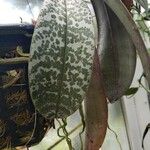
Phalaenopsis schilleriana
Description
Source: leafsnapPhalaenopsis schilleriana is a plant of the orchid genus Phalaenopsis and an endemic species to Philippines. It has lilac flowers.
Care Guide
💧 Water
☀️ Light Partial sun
Phalaenopsis schilleriana occurs naturally in places like forest understories and rocky areas, where it typically grows in shade. It prefers partial sun but can tolerate full sun or full shade, showing its adaptable and hardy nature.
What are the sunlight requirements for Phalaenopsis schilleriana?
Phalaenopsis schilleriana, also known by its botanical name Phalaenopsis schilleriana, requires specific sunlight conditions to thrive. For those areas that receive 'Partial sun', about 3-6 hours of sunlight is necessary. In contrast, areas classified as 'Full shade' should receive less than 3 hours of sunlight. It's essential to observe how sunlight moves through your garden throughout the day. Selecting the right spots that offer a balanced mix of light and shade ensures the well-being of your Phalaenopsis schilleriana plants. This careful observation helps in achieving the perfect growing conditions for these plants.
🌡️ Temperature 20–37.8°C
Phalaenopsis schilleriana does best in warm conditions. It prefers moderately high temperatures but not extreme heat and humidity. Sunlight helps warm the plant and encourages flowering. However, extended direct sun in summer can cause sunburn, so it's necessary to limit how much sun it gets during that season. The plant generally copes poorly with cold, so it needs sufficient protection and warmer conditions in winter to avoid freezing.
What is Phalaenopsis schilleriana?
Phalaenopsis schilleriana is a type of orchid. Known for its botanical name as well, it is a species appreciated by plant enthusiasts and orchid collectors alike. There is no additional information provided on its essentials or symptoms related to care or possible issues. This entry focuses solely on introducing the existence and naming of Phalaenopsis schilleriana.
💨 Humidity
🪴 Soil 5-6
🌱 Fertilizer
Proper feeding is essential for Phalaenopsis schilleriana's health and appearance. Fertilize Phalaenopsis schilleriana during the summer, repeating the treatment monthly throughout the season. Nutrients supply what the plant needs for growth and to sustain its tissues. Fertilization improves Phalaenopsis schilleriana's flowering, helping it achieve the best blooms.
🪴 Pot & Repot Every 2 years
When you repot Phalaenopsis schilleriana, pick a pot that is slightly larger and has good drainage, preferably a clear orchid pot. Use an orchid-specific, well-draining mix that includes bark or moss. Gently clean the roots and trim any that are dead or rotting. Repot after flowering, usually in spring or fall, water thoroughly, and place the plant in bright, indirect light. Avoid disturbing the roots once it has been repotted.
✂️ Pruning
Phalaenopsis schilleriana boasts vibrant, long-lasting flowers. To maintain its health and encourage new growth, prune the plant in early spring after it has finished blooming. Cut above a node to remove any dead parts. Be sure to sanitize your tools to prevent infections. Proper pruning enhances air circulation, reduces the risk of pests, and improves the plant’s overall health and appearance.
🌿 Propagating
🐛 Diseases & pets
☠️ Toxicity
Characteristics
- Plant Type
- Herb
- Life Cycle
- Perennial
- Genus
- Phalaenopsis
- Family
- Orchidaceae
- Hardiness Zone
- 11-12
- Mature Height
- 49 cm
- Mature Spread
- 49 cm
- Leaf Color
- Dark Green, Olive Drab
- Leaf Type
- Evergreen
- Flower Color
- Pink
- Flower Size
- 5.08 cm to 7.62 cm
- Bloom Time
- Mid winter, Late winter, Early spring, Mid spring
- Planting Time
- Spring
- Harvest Time
- Mid spring, Late spring, Early summer, Mid summer
- Native Area
- Philippines