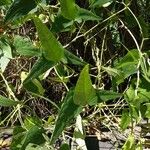
Phaseolus lunatus
Lima bean · Sugar bean · Butter bean · Sieva bean · Kara
Description
Source: leafsnapPhaseolus lunatus, commonly known as the lima bean, is a legume plant native to Central and South America. It is a climbing vine that can grow up to 2 meters in height and produces large, flat pods containing 2-4 seeds each. The seeds are typically white or cream-colored, smooth in texture, and are commonly used in cooking as a source of protein and fiber. Lima beans are also known for their high levels of antioxidants, vitamins, and minerals such as iron, potassium, magnesium, and folate. They can be eaten fresh or dried for later use in soups or stews. The plant itself requires warm temperatures to grow properly but can tolerate some drought conditions once established. It also needs well-drained soil with moderate fertility levels for optimal growth. Overall, Phaseolus lunatus is an important crop both nutritionally and economically around the world due to its versatility in cooking applications and its health benefits when consumed regularly as part of a balanced diet.
Care Guide
💧 Water Every 7 days
Lima beans thrive in tropical climates and prefer consistent moisture without becoming waterlogged, along with moderate humidity. To mimic their natural conditions, it's best to water them weekly. During the active growing season, it's crucial to water them thoroughly to support the development of pods and maximize yield.
How should I water my Lima bean plant for it to be healthy?
The Lima bean has specific preferences for both the amount and method of watering. If you use the wrong technique, you may damage your tomatoes. The best way to water Lima bean is to gently apply the water directly to the soil. Do not pour all the water at once or water overhead. While watering slowly, make sure to water deeply to ensure the moisture reaches all the soil around your Lima bean.
What should I do if I give my Lima bean plant too much or not enough water?
If you realize that you've given your Lima bean too much water and are worried about potential disease, take immediate action. The best solution for an overwatered Lima bean is to remove it from its current spot and let the roots dry out a little before replanting it elsewhere. Make sure the new location has well-draining soil. If you're growing the Lima bean in a pot, you might consider transferring it to a pot with bigger or more drainage holes. Conversely, if you've underwatered the plant, simply water it more frequently.
How often do I need to water my Lima beans?
Lima beans have a high water requirement, so it's important to provide them with plenty of water throughout the growing season. In the spring and summer, this means watering them early and often. During the early part of the season, aim to water your Lima beans about once or twice per week. As the season progresses, increase the frequency of watering. In the summer, you may even need to water them twice per day or more, depending on the weather. Once the Lima beans have gone through their major growth phases, you can reduce watering to about once per week until the end of the season.
How much water does my Lima bean plant need?
Lima beans are highly popular among both professional and amateur gardeners, so we have a good understanding of how to take care of these plants. One specific aspect we know about is the amount of water the average Lima bean plant needs. Typically, Lima beans require about 1 - 1.5 inches of water per week. It's important to evenly distribute this volume during your weekly watering routine. As the temperature rises, you might need to increase the amount of water you provide, but in general, two inches of water per week is a good starting point.
How do I know if I'm giving enough water to my Lima bean?
Both underwatering and overwatering can cause issues for your Lima bean and can result in similar symptoms. These symptoms include foliage discoloration and wilting. When your Lima bean is underwatered, its leaves will curl and droop initially, with a noticeable decrease in leaf vigor. Underwatering can also lead to stunted growth and poor overall development, as this plant needs ample water. On the other hand, overwatering can increase the risk of diseases, such as rot, and result in unpleasant smells emanating from the soil. While symptoms of underwatering appear faster, overwatering can be identified by the presence of standing water or waterlogged soil.
☀️ Light Full sun
Lima bean needs full, direct sunlight for optimal growth, but can adapt to locations that receive sun only part of the day. Originating in sun-drenched habitats, excessive shade or too little light can result in suboptimal growth and health.
What are the sunlight requirements for Lima beans?
Lima beans need full sun, which means they thrive when they get more than 6 hours of sunlight a day. However, they can also perform well in partial sun, receiving about 3-6 hours of sunlight daily. It's essential to watch how sunlight moves through your garden and select spots that provide a balance of light and shade, ensuring the plants grow happily and healthily.
How do I ensure my indoor Lima beans get enough light?
For optimal growth of indoor Lima beans, sufficient lighting is crucial, especially when natural sunlight is inadequate. In settings like winter or less sunny spaces, artificial lighting becomes necessary. LED lights are recommended for they can be tailored to offer specific light wavelengths needed by plants. Full sun plants require 30-50W/sq ft of artificial light, partial sun plants need 20-30W/sq ft, and shade plants require 10-20W/sq ft. The artificial light source should be placed 12-36 inches above the plants to mimic natural sunlight and it should be left on for around 8-12 hours per day to simulate natural daylight hours.
What symptoms indicate my Lima bean is getting too little or too much sunlight?
Symptoms of inadequate light include smaller new leaves, leggy or sparse growth, faster leaf drop, slower or no new growth, and lighter-colored or pale leaves. Too much sunlight can lead to chlorosis, where leaves turn yellow due to chlorophyll breakdown, sunscald, leaf curling as a defense against water loss, wilting from excessive transpiration, and leaf scorching, characterized by brown, dry patches on leaves. These symptoms highlight the need for balanced sunlight exposure.
How can I address sunlight issues for my Lima bean, both indoors and outdoors?
To rectify sunlight issues, gradually increase light exposure by moving plants to sunnier spots, aiming for at least 6 hours of direct sunlight daily. Use south-facing windows and keep curtains open for indoor plants. If natural light is insufficient or the plant is large, use artificial grow lights for at least 8 hours a day. Outdoors, avoid abrupt changes to prevent sunburn. For plants on the ground, remove obstructions like tree branches or transplant smaller plants to sunnier locations during their dormant phase, ensuring ample sunlight and good drainage.
🌡️ Temperature 0–37.8°C
Lima bean does well in temperate climates with temperatures between 68 and 100°F (20 to 38℃). Native to warmer regions, it prefers steady heat. Seasonal temperature adjustments can improve its growth.
What are the essential growing conditions for Lima beans?
Lima beans thrive in temperate climates, with optimal temperatures ranging from 68 to 100°F (20 to 38°C). They originate from warmer environments and thus prefer consistent heat throughout their growing period. To ensure healthy growth, it's beneficial to maintain temperatures above 20°C, especially during winter cultivation. It's crucial to keep the minimum temperature above the freezing point to avoid freeze damage. Protecting Lima beans from temperatures approaching -5°C (25°F) during winter by bringing them indoors or using protection like a temporary greenhouse or wrapping materials is advisable.
How does low temperature affect Lima beans and what are the solutions?
Lima beans have a moderate tolerance to low temperatures but perform best between 20°C and 38°C. It's essential to keep them above 0°C during the winter months. Exposure to temperatures below -40°C can darken the leaves, causing water-soaked necrosis, wilting, and drooping, with leaves turning brown in severe cases. To address frost damage, trim away the affected parts and move the beans to a warm environment or set up a makeshift greenhouse. Ensure they are placed near a south-facing window for sufficient sunlight, or use supplemental lighting if natural light is inadequate.
What should be done if Lima beans experience high temperatures?
Lima beans should ideally be kept below 38°C during the summer. Temperatures exceeding 43°C can slow down growth, lighten the color of the leaves, and increase susceptibility to sunburn. To mitigate high temperature stress, trim away sunburned and dried parts. Relocate the plant to an area with afternoon shade and water it in the morning and evening to maintain soil moisture.
What is the botanic name of the Lima bean?
The botanic name of the Lima bean is Phaseolus lunatus.
💨 Humidity normal (40-60%)
This plant will thrive in moderate humidity, which is probably the level in your home. However, misting it a few times a week can be very beneficial. Make sure the room has good ventilation.
🪴 Soil 6-7
🌱 Fertilizer
Feed Lima beans with organic or commercial fertilizer high in nitrogen for leaf development, phosphorus for roots and flowers, and potassium to support photosynthesis and maximize fruit yield. Plant in spring, amend the soil with compost or manure, and fertilize seedlings once they reach 2–4 inches in height. A shortage of macronutrients causes slow growth, wilting, and problems with fruit quality.
Why should I add fertilizer to my Lima bean plant?
In order for Lima bean plants to produce the best harvest of fruit, it is important to supplement the soil with additional nutrients. Each type of nutrient plays a specific role in the growth of plants. Specifically, phosphorus is crucial for promoting the development of flowers and fruit. However, for a plant to produce flowers and fruit, it also needs a strong root system and healthy leaves to absorb sunlight. Without an adequate supply of essential nutrients, plants will lack energy, grow at a slower pace, and may even wilt. Since flowering and fruiting require a significant amount of energy, any deficiency in these vital components will be evident in the resulting fruits.
When should I put fertilizer on my Lima bean plant?
To successfully grow Lima beans, it is important to follow a few steps. First, plant the beans in the spring so they have enough time to produce fruits during summer. Pay attention to the specific variety of Lima bean and determine the appropriate planting time. It is crucial to provide the beans with rich soil, so before planting, mix in a 2-inch layer of compost or well-rotted manure. This will enhance the soil's nutrition and drainage. For transplants, fertilize immediately after planting, but for seedlings, wait until they reach a height of 2 to 4 inches before the first fertilization. Established plants should be fertilized every 3 to 4 weeks throughout the growing season, until the first frost or when the plant stops producing. Tailor your fertilization schedule and the type of fertilizer to the specific variety of Lima bean. If unsure, it is safer to apply less fertilizer.
When should I not put fertilizer on my Lima bean plant?
To prevent excessive leaf growth and limited blooming or fruit development, avoid using nitrogen-rich fertilizer on Lima beans. Instead, opt for a fertilizer that has a lower nitrogen content in comparison to other nutrients. Furthermore, refrain from fertilizing when temperatures are high or when the soil is very dry. These conditions can cause the fertilizer to wash away and not be absorbed properly. Additionally, plants have a reduced ability to absorb nutrients during hot weather, which can result in the fertilizer remaining in the soil and hindering their water uptake. This can be risky for the plants, especially during a drought or heatwave.
What kind of fertilizer does my Lima bean plant need?
To find the right fertilizer for your Lima beans, start by figuring out what nutrients are already present in your soil and which ones are lacking. The easiest way to do this is by conducting a soil test, but many people have success growing Lima beans without a test. While there are commercially available fertilizers made specifically for different Lima bean varieties, you don't need a separate fertilizer for every vegetable you grow. By understanding the basic needs of your Lima beans and the existing nutrients in your soil, you can use the same fertilizer for multiple plants. Some growers prefer using a high-phosphorus fertilizer that supports the growth of flowers and fruits. These fertilizers have a higher middle number in the NPK ratio, such as 8-32-16 or 10-30-10. However, others simply use a balanced fertilizer like 10-10-10 for all their garden plants to keep things simple.
How should I add plant nutrients to my Lima bean?
Here are some tips on using different types of fertilizer for your garden: - Each type of fertilizer comes with its own set of instructions. Some may require dilution while others need careful measurement. Make sure to follow these instructions closely and conduct thorough research to avoid over-fertilizing your garden. - If you have planted Lima beans in a row, you can use the side-dressing method to ensure that the fertilizer reaches the roots without coming into contact with the plant itself. To do this, mix the fertilizer into the soil along the rows on either side, about 3 to 4 inches away from the base of the plant. When you water the plants, the nutrients will be washed into the soil and down to the roots. - If the side-dressing method doesn't work for your garden setup, you can apply the fertilizer to the soil around the plant, again staying about 3 to 4 inches away. For granular fertilizers, scatter them onto the soil and lightly mix them in to ensure they are incorporated where you want them. After applying dry fertilizers, water the plants thoroughly. - Liquid fertilizers can be mixed into a watering can and used to both water and fertilize the plants simultaneously. This allows for efficient nutrient absorption. - Another option is foliar feeding, which involves spraying the leaves with a specialized fertilizer mix instead of applying nutrients to the soil. This method can be an alternative way of providing nutrients to the plants.
🪴 Pot & Repot
✂️ Pruning
The lima bean is an annual vine treasured for its nutrient-rich seeds. To improve growth and yield, prune the plant from early to late spring. Remove any damaged stems and thin out dense areas to allow better air circulation and sunlight penetration. Always use sterilized tools to prevent the spread of disease.
🌿 Propagating
🐛 Diseases & pets
☠️ Toxicity
Take note that ingesting raw lima beans, including the plant roots, has toxic effects on people and pets.
Characteristics
- Plant Type
- Herb, Vine
- Life Cycle
- Annual, Perennial, Biennial
- Genus
- Phaseolus
- Family
- Fabaceae
- Hardiness Zone
- 2-11
- Mature Height
- 4.57 m
- Mature Spread
- 91 cm
- Leaf Color
- Dark Green, Forest Green
- Leaf Type
- Deciduous
- Flower Color
- White, Yellow, Purple
- Flower Size
- 2.54 cm
- Bloom Time
- Summer, Early fall
- Planting Time
- Spring
- Harvest Time
- Late summer, Fall
- Native Area
- Colombia, Belize, Paraguay, Honduras, Mexico, Guatemala, Bolivia, Venezuela, Peru, Brazil, El Salvador, Nicaragua, Ecuador, Costa Rica, Panama