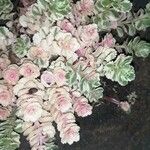
Phedimus kamtschaticus
Orange stonecrop · Kamchatka Stonecrop · Kamschatka Sedum · Kamschatka Stonecrop
Description
Source: leafsnapPhedimus kamtschaticus, the orange stonecrop, is a species of flowering plant in the family Crassulaceae. It is native to China, Korea, Japan and the Russian Far East north to Chukotka, and has been introduced to the state of New York, Norway, Germany, Austria, and the Baltic States.Under its synonym Sedum kamtschaticum it has gained the Royal Horticultural Society's Award of Garden Merit. In addition, the putative variety Sedum kamtschaticum var. ellacombeanum and the 'Variegatum' cultivar have also gained the award.
🌳 Orange Stonecrop has a relatively little-known but important role in horticulture as a pollinator-friendly plant. Its vibrant summer flowers especially attract honeybees, promoting biodiversity and helping pollination in gardens and natural landscapes. This characteristic highlights the plant's ecological value in addition to its aesthetic appeal.
Care Guide
💧 Water Every 2 weeks
Orange Stonecrop is well-suited to rocky environments due to its high drought tolerance and minimal moisture requirements. Its succulent leaves are excellent at storing water, allowing it to need irrigation only once every two weeks. This outdoor plant flourishes in rock gardens, adapting to rainfall patterns and maintaining vibrant foliage without the need for frequent watering.
How should I water my Orange Stonecrop?
To ensure the health of your Orange Stonecrop, follow these watering guidelines: 1. Use filtered water at room temperature or slightly warmer. Tap water may have harmful particles. 2. The Orange Stonecrop prefers a warm environment, so avoid using cold water. 3. Do not water the plant from overhead to prevent foliage issues. 4. Instead, apply your filtered room temperature water directly to the soil until it is completely soaked. 5. Soaking the soil is beneficial as it keeps the roots moist and helps them spread and absorb nutrients.
What should I do if I give too much or too little water to my Orange Stonecrop?
Overwatering can be damaging to your Orange Stonecrop, causing wilting, yellowing leaves, and potentially deadly diseases like root rot, mold, and mildew. Underwatering is less likely, but can result in brittle and brown leaves. It is crucial to identify signs of overwatering early and adjust your watering schedule accordingly. If the soil drains poorly, replace it with a loose, well-draining potting mix. If your Orange Stonecrop receives too little water, simply increase your watering frequency until the signs disappear.
How often should I give water to my Orange Stonecrop?
If your Orange Stonecrop plant is in a pot, the most precise way to check if it needs water is to stick your finger into the soil. If the top two to three inches of soil are dry, it's time to water. If you grow your Orange Stonecrop outdoors in the ground, you can use the same method. When the top few inches of soil have dried out, it's time to water. In spring and early fall, watering once a week is usually sufficient. However, during extremely hot weather, you may need to water twice a week or more. Nevertheless, mature and well-established Orange Stonecrop plants have an impressive ability to tolerate drought.
How often should I water my Orange Stonecrop?
To properly water your Orange Stonecrop, you need to give it a generous amount of water. Make sure the top two to three inches of soil are dry before watering. Give the plant a good, deep watering so that the soil is completely soaked. You should add enough water so that it drains out of the pot's drainage holes. If you don't see any excess water draining, it means you haven't watered enough. However, be careful not to let water accumulate in the soil, as this can harm the plant. If no water is draining through the pot, it could mean the soil doesn't drain well, which is not good for the plant's health. If the plant is outdoors, it generally only needs about 1 inch of rain per week to stay hydrated.
How do I water my Orange Stonecrop when it's growing at different stages?
The watering needs of the Orange Stonecrop can vary depending on its growth stages. In the early years and after transplanting, it requires more water to support root development and future growth. As the plant matures, it will need less water. Additionally, during the blooming period, it may need more water to support flower development.
☀️ Light Full sun
Orange Stonecrop grows best in bright, direct sunlight all day. Its natural habitat is usually exposed to constant sun, which encourages healthy growth. If it doesn't get enough sunlight, its growth and health may be affected. However, too much light generally does not significantly harm the plant.
What are the sunlight requirements for Orange Stonecrop?
Orange Stonecrop, botanically known as Phedimus kamtschaticus, thrives best under strong and unfiltered sunlight throughout the day, requiring above 6 hours of sunlight. Its optimal growth and health depend significantly on sufficient exposure to continuous sun, as seen in its native habitat. However, it's important to observe the movement of sunlight through your garden to find spots that offer a perfect balance of light and shade, ensuring the plant's well-being. Even though a surplus of light doesn’t tend to significantly harm the plant, the right amount of sunlight is crucial for its development.
How should I use artificial lighting for indoor Orange Stonecrop plants?
For indoor Orange Stonecrop plants that don't receive adequate natural sunlight, especially during winter or in less sunny spaces, artificial lighting is a crucial alternative. LED lights are recommended because they can be customized to provide specific wavelengths needed for plant growth. The amount of artificial light required varies depending on the type of plant: full sun plants need 30-50W/sq ft, partial sun plants 20-30W/sq ft, and full shade plants 10-20W/sq ft. The light source should be placed 12-36 inches above the plant to mimic natural sunlight, and most plants benefit from 8-12 hours of light per day.
What are the symptoms of insufficient light in Orange Stonecrop?
When Orange Stonecrop doesn't receive sufficient light, several symptoms might appear, including smaller new leaves, leggy or sparse growth, faster leaf drop, slower or no new growth, lighter-colored new leaves, chlorosis (yellowing), sunscald, leaf curling, wilting, and leaf scorching. These signs indicate the plant's struggle with inadequate sunlight exposure, affecting its growth and overall health.
What solutions can I apply to resolve light deficiency issues for Orange Stonecrop?
To address light deficiency in Orange Stonecrop, for indoor settings, gradually move the plant to a sunnier location each week until it gets at least 6 hours of direct sunlight daily, using south-facing windows and keeping curtains open. If the plant is large or not easily movable, consider using artificial light, keeping a lamp on for at least 8 hours daily or investing in plant grow lights. For outdoor plants, move them gradually to sunnier spots to avoid sunburn, ensuring they adapt to changes in light intensity. If sunlight is blocked by obstacles like trees, prune them to allow more light or consider transplanting smaller plants during their dormant period to locations with better sunlight and drainage. Note that parts of the plant affected by insufficient sunlight might not recover, but new growth will be healthy after increasing light exposure.
🌡️ Temperature 5–35°C
Orange Stonecrop does well in its native habitats when temperatures range from 41 to 95 °F (5 to 35 ℃). Moderate temperatures promote its best growth. Seasonal adjustments may be required to maintain this range.
What is the ideal temperature range for Orange Stonecrop to thrive?
Orange Stonecrop, also known as Phedimus kamtschaticus, thrives best in temperatures ranging from 41 to 95 °F (5 to 35 °C). Its growth is optimal in moderate temperatures, and seasonal adjustments may be necessary to maintain this temperature range. The plant exhibits strong cold resistance, making special frost protection measures unnecessary in most winter conditions. However, in extremely cold winters where temperatures are expected to drop below -30°C, it's crucial to protect the plant against the cold by covering it with materials like soil or straw and ensuring the soil remains moist before the first freeze, to prevent drought and water scarcity during winter and early spring.
How does Orange Stonecrop respond to low temperatures, and what are the recommended solutions?
Orange Stonecrop is cold-tolerant and performs best when temperatures stay above 5°C. During the winter, it is essential to keep the temperature above -25°C. If temperatures fall below -30°C, there may not be immediate visible changes, but there could be a decline in sprouting or a complete absence of sprouting in the spring. The recommended solution for plants that have been exposed to such low temperatures and have parts that fail to sprout in the spring is to remove these non-sprouting parts to promote new growth.
How does Orange Stonecrop react to high temperatures, and what solutions can be applied?
During the summer, it is critical to ensure that Orange Stonecrop does not get exposed to temperatures above 35°C. Temperatures exceeding 38°C can cause the leaves to lighten, curl, become susceptible to sunburn, and in severe cases, may lead to the entire plant wilting and drying. To manage this, prune away the sunburned and dried parts of the plant. Moving the plant to a shaded area or using a shade cloth to protect it from the midday and afternoon sun can provide relief. Additionally, maintaining soil moisture by watering the plant in the morning and evening is beneficial.
💨 Humidity
🪴 Soil 6-7
🌱 Fertilizer
For Orange Stonecrop, light fertilizer applications 1-2 times a year during the growing season are adequate. Do not fertilize in winter or in summer when the plant is dormant. Use less fertilizer for repotted plants and wait a couple of months after repotting before applying fertilizer. Fertilizing promotes healthy growth and encourages blooms.
Why is it important to add fertilizer to my Orange Stonecrop?
Fertilization is crucial for the Orange Stonecrop and other plants because it supplies essential nutrients for both above and below-ground growth. However, the Orange Stonecrop's fertilization requirements are typically low and it can sometimes survive without fertilization. Nonetheless, annual fertilization can greatly benefit the Orange Stonecrop by promoting its longevity and improving flower quality. Therefore, for those wanting their Orange Stonecrop to thrive, consistent annual fertilization is recommended.
When should I fertilize my Orange Stonecrop?
Fertilizing an Orange Stonecrop is best done in late winter to early spring when the plant is transitioning from dormancy to active growth. This timing sets the plant up for a healthy start to the season. Fertilizing in the fall is also acceptable, but it is not recommended to feed the plant in summer or winter.
When is the best time to not fertilize my Orange Stonecrop?
To avoid overfertilization and its complications, it is best to only fertilize your Orange Stonecrop in late winter and early spring. This plant has low fertilization needs, so a single annual feeding is sufficient. However, if you skipped fertilizing in the spring, you can still feed it in the fall. It is important to note that there is no need to fertilize the plant during the winter, as it is in a dormant phase and does not produce new growth. Therefore, it is not recommended to fertilize during most of the winter.
What kind of fertilizer does my Orange Stonecrop plant need?
When fertilizing an Orange Stonecrop, using a general-purpose fertilizer with a balanced amount of the three main plant nutrients will usually suffice. However, some specific nutrient blends can provide even greater benefits. Many gardeners believe that higher levels of phosphorus result in stronger roots and better flowers. Since Orange Stonecrop is a flowering plant, using a phosphorus-rich fertilizer may be most effective. Whether in granular or liquid form, as long as the fertilizer is nutrient-rich, it will work well for your Orange Stonecrop. In addition to manufactured fertilizers, you can also enhance the soil using organic methods. Compost, manure, and similar materials can greatly improve the growing medium for your Orange Stonecrop.
How can I make my Orange Stonecrop grow better?
The most common way to fertilize an Orange Stonecrop is to apply a granular or pellet fertilizer to the soil around your plant. It's important to fertilize the plant when it's transitioning from its dormant winter phase to active growth. In early spring, wait until shoots start to emerge from the soil before applying the fertilizer. Alternatively, some people prefer using liquid fertilizer, which should be diluted with water before application. Regardless of the type of fertilizer used, it's always recommended to moisten the soil before, during, and after the fertilizer is applied.
🪴 Pot & Repot
✂️ Pruning
For optimal growth, prune the orange stonecrop between late winter and early spring. Remove any dead stems and lightly trim the plant to shape it. This will encourage bushier growth and prevent legginess. Additionally, regularly clear away debris and use sharp, clean tools to promote good airflow, light penetration, and prevent disease.
🌿 Propagating
🐛 Diseases & pets
☠️ Toxicity
Characteristics
- Plant Type
- Herb
- Life Cycle
- Perennial
- Genus
- Phedimus
- Family
- Crassulaceae
- Hardiness Zone
- 4-9
- Mature Height
- 8 cm to 15 cm
- Mature Spread
- 30 cm
- Leaf Color
- Green
- Leaf Type
- Evergreen
- Flower Color
- Yellow
- Flower Size
- 2.54 cm
- Bloom Time
- Late spring, Early summer, Mid summer
- Planting Time
- Spring
- Harvest Time
- Mid summer
- Native Area
- Russia, Japan, Koppen, South Korea, China