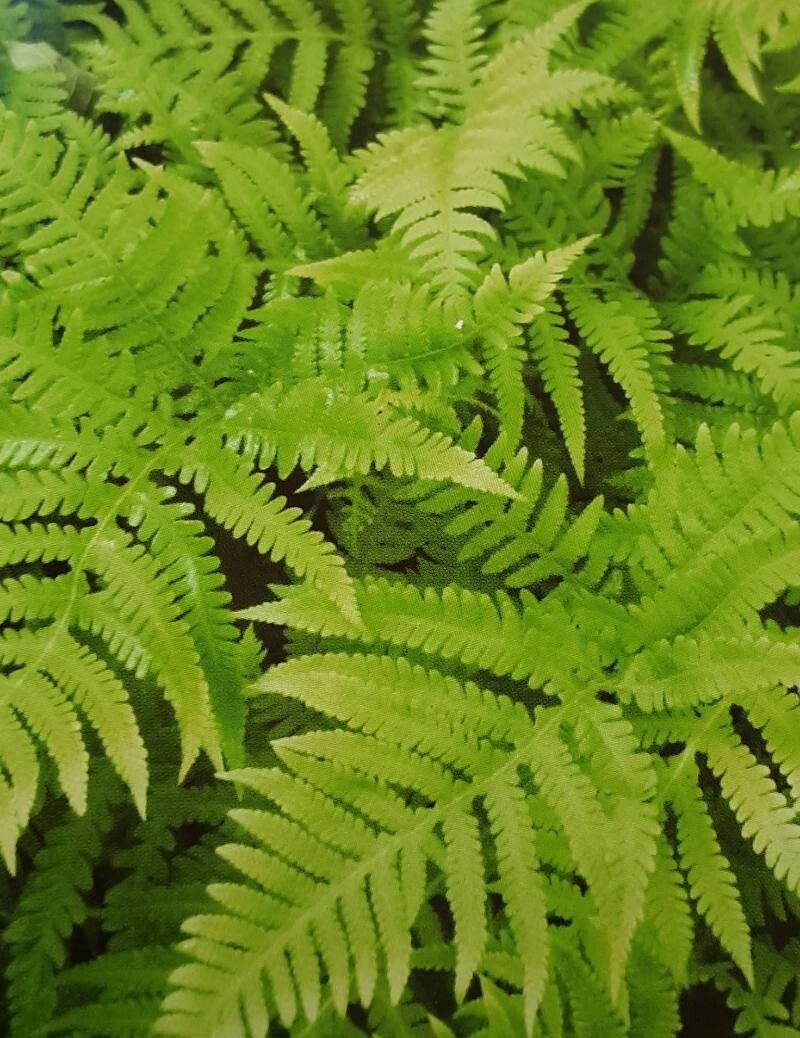
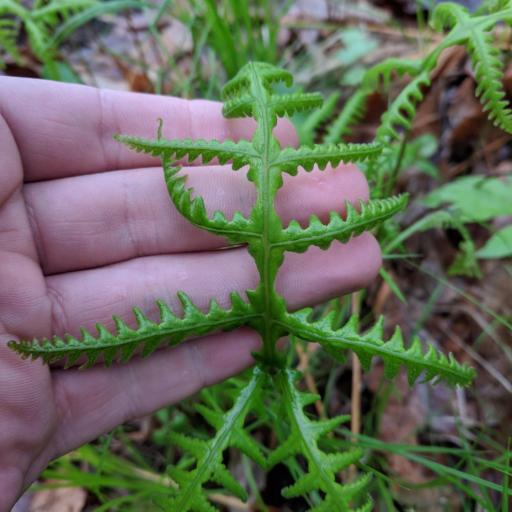
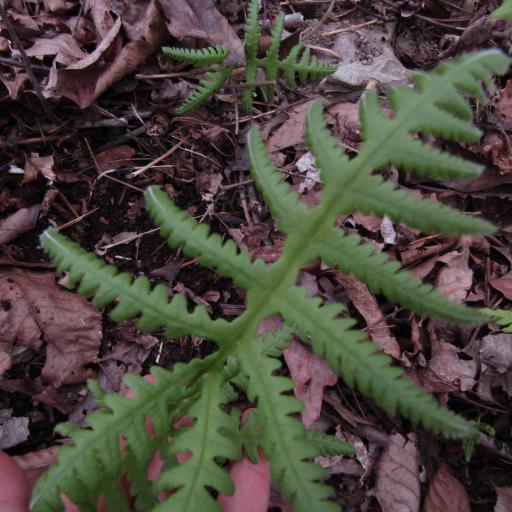
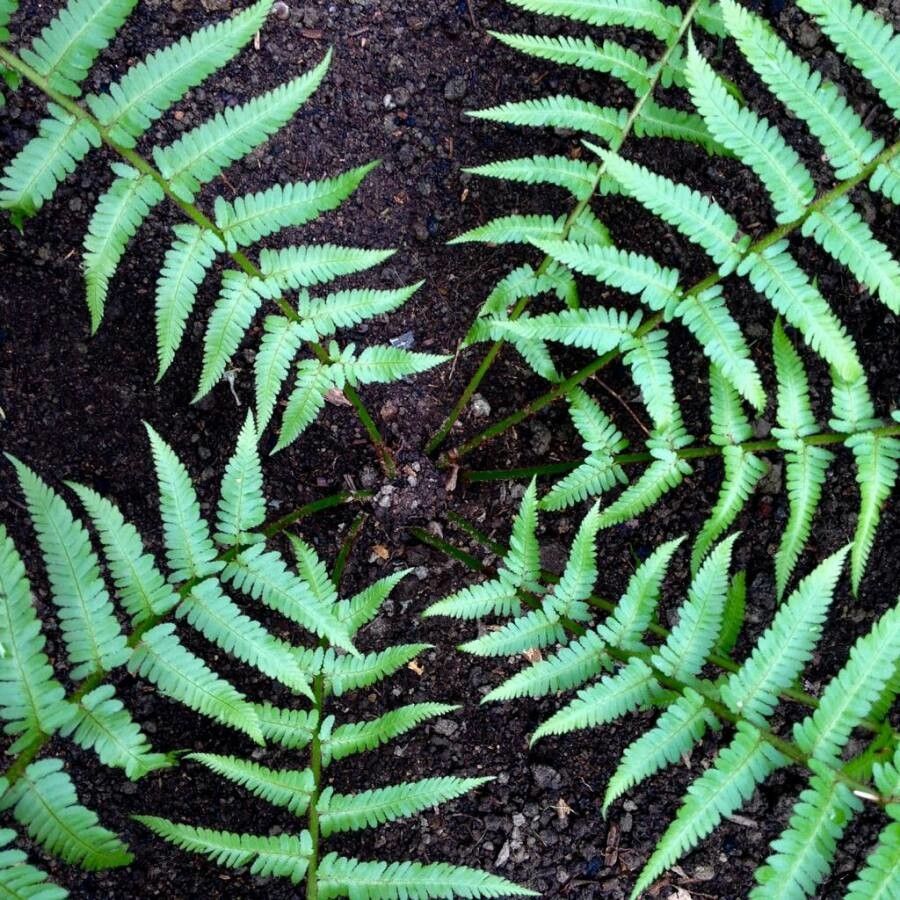
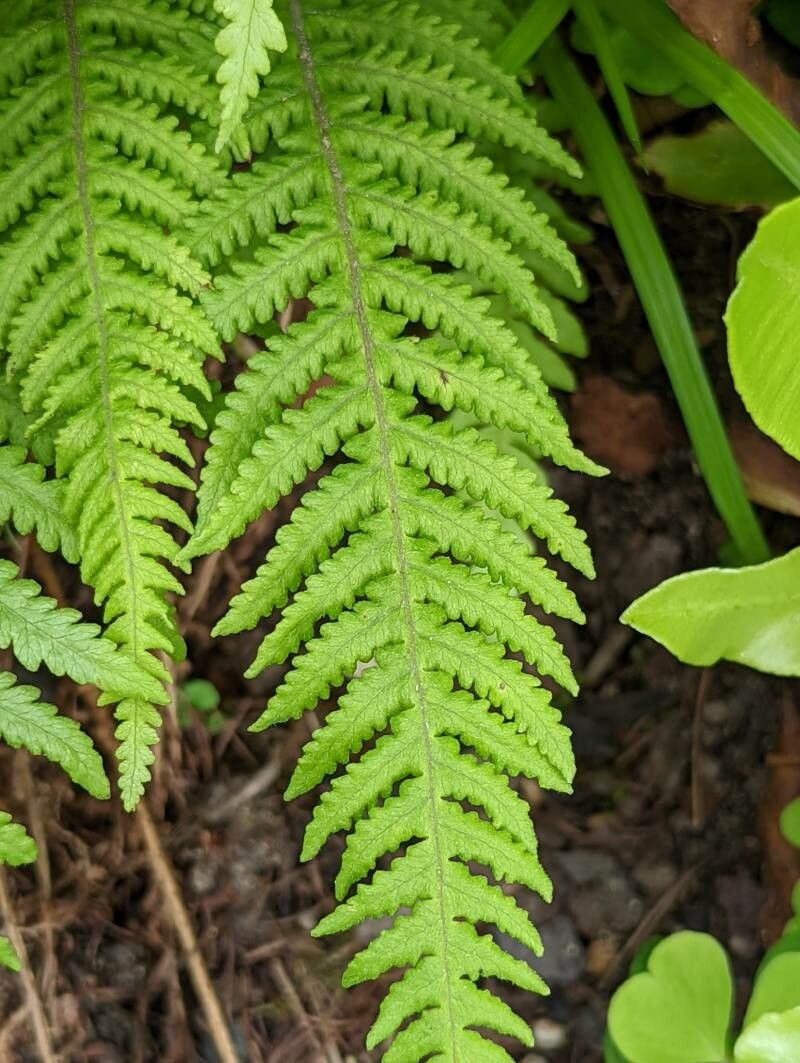
Phegopteris hexagonoptera, commonly called the broad beech fern, is a common forest fern in the eastern United States and adjacent Ontario. It grows from a creeping rootstock, sending up individual fronds that more or less clump. The fronds are broadly triangular. The specific name hexagonoptera refers to the winging of leaf tissue along the rachis between the basal pinnae. Sori are small, round and naked. This aspect of the plant has caused it in the past to be placed, at first, in the genus Polypodium, then grouped with genus Dryopteris, then with the genus Thelypteris. Genetic analysis has shown the genus Phegopteris to be a sister clade to the rest of the thelypteroid ferns. Rare hybrids with Phegopteris connectilis are known. This fern makes an excellent garden plant, gradually filling in a bed.
Broad beechfern generally has good disease resistance and relatively few insect pests. Its care is considered difficult because it needs a consistently moist environment and frequent watering. However, the roots are susceptible to rot if overwatered or if the surroundings lack adequate ventilation. Broad beechfern is suitable for people with some growing experience, as most individuals can keep it alive for a certain amount of time. Nevertheless, it may struggle to thrive, and its leaves can dry out and become less healthy over time.
How to keep Phegopteris Hexagonoptera.
Light
Broad beechfern grows best when fully sheltered from strong sunlight and tolerates less sunny locations. It can still prosper without abundant sunshine. It will accept moderate sun exposure, though prolonged exposure may harm its health. It comes from habitats with plentiful shade, suggesting an adaptation to lower light levels.
Water
The broad beechfern thrives in its natural habitat of moist, shaded forest floors, preferring environments with consistent moisture and steady humidity. While it exhibits moderate drought tolerance, it benefits from being watered every two weeks. This adaptable plant is well-suited for growing in containers, even in lower light conditions, as long as moisture levels are carefully managed.
Temperature
Broad beechfern originates from areas with temperatures ranging from 41 to 95 °F (5 to 35 °C). It favors cooler conditions and grows best between 5 and 35 degrees Celsius. During winter, supply extra warmth as needed.
Pruning
The broad beechfern is a distinctive fern characterized by its wide, triangular fronds. It flourishes in shady environments. To maintain its health and shape, prune it in early spring by removing any dead fronds. This practice enhances air circulation, reduces the risk of disease, and encourages robust new growth, thereby improving the aesthetic appeal of the landscape.
Botanical profile.
- Plant Type
- Fern
- Life Cycle
- Perennial
- Genus
- Phegopteris
- Family
- Thelypteridaceae
- Hardiness Zone
- 5-9
- Mature Height
- 30 cm to 46 cm
- Mature Spread
- 46 cm to 61 cm
- Leaf Color
- Green
- Leaf Type
- Deciduous
- Planting Time
- Spring, Summer
Other names.