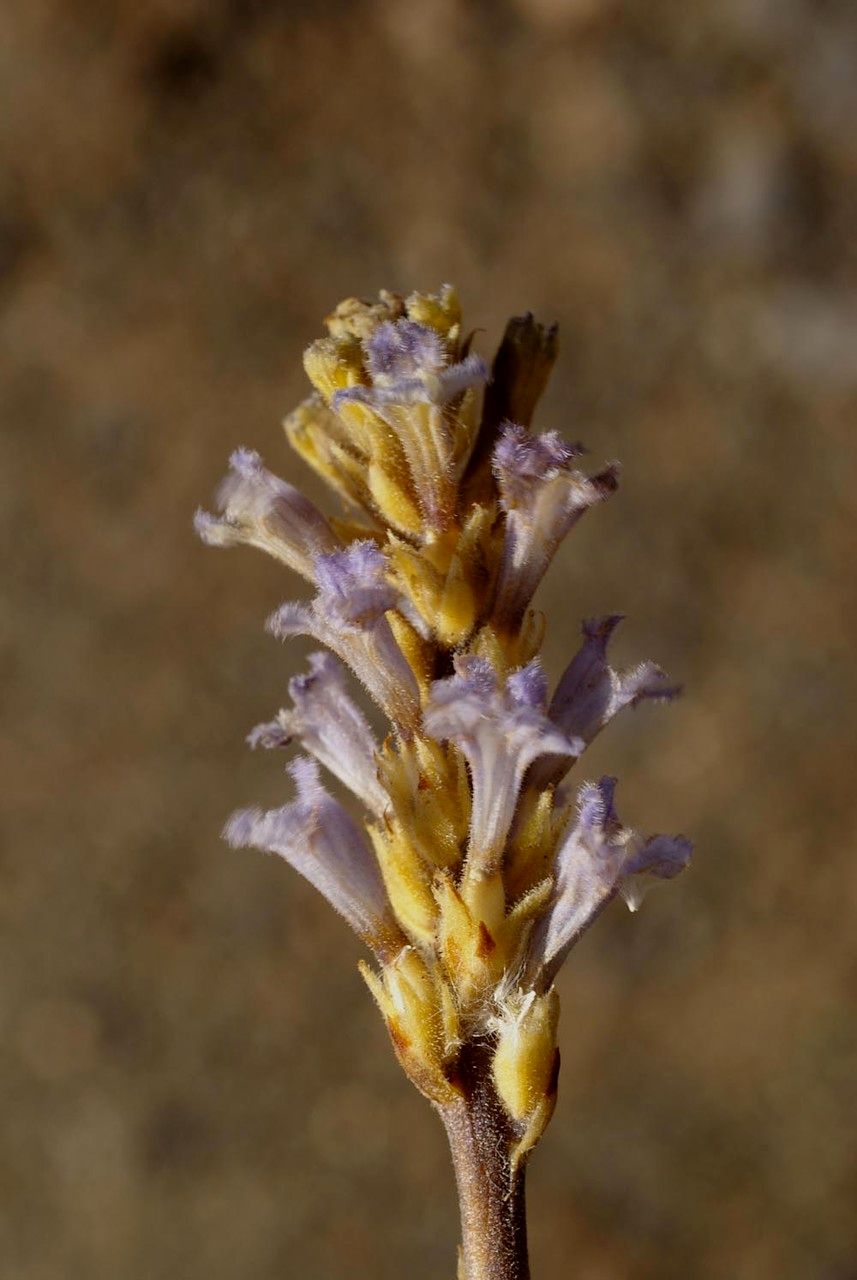
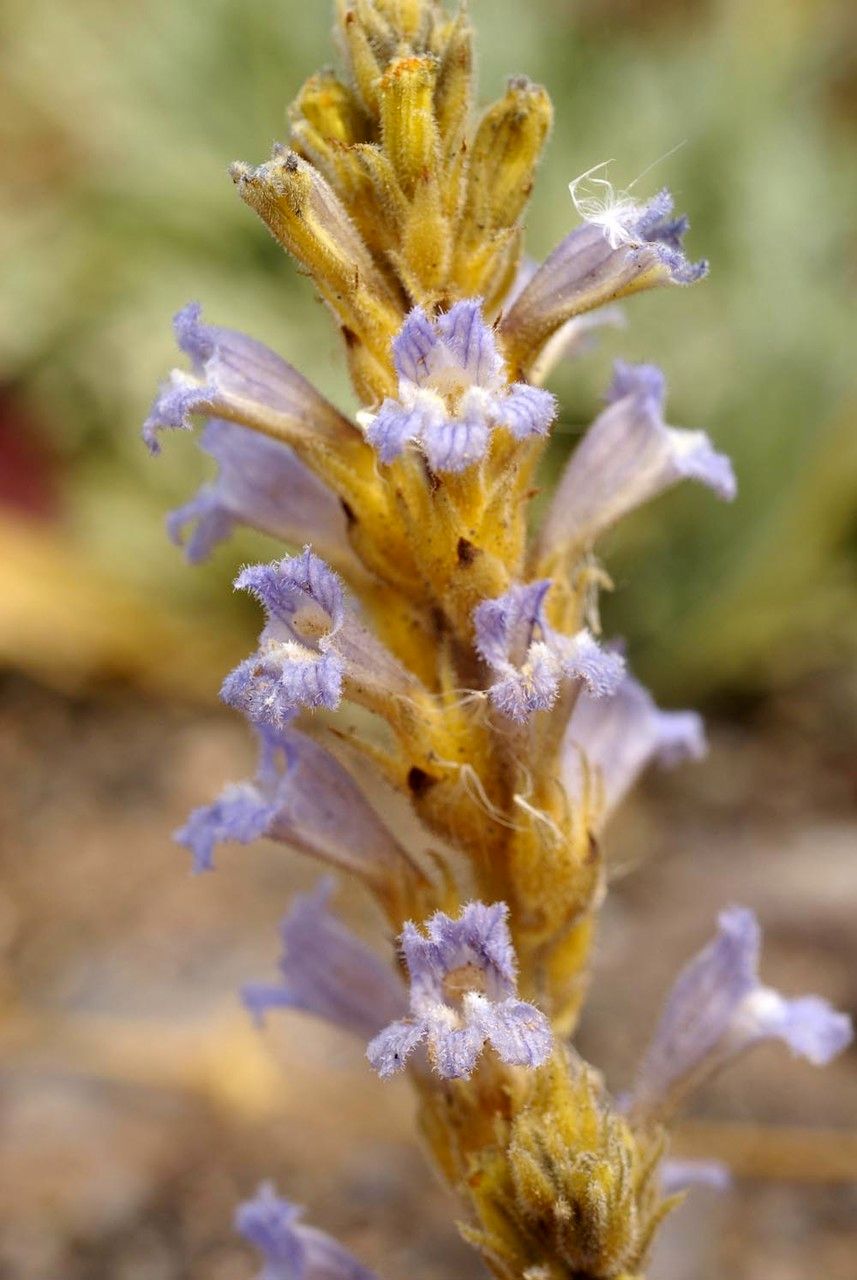
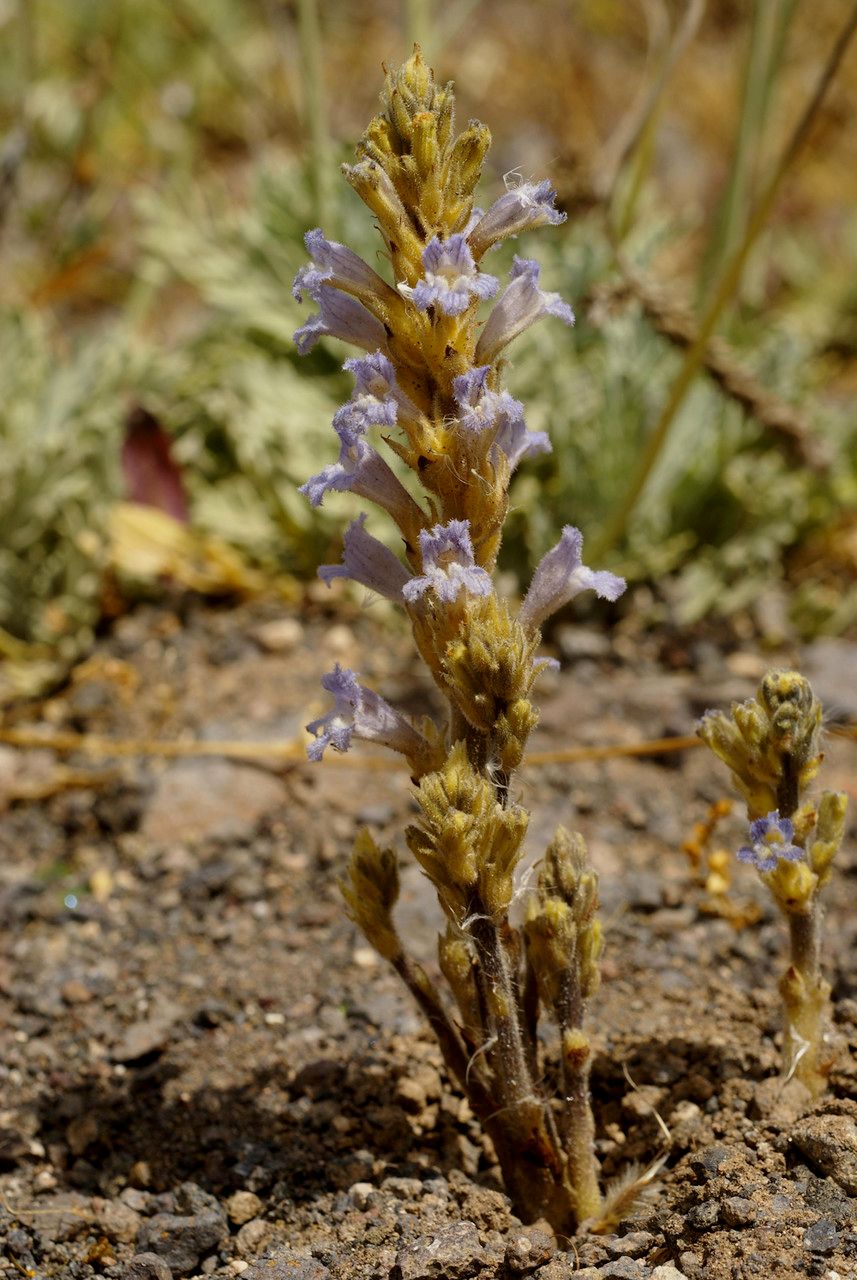
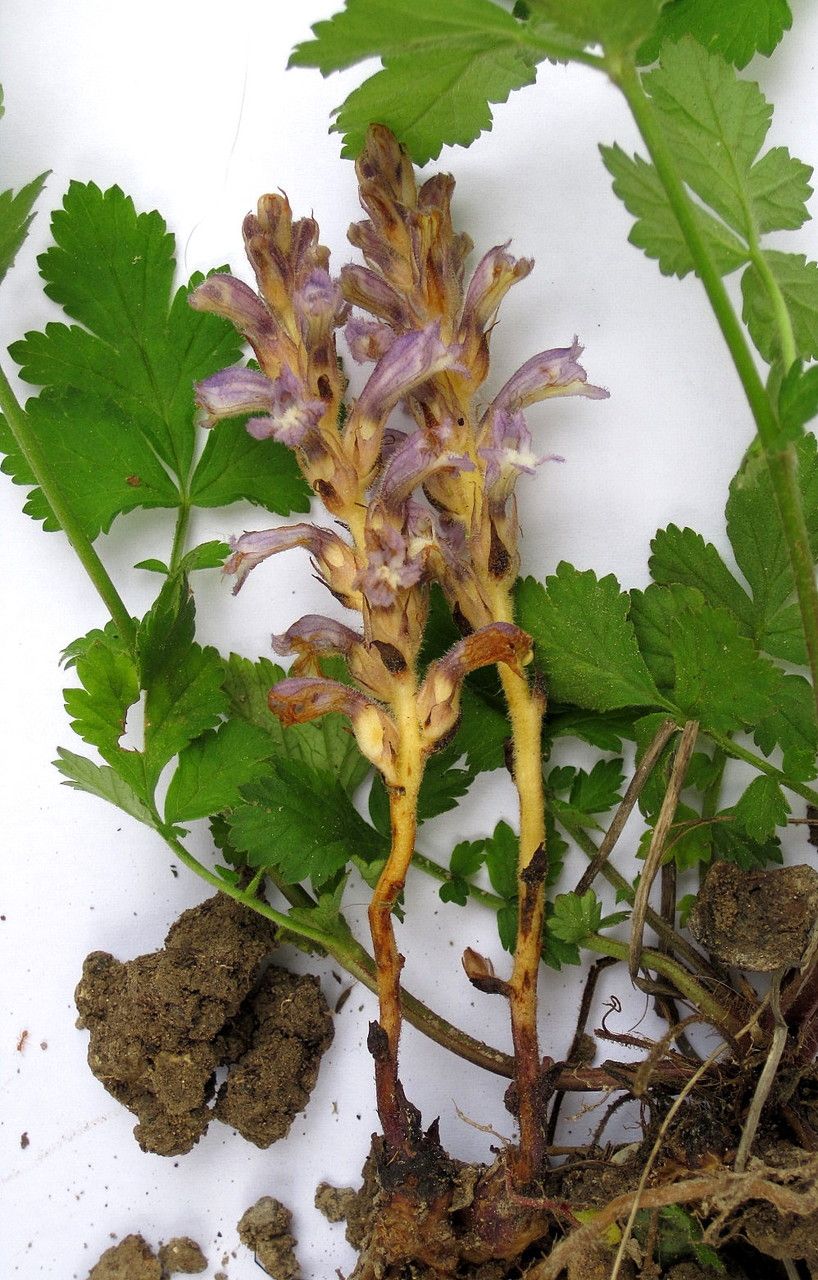
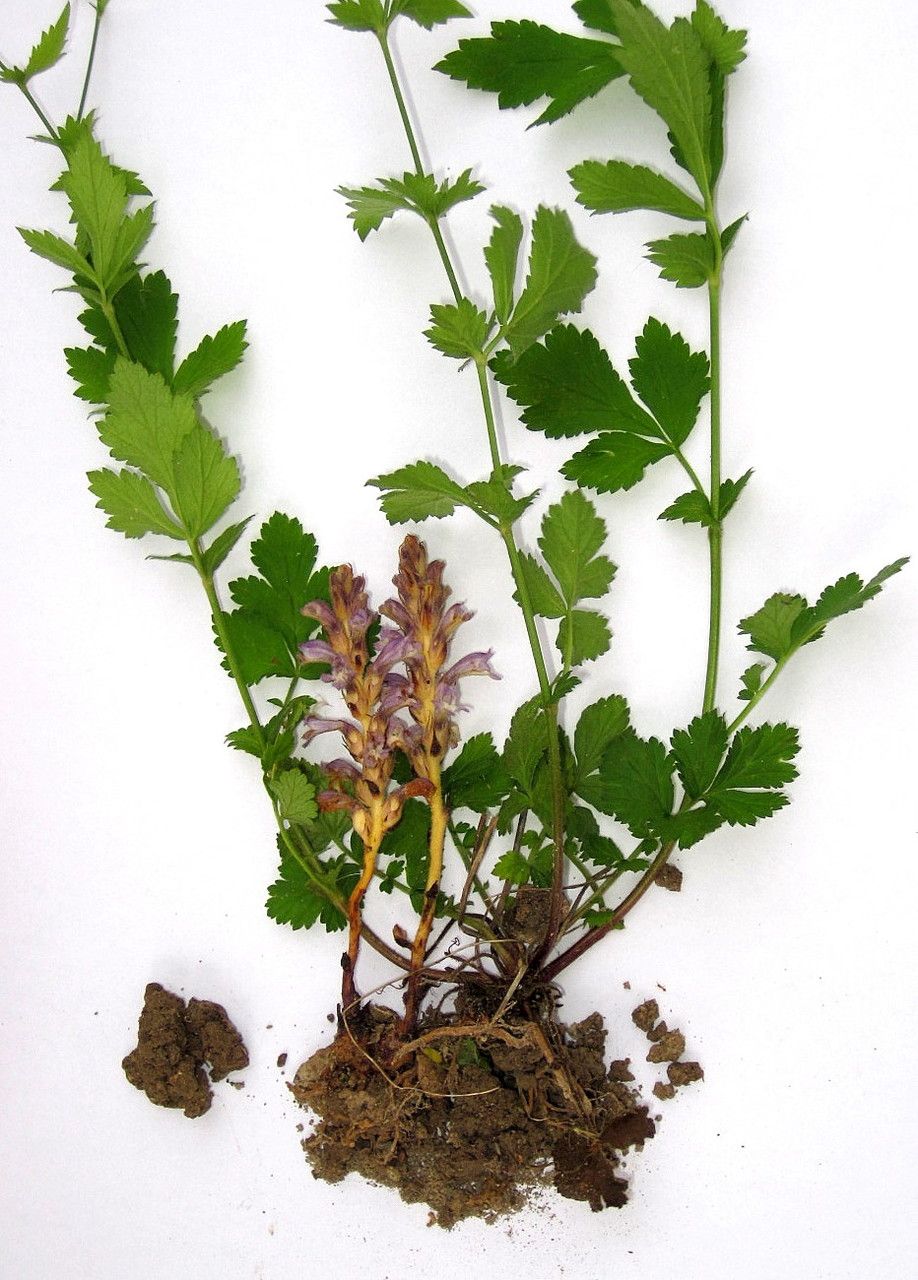
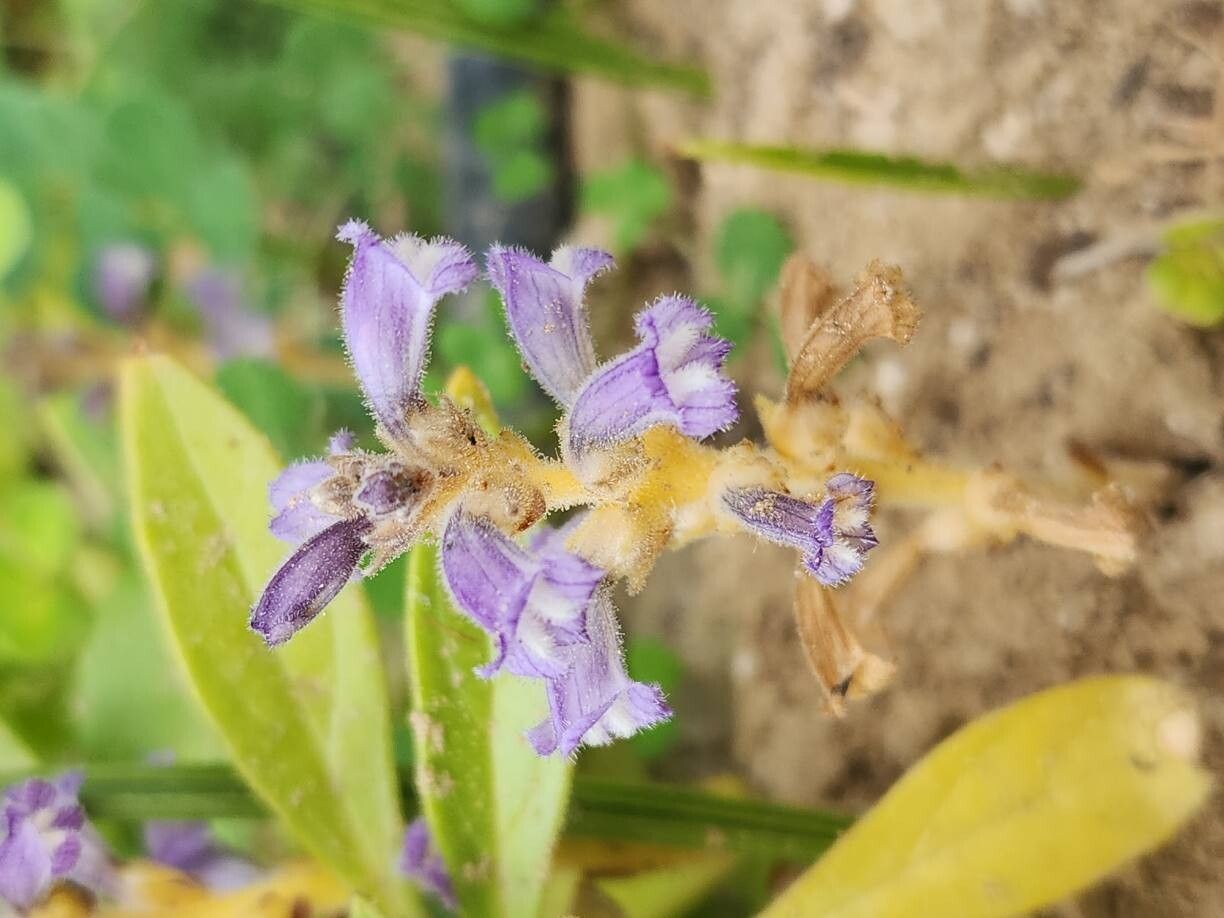
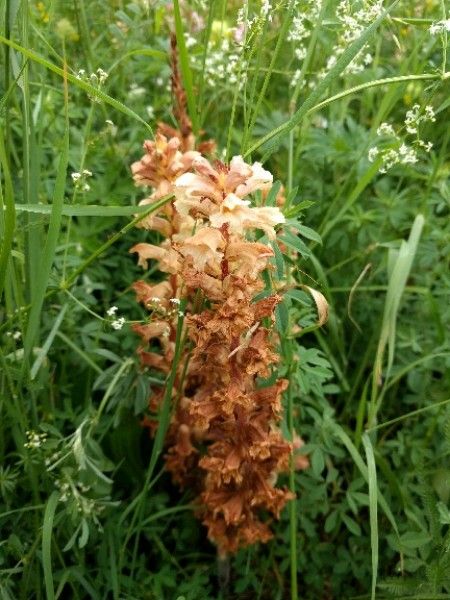
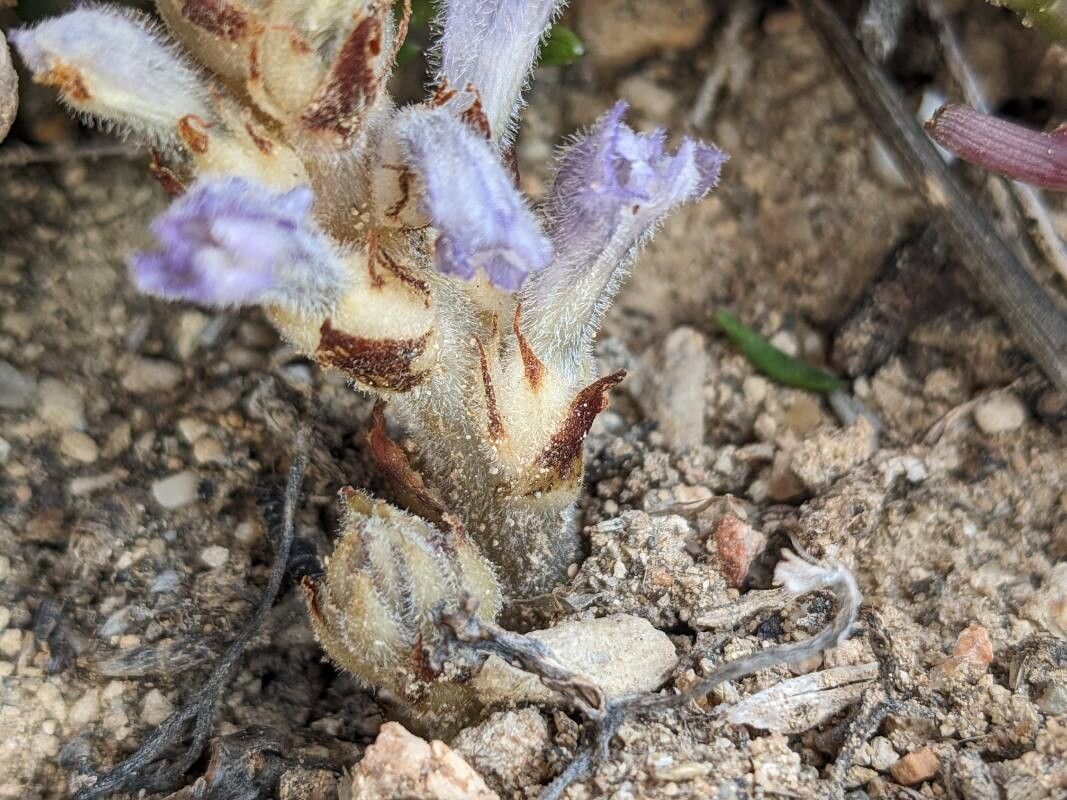
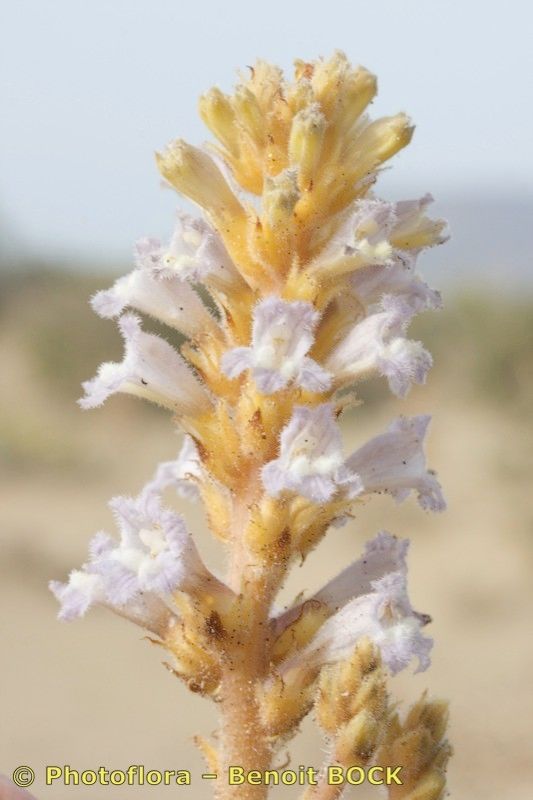
Orobanche mutelii, the dwarf broomrape, is a species of plant in family Orobanchaceae. It is endemic to Malta.
Mutel's broomrape shows strong resistance to diseases and is typically not vulnerable to illnesses. However, it can be affected by pests and diseases present in its surroundings. Such infections are generally mild. In terms of care, this plant requires moderate attention. It should be pruned regularly to maintain an attractive appearance and healthy growth. Applying fertilizer can also encourage flowering. Mutel's broomrape is suitable for anyone with an outdoor area, such as a garden or patio, and does not demand much gardening experience. It may need more care when grown indoors.
How to keep Phelipanche Mutelii.
Light
Mutel's broomrape comes from bright, open habitats where it flourishes in full sun. It can handle partial shade but favors direct sunlight for optimal growth. This annual or biennial plant is noted for its sun-loving habit.
Water
Mutel's broomrape flourishes in conditions with moderate moisture, needing consistent watering without becoming waterlogged. To maintain the ideal soil moisture, water Mutel's broomrape twice a week; this helps prevent both drought stress and root rot. Being an obligate parasite, it depends on host plants for water and nutrients, so a careful balance of rainfall is essential.
Temperature
Mutel's broomrape can tolerate a wide range of temperatures, but its distribution may still be restricted by particular combinations of moisture and heat. It performs best in warm summer climates with sufficient rainfall or irrigation. Extended periods of cloudy, rainy weather or prolonged high temperatures can raise the chance of Mutel's broomrape dying. In winter, adequate protection from the cold can enhance the plant's survival.
Fertilizer
Mutel's broomrape responds well to regular, light applications of fertilizer to encourage healthy leaf growth. You should feed Mutel's broomrape about once a month during the summer. Nitrogen is vital for the foliage, and providing nitrogen-rich sources helps Mutel's broomrape thrive.
Pruning
Mutel's broomrape is a parasitic plant that attaches to the roots of its host. To manage its growth and ensure the health of the host plant, careful pruning is needed from early to late spring. Remove any dead or diseased stems to promote plant health and control its invasive nature. Handle the plant cautiously to avoid dispersing its seeds. For detailed pruning techniques, consult local horticultural resources or experts.
Botanical profile.
- Plant Type
- Herb
- Life Cycle
- Annual
- Genus
- Phelipanche
- Family
- Orobanchaceae
- Hardiness Zone
- 7-10
- Mature Height
- 8 cm to 28 cm
- Mature Spread
- 5 cm to 15 cm
- Leaf Color
- Brown
- Leaf Type
- Semi-evergreen
- Flower Color
- Purple, Lavender
- Flower Size
- 2.03 cm to 25.40 cm
- Bloom Time
- Mid spring, Late spring, Early summer
- Harvest Time
- Summer
Other names.
Reader questions.
What are the sunlight requirements for Mutel's broomrape?
Mutel's broomrape (Phelipanche mutelii) thrives in varying amounts of sunlight, depending on the specific needs of the plant. For full sun exposure, it requires above 6 hours of sunlight daily. In situations where partial sun is preferable or more feasible, about 3-6 hours of sunlight per day is sufficient. It's important to observe the way sunlight moves through your garden over the course of a day. Choosing the right spots that offer a good balance of light and shade is crucial for the happiness and health of your plants, including Mutel's broomrape.