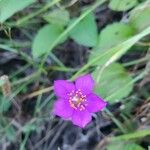
Phemeranthus mengesii
Menges' fameflower
Care Guide
💧 Water
☀️ Light Full sun
Originating in dry areas, Menges' fameflower performs best in full sun, as its native habitat has strong sunlight and scarce shade. It can also tolerate partial sun, giving it some flexibility in growth.
🌡️ Temperature 10–35°C
Although Menges' fameflower has some tolerance to heat, it performs best in cooler seasons and becomes dormant in summer. In very hot weather, give it shade to protect it from scorching by intense sunlight. Watering should be reduced or stopped during the hottest period to avoid root rot. It grows vigorously in winter and spring, and will continue steady growth as long as temperatures do not fall too low.
💨 Humidity
🪴 Soil 0-0
🌱 Fertilizer
For Menges' fameflower, small amounts of fertilizer applied one to two times a year during the growing season are adequate. Do not fertilize in winter or in summer, when the plant is dormant. Cut back on feeding for plants that have been repotted and wait a couple of months after repotting before you fertilize. Fertilizing helps maintain healthy growth and promotes flowering.
🪴 Pot & Repot
✂️ Pruning
The Menges' fameflower is known for its vibrant magenta blooms and succulent foliage, and it requires minimal pruning. To promote health and blooming, prune in early spring by removing any dead stems. Light trimming helps maintain the plant's shape, improves air circulation, and increases vigor. For the best results, make sure to use clean cuts above a leaf node.
🌿 Propagating
🐛 Diseases & pets
☠️ Toxicity
Characteristics
- Plant Type
- Succulent, Herb
- Life Cycle
- Perennial
- Genus
- Phemeranthus
- Family
- Montiaceae
- Hardiness Zone
- 6-9
- Mature Height
- 0 cm to 91 cm
- Mature Spread
- 15 cm to 20 cm
- Leaf Color
- Green, Dark Green
- Leaf Type
- Deciduous
- Flower Color
- Pink
- Flower Size
- 1.02 cm to 1.52 cm
- Bloom Time
- Late spring, Summer
- Planting Time
- Spring, Summer
- Harvest Time
- Summer, Early fall