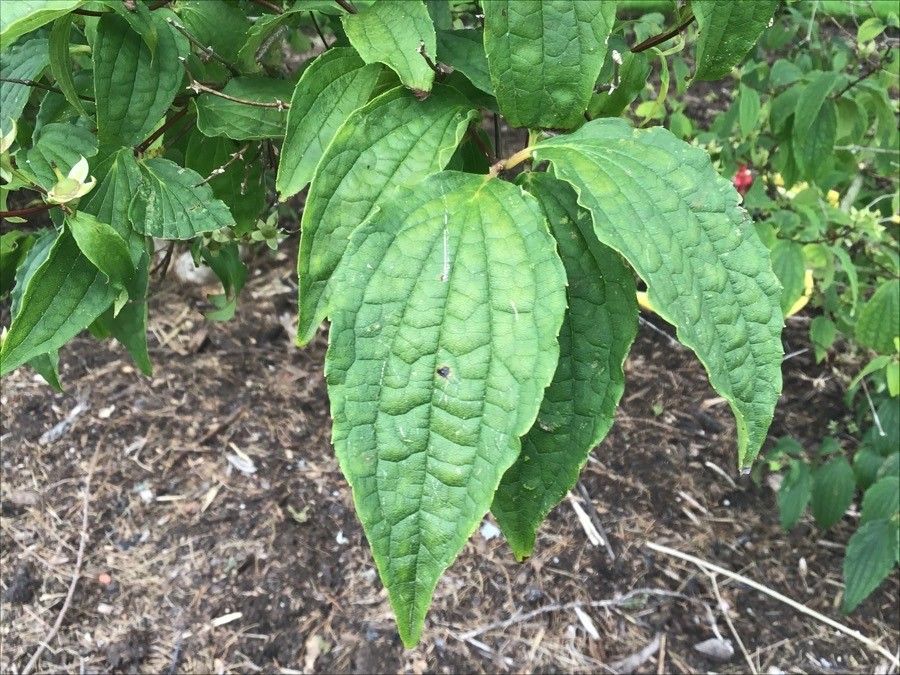
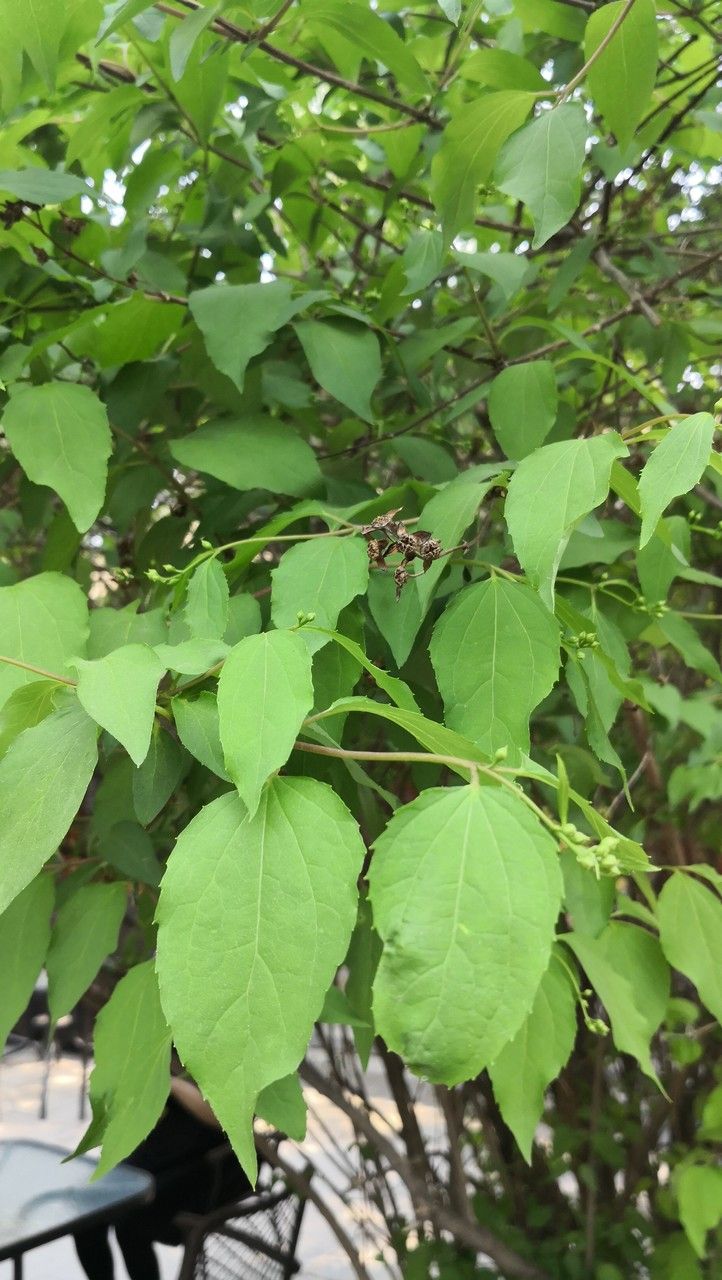
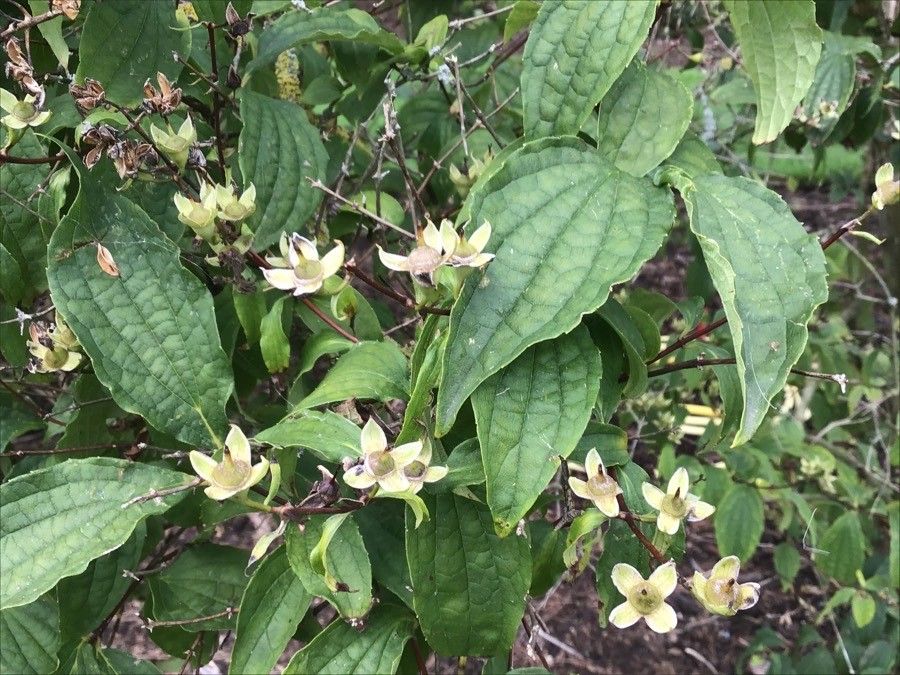
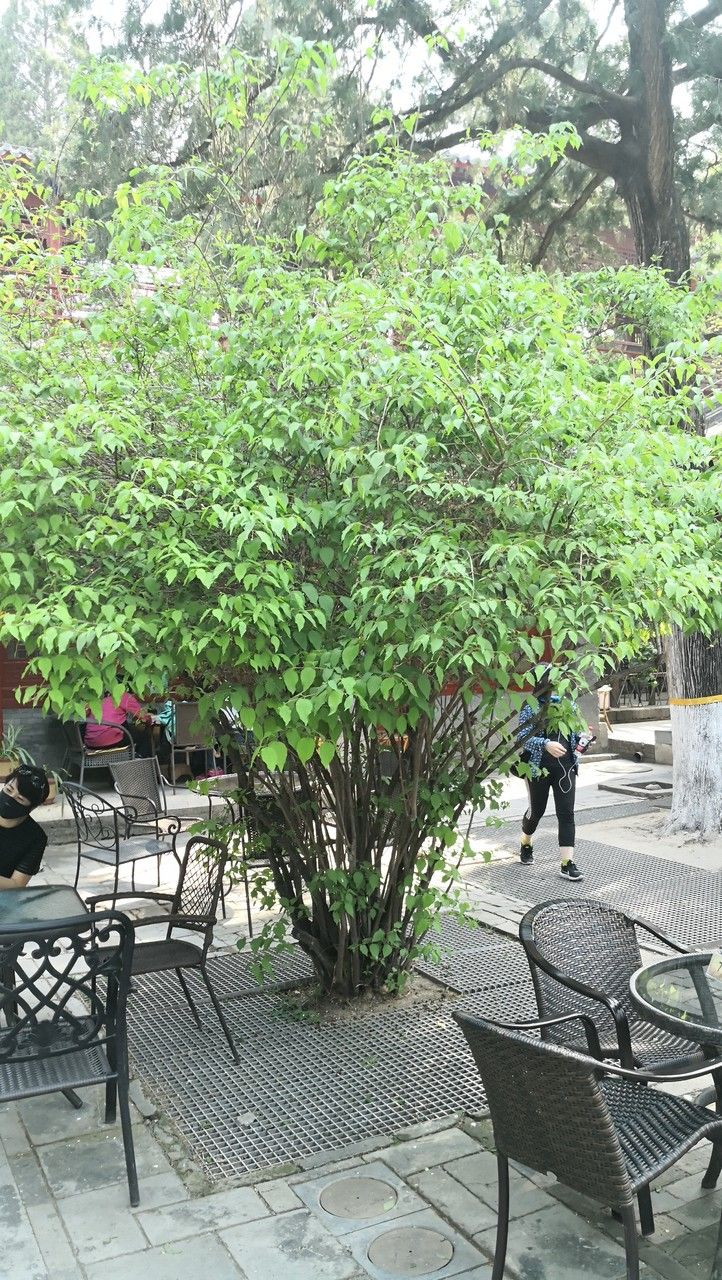
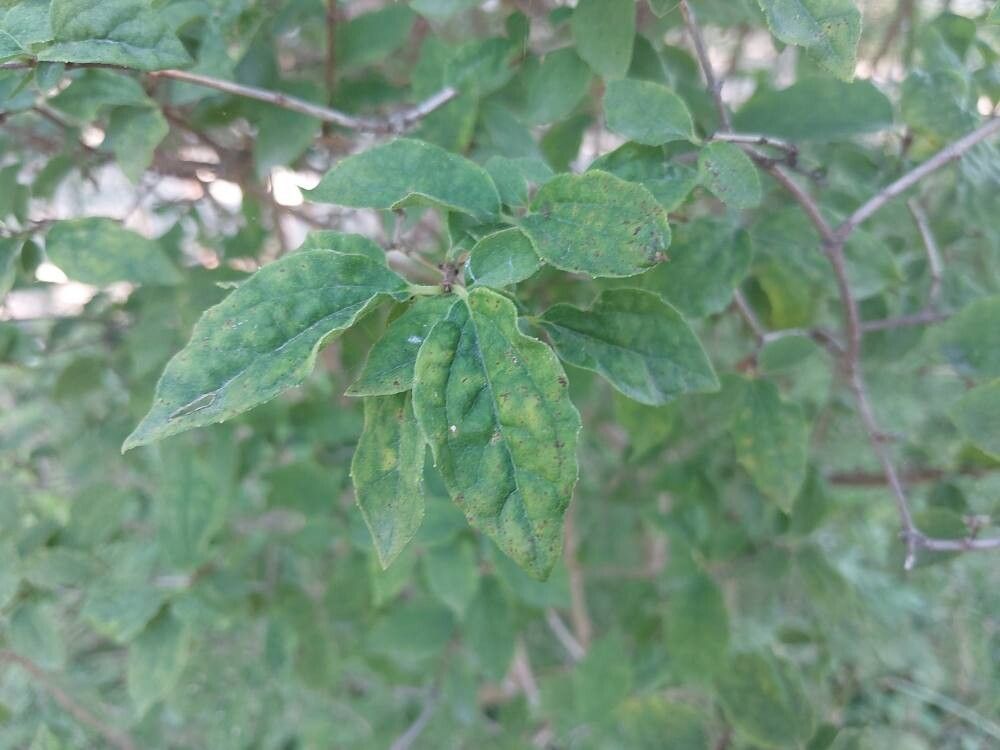
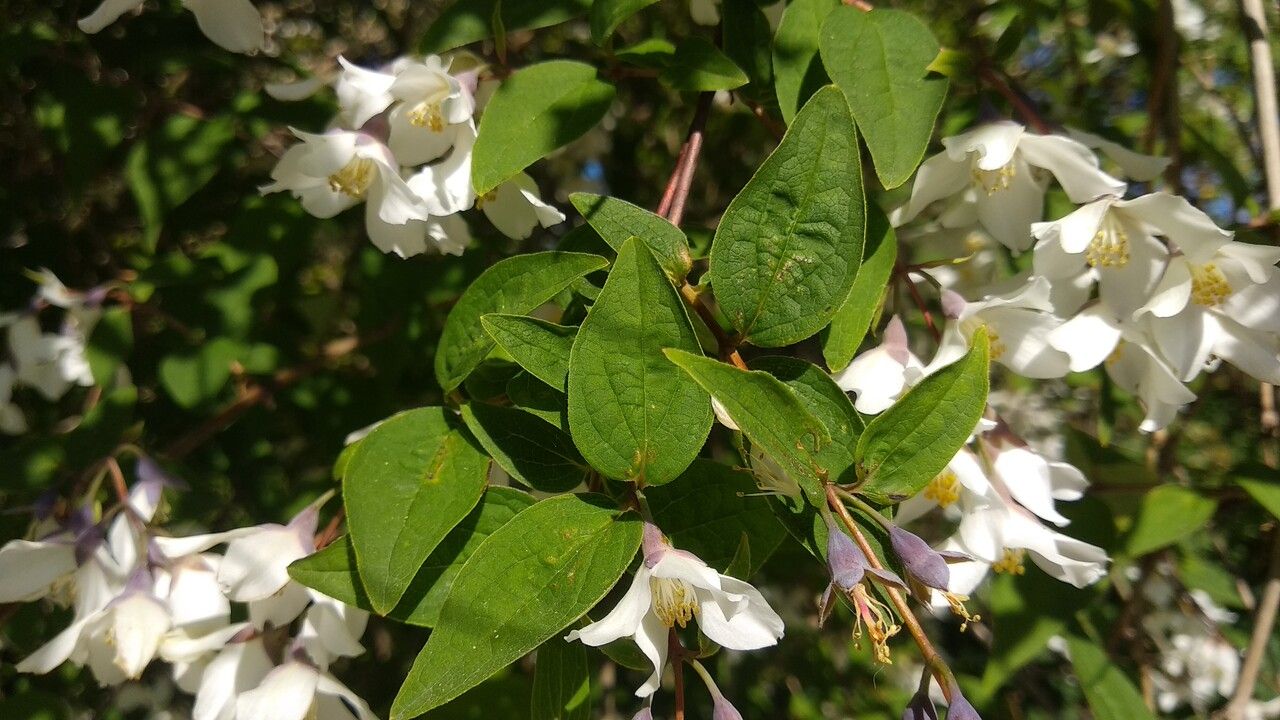
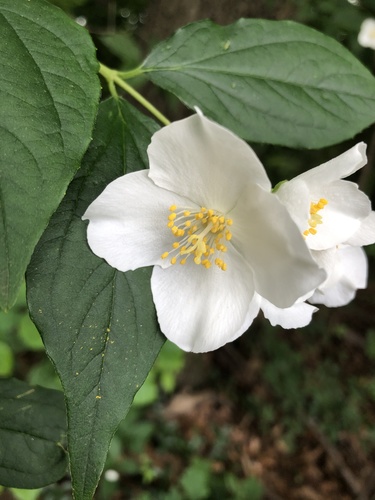
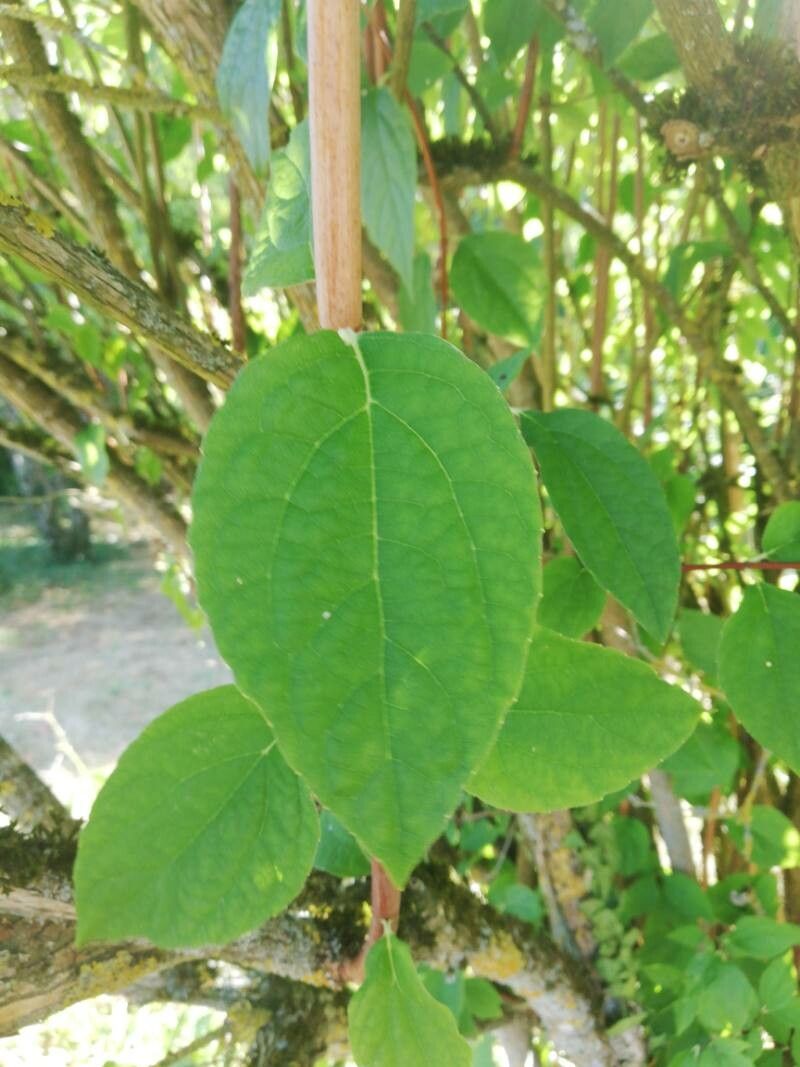
Philadelphus pekinensis (mock orange, 太平花 tai ping hua) is a species of deciduous shrub, 1–2 metres (3 ft 3 in – 6 ft 7 in) high, endemic to northern and western China and Korea, with fragrant flowers up to 1" across in small clusters.
Mock orange is resistant to disease and generally not vulnerable to illnesses. In terms of care, this plant is fairly low maintenance. When grown outdoors it needs only minimal watering, and larger plants typically do not require pruning. However, smaller plants should be pruned after they finish blooming. Mock oranget is suitable for anyone with outdoor space, like a garden or deck, and does not need a lot of gardening experience.
How to keep Philadelphus Pekinensis.
Light
Mock orange is native to open habitats, like sunny meadows and the edges of forests, where light is plentiful. It performs best in full sun but will also tolerate partial sun, so it adapts well to a variety of light conditions.
Water
Mock orange thrives with moderate moisture, needing consistent soil hydration without becoming waterlogged. Watering it twice a week provides optimal conditions for growth. Often grown outdoors, mock orange benefits from a layer of mulch, which helps retain moisture and reduces the need for frequent watering during the growing season.
Temperature
Mock orange is highly adaptable to a wide range of climate conditions, from very hot summers to cold winters. Still, it has an optimal temperature range for growth. When temperatures get too high, the plant is susceptible to heat and humidity stress, which can kill it. In areas where temperatures approach the lower limit of its cold tolerance, it is important to provide insulation to protect the plant.
Fertilizer
Timing is important when fertilizing Mock orange. Fertilize in early spring and continue monthly until early summer. Fertilizer encourages attractive blooms and provides energy during both dormancy and active growth.
Pruning
Mock orange is known for its fragrant white blossoms and thrives when pruned in early spring. To promote healthier blooms, remove any dead or diseased stems. Additionally, thin out older wood and prune back one-third of the oldest stems each year. This practice will improve flowering, shape, and the overall health of the plant.
Botanical profile.
- Plant Type
- Shrub
- Life Cycle
- Perennial
- Genus
- Philadelphus
- Family
- Hydrangeaceae
- Hardiness Zone
- 4-8
- Mature Height
- 1.22 m to 1.83 m
- Mature Spread
- 1.22 m to 1.83 m
- Leaf Color
- Green
- Leaf Type
- Deciduous
- Flower Color
- White
- Flower Size
- 2.54 cm
- Bloom Time
- Late spring, Early summer
- Planting Time
- Spring, Summer, Autumn
- Harvest Time
- Mid summer, Late summer, Early fall
- Native Area
- Koppen, China
Other names.
Reader questions.
What are the sunlight requirements for Mock Orange (Philadelphus pekinensis)?
Mock Orange (Philadelphus pekinensis) thrives in conditions where it can receive full sun, which is defined as more than 6 hours of sunlight per day. It can also grow well in partial sun, needing about 3-6 hours of sunlight daily. It's important to observe the movement of sunlight through your garden to identify spots that offer the right balance of light and shade. This careful selection ensures that your plants remain happy and healthy.
What is the botanical name of Mock Orange?
The botanical name of Mock Orange is Philadelphus pekinensis.