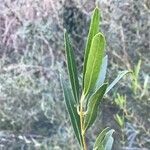
Phillyrea angustifolia
False olive · Narrow-leaf phillyrea · Jasmine box · Narrow-leaved phillyrea · Narrow-leaf Mock Privet
Description
Source: leafsnapPhillyrea angustifolia, commonly known as the narrow-leaved mock privet, is a small evergreen tree or shrub belonging to the olive family. Native to the Mediterranean region, it thrives in diverse habitats such as rocky hillsides, woodlands, and coastal areas. This plant features a dense, bushy growth habit and can exhibit either an upright or spreading form. It can reach up to 6 meters in height, though it typically remains smaller when cultivated as a shrub. The narrow, lance-shaped leaves are glossy and dark green, retaining their color throughout the year. In late spring or early summer, Phillyrea angustifolia produces small white flowers, which are followed by black berries in autumn. While the fruit is edible, it is not commonly consumed by humans. Highly valued for its ornamental qualities, this plant is appreciated for its attractive foliage and its ability to tolerate drought once established. It also provides essential shelter for wildlife, particularly birds that feed on its berries. Additionally, Phillyrea angustifolia has been used for medicinal purposes since ancient times due to its antibacterial properties, which are effective against various infections, including respiratory infections. Overall, Phillyrea angustifolia is a visually appealing evergreen plant with significant ornamental value and ecological benefits, making it an excellent choice for any garden or landscape design project.
🌳 Although it is not widely recognized for economic uses, narrow-leaved mock privet contains considerable untapped potential, especially for extracting essential oils. Its leaves have a distinctive mix of aromatic compounds that can be processed into oils for fragrance and possible therapeutic uses, presenting an interesting opportunity for agricultural innovation and niche perfumery markets. Beyond fragrances, the plant's hardiness and relatively modest growth requirements make it suitable for sustainable horticulture projects aimed at producing these essential oils with minimal environmental impact.
Care Guide
💧 Water Every 7 days
The Narrow-leaved Mock Privet, a plant native to the Mediterranean region, thrives in climates with wet winters and dry summers. Once the plant is established, it only needs watering every 1-2 weeks, with a preference for deep watering. It is also drought-tolerant. As an evergreen shrub, it retains its foliage year-round, making it perfect for outdoor cultivation.
How should I water my Narrow-leaved mock privet properly?
Your Narrow-leaved mock privet doesn't require a specific method of watering. You can use common watering tools such as watering cans, hoses, or even cups. It's important to water the soil directly and make sure all areas are evenly moistened to provide sufficient water to the root system. Filtered water is preferable to tap water as it may contain harmful particles. Additionally, using water at or close to room temperature is ideal, as extreme temperatures can be detrimental to the plant. However, the Narrow-leaved mock privet generally responds well to any type of water.
What do I do if I give my Narrow-leaved mock privet too much or too little water?
When it comes to outdoor plants, particularly newly planted ones or seedlings, they can be prone to not getting enough water. It's important to remember to keep watering them consistently for a few months, especially when they are still small or recently planted. Once the roots are established, Narrow-leaved mock privet plants can mostly rely on rainwater. When you have Narrow-leaved mock privet plants planted in pots, overwatering is often more likely to happen. If you accidentally overwater your plant, it's important to take immediate action to fix the situation. First, stop watering the plant right away to minimize the impact of overwatering. Then, remove the plant from its pot to examine the roots. If there are no signs of root rot, you can return the plant to its container. However, if you do find root rot, trim away the affected roots and consider using a fungicide to prevent further damage. Finally, repot the plant in well-draining soil. On the other hand, if your Narrow-leaved mock privet is underwatered, simply water it more frequently. Underwatering is usually easy to fix as the leaves will droop, dry out, and fall off. But they will quickly regain fullness once they receive enough water. Remember to adjust your watering schedule promptly when you notice underwatering occurring.
How frequently should I water my Narrow-leaved mock privet?
Most outdoor plants can thrive on rainfall alone. However, if your area doesn't get enough rain, you should water your plants every 2 weeks in the spring and fall. In the summer, you'll need to water more frequently. In the winter, when plants grow slower and need less water, you can water sparingly or not at all. If you have a young or newly planted Narrow-leaved mock privet, it's important to water it more often to help it establish and grow. This will ensure that it becomes drought tolerant as it matures. For potted plants, there are two ways to determine how often to water your Narrow-leaved mock privet. The first is to create a set watering schedule, such as once a week or every other week. However, this method may not work well because it doesn't take into account the specific conditions of your plant's environment. The other approach is to gauge when to water based on the moisture in the soil. Ideally, you should wait until the top two to four inches of soil, about ⅓ to ½ the depth of the pots, have completely dried out before watering again. This method allows you to adjust your watering frequency based on the season and the plant's water needs.
How much water does my Narrow-leaved mock privet require?
When watering your Narrow-leaved mock privet, keep in mind that it doesn't always require a lot of water. If only a few inches of soil have dried since your last watering, giving it about five to ten ounces of water will support healthy growth. You can also gauge the water volume based on soil moisture, noting how many inches of soil have dried out between waterings. To ensure the plant gets the moisture it needs, water enough to moisten all the dry soil layers since the last watering. If over half of the soil has dried out, consider giving more water than usual and continue until you see excess water draining from the pot's drainage holes. If your Narrow-leaved mock privet is planted in a location that receives sufficient outdoor rainfall, additional watering may not be necessary. For young or newly established plants, ensure they receive 1-2 inches of rain per week. As the plant grows and establishes itself, it can rely solely on rainfall. Only when there is prolonged hot weather without any rainfall for 2-3 weeks should you consider providing a full watering to prevent stress.
How can I know if I'm watering my Narrow-leaved mock privet enough?
The Narrow-leaved mock privet is often overwatered, and there are distinct signs to watch for. When overwatered, the leaves turn yellow and may drop. Overwatering can also cause the plant to shrivel and can lead to root rot. On the other hand, an underwatered plant will wilt and develop brown or brittle leaves. Regardless of whether you see signs of overwatering or underwatering, it's important to intervene and restore the health of the Narrow-leaved mock privet.
☀️ Light Full sun
Narrow-leaved mock privet thrives in plentiful sunlight yet can also tolerate shadier conditions. Its native habitat generally receives abundant sun. Various growth stages may depend on adequate light. Too little or too much light can harm the plant’s health and may impede growth.
What are the sunlight requirements for Narrow-leaved mock privet?
Narrow-leaved mock privet (Phillyrea angustifolia) thrives best under conditions that vary between full sun, which is above 6 hours of sunlight, and partial sun, about 3-6 hours of sunlight daily. It's essential to observe the movement of sunlight across your garden to find the optimal location offering a mix of light and shade, ensuring the plant's well-being.
How does sunlight affect the growth of Narrow-leaved mock privet?
Sunlight plays a crucial role in the growth and health of Narrow-leaved mock privet. This plant prospers in abundant sunlight but can also adapt to more shaded conditions. Its natural habitat is characterized by significant sunlight exposure, influencing its phases of growth. Adequate exposure to sunlight is key, as both insufficient and extreme sunlight can negatively impact the plant's health, potentially hindering its growth.
What artificial lighting is recommended for indoor Narrow-leaved mock privets when natural sunlight is insufficient?
When natural sunlight is insufficient, especially during winter or in less sunny spaces, artificial lighting becomes essential for the growth of indoor Narrow-leaved mock privets. LED lights are recommended due to their ability to be customized to the specific light wavelengths needed by the plant. Full sun plants should have 30-50W/sq ft of artificial light, partial sun plants 20-30W/sq ft, and full shade plants 10-20W/sq ft. The light source should be placed 12-36 inches above the plant, mimicking natural sunlight, for 8-12 hours per day.
What are common symptoms of light deficiency or excessive sunlight in Narrow-leaved mock privet?
Narrow-leaved mock privet displays various symptoms in response to light deficiency or excessive sunlight. Light deficiency can lead to smaller new leaves, leggy or sparse growth, faster leaf drop, slower or stopped growth, and lighter-colored or chlorotic leaves. Excessive sunlight may cause chlorosis, sunscald, leaf curling, wilting, and leaf scorching, indicating damage or stress from too much direct light.
How can I address lighting issues for my Narrow-leaved mock privet, both indoors and outdoors?
For lighting issues, gradually acclimate your Narrow-leaved mock privet to more suitable light conditions. Indoors, move the plant to a sunnier location or use artificial light, like a desk lamp for 8 hours daily or professional grow lights for sufficient exposure. Outdoors, relocate the plant gradually to prevent sunburn. Removing obstructions or transplanting to sunnier spots can also help. It's crucial to allow the plant to adapt to changes gradually to prevent stress.
🌡️ Temperature 5–25°C
Narrow-leaved mock privet is native to temperate habitats and typically thrives in temperatures ranging from 41 to 77 °F (5 to 25 ℃). Seasonal temperature adjustments may be required to recreate these ideal conditions for its growth.
What is the ideal climate for narrow-leaved mock privet?
Narrow-leaved mock privet, or Phillyrea angustifolia, thrives best in moderate climates, with ideal temperatures ranging between 41 to 77 °F (5 to 25 °C). This plant exhibits strong cold resistance, meaning special frost protection is generally not required in winter. However, in conditions where winter temperatures are expected to fall below -25°C, providing cold protection by wrapping the trunk and branches with non-woven fabric or cloth is advisable. Additionally, to counteract winter and early spring water scarcity, it's recommended to water the plant abundantly before the first freeze in autumn, ensuring the soil remains moist and freezes in that state.
How does low temperature affect narrow-leaved mock privet, and what are the solutions?
Narrow-leaved mock privet is highly cold-tolerant, optimally growing when temperatures stay above 5°C. During winter, it's advisable to ensure the temperature remains above -20°C. Exposure to temperatures below -25°C may not show immediate impacts during the winter months, but by spring, the branches may become brittle and dry, and the plant may fail to produce new shoots. The recommended solution for these symptoms is to prune away any dead branches in spring that have not developed new leaves.
What are the effects of high temperatures on narrow-leaved mock privet, and how can they be mitigated?
During summer, it's important to keep Narrow-leaved mock privet in conditions below 25°C to prevent heat stress. If temperatures exceed 30°C, the plant's leaves may lighten in color, tips may dry and wither, and it may become more susceptible to sunburn. Mitigating these issues involves trimming away the sunburned and dried portions of the plant. Relocate the plant to an area with shade during the midday and afternoon sun, or employ a shade cloth. Additionally, watering the plant in the morning and evening will help keep the soil moist and prevent further stress.
💨 Humidity normal (40-60%)
This plant will thrive in moderate humidity, which is probably the level in your home. However, misting it a few times a week can be very beneficial. Make sure the room has good ventilation.
🪴 Soil 6-7
🌱 Fertilizer
Proper timing is important when fertilizing Narrow-leaved mock privet. Apply fertilizer in early spring and continue once a month until early summer. The fertilizer encourages attractive blooms and supplies energy during both dormant and actively growing periods.
Why should I put fertilizer on my Narrow-leaved mock privet plant?
To ensure your Narrow-leaved mock privet produces beautiful blooms, it's important to fertilize it for several reasons. Firstly, fertilizing in early spring is highly recommended as it will enhance the quality of the flowers during that season. Additionally, fertilizing provides your plant with ample energy which can be stored in the ground during periods of dormant growth. To maximize energy reserves, consider giving your plant extra nutrients either during the fall planting process or in late spring, as this will enable it to better utilize resources once active growth resumes.
When should I fertilize my Narrow-leaved mock privet for the best results?
To ensure effective fertilization of Narrow-leaved mock privet, timing is crucial. Applying fertilizer too early, when the plant is still dormant, will lead to ineffective use of the fertilizer which may be washed away by rainwater, causing waste and pollution. It is recommended to apply the first round of fertilizer in early spring and continue fertilizing monthly until early summer.
When is the best time to not fertilize my Narrow-leaved mock privet?
To ensure optimal growth and blooming of Narrow-leaved mock privet, it is important to avoid using fertilizer with excessive nitrogen. While high nitrogen levels may result in abundant leaves, it can hinder blooming. Look for fertilizers that have a lower nitrogen content compared to other nutrients. Additionally, it is advisable to refrain from fertilizing after early autumn, as this may cause excessive growth right before winter. It is also essential to avoid fertilization during hot and dry periods since dry soil does not effectively deliver nutrients, and stimulating growth during this time may require more water than is available. The best time to fertilize is earlier in the season when temperatures are cooler. Lastly, be cautious not to inadvertently give Narrow-leaved mock privet a double-dose of fertilizer by using products that have been applied to nearby plants or lawns.
What kind of fertilizer should I use for my Narrow-leaved mock privet?
To provide ideal fertilizer for your Narrow-leaved mock privet, aim for a balanced mix of the three main plant nutrients, with slightly higher phosphorus levels. Another option is to enhance the soil by incorporating organic materials like compost, worm castings, and manure. Experienced gardeners may choose to supplement with water-soluble fertilizers containing phosphorus once or twice when flower buds start appearing. This will result in better flower development, larger blooms, and longer blooming periods. Fertilizers for Narrow-leaved mock privet can be found in various forms, with liquid and powdered forms being particularly effective. Regardless of the chosen form, ensure that the fertilizer is diluted and applied while watering your Narrow-leaved mock privet.
How do I give nutrients to my Narrow-leaved mock privet plant?
To properly fertilize your Narrow-leaved mock privet, always follow the directions for the specific type of fertilizer and do some research on how to use it correctly. In order to avoid over-fertilization, it's crucial to determine the right amount to use. A general rule of thumb is to consider the age of the tree (if known) or the diameter of the trunk. Estimate about one-tenth of a pound of fertilizer per year or per inch of trunk, with a maximum of one pound. To apply granular or organic fertilizers like blood meal, sprinkle the substance around the base of the tree, extending it all the way to the drip line (the space below the farthest-reaching branches). However, make sure that the fertilizer does not come into contact with the trunk. Over time, the granules will break down and penetrate the soil, allowing the roots to absorb the nutrients. After fertilizing, spread a layer of compost that is about one-inch deep around the base of the tree and thoroughly water it.
🪴 Pot & Repot 2-3 years
Repot your narrow-leaved mock privet every 2 to 3 years in early spring to encourage its dense growth. Choose a container that's larger than the root ball and place the plant in a location with indirect sunlight. To ensure optimal recovery, keep the soil consistently moist, but be careful not to overwater.
✂️ Pruning
The narrow-leaved mock privet is a hardy evergreen shrub characterized by its dense, slender leaves. To promote healthy growth, lightly trim the shrub in late spring. Be sure to remove any dead branches to prevent pest infestations. It's important to avoid heavy pruning in late summer, as this helps preserve the shrub's winter hardiness. Regular pruning not only improves air circulation but also ensures better access to sunlight.
🌿 Propagating
🐛 Diseases & pets
☠️ Toxicity
Characteristics
- Plant Type
- Shrub
- Life Cycle
- Perennial
- Genus
- Phillyrea
- Family
- Oleaceae
- Hardiness Zone
- 5
- Mature Height
- 3.05 m
- Mature Spread
- 3.05 m
- Leaf Color
- Green
- Leaf Type
- Evergreen
- Flower Color
- White
- Flower Size
- 0.25 cm to 0.51 cm
- Bloom Time
- Late spring, Early summer, Mid summer
- Planting Time
- Spring, Autumn
- Harvest Time
- Mid summer, Late summer
- Native Area
- Libya, Tunisia, Portugal, Italy, Spain, Montenegro, Albania, Algeria, Croatia, Morocco, France