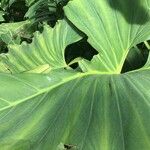
Philodendron giganteum
Giant philodendron · Chinabush · Elephant Ear · Arum Lily · Chinny Leafs
Description
Source: leafsnapPhilodendron giganteum is a species of plant in the Araceae family. It is found in the Caribbean and South America. Heinrich Wilhelm Schott first described it in 1856. P. giganteum is thermogenetic and emits a sweet odor.
💡 Tree philodendrons are tropical foliage plants known for their large, thick, and lustrous green leaves. Their sturdy petioles add to their robust appearance. These plants have a high ornamental value and exude vitality.
Care Guide
💧 Water Every 3-5 days
The giant philodendron thrives in humid environments and prefers balanced moisture levels, needing to be watered once a week. It is typically grown indoors and benefits from well-draining soil, which prevents waterlogging and supports healthy root development.
How should I water my Giant philodendron?
To supply water for your Giant philodendron, there are several options available. If you have a small indoor pot, you can take it to the kitchen sink and use the faucet to water it. Hold the pot in your hands and stop watering when you see water running through the drainage holes. However, avoid doing this in winter or cold climates as it can harm the plant's root system. If your tap water contains high levels of fluorine, chlorine, or salts, it's recommended to use rainwater or lake water instead. Additionally, you can also water the philodendron from above or directly into the soil using a watering can, hose, or any other suitable tool.
What should I do if I give my Giant philodendron too much or too little water?
If you realize that you haven't been giving enough water to your Giant philodendron, the first thing you should do is water it. Make sure to water it deeply until excess water comes out of the drainage hole in the container. If you're growing it outside, water until the soil is completely moist. On the other hand, if you notice that your Giant philodendron is getting too much water, start watering it less frequently. You should also consider the soil and container it's in. If the soil or container doesn't allow for proper drainage, the plant will likely become overwatered again. To fix this, transfer the plant to looser soil and a container with larger drainage holes or a more porous material. Additionally, check the location of the plant. If it's in a secluded area, try moving it near a window or door to improve ventilation. Keeping the plants in a well-ventilated spot can help prevent overwatering to some extent.
How frequently should I water my Giant philodendron?
The Giant philodendron does not need consistently moist soil. It's actually better to let the soil dry out between waterings. If you're growing this plant in a container, you can easily tell when it needs water by checking the dryness of the soil. If the top half of the soil in your container is dry, it's time to water. You can use your fingers, sticks, or a soil moisture meter to check. If you're growing the Giant philodendron outdoors, aim to water it once every other week, unless it has rained recently.
How much water does my big philodendron plant need?
To properly water your Giant philodendron, wait until the top half of the soil dries out. Then, add enough water to moisten the soil. The amount of water needed depends on factors like the size of the plant and container. For a small Giant philodendron in a small to medium-sized container, one to two cups of water should be sufficient. Larger plants may require more water. To make sure the soil is adequately moist, you can either stick your finger or a trowel into the soil to feel for moisture or water until you see excess water draining from the bottom of the container.
How do I know if I'm giving enough water to my Giant philodendron?
Both overwatering and underwatering can harm your Giant philodendron. However, these issues show different signs. Insufficient watering may result in yellow leaves and brown, brittle leaf margins. On the other hand, overwatering often leads to yellow and brown marks on the leaves simultaneously. Overwatering can also cause diseases like root rot, which may be visible on the plant. By recognizing the signs of overwatering and underwatering, you can effectively address both problems.
☀️ Light Partial sun
Giant philodendron does best with hours of filtered light but tolerates dimmer conditions. Seasonal adjustment of light exposure is recommended, particularly for indoor specimens. Inadequate light causes stunted growth and poor leaf development.
What are the sunlight requirements for a Giant Philodendron?
The Giant Philodendron is adaptable to various lighting conditions, preferring partial sun, which means about 3-6 hours of sunlight a day, but it can also thrive in full shade, receiving less than 3 hours of sunlight daily. It's vital to observe how sunlight moves through your garden to select the ideal spots that provide a perfect balance of light and shade, ensuring the plants' optimal growth and happiness. This perennial herbaceous plant is native to forest understories or rocky areas, experiencing natural shade, making it versatile for both outdoor and indoor environments.
How do artificial lights support the growth of indoor Giant Philodendrons?
Artificial lighting is crucial for the indoor growth of Giant Philodendrons, especially in conditions where natural sunlight is scarce, such as during winter or in less sunny spaces. Adequate lighting supports optimal growth, allowing plants to develop faster and healthier. LED lights are popular for indoor plants because they can be customized to provide specific light wavelengths needed for plant growth. Depending on the plant's sunlight needs, full sun plants require 30-50W/sq ft, partial sun plants need 20-30W/sq ft, and full shade plants 10-20W/sq ft of artificial light. The light source should be placed 12-36 inches above the plant to mimic natural sunlight conditions and should be on for 8-12 hours per day, depending on the specific needs of the plant species.
What symptoms indicate a Giant Philodendron is receiving insufficient light?
When a Giant Philodendron is grown indoors with insufficient light, it may exhibit several symptoms signaling this deficiency: new leaves grow smaller than the previous ones, the plant may show leggy or sparse growth with longer spaces between leaves or stems, leading to a thin and stretched appearance. Early leaf drop can occur as the plant sheds older leaves to conserve resources for new growth. The plant may also experience slower growth or cease growing altogether. New leaves might appear lighter in color or develop irregular color patterns due to insufficient sunlight, indicating a lack of chlorophyll and essential nutrients. Symptoms like chlorosis, sunscald, leaf curling, wilting, and leaf scorching can also manifest under extreme sunlight conditions or insufficient light, each affecting the plant's overall health and ability to photosynthesize properly.
What are the solutions for a Giant Philodendron experiencing insufficient sunlight?
To address insufficient sunlight for a Giant Philodendron, consider gradually introducing the plant to sunnier spots each week until it receives the recommended 3-6 hours of direct sunlight daily, which helps it adapt to changing light conditions. For large or immovable indoor plants, providing additional light through desk or ceiling lamps for at least 8 hours a day or investing in professional plant grow lights can offer ample light. Outdoors, plants should be moved progressively to sunnier locations to avoid sudden changes that might cause sunburn. Pruning branches and leaves of nearby trees can reduce obstructions, allowing sunlight to reach your plants more effectively. If necessary, transplant smaller plants during their dormant period, late winter or early spring, to a location with ample sunlight and good drainage. Note that parts of the plant affected by insufficient sunlight might not recover, but new growth should be healthy with improved light exposure.
🌡️ Temperature 20–37.8°C
Giant philodendron comes from tropical areas, where the climate is generally warm and humid. Consequently, it is adapted to high heat and moisture. It is sensitive to abrupt temperature changes and prefers a steady temperature environment, so avoiding temperature fluctuations indoors is important. It typically cannot tolerate cold temperatures and requires warmer conditions to grow. If the environmental temperature falls too low, the plant may stop growing or even die.
What is the botanical name of the Giant Philodendron?
The botanical name of the Giant Philodendron is Philodendron giganteum.
💨 Humidity
🪴 Soil 6-7
🌱 Fertilizer
The best time to fertilize a Giant philodendron is in early spring when it emerges from dormancy. This encourages overall growth and the development of flowers. Fertilization improves foliage, stems, and branches, while encouraging large, vibrant, and long-lasting blooms. It helps transfer nutrients from the roots to the flowers and enhances the plant’s health and resistance to disease.
🪴 Pot & Repot Every 2 years
✂️ Pruning
In early spring, a giant philodendron benefits from light pruning to encourage healthy growth. Use clean, sharp shears to remove dead or yellow leaves and trim leggy stems just above the leaf nodes. This not only helps shape the plant's growth but also improves air circulation, reducing the risk of disease. Be sure to wear gloves during this process to protect your skin from the plant's sap and ensure healthier plants.
🌿 Propagating
🐛 Diseases & pets
☠️ Toxicity
Characteristics
- Plant Type
- Vine
- Life Cycle
- Perennial
- Genus
- Philodendron
- Family
- Araceae
- Hardiness Zone
- 9-11
- Mature Height
- 1.22 m to 1.52 m
- Mature Spread
- 91 cm
- Leaf Color
- Green
- Leaf Type
- Evergreen
- Flower Size
- 15.24 cm to 20.32 cm
- Bloom Time
- All year round
- Planting Time
- Spring, Summer, Autumn
- Harvest Time
- All year round
- Native Area
- Venezuela