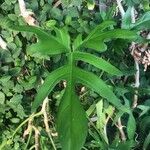
Philodendron panduriforme
Horse head philodendron · Filodendro cabeça-de-cavalo (Brasil)
Description
Source: leafsnapPhilodendron panduriforme is a tropical plant native to Central and South America. It belongs to the Araceae family, which also includes other popular houseplants such as the peace lily and pothos. The plant features large, heart-shaped leaves that can grow up to 30 cm in length and 20 cm in width. These glossy green leaves are marked by prominent veins. This easy-to-care-for plant thrives in bright, indirect light but can also tolerate lower light conditions. It prefers well-draining soil that is kept consistently moist but not waterlogged. Philodendron panduriforme offers air-purifying benefits, removing toxins such as formaldehyde, benzene, and trichloroethylene from the air, making it an ideal choice for indoor spaces. Propagation can be achieved through stem cuttings or by dividing mature plants. With proper care, this tropical beauty will make a stunning addition to any indoor garden or collection!
💡 Tree philodendrons are tropical foliage plants known for their large, thick, and lustrous green leaves. Their sturdy petioles add to their robust appearance. These plants have a high ornamental value and exude vitality.
Care Guide
💧 Water Every 7 days
The wolf's head philodendron, native to tropical rainforests, thrives in conditions of high humidity and moist soil, although it can tolerate moderate drought. To encourage lush foliage, water your plant weekly. Additionally, regular misting helps recreate the humid environment of its natural habitat, ensuring vibrant leaf growth. As an evergreen indoor plant, maintaining these conditions will keep it healthy and flourishing.
☀️ Light Partial sun
Wolf's head philodendron naturally occurs in habitats like forest understories and rocky areas, where it receives natural shade. It prefers partial sun but can tolerate full sun or full shade, showing its versatility and hardiness.
🌡️ Temperature 20–37.8°C
The Wolf's head philodendron comes from tropical areas, where the climate is typically warm and humid. Therefore it is well adapted to high temperatures and humidity. It does not tolerate sudden temperature shifts and prefers a stable temperature environment, so avoiding indoor temperature fluctuations is important. It usually cannot withstand cold and needs higher temperatures to grow. If the ambient temperature drops too low, the plant may stop growing or even die.
💨 Humidity normal (40-60%)
This plant will thrive in moderate humidity, which is probably the level in your home. However, misting it a few times a week can be very beneficial. Make sure the room has good ventilation.
🪴 Soil 5-6
🌱 Fertilizer
Wolf's head philodendron needs the most fertilizer during its active growing period, which occurs mainly in spring, summer, and early fall. Fertilization supplies essential nutrients the soil may lack, supporting healthy root and stem growth and the attractive foliage that is a key characteristic of this plant.
🪴 Pot & Repot Once a year
Transplant the Wolf's head philodendron in spring or summer once it’s warm enough, using a pot slightly larger with proper drainage. Water thoroughly after repotting, and situate it in a spot with bright, indirect light. Consider providing a moss pole for support as the plant grows.
✂️ Pruning
The wolf's head philodendron needs very little pruning. Simply remove any withered or diseased leaves and trim dead or rotting roots, especially during repotting. This helps prevent nutrient loss and encourages new leaves and flowers to grow.
🌿 Propagating
🐛 Diseases & pets
☠️ Toxicity
Characteristics
- Plant Type
- Herb, Vine
- Life Cycle
- Perennial
- Genus
- Philodendron
- Family
- Araceae
- Hardiness Zone
- 10-12
- Mature Height
- 61 cm
- Mature Spread
- 30 cm to 46 cm
- Leaf Color
- Green
- Leaf Type
- Evergreen
- Flower Size
- 10.16 cm to 15.24 cm
- Bloom Time
- All year round
- Planting Time
- Spring, Autumn
- Harvest Time
- All year round
- Native Area
- Colombia, Venezuela, Peru, Brazil, Ecuador