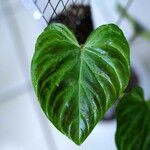
Philodendron verrucosum
Warty philodendron · Ecuador Philodendron
Description
Source: leafsnapPhilodendron verrucosum is a species of flowering plant in the family Araceae. It is native to Costa Rica, Panama, Colombia, Ecuador and Peru, and is a hemiepiphyte climbing plant. This Philodendron is kept by houseplant collectors for its unique appearance, with foliage that has slightly wavy edges, white veins, and flushes of reddish hues, as well as hairy bristles along its stems.
💡 Tree philodendrons are tropical foliage plants known for their large, thick, and lustrous green leaves. Their sturdy petioles add to their robust appearance. These plants have a high ornamental value and exude vitality.
Care Guide
💧 Water Every 3-5 days
The warty philodendron thrives in humid environments and can absorb moisture from both the soil and the air. Although it is drought-tolerant, this plant prefers consistently moist conditions, requiring weekly watering. Typically grown indoors, its growth and foliage health can be enhanced by increasing humidity through misting or using pebble trays.
☀️ Light Partial sun
Warty philodendron is native to habitats like forest understories and rocky areas, where it grows in natural shade. It prefers partial sun but can tolerate full sun or full shade, reflecting its versatile, hardy nature.
What are the sunlight requirements for a Warty Philodendron?
The Warty Philodendron, or Philodendron verrucosum, thrives under specific sunlight conditions. It requires about 3-6 hours of partial sunlight each day, supplemented by indirect sunlight throughout the day. When finding the perfect spot for your Warty Philodendron, observe the movement of sunlight through your garden. Look for areas that offer a balanced mix of light and shade to ensure the plant's wellbeing. This careful consideration helps in mimicking the plant's natural habitat and promotes its health and growth.
🌡️ Temperature 20–37.8°C
Warty philodendron comes from tropical areas, where the climate is generally warm and humid. As a result, it is adapted to high temperatures and humidity. It does not tolerate sudden temperature shifts and prefers a steady temperature, so avoiding temperature fluctuations indoors is important. It usually cannot withstand cold and needs warmer conditions to grow. If the surrounding temperature falls too low, the plant may stop growing or even die.
What is the Warty philodendron?
The Warty philodendron, scientifically known as Philodendron verrucosum, is a species of plant with no additional specific essential details, symptoms, or further information provided. It is recognized for its unique characteristics, but the data shared here does not include those specifics.
💨 Humidity
🪴 Soil 5-6
🌱 Fertilizer
The warty philodendron needs the most fertilizer during its active growth period, which occurs mainly in spring, summer, and early autumn. Fertilizing supplies essential nutrients the soil may lack, supporting healthy root and stem growth and encouraging attractive foliage, a defining trait of this plant.
🪴 Pot & Repot Once a year
Repot a Warty philodendron in spring or summer when temperatures are warm, choosing a slightly larger pot with good drainage. Water thoroughly after repotting and position the plant in bright, indirect light. Consider adding a moss pole for support as it grows.
✂️ Pruning
The warty philodendron is known for its velvety leaves and unique warty stems. To maintain its health and appearance, it benefits from pruning between early and late spring. To encourage growth, improve air circulation, and enhance pest resistance, trim any dead or damaged parts just above a node. This will help ensure your plant stays healthier and looks more attractive.
🌿 Propagating
🐛 Diseases & pets
☠️ Toxicity
Characteristics
- Plant Type
- Herb, Vine
- Life Cycle
- Perennial
- Genus
- Philodendron
- Family
- Araceae
- Hardiness Zone
- 9-11
- Mature Height
- 91 cm
- Mature Spread
- 76 cm
- Leaf Color
- Green
- Leaf Type
- Evergreen
- Flower Color
- White, Pink
- Flower Size
- 10.16 cm to 15.24 cm
- Bloom Time
- All year round
- Planting Time
- Spring, Summer, Autumn
- Harvest Time
- All year round
- Native Area
- Colombia, Peru, Ecuador, Costa Rica, Panama