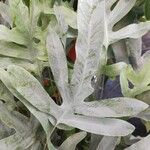
Phlebodium aureum
Gold-Foot Fern · Golden Polypody · Hare-foot Fern · Rabbit-foot Fern · Hare's-foot fern
Description
Source: leafsnapPhlebodium aureum, commonly known as the golden polypody or blue star fern, is a fern species native to the tropical regions of the Americas. This plant is popular as a houseplant due to its attractive foliage and ease of care. Its fronds are long and arching, with a distinctive blue-green coloration that beautifully contrasts with the golden-yellow scales on their undersides. Phlebodium aureum prefers bright, indirect light and moist soil but can tolerate lower light levels and occasional drying out between waterings. Additionally, it is known for its air-purifying properties, making it an excellent addition to any indoor space. Overall, Phlebodium aureum is an elegant plant that adds a touch of tropical beauty to any home or office environment while requiring minimal maintenance.
💡 The golden polypody is typically an epiphytic plant that grows wild in Florida. Early Seminoles used it for medicinal purposes. This plant is often found in the trunks or "boots" of cabbage palms. It absorbs nutrients from the air and takes in water through its leaves. While it attaches itself to trees or rocks for support, it is not parasitic.
🌳 Blue-star fern is commonly used for its air-purifying properties, relying on its ability to absorb airborne pollutants. This feature makes it a valuable addition to indoor green spaces and a suitable option for biophilic design in urban areas. Additionally, the blue-star fern's resilience and non-toxicity have given it a role as a pet-friendly houseplant, extending its usefulness to pet owners who want to incorporate greenery into their homes without putting their pets at risk.
Care Guide
💧 Water Every 7 days
Golden polypody flourishes in humid conditions and needs weekly watering to keep its lush, evergreen leaves healthy. Usually grown indoors, it benefits from well-draining soil that replicates its tropical native habitat. This type of soil provides enough moisture while preventing waterlogging.
What should I do if I give my Golden polypody plant too much or too little water?
The Golden polypody, a plant that loves water, can actually be overwatered. This typically happens when the plant is sitting in a pool of water or in a planter without drainage holes, causing the roots to be too wet. This excessive moisture can lead to fungal or bacterial diseases and cause the leaves to wilt and turn yellow. The stems may also droop, become soft and mushy, or even fall over. However, it's important to check for other potential causes of these symptoms, as it's difficult to give this plant too much water. On the other hand, underwatering the Golden polypody is a common issue because plant owners often unintentionally let it get too dry. Without vigilance or a self-watering planter, the plant can quickly change from lush and green to brown and crispy in dry conditions. In severe cases, it may appear that all the fronds have died, but there is still hope if the roots are healthy. Trim off all the dry and dead stems, thoroughly water the plant, and place it back in its original spot. With proper care, the plant can recover and start producing new fronds, although it may take several months to regain its previous size.
How should I water my Golden polypody correctly?
To maintain the ideal growing conditions for your Golden polypody, make sure to keep the soil consistently moist. This may require watering the plant every one or two days. It is important to avoid letting the soil dry out completely. When you notice the top layer of soil starting to feel slightly dry, it's time to water again. To ensure thorough hydration, generously soak the soil until water drains from the bottom of the pot. Afterwards, be sure to discard any excess water to prevent the pot from sitting in a puddle. By following this watering method, you can effectively prevent the soil from becoming overly dry.
What do I need to think about when watering my Golden polypody?
The frequency of watering your Golden polypody plant depends on the humidity in the air. Higher humidity means less frequent watering. Avoid placing the plant near heating or cooling vents as it can dry out quickly. Find a location that is protected from drafts. These plants prefer dappled and indirect sunlight with temperatures between 55-80 degrees F (13-27 degrees C). Placing them on a warm and sunny windowsill can lead to dehydration. Rainwater or distilled water is ideal, but tap water works fine in most areas. Tap water may cause brown leaf tips due to minerals and chemicals. Small pots can dry out quickly, so it is best to give the plant more space. Consider using a self-watering planter for the polypody, as it keeps the soil consistently moist and provides a constant supply of water for the roots. This eliminates the need for frequent watering and benefits the plant.
☀️ Light Full shade
The blue-star fern flourishes in environments that receive a moderate amount of sunlight each day, which aids in its robust growth. This species, from its native habitat, has evolved to not only tolerate scant light but can also endure situations with sparse daily sun exposure. Subjecting it to excessive or insufficient sunlight can adversely affect its overall health.
How much sunlight does Golden Polypody require?
Golden Polypody thrives in partial sun conditions, requiring about 3-6 hours of sunlight per day. It can also grow in full shade, which means less than 3 hours of sunlight. It's essential to observe the sunlight's movement throughout your garden to find spots that provide the right balance of light and shade, ensuring the plants' well-being.
What are the light requirements and solutions for Golden Polypody growth indoors?
Indoor Golden Polypody plants need adequate lighting to grow healthily, especially in conditions where natural sunlight is minimal. Artificial lighting is a practical solution when natural light is insufficient, particularly during winter or in less sunny spaces. LED lights are recommended because they can be adjusted to provide specific wavelengths necessary for the plant, with full sun plants needing 30-50W per square foot, partial sun plants requiring 20-30W per square foot, and full shade plants needing 10-20W per square foot. The artificial light source should be placed 12-36 inches above the plant, mimicking natural sunlight, and kept on for 8-12 hours per day, depending on the species' needs.
What symptoms indicate insufficient light for Golden Polypody, and how can they be addressed?
Symptoms of insufficient light in Golden Polypody include slower or halted growth, chlorosis, sunscald, leaf curling, wilting, and leaf scorching. Solutions for inadequate light involve gradually shifting the plant to sunnier spots each week for outdoor plants, ensuring they receive 3-6 hours of direct sunlight daily. For indoor or immovable plants, using a desk or ceiling lamp for at least 8 hours daily, or investing in professional plant grow lights, can provide additional light. It's crucial to minimize sudden changes in light intensity to prevent sunburn. Also, reducing obstructions by pruning trees or relocating the plant can help optimize light exposure.
🌡️ Temperature 20–37.8°C
The blue-star fern naturally thrives in temperatures that span from 20 to 38 ℃ (68 to 100 ℉). It thrives in warm conditions and partially shaded locations. When the weather turns cold, relocate the plant to a warm area that has sufficient natural light to maintain its health.
What is the native growth environment for Golden polypody?
The native growth environment of Golden polypody, or Phlebodium aureum, typically involves temperatures ranging from 20 to 38°C (68 to 100°F). This plant prefers warm temperatures and thrives in partially shaded areas. It is extremely heat-loving and sensitive to cold temperatures. During colder seasons, it's recommended to move Golden polypody to a warm spot that receives sufficient natural light, ensuring it remains healthy. Outdoor-grown plants should be brought indoors in the autumn to protect them from cold and placed near a bright window, while avoiding direct exposure to heaters. Maintaining temperatures above 20°C during winter is beneficial for its growth, and exposure to temperatures approaching 0°C can be harmful.
How does Golden polypody respond to low temperatures?
Golden polypody prefers warm temperatures and does not tolerate low temperatures well. It thrives best when the temperature is kept above 20°C, especially during winter months when temperatures should be maintained above 0°C to avoid damage. Exposure to temperatures below -5°C can lead to lightening of the leaves, which, after frost damage, gradually turn brown or black. Symptoms like wilting and drooping may also occur. The solution for frost damage involves trimming off the frost-damaged parts and moving the plant immediately to a warm, indoor environment for protection. It is ideal to place the plant near a south-facing window to ensure it gets ample sunlight, while also avoiding placement near heaters or air conditioning vents to prevent air dryness.
What should be done if Golden polypody is exposed to high temperatures?
During the summer, it's important to ensure that the temperature around Golden polypody does not exceed 38°C. Exposure to temperatures higher than 43°C can lighten the color of the leaves and make the plant more susceptible to sunburn. In such cases, trim away the sunburned and dried-up parts of the plant. To protect it from excessive heat, move the plant to a location that provides shade during the midday and afternoon sun. Also, it's crucial to water the plant in the morning and evening to keep the soil moist and help alleviate the stress caused by high temperatures.
💨 Humidity high (>60%)
This plant needs special care because it loves high humidity levels of 60-80% or more. The best way to achieve this is by placing a humidifier near the plant. Daily misting is also essential! Make sure the room has good ventilation.
🪴 Soil 5-6
🌱 Fertilizer
To promote frond growth in golden polypody, apply a diluted high-nitrogen fertilizer every three months. Avoid fertilizing in the winter, as the plant is dormant during this season. Consistent feeding throughout the growing period aids in the plant's development, but be careful to avoid over-fertilization by practicing moderation. For optimal nutrient absorption, wear gloves, follow the fertilizer instructions carefully, and ensure the soil is pre-watered.
Why is it necessary to fertilize my Golden polypody?
Golden polypody benefits from fertilization because it requires additional nutrients for healthy new growth, and these nutrients also promote the well-being of old growth and enhance the plant's ability to combat diseases and pests.
When should I fertilize my Golden polypody to get the best results?
The feeding schedule for Golden polypody depends on where it is growing. While it is not a plant that requires a lot of food, it does need some extra nutrients. Outdoor plants should be fertilized once in the spring, while indoor ones should be fed monthly from spring to summer.
When is it not a good idea to add fertilizer to my Golden polypody?
To avoid excessive growth before winter, refrain from fertilizing after early autumn. Additionally, it is not advisable to fertilize Golden polypody during hot and dry periods as dry soil does not effectively deliver nutrients, and stimulating growth during this time may require more water than is available. The best practice is to apply fertilizer earlier in the season when temperatures are cooler. Lastly, bear in mind that Golden polypody can potentially absorb fertilizer from nearby plants or lawns, so caution should be exercised to avoid inadvertently over-fertilizing ferns.
Which kind of fertilizer should I use for my Golden polypody?
When deciding on a fertilizer for Golden polypody, there are a few different options. The choice will largely depend on whether the plant is growing indoors or outdoors. For outdoor plants, using a layer of mulch or compost will promote healthy growth. On the other hand, indoor plants benefit from a fertilizer with an N-P-K ratio of 3-1-2. In some cases, a general-purpose fertilizer with a balanced blend of nutrients can also work well. However, it is important to ensure that the ratio number representing the volume of each nutrient is 3 or lower, even when using a balanced fertilizer.
How can I make my Golden polypody plant grow better?
Fertilizing Golden polypody can be done differently based on its location. For outdoor garden plants, you can improve growth by adding a layer of mulch or compost around the plant's base. On the other hand, indoor plants usually do well with a diluted liquid fertilizer applied monthly before watering in the spring and summer.
🪴 Pot & Repot 2-3 years
While rehousing a Blue-star fern, select a pot that is 1-2 inches (2.5-5 cm) broader and has sufficient drainage holes. Employ a potting mix that drains well. Perform the repotting during the spring or fall, making certain that the root mass sits a bit lower than the flower pot's edge. After the repotting process, water it abundantly and position it in a warm location receiving indirect sun rays.
✂️ Pruning
Golden polypody requires minimal pruning to thrive. To promote healthy growth, remove any dead leaves in early spring. Keep the base of the plant clean to prevent fungi from developing. Avoid cutting the rhizomes to allow the plant to spread naturally. Pruning not only boosts the plant's vitality but also helps maintain an attractive appearance, ensuring a robust golden polypody.
🌿 Propagating
🐛 Diseases & pets
☠️ Toxicity
Characteristics
- Plant Type
- Fern
- Life Cycle
- Perennial
- Genus
- Phlebodium
- Family
- Polypodiaceae
- Hardiness Zone
- 9-12
- Mature Height
- 0.3 m to 1.22 m
- Mature Spread
- 49 cm
- Leaf Color
- Green, Blue, Silver
- Leaf Type
- Evergreen
- Planting Time
- Spring, Summer, Autumn, Winter
- Native Area
- Colombia, Bahamas, Cuba, Argentina, Haiti, Georgia, Venezuela, Guyana, Brazil, Dominican Republic, Suriname, Jamaica