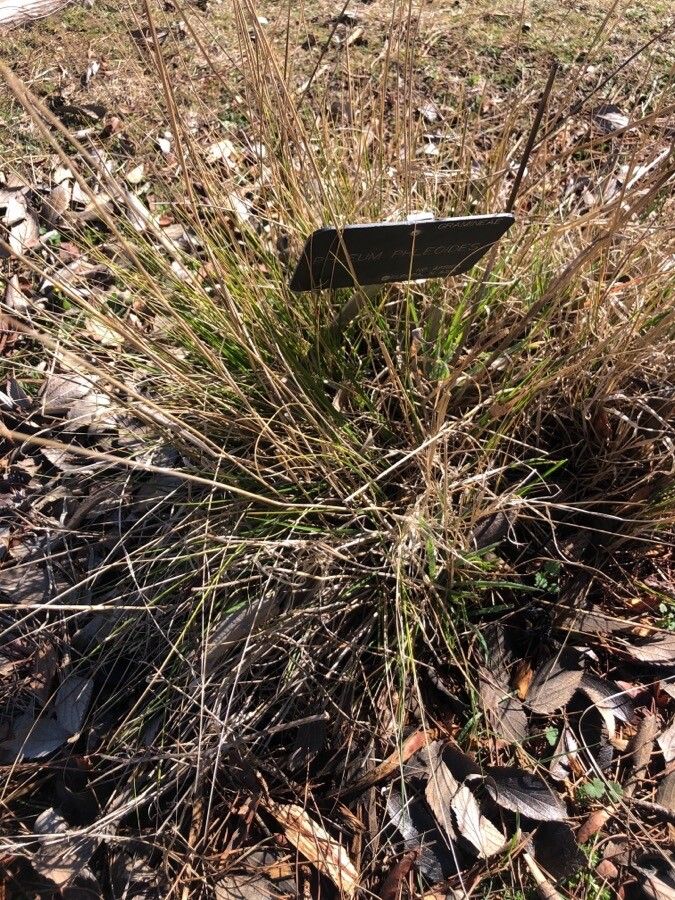
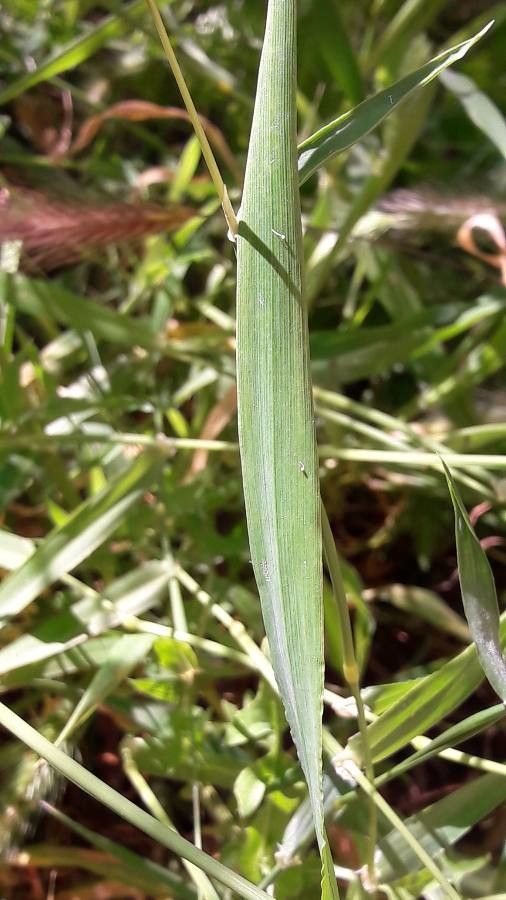
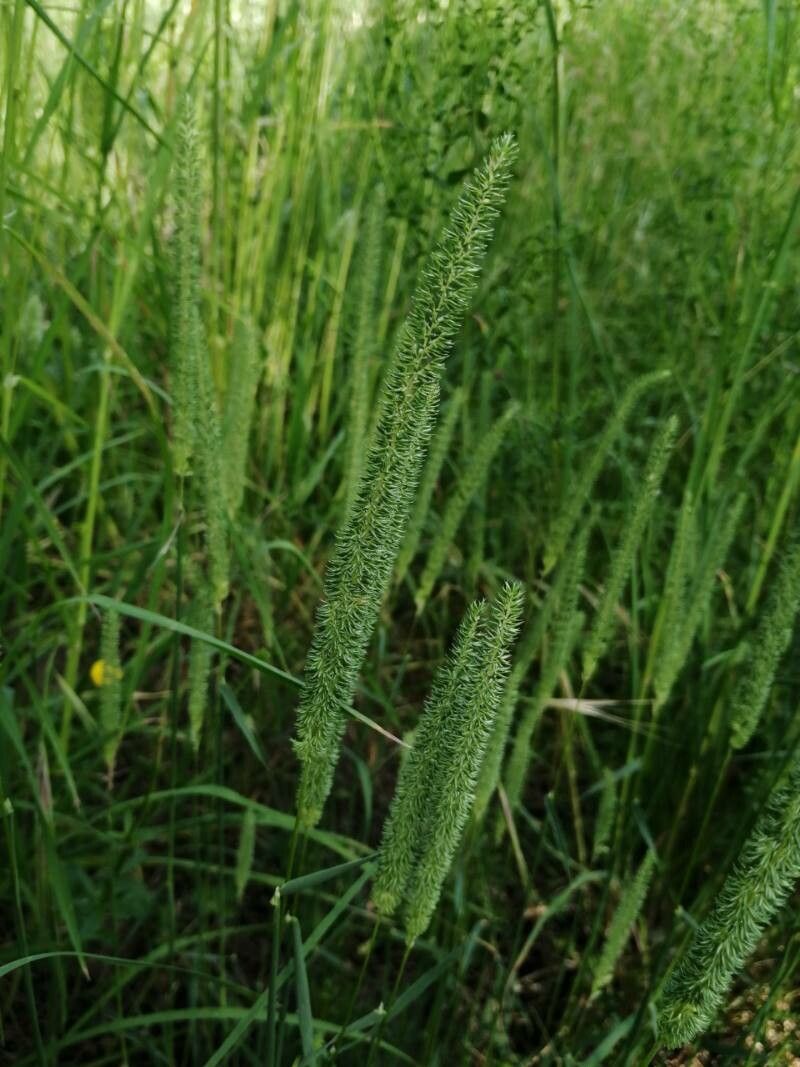
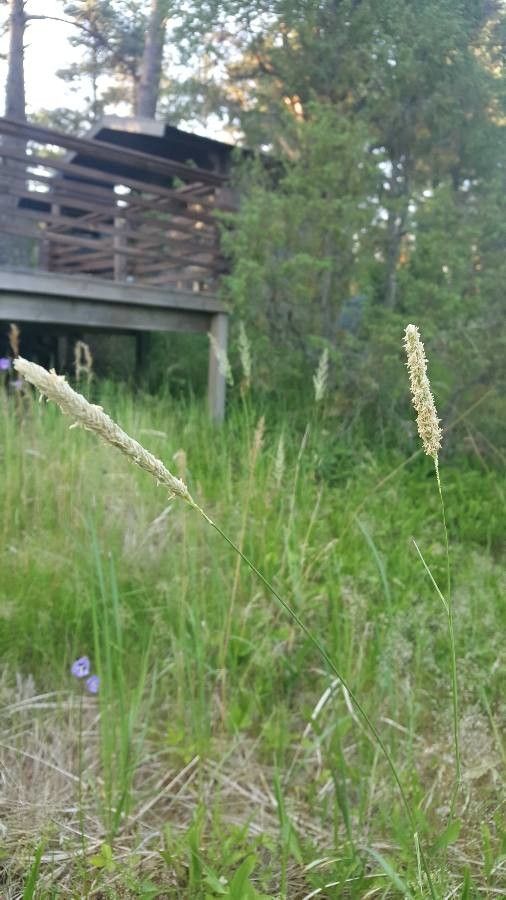
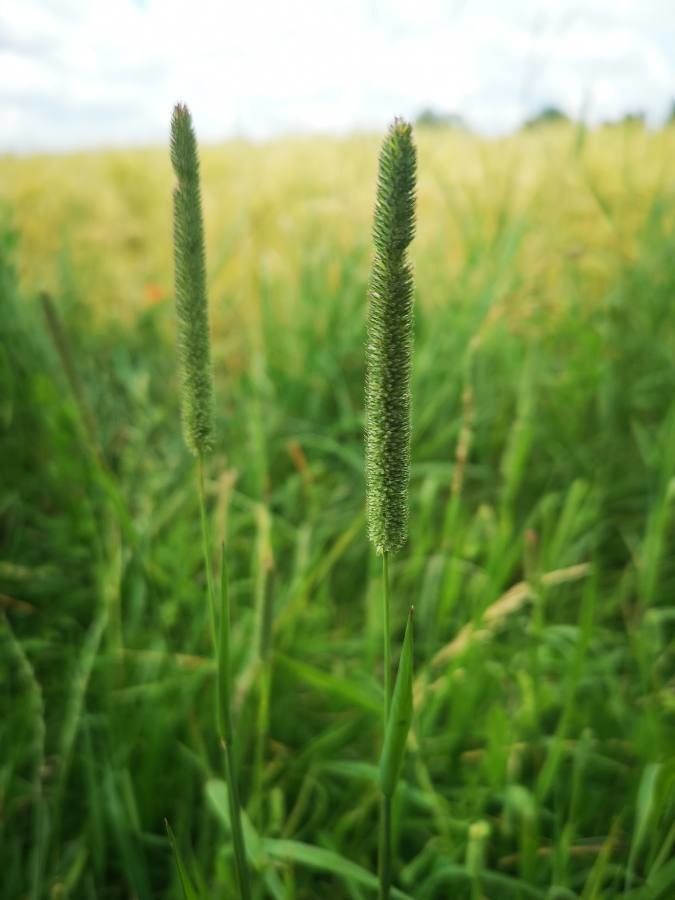
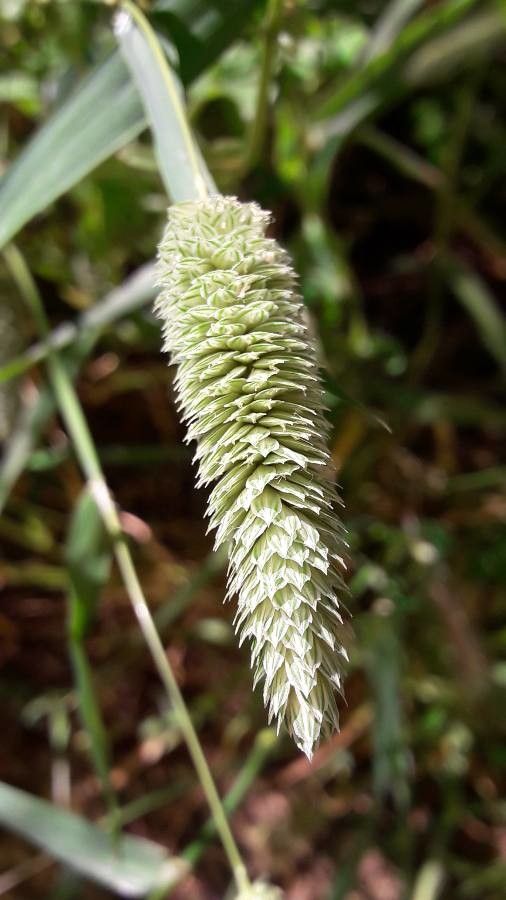
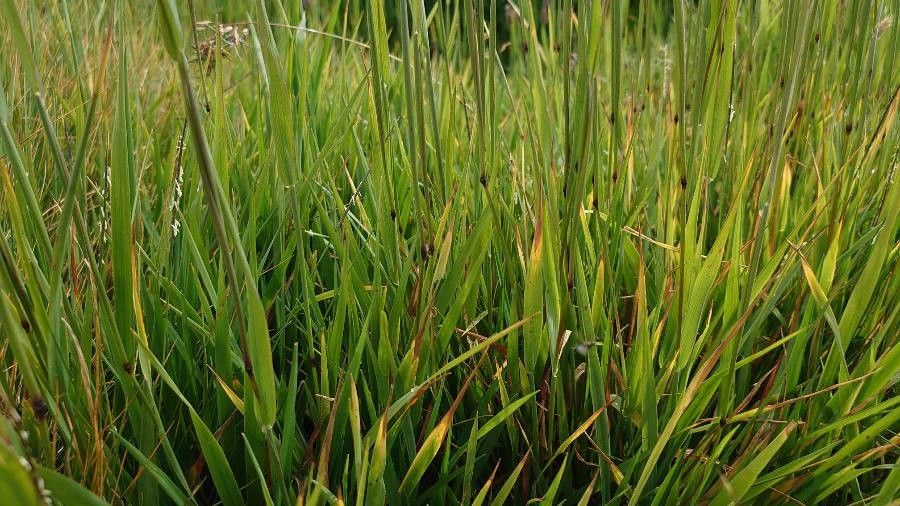
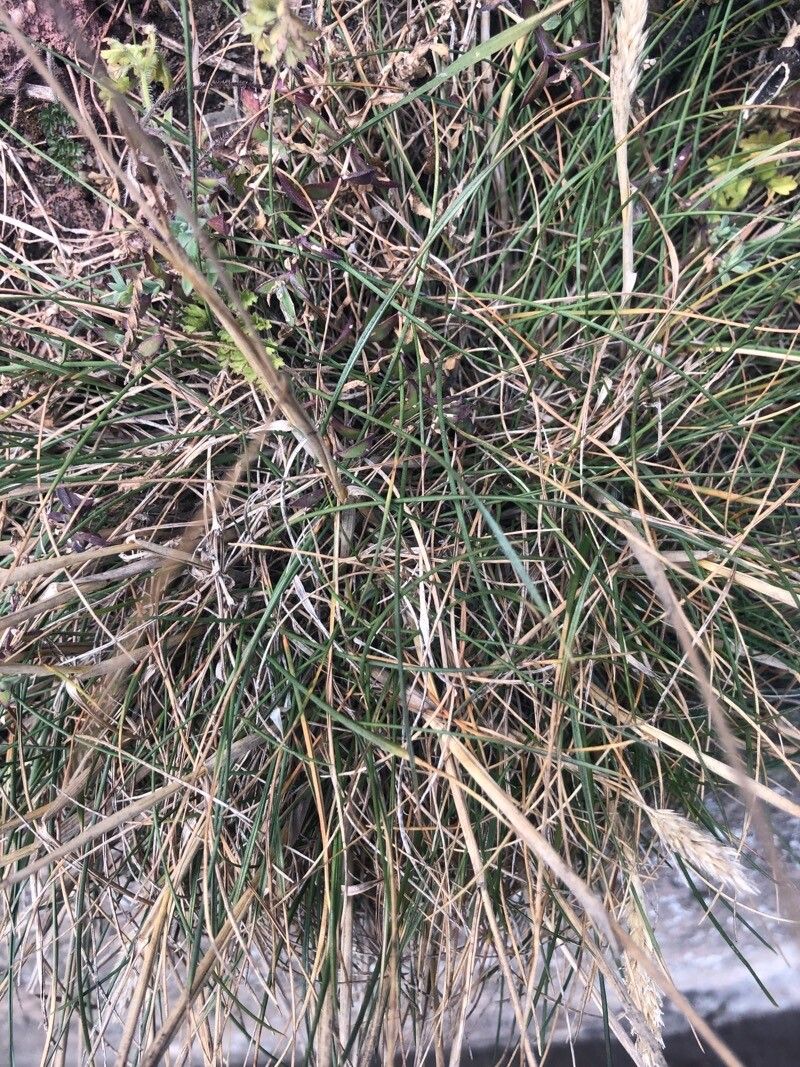
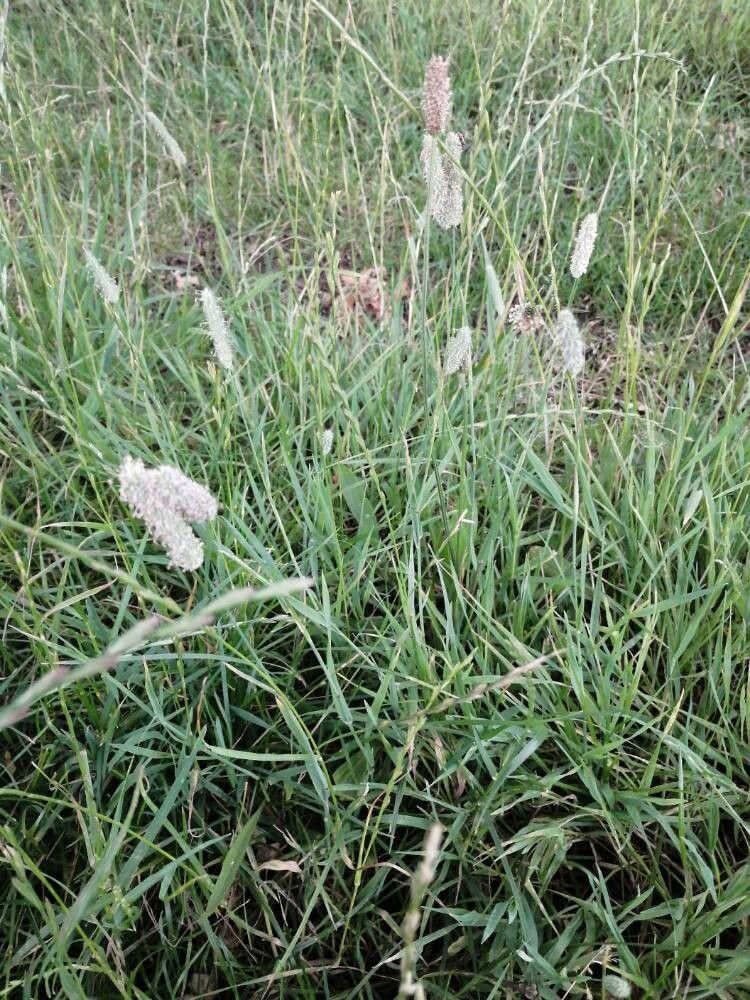
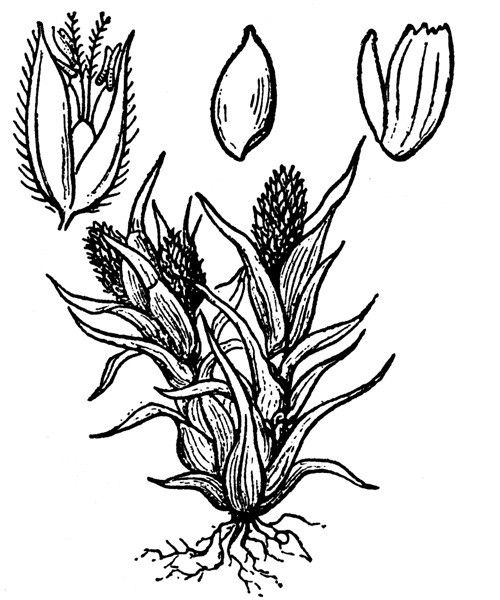
Phleum phleoides (common names: Boehmer's cat's-tail and purple-stem cat's-tail) is a perennial grass native to most of Europe, North Africa, and temperate Asia. Culms are erect and 10–70 centimetres (3.9–27.6 in) in height; leaf blades are 5–12 centimetres (2.0–4.7 in) long by 1–3.5 millimetres (0.039–0.138 in) wide.It can be confused with related species Timothy-grass, Phleum pratense. However purple-stem cat's-tail prefers lighter soils and grows on chalk downland.
Purple-stem cat's-tail is resistant to disease and generally does not tend to get sick. With respect to care, this plant is fairly low-maintenance. When grown outdoors it needs only limited watering, and larger plants typically do not need pruning. Smaller plants, however, should be pruned after they finish blooming. Purple-stem cat's-tailt is well suited for anyone with an outdoor area, such as a garden or deck, and does not call for a lot of plant-care experience.
How to keep Phleum Phleoides.
Light
Purple-stem cat's-tail does best in direct, unrestricted sunlight but can tolerate lower light levels. Seasonal adjustments may be required, especially for specimens grown in pots. Insufficient light can hinder growth and vigor.
Water
The purple-stem cat's-tail plant thrives in consistent moisture and benefits from weekly watering, although it is moderately drought-tolerant. It grows best in stable humidity conditions, preferably outdoors, where rain can naturally support its hydration and growth cycle.
Temperature
Purple-stem cat's-tail can tolerate a broad range of temperatures, but its distribution may still be restricted by different combinations of moisture and heat. It performs best in warm summer conditions with adequate rainfall or watering. Extended periods of cloudy, rainy weather or prolonged high temperatures increase the chance of Purple-stem cat's-tail dying. In winter, proper protection from the cold can improve the plant's survival rate.
Fertilizer
Purple-stem cat's-tail needs extra nutrients to encourage healthy new growth. In spring, adding compost around the base of the plant will supply the nutrition it requires. Fertilizing supports vigorous growth and helps the plant fend off diseases and pests.
Pruning
Purple-stem cat's-tail is known for its striking purple stems and thrives when pruned in early spring. Important pruning techniques include removing dead stems and thinning out crowded growth to improve air circulation. Proper timing is crucial, as it aids recovery, boosts vigor, and lowers the risk of disease. For more detailed pruning methods, consult horticultural guidelines.
Botanical profile.
- Plant Type
- Grass
- Life Cycle
- Perennial
- Genus
- Phleum
- Family
- Poaceae
- Hardiness Zone
- 4-8
- Mature Height
- 30 cm to 76 cm
- Mature Spread
- 15 cm to 30 cm
- Leaf Color
- Light Green
- Leaf Type
- Deciduous
- Flower Color
- Yellow, Green, Brown
- Flower Size
- 0.20 cm to 0.51 cm
- Bloom Time
- Early summer, Mid summer
- Planting Time
- Spring, Autumn
- Harvest Time
- Mid summer, Late summer
- Native Area
- Libya, Turkey, Sweden, Slovakia, Montenegro, Slovenia, Morocco, Croatia, Belarus, Uzbekistan, Russia, Iraq, Germany, Estonia, Romania, Latvia, Belgium, Portugal, France, Tajikistan, Tunisia, Czech Republic, Bulgaria, Armenia, Poland, Greece, Ukraine, Serbia, China, Lithuania, Norway, Italy, Kazakhstan, Spain, Switzerland, Denmark, Mongolia, Finland, Iran, Albania, Azerbaijan, United Kingdom, Hungary, Algeria
Other names.
Reader questions.
What should I do if I give my Purple-stem cat's-tail plant too much water or too little water?
Proper watering is essential for the health of this beautiful ornamental grass. When it is planted in the ground, watering issues can be resolved. However, in a container, excessive or insufficient water can quickly lead to the death of Purple-stem cat's-tail. If this grass is not receiving the right amount of water, it may stop growing. Overwatering can cause yellow leaves with brown tips, while underwatering can result in drooping leaves, weak seed head production, and browned leaves. If you suspect that your Purple-stem cat's-tail has been watered incorrectly, the first step is to determine whether it is receiving too much or too little water. If it is getting too much water, stop watering immediately. It may take some time for the soil to dry out, so be patient. Once you see new growth, test the soil for moisture and decide if it requires additional watering. If the grass is not receiving enough water, simply give it a deep drink and observe if it perks up. Keep in mind that watering deeply is better than frequent shallow waterings. This encourages the growth of deep roots, making the grass more resistant to drought and less prone to watering-related issues.
What are the sunlight requirements for Purple-stem cat's-tail?
Purple-stem cat's-tail thrives best in full sun conditions, which means it requires more than 6 hours of sunlight daily. However, it can also tolerate partial sun, receiving about 3-6 hours of sunlight. It's important to watch how sunlight moves through your garden to ensure you place your plants in spots that provide the right balance of light and shade, ensuring their growth and happiness.
How often do I need to water my Purple-stem cat's-tail plant?
The watering needs of Purple-stem cat's-tail depend on the location where it is planted. In general, it should be watered once a week. In hot climates, watering once or twice a week in the summer may be necessary. In moderate climates, watering once every seven days or more may be sufficient. Grass in containers usually requires more frequent watering than grass in the ground. However, the location also matters because Purple-stem cat's-tail can thrive in full sun or part shade. Shaded grasses need less frequent watering compared to grasses in the ground. It is best to water Purple-stem cat's-tail only when the soil is dry. You can check this by pressing your finger a couple of inches into the soil. For potted grass, you can weigh the grass using a portable scale or feel the pot to see if it is light from lack of water. When the roots lack sufficient water, the blades of the grass may appear folded along their centers and thinner than usual. Despite its drought tolerance, regular, deep waterings will maintain its beautiful color. Although Purple-stem cat's-tail is drought resistant, it still needs care and attention. Gardeners agree that it thrives best with consistent water. During the initial planting phase, it will require more frequent watering until it establishes deep roots. For potted Purple-stem cat's-tail, the soil will dry out quickly, especially if the pot is in hot, direct sun for a large part of the day. Test the soil every 3 to 4 days and water only when it feels dry. Purple-stem cat's-tail in the ground generally needs less watering, but this depends on the type of soil it is grown in. Heavy clay soil can hold water for a long time, so it may feel dry at the surface while retaining moisture below the ground. Sandy soils that drain quickly will need to be watered more often.
How can artificial lighting be used for indoor Purple-stem cat's-tail plants?
When natural sunlight is insufficient, particularly in winter or less sunny spaces, artificial lighting can help Purple-stem cat's-tail plants grow healthier and faster. LED lights are recommended because they can be adjusted to provide specific wavelengths needed by the plant. For full sun plants, 30-50W per square foot is needed; for partial sun plants, 20-30W per square foot; and for full shade plants, 10-20W per square foot. The light source should be placed 12-36 inches above the plant, mimicking natural sunlight for 8-12 hours per day.
What should I watch out for when watering my Purple-stem cat's-tail at different times of the year, in different weather conditions, or when it is growing?
To determine if you are watering enough, observe the rate of growth of your grasses, specifically purple-stem cat's-tail, which can double in size during the hottest months of the year. If the weather is hot and the grass is not growing vigorously, you may need to adjust your watering schedule. In winter, watering once a month may suffice, but it's essential to check the soil for moisture. In warm months, the grass requires more water, while in winter and cooler months, the water needs decrease significantly. Remember to let the soil completely dry out before watering purple-stem cat's-tail.
What symptoms indicate light deficiency in Purple-stem cat's-tail?
Symptoms of light deficiency in Purple-stem cat's-tail include smaller new leaves, leggy or sparse growth, faster leaf drop, slower or no growth, lighter-colored new leaves, and conditions like chlorosis, sunscald, leaf curling, wilting, and leaf scorching. These symptoms can result from inadequate lighting, highlighting the importance of ensuring your plant receives sufficient sunlight or artificial light to maintain its health and growth.
How can I address light deficiency in my Purple-stem cat's-tail?
To address light deficiency in Purple-stem cat's-tail, gradually move your plant to a sunnier location until it gets at least 6 hours of direct sunlight daily. For indoor plants, use a south-facing window or artificial light to provide additional light. Outdoors, avoid sudden changes in light intensity to prevent sunburn. You can also prune trees or branches that block sunlight, or transplant smaller plants to a location with ample sunlight and good drainage. Remember, parts of the plant affected by insufficient light may not recover, but new growth will be healthy with increased light exposure.