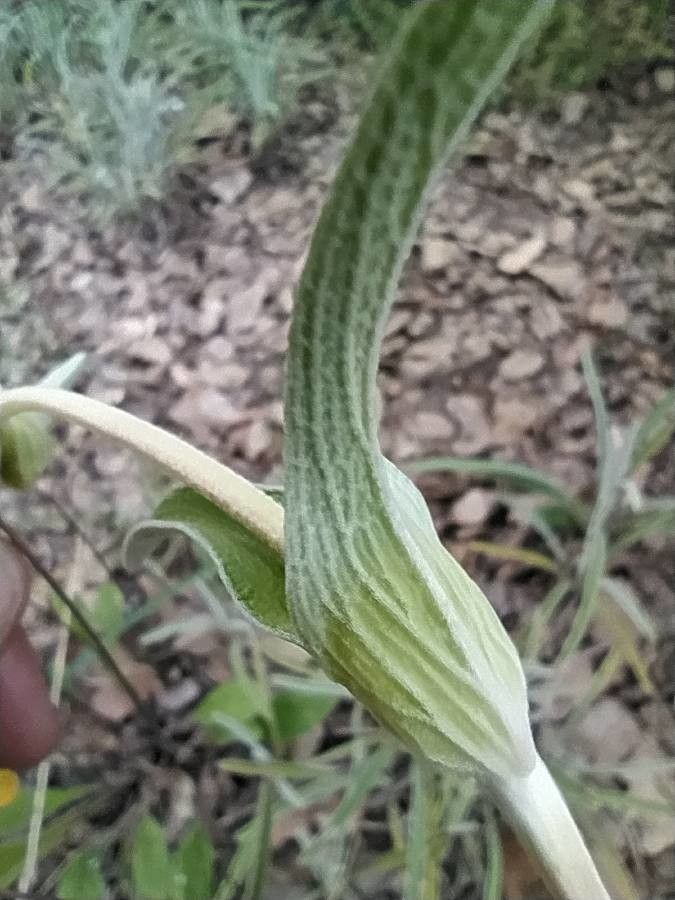
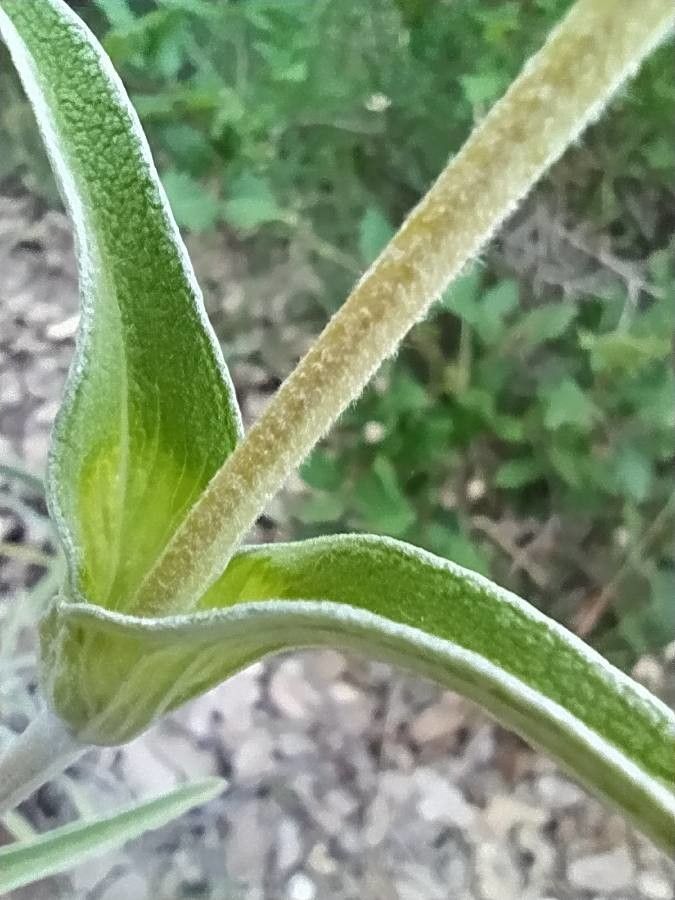
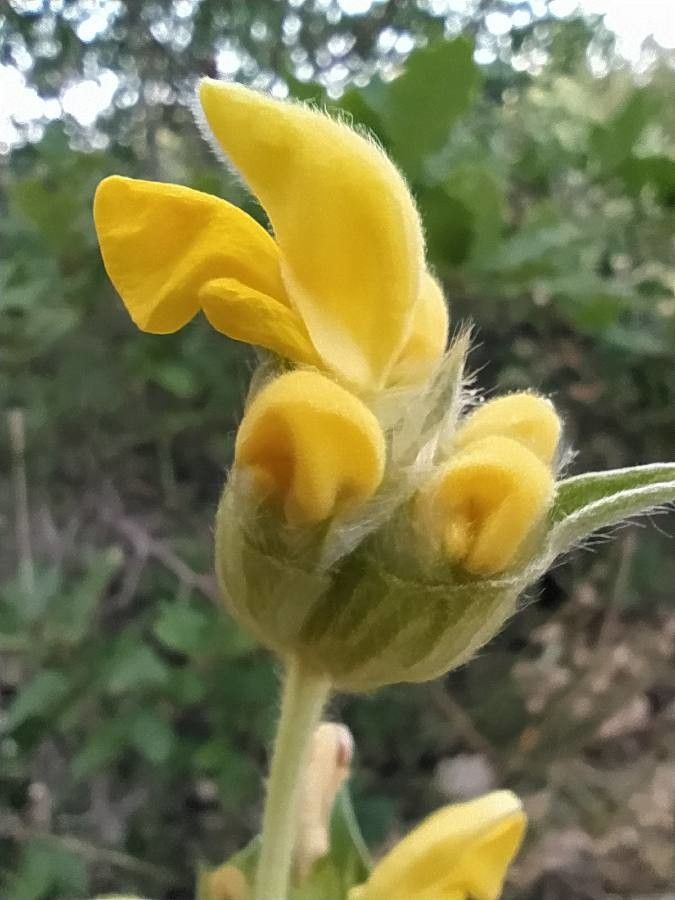
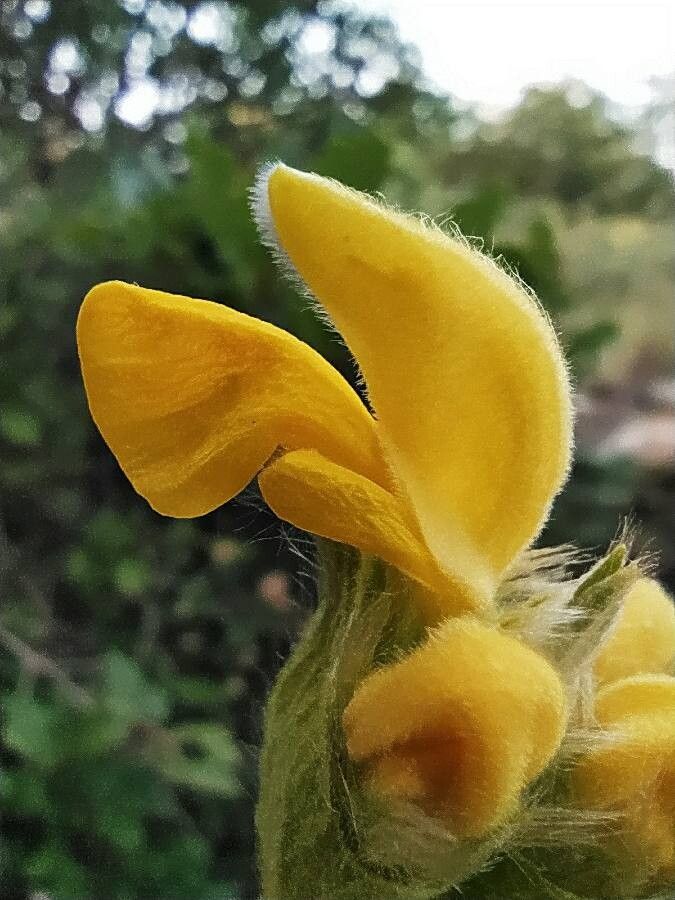
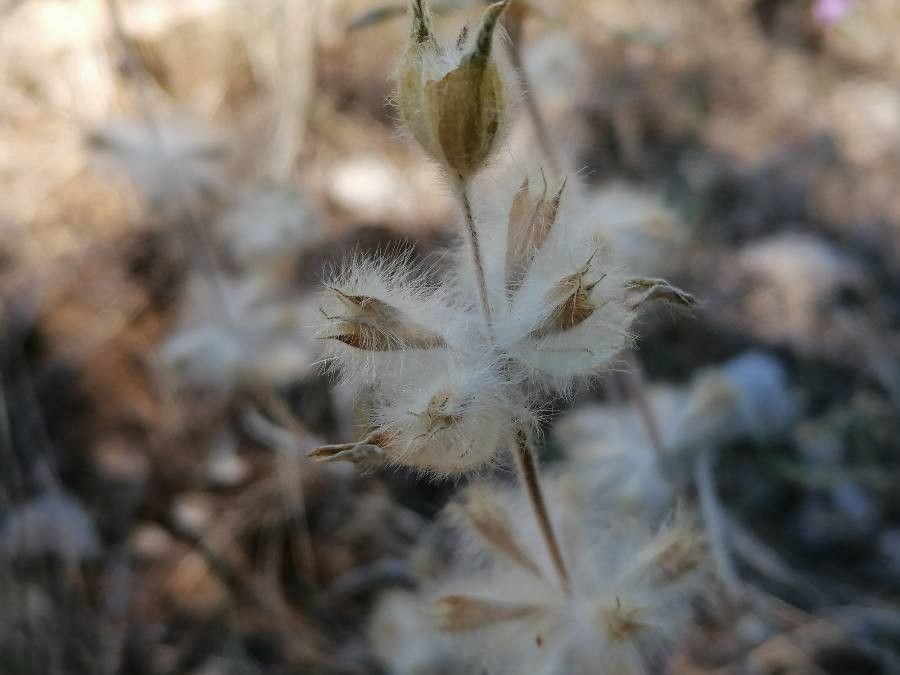
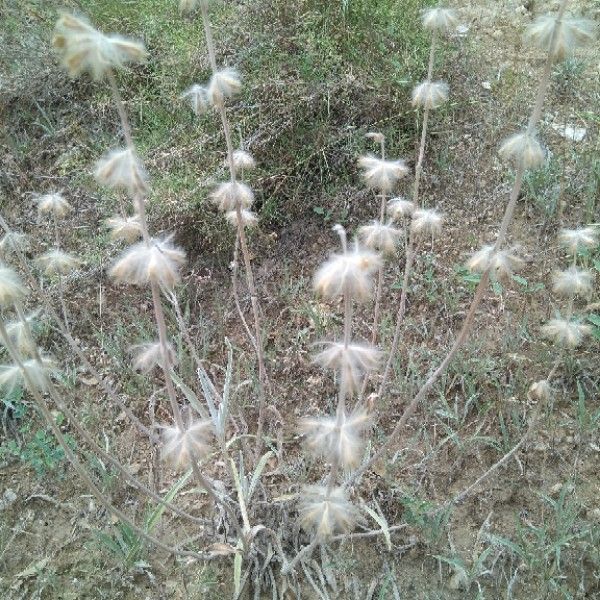
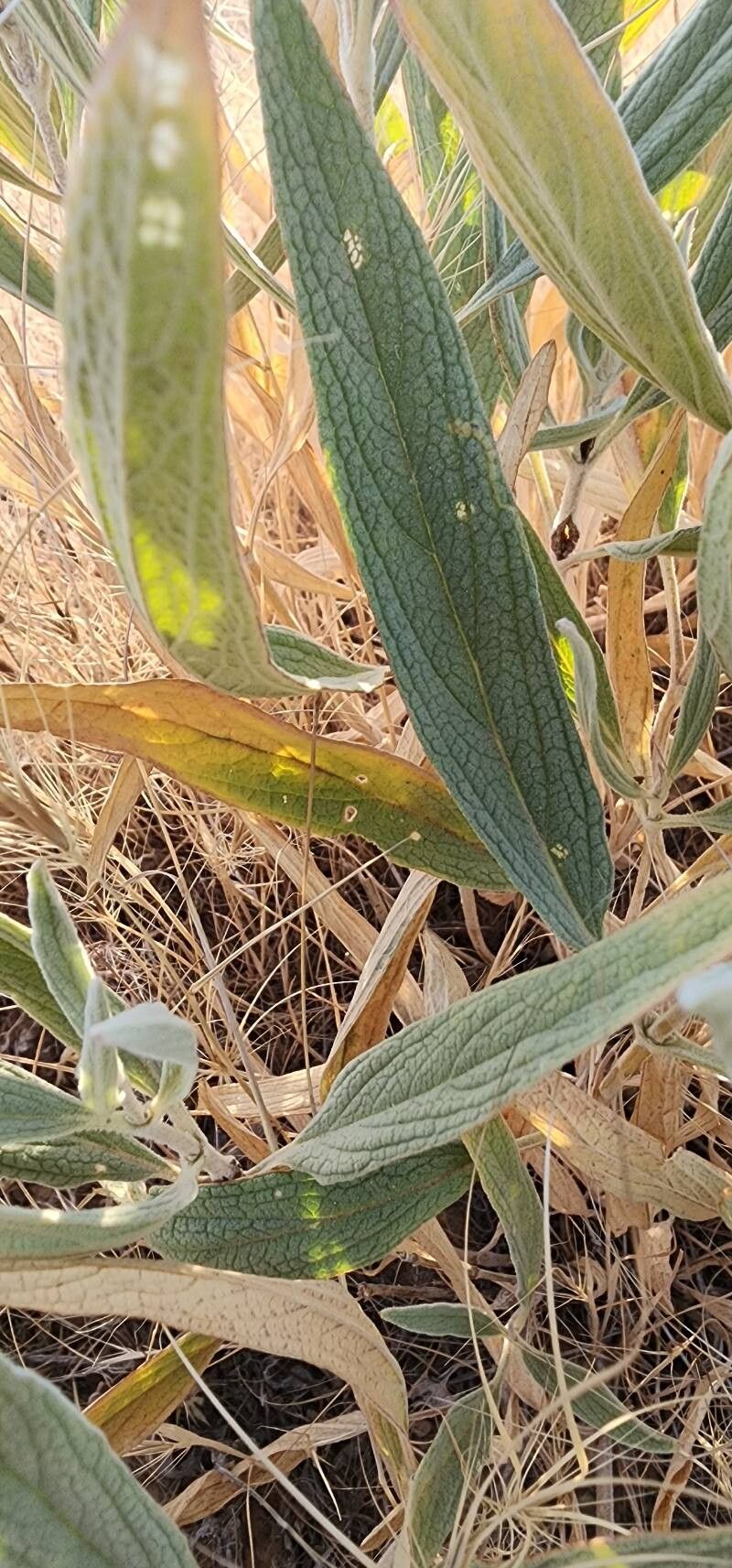
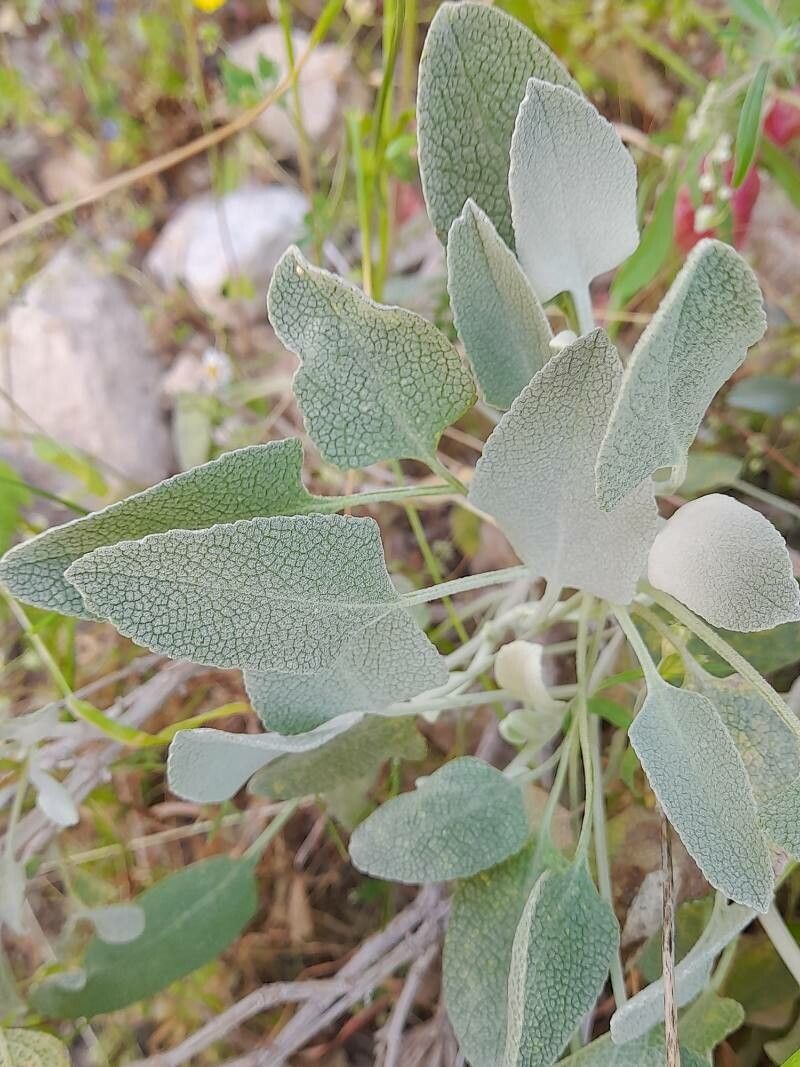
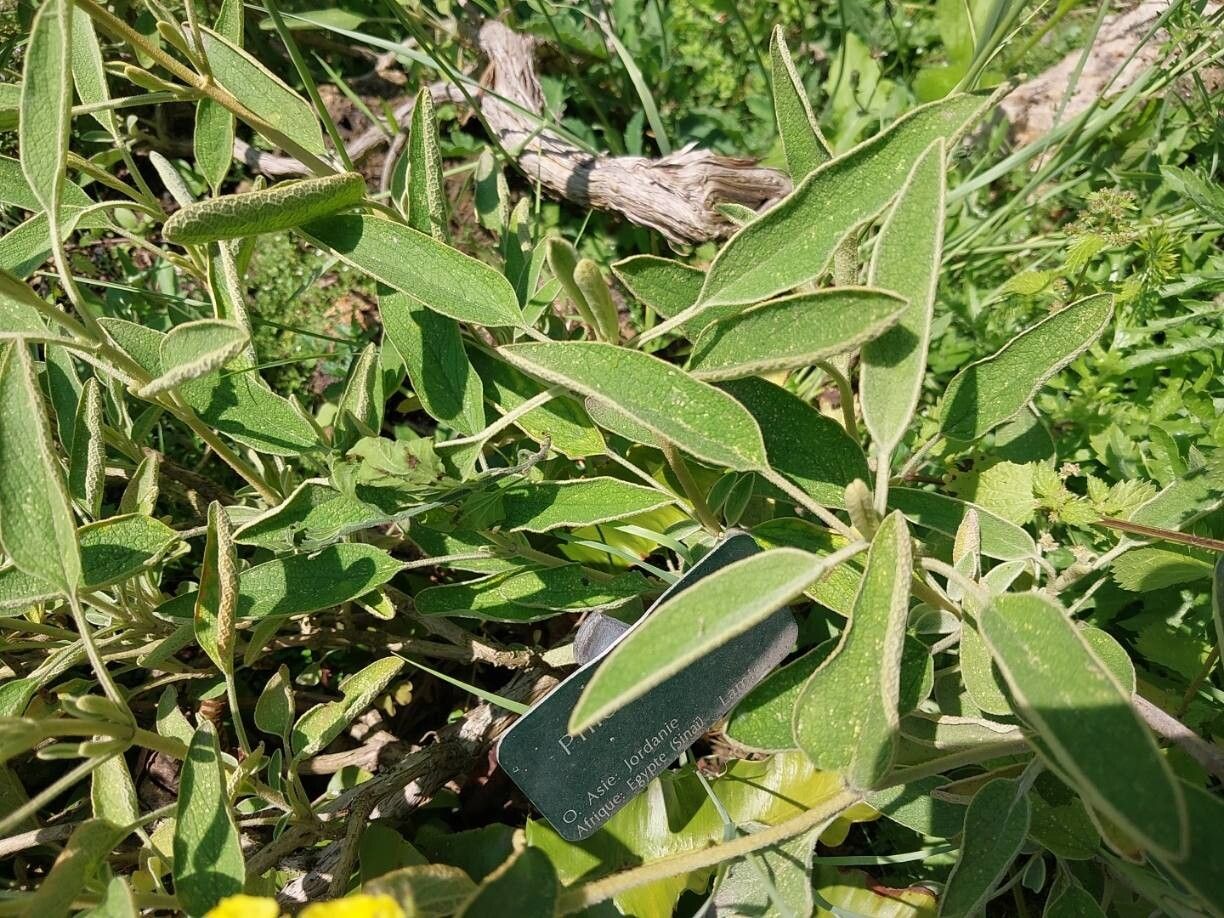
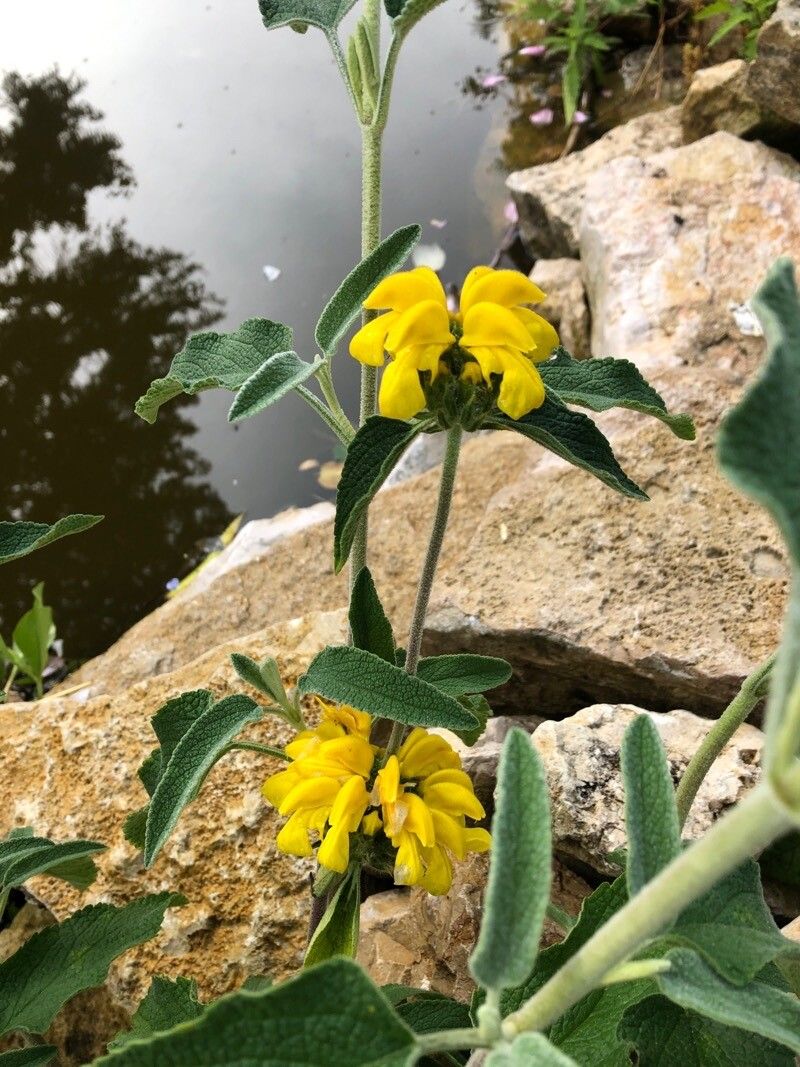
Phlomis lychnitis, commonly known as Jerusalem Sage, is a perennial herbaceous plant that belongs to the Lamiaceae family. Native to the Mediterranean region, it can be found in countries such as Greece, Turkey, and Italy. The plant grows up to 1 meter in height and has a woody stem with grey-green leaves covered in fine hairs. Its yellow flowers bloom from late spring to early summer.
Jerusalem Sage is renowned for its medicinal properties and has been used for centuries in traditional medicine to treat various ailments, including respiratory problems, digestive issues, fever reduction, and wound healing. The plant contains essential oils with anti-inflammatory properties, making it useful for treating arthritis.
This plant prefers well-drained soil with full sun exposure but can also tolerate partial shade. It requires minimal care once established but should be pruned regularly after flowering to maintain its shape.
In addition to its medicinal uses, Jerusalem Sage is also an excellent ornamental plant. Its attractive foliage adds texture and interest to any garden or landscape design, making it a popular choice among gardeners worldwide.
Lampwickplant has strong resistance to disease and is usually not susceptible to illnesses. As for upkeep, this plant is fairly low maintenance. When grown outdoors it needs only minimal watering, and larger plants typically do not require pruning. Smaller plants, however, should be pruned after they have finished blooming. Lampwickplantt is well suited for anyone with an outdoor area, such as a garden or deck, and does not demand much care experience.
How to keep Phlomis Lychnitis.
Light
Receiving ample sunlight, lampwickplant uses that energy to encourage healthy growth. Native to places with abundant sunshine, it thrives under similar light conditions. However, too much brightness can cause sunscorch, while too little exposure may prevent it from achieving optimal growth.
Water
The lampwick plant is well-suited to Mediterranean climates and thrives in drought-prone areas. It prefers well-drained soils and requires minimal irrigation, about once every three weeks. This makes it an excellent choice for outdoor settings and xeriscaping. The plant efficiently survives dry spells and takes full advantage of occasional rainfall.
Humidity
This plant will thrive in moderate humidity, which is probably the level in your home. However, misting it a few times a week can be very beneficial. Make sure the room has good ventilation.
Temperature
Lampwickplant is highly adaptable to different climate conditions, handling both very hot summers and cold winters. Nevertheless, it has a preferred temperature range for optimal growth. If temperatures get too high, the plant can suffer from heat and humidity stress, which may kill it. In areas where temperatures approach the lower edge of its cold tolerance, providing insulation to protect the plant is necessary.
Fertilizer
Timing is essential when fertilizing Lampwickplant. Apply fertilizer in early spring and continue every month until early summer. Fertilizer encourages attractive blooms and supplies energy during both dormant and active growth phases.
Pruning
The Lampwickplant features aromatic leaves and tall flower spikes. For vigorous growth and improved air circulation, prune the plant in early spring. This involves removing dead stems, trimming spent flower spikes, and thinning the plant to prevent overcrowding. Regular pruning enhances blooming and improves the plant's overall health.
Botanical profile.
- Plant Type
- Shrub
- Life Cycle
- Perennial
- Genus
- Phlomis
- Family
- Lamiaceae
- Hardiness Zone
- 7-10
- Mature Height
- 61 cm
- Mature Spread
- 30 cm to 46 cm
- Leaf Color
- Green, Gray
- Leaf Type
- Deciduous
- Flower Color
- Yellow
- Flower Size
- 2.03 cm to 3.05 cm
- Bloom Time
- Late spring, Early summer, Mid summer
- Planting Time
- Spring, Summer
- Harvest Time
- Late summer, Early fall, Mid fall
- Native Area
- Spain, Portugal, France
Other names.
Reader questions.
What's the best way to water my Lampwick plant?
To ensure excellent root development, place a garden hose at the base of your plant. Avoid spraying the leaves directly, as this could lead to overwatering. However, if the plant is outdoors in direct sunlight, the leaves may require more water. You can also use bubblers to moisten the roots of each plant or soaker hoses to cover the entire garden or bed. When adding or removing plants, make sure to water deeply to encourage deep root growth. After watering, drain any excess water and wait for the soil to dry before watering again. Water at ground level to prevent diseases. On a sunny day, consider spraying the entire bush with water. Whether your plant is potted or in the ground, remember that Lampwickplant prefers deep watering over light sprinkling.
Why is it important to add fertilizer to my Lampwickplant?
No matter which type of Lampwickplant you have, regular fertilization is important for its overall health. Providing the right nutrients will promote stronger growth and help your Lampwickplant withstand challenging growing conditions. It will also enhance its ability to combat diseases and pests. The foliage of your Lampwickplant is a key attraction, so it's crucial to maintain it. This entails creating and following a fertilizer schedule tailored to your Lampwickplant. By doing this, you can expect the development of vibrant and lush leaves.
What are the sunlight requirements for a Lampwickplant?
Lampwickplant thrives in conditions where it can bask in more than 6 hours of sunlight daily, a trait reflective of its native habitat which is rich in solar exposure. However, it is vital to be mindful of the plant's placement within the garden to ensure it receives a balanced mix of light and shade, optimizing its health and growth. A moderate approach is advised to avoid the extremes of sunscorch from too much direct sunlight and growth inhibition from insufficient light.
What should I do if I give Lampwickplant too much or too little water?
An overwatered Lampwickplant may exhibit yellowing, wilting leaves that eventually drop off. Additionally, the plant may appear dull and unhealthy, with mushy stems. To address these symptoms, it is advisable to adjust your watering schedule, if possible. Notably, wilting can also be a sign of under watering, characterized by crispy and dry leaves. In such cases, when the soil is dry, simply watering is insufficient, necessitating a thorough watering. While adequate water will facilitate the plant's recovery, it may still exhibit dryness and yellowing of leaves due to root damage. Once it returns to normal, the yellowing of leaves will cease. When keeping the Lampwickplant indoors, always check the moisture levels of the pot and avoid overwatering. Look out for black spots, as they indicate excessive watering. In such instances, allow the soil to dry out by refraining from watering for a few days. Overwatering can lead to root rot, which demands prompt action such as transferring the plant to a different pot, especially when discolored and slimy roots are observed. It is crucial to prevent root rot by ensuring the soil does not become overly saturated. When planting the Lampwickplant outdoors, dig a bit deeper and assess the moisture level of the soil. If it is overly dry, it suggests underwatering, thus necessitating adequate watering for the plant's recovery.
When should I put fertilizer on my Lampwickplant?
To properly fertilize your Lampwickplant, start in late winter or early spring to provide the necessary nutrients for healthy growth when the weather warms up. Additionally, if you live in a warm climate, it's also beneficial to give your Lampwickplant another round of fertilizer in early fall. This will not only nourish the plant for the upcoming growing season but also make it more resilient to survive the winter without foliage damage. Earlier fertilization ensures that new branches have ample time to grow and withstand the cold winter.
How does artificial lighting support Lampwickplant's growth?
Artificial lighting serves as an essential substitute for natural sunlight, especially crucial during winter or in spaces that do not receive ample sunlight. For optimal growth, it is recommended to use artificial lights such as LEDs, which can be adjusted to deliver specific wavelengths required by the plants. Full sun plants need a range of 30-50W/sq ft, while partial sun and full shade plants require 20-30W/sq ft and 10-20W/sq ft respectively. The positioning should mimic natural sunlight, setting the light source 12-36 inches above the plant and ensuring it receives 8-12 hours of light daily.
How many times should I water my Lampwickplant?
The Lampwickplant prefers deep and infrequent watering, especially if it's in a pot. To ensure the plant gets enough water, soak it with a gallon of water each time. Potted plants have limited water storage, so the soil dries out faster. In cold regions, water every 3 to 5 days. Water the plant early in the morning when the soil is dry, whether it's inside or outside. Check the soil's moisture level by feeling the top 2-3 inches. If it's dry, give the plant a thorough watering. On hot days, check the moisture daily to prevent the soil from drying out. If you have a garden, you'll need to irrigate the soil as well. In hot climates, water the plants once a week when the top 2-3 inches of soil are too dry. Avoid overwatering by considering rainfall. During the Lampwickplant's growing seasons (spring and fall), add mulch around the plants to conserve water. Sandy soil drains faster, so water more frequently. Clay soil requires less frequent watering to prevent root rot. Keep track of when you water the plants and watch for drooping leaves as a sign that they may need water.
When is it best to not put fertilizer on my Lampwickplant?
There are specific times of the year when you should avoid fertilizing your Lampwickplant. The first is during the early and mid-winter, when the plant is dormant and does not require nutrients. Likewise, it is not advisable to fertilize in the late spring and throughout the summer due to the hotter and drier weather. These conditions can have a negative impact on the plant's response to fertilization. To prevent such issues, it is best to fertilize in early spring and early fall only.
What are the symptoms of inadequate or excessive sunlight exposure in Lampwickplant?
Lampwickplant shows various symptoms in response to light conditions. Inadequate light may lead to smaller leaves, leggy growth, early leaf drop, slowed or ceased growth, pale new leaves indicating a lack of chlorophyll, and chlorosis. On the other hand, excessive sunlight can cause sunscald, leaf curling as a protective measure against water loss, wilting from increased transpiration, and leaf scorching marked by brown, dry patches on the leaves due to overexposure. These symptoms reflect the plant's struggle to adapt to its light environment, either by conserving resources or defending against damage.
How much water does my Lampwickplant need?
The Lampwickplant typically needs about a gallon of water on a regular basis. For potted plants, it's recommended to water them deeply until you see water dripping from the bottom of the pot. Wait for the soil to dry before watering again. You can use a water calculator or a moisture meter to determine the right amount for your plant each week. During the flowering period, provide plenty of water but allow moisture to evaporate to prevent root rot. If the Lampwickplant is planted outdoors and gets sufficient rainfall, it may not need extra watering. However, when the plant is young or newly planted, ensure it receives 1-2 inches of rain per week. As the Lampwickplant matures, it can rely solely on rainfall. Only water it during extremely hot weather or if there is no rain for 2-3 weeks. In such cases, water the plant fully during cooler parts of the day to prevent heat damage. Additional watering will be necessary during extended dry periods.
What kind of fertilizer does my Lampwickplant need?
Nitrogen is the most important nutrient for a Lampwickplant, but phosphorus and potassium are also important. A balanced fertilizer like 10-10-10 can be effective, but a more nuanced nutrient ratio can lead to optimal growth. Fertilizers with higher nitrogen levels, like 10-6-4, often work well. You can use either granular or liquid-based fertilizer when fertilizing.
What solutions can improve the growth of Lampwickplant in varying light conditions?
To optimize Lampwickplant's growth, gradual adaptation to its ideal light conditions is crucial. For indoor plants, this may involve moving the plant progressively towards a sunny spot, ideally near a south-facing window, or supplementing with artificial lighting for a minimum of 8 hours a day. Outdoors, it's advisable to transition the plant to areas with better sunlight exposure gradually to prevent shock. Addressing obstructions such as overhanging branches can significantly improve sunlight access. In all cases, ensuring optimal light access while preventing damage from too much direct exposure is key to fostering healthy growth. Do note, parts of the plant already affected by poor light may not recover, but new growth should flourish under improved conditions.