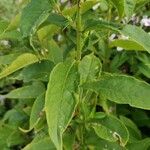
Phlox maculata
Meadow phlox · Spotted phlox · Wild sweet-William · Wild Sweetwilliam · Northern Meadow Phlox
Description
Source: leafsnapPhlox maculata, commonly known as wild sweet William or meadow phlox, is a herbaceous perennial plant belonging to the family Polemoniaceae. Native to North America, it thrives in moist meadows, along stream banks, and in open woodlands. The plant typically grows to a height of 2-3 feet and features lance-shaped leaves arranged oppositely on the stem. Its fragrant flowers, which come in shades of pink, purple, or white, have a distinctive five-petal shape. These blooms appear from late spring through early summer, attracting bees, butterflies, and other pollinators. Phlox maculata prefers moist, well-drained soil but can tolerate some drought once established. While it thrives in full sun, it also grows well in partial shade. This plant is a popular ornamental garden choice due to its attractive flowers, making it ideal for borders or mass planting schemes. In addition to its visual appeal, it has medicinal properties, containing compounds traditionally used to treat respiratory ailments such as coughs and colds. Overall, Phlox maculata is a beautiful addition to any garden. Its showy blooms attract pollinators, and its medicinal benefits make it both aesthetically pleasing and useful.
Care Guide
💧 Water Every 3 days
Wild sweetwilliam flourishes in moist environments, preferring soil that is consistently damp. Once well-established, the plant exhibits a moderate tolerance for drought. To keep the plant well-hydrated, it's ideal to water it regularly, about once a week. Typically grown outdoors, wild sweetwilliam benefits from natural rainfall, which contributes to its abundant blooming during the growing season.
How should I water my Wild sweetwilliam?
When watering the Wild sweetwilliam, it's better to use filtered water at room temperature. Tap water may have harmful particles, so filtered water is a safer option. The Wild sweetwilliam is native to warm environments, so it's important to avoid using cold water, which can shock the plant. Additionally, overhead watering should be avoided because it can cause leaf problems. Instead, it's best to directly apply filtered room temperature water to the soil until it's completely soaked. This helps moisten the roots and allows them to spread through the soil and absorb nutrients more effectively.
What should I do if I give too much or too little water to my Wild sweetwilliam plant?
Overwatering and underwatering can both harm your Wild sweetwilliam, but overwatering is more common and problematic. When this plant is overwatered, its stems and leaves may wilt and turn yellow. Overwatering can also lead to diseases like root rot, mold, and mildew, which can be fatal. Underwatering is less common due to the plant's drought tolerance, but it can still happen. In such cases, the leaves of the Wild sweetwilliam will become brittle and brown. It's important to recognize the signs of overwatering early on as some diseases may not be correctable if left unaddressed. If you notice signs of overwatering, reduce your watering schedule and check the soil's drainage. Replace poorly draining soil with a loose, well-draining potting mix if needed. If your Wild sweetwilliam is receiving too little water, simply water more regularly until the signs of underwatering subside.
How often should I give water to my Wild sweetwilliam plant?
If your Wild sweetwilliam plant is in a pot, the most precise way to determine if it needs water is to check the soil. Stick your finger into the soil and if the top two to three inches are dry, then it's time to water it. If you have Wild sweetwilliam planted in the ground outside, you can use the same method to test the soil. Once the top few inches have dried out, it's time to water. Typically, during spring and early fall, you'll need to water this plant about once a week. However, during extremely hot weather, you may need to water it twice a week or more. Nonetheless, mature and well-established Wild sweetwilliam plants have a remarkable ability to survive drought conditions.
How much water does my Wild sweetwilliam plant require?
To ensure proper watering for your Wild sweetwilliam, be generous with the amount of water you give. When the top two to three inches of soil are dry, it's time for a thorough watering. Make sure to completely soak the soil, allowing excess water to drain through the holes at the bottom of the pot. If you don't see any excess water draining, you may have not given enough water. Avoid letting water accumulate in the soil, as this can harm the plant. If the water doesn't drain well, it could be a sign of poorly draining soil, which is not good for the plant's health. If the plant is outside, 1 inch of rain per week should be enough.
How do I water my Wild sweetwilliam as it grows?
The water needs of the Wild sweetwilliam can vary throughout its growth stages. In the early years or after transplanting, it requires more water as it focuses on developing new roots for future growth. These roots function better with slightly more moisture. As the plant matures, it will need less water. Additionally, during the bloom period, when the plant is producing flowers, it will benefit from additional moisture.
☀️ Light Full sun
Wild sweetwilliam does best in places that receive abundant sunlight for the majority of the day. Although it prospers under such ample light, it can also cope in areas where sunlight is less plentiful but still present. However, both excessive and insufficient sunlight can impede its optimal growth and vibrancy.
What are the sun requirements for Wild Sweetwilliam?
Wild Sweetwilliam (Phlox maculata) needs ample sunlight to thrive. Full sun, defined as over 6 hours of sunlight daily, is ideal, but it can also grow in partial sun, receiving about 3-6 hours of sunlight. It's important to observe your garden to find spots with the perfect balance between light and shade to ensure the ideal growing conditions.
How does sunlight affect the growth of Wild Sweetwilliam?
Sunlight plays a crucial role in the growth and vibrancy of Wild Sweetwilliam. It flourishes best under generous sunlight for most of the day; however, it can tolerate less ample sunlight conditions. Both excessive and insufficient sunlight can hinder its growth and vibrancy, making it essential to find a spot with the right amount of sunlight. For indoor plants where natural light is limited, especially during winter or in less sunny spaces, artificial lighting is recommended to foster healthy plant growth with specific considerations given to the type of light, distance from the plant, and duration of exposure.
What are the symptoms of light deficiency in Wild Sweetwilliam?
Symptoms of light deficiency in Wild Sweetwilliam include smaller new leaves, leggy or sparse growth, faster leaf drop, slower or halted new growth, and lighter-colored or yellowing leaves, which may occur indoors in inadequate light. Excessive sunlight can cause chlorosis, sunscald, leaf curling, wilting, and leaf scorching, visibly damaging the plant's health.
What solutions can help Wild Sweetwilliam thrive in terms of sunlight?
For optimal growth, Wild Sweetwilliam should be gradually moved to locations with sufficient sunlight, ideally at least 6 hours of direct light daily, or supplemented with artificial light if necessary. Pruning obstructions and considering transplanting during the plant's dormant period can significantly improve sunlight exposure. It's crucial to avoid sudden changes in light intensity to prevent sunburn. Indoor solutions include using south-facing windows, keeping curtains open, or using grow lights, whereas outdoor and ground solutions focus on strategically moving plants and pruning to ensure adequate sunlight access.
🌡️ Temperature 5–32.2°C
Wild sweetwilliam is native to habitats with temperatures between 41 and 90 °F (5 to 32 ℃). It prefers conditions toward the higher end of that range. Adjustments may be necessary during colder seasons to maintain suitable warmth.
What is the ideal temperature range for Wild sweetwilliam?
Wild sweetwilliam, or Phlox maculata, is indigenous to environments with a temperature range of 41 to 90 °F (5 to 32 °C), thriving best near the higher end of this spectrum. Adjustments may be needed during colder seasons to ensure the plant remains warm. Despite its strong cold resistance, special frost protection measures should be considered if winter temperatures are expected to drop below -30°C, such as covering the plant with soil or straw and watering it abundantly before the first freeze in autumn. This helps to keep the soil moist, preventing drought and water scarcity during winter and early spring.
How does Wild sweetwilliam handle low and high temperatures?
Wild sweetwilliam is cold-tolerant, preferring temperatures above 5°C and should be kept above -25°C during winter. If temperatures fall below -30°C, there might not be noticeable changes during winter, but there could be decreased sprouting or even no sprouting in spring. To aid recovery in spring, remove any parts that have failed to sprout. In contrast, during summer, it is advisable to keep the plant below 32°C. Temperatures exceeding 35°C can lead to leaves becoming lighter, prone to curling, sunburn, and severe wilting or drying of the plant. Solutions include trimming sunburned and dried-up parts, moving the plant to a shaded location, or using a shade cloth to protect it from midday and afternoon sun. Additionally, watering the plant in the morning and evening helps keep the soil moist.
💨 Humidity
🪴 Soil 6-7
🌱 Fertilizer
The best time to fertilize a Wild sweetwilliam is in early spring, when it is coming out of dormancy and beginning active growth. Fertilization supplies essential nutrients needed for healthy development. Although Wild sweetwilliam has fairly low fertilizer requirements, applying fertilizer annually can improve its survival and encourage better, longer-lasting flowers.
Why should I put fertilizer on my Wild sweetwilliam plant?
Fertilization is important for the Wild sweetwilliam and other plants because it provides essential nutrients for their growth both above and below ground. Although Wild sweetwilliams have relatively low fertilization needs and can sometimes survive without it, annual fertilization can greatly benefit the plant. It helps keep the plant alive and may also promote the production of better flowers that last longer. For those who want their Wild sweetwilliam to look its best, annual fertilization is recommended.
When should I add fertilizer to my Wild sweetwilliam?
The best time to fertilize a Wild sweetwilliam is in the late winter to early spring when it is transitioning from dormancy to active growth. Fertilizing at this time promotes healthy growth for the upcoming season. Although early spring is the most beneficial time, fall is also acceptable for fertilizing. However, it is not recommended to fertilize during summer or winter.
When is the best time to not fertilize my Wild sweetwilliam?
To avoid overfertilization and complications, it is best to fertilize your Wild sweetwilliam only in late winter and early spring. This plant has low fertilization needs, so one annual feeding is enough. Fertilizing during spring, summer, and fall can easily lead to overfertilization. However, if you didn't fertilize in spring, it's okay to feed the plant in the fall. Also, refrain from fertilizing during the winter when the plant is dormant and not experiencing new growth.
What kind of fertilizer does my Wild sweetwilliam plant need?
To ensure the health of your Wild sweetwilliam plant, using a general-purpose fertilizer with a balanced amount of the three main plant nutrients is generally effective. However, some nutrient blends can provide even more benefits. Many gardeners recommend a higher phosphorus content for stronger roots and better flowers in flowering plants like Wild sweetwilliam. You can choose either granular or liquid fertilizer as long as it provides ample nutrients. Additionally, organic methods such as compost, manure, and similar materials can greatly improve the soil for your Wild sweetwilliam.
How can I fertilize my Wild sweetwilliam?
To fertilize a Wild sweetwilliam, the most common method is applying a granular or pellet fertilizer to the soil surrounding the plant. It's important to remember that the best time to fertilize is when the plant is transitioning from its winter dormant growth phase to active growth. In early spring, wait for the plant to sprout shoots through the soil before applying fertilizer. Alternatively, some people prefer using liquid fertilizer, which should be diluted with water prior to application. Regardless of the type of fertilizer used, it's always advised to moisten the soil before, during, and after applying fertilizer.
🪴 Pot & Repot 2-3 years
Wild sweetwilliam, a bushy perennial, benefits from being repotted every 2-3 years in the spring. To prevent root drowning, select a pot of appropriate size. After repotting, ensure good air circulation and keep the soil consistently moist. Provide partial sunlight for the plant's optimal recovery and health.
✂️ Pruning
Wild sweet william is a perennial plant known for its vibrant blooms. To ensure optimal growth, it's best to prune it from early to late spring. During this time, remove spent blooms and any damaged stems. Additionally, thin out crowded stems to improve air circulation. Proper pruning not only enhances the plant's appearance but also extends its blooming period.
🌿 Propagating
🐛 Diseases & pets
☠️ Toxicity
Characteristics
- Plant Type
- Herb
- Life Cycle
- Perennial
- Genus
- Phlox
- Family
- Polemoniaceae
- Hardiness Zone
- 4-8
- Mature Height
- 61 cm to 91 cm
- Mature Spread
- 30 cm to 61 cm
- Leaf Color
- Green
- Leaf Type
- Deciduous
- Flower Color
- Pink, White
- Flower Size
- 2.54 cm
- Bloom Time
- Summer
- Planting Time
- Spring, Autumn
- Harvest Time
- Early fall, Mid fall
- Native Area
- Georgia