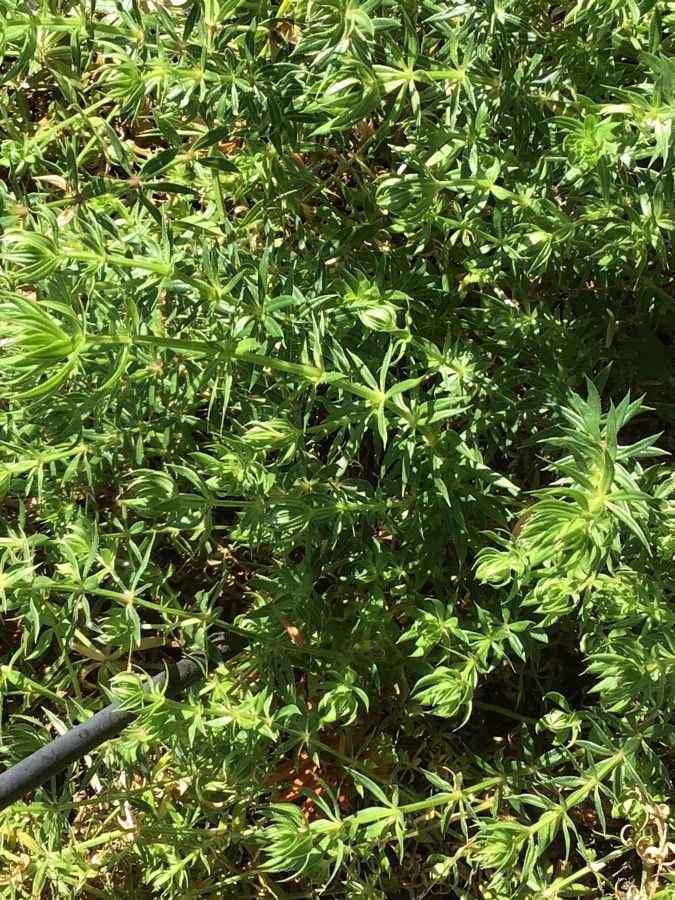
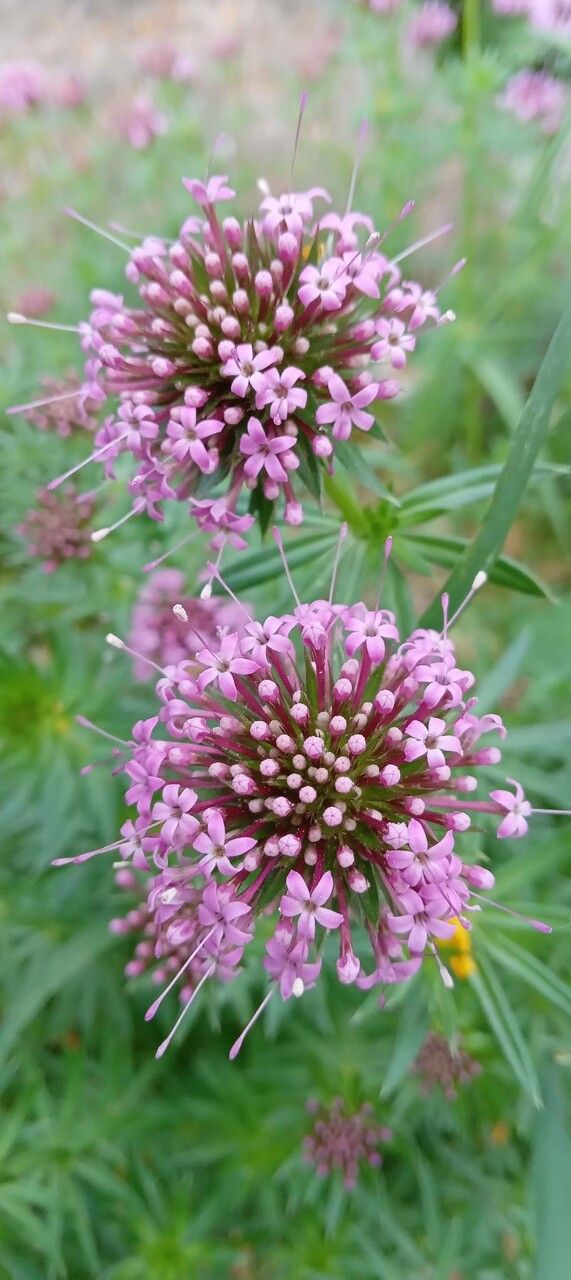
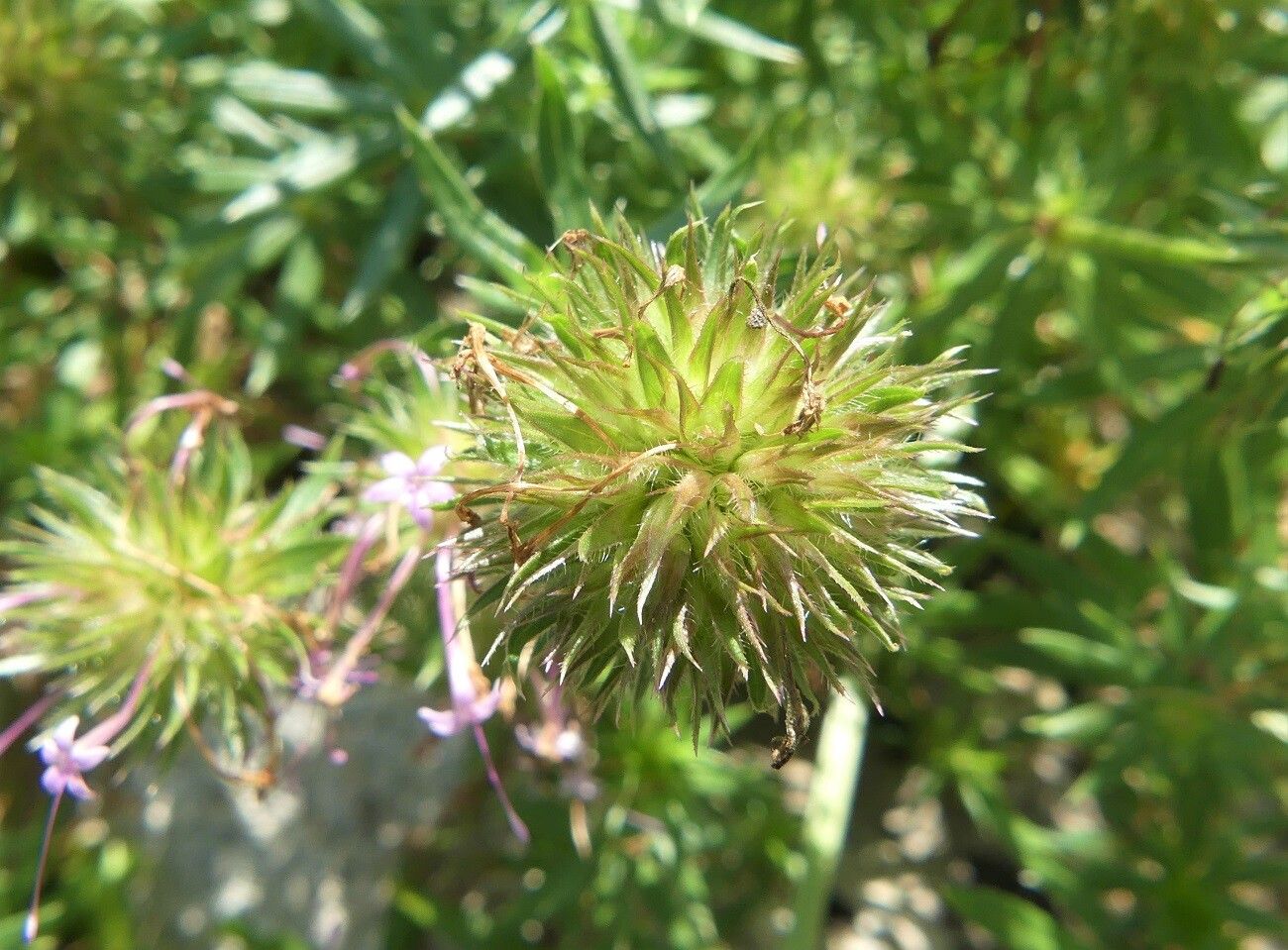
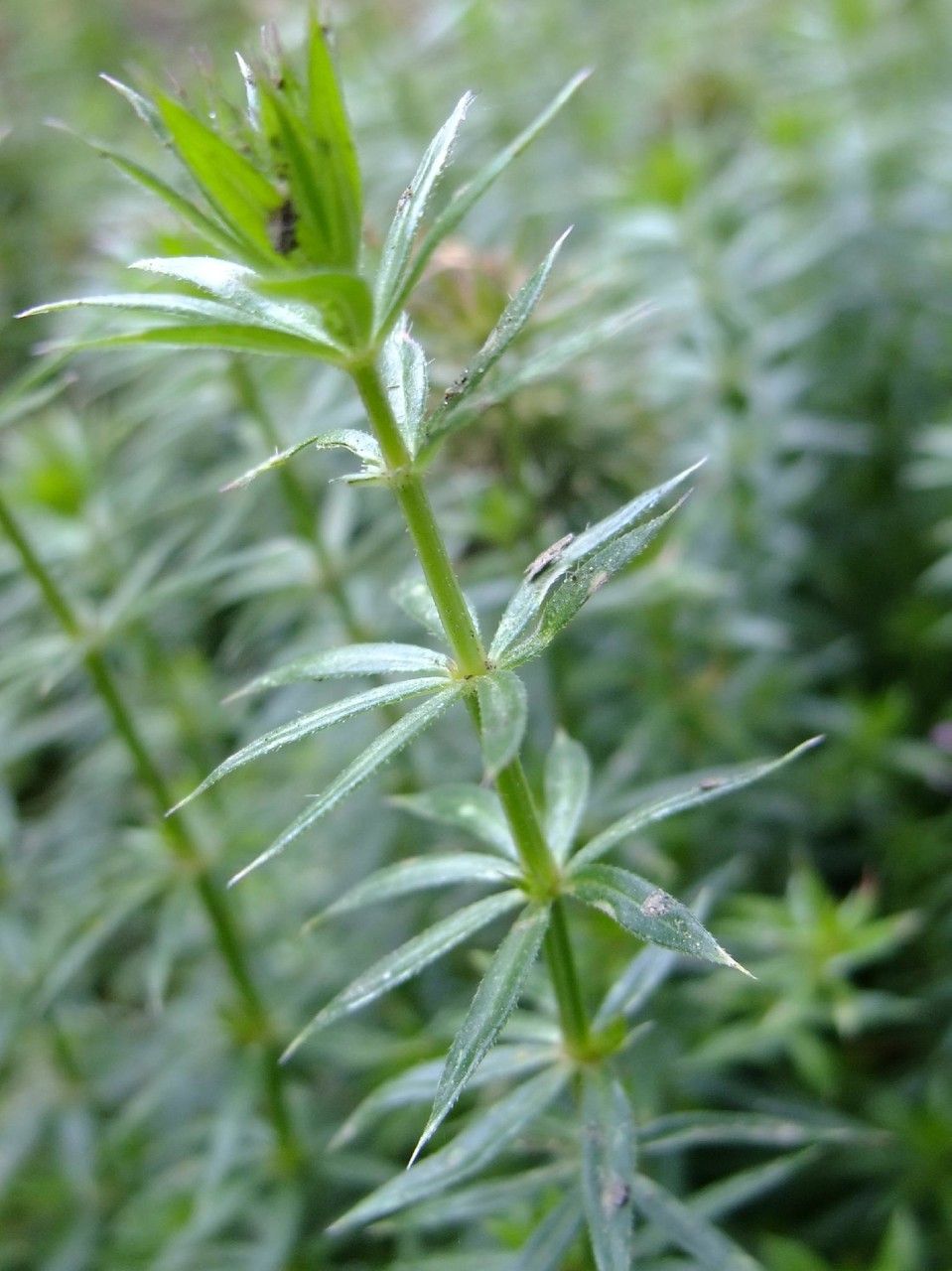
Phuopsis stylosa, the Caucasian crosswort or large-styled crosswort, is a low-growing, mat-forming, aromatic perennial plant in the madder, or bedstraw family Rubiaceae. It has whorls of narrow, aromatic leaves and terminal clusters of tubular pink flowers. Phuopsis stylosa is native to the Caucasus and Iran, and is widely grown elsewhere as a garden plant.The plant gives off an odor which can be confused with that of some Cannabis species.
Caucasian crosswort is largely resistant to disease and typically does not suffer from frequent illnesses. Still, it can be affected by pests and diseases present nearby. When infections occur, they are generally mild. Regarding maintenance, this plant needs a moderate level of care. Regular pruning is necessary to preserve its appearance and support healthy growth. Applying fertilizer can also encourage more abundant flowering. This plant is well suited for anyone with outdoor areas such as a garden or patio and does not demand extensive gardening experience. If kept indoors, it may call for increased attention.
How to keep Phuopsis Stylosa.
Light
Caucasian crosswort needs plentiful sunlight for the majority of its active growth period. This plant does best in locations drenched in abundant sun but can also endure conditions with reduced light. Too much sun can cause it to wilt, while too little may produce stunted growth.
Water
Native to moderate climates, Caucasian crosswort thrives in consistently moist soil and benefits from balanced weekly watering. During the growing season, using rainwater can enhance its growth, particularly in temperate zones. It's important to ensure the plant is neither overwatered nor allowed to dry out.
Temperature
Caucasian crosswort comes from habitats that experience considerable temperature variation and prefers temperatures between 41 and 95 °F (5 to 35 °C). During extreme seasons, adjustments may be needed to keep conditions within this temperature range.
Fertilizer
The best time to fertilize a Caucasian crosswort is in early spring, as it comes out of dormancy and begins active growth. Fertilizing supplies essential nutrients needed for healthy growth. Although the Caucasian crosswort has relatively low fertilizer requirements, applying fertilizer annually can improve its survival and promote better, longer-lasting flowers.
Pruning
Caucasian crosswort forms a dense mat and produces fragrant pink flowers. To promote healthy growth and shape the plant, prune in early spring by removing any dead stems. After the flowers have bloomed, trimming the plant encourages fullness and prevents it from becoming leggy. Make sure to use clean cuts to reduce the risk of disease and improve airflow and blooming. Avoid heavy pruning during extreme weather conditions.
Botanical profile.
- Plant Type
- Herb
- Life Cycle
- Perennial
- Genus
- Phuopsis
- Family
- Rubiaceae
- Hardiness Zone
- 5-9
- Mature Height
- 15 cm to 23 cm
- Mature Spread
- 20 cm
- Leaf Color
- Green
- Leaf Type
- Semi-evergreen
- Flower Color
- Pink
- Flower Size
- 2.54 cm to 5.08 cm
- Bloom Time
- Late spring, Early summer, Mid summer
- Planting Time
- Spring, Summer, Autumn
- Harvest Time
- Mid summer, Late summer
- Native Area
- Iran, Azerbaijan
Other names.
Reader questions.
How should I water my Caucasian crosswort plant in the best way?
To effectively water the Caucasian crosswort plant, follow these tips: 1. Use filtered water at room temperature. Tap water may contain harmful particles that can damage the plant's health. 2. Ensure the water is at room temperature or slightly warmer. This plant is accustomed to warm environments, and cold water might shock its system. 3. Avoid overhead watering. This can lead to complications with the plant's foliage. Instead, directly apply filtered room temperature water to the soil until it is completely soaked. 4. Soaking the soil has several benefits for this plant. It helps moisten the roots and encourages them to continue spreading through the soil, gathering the necessary nutrients.
Why should I use fertilizer on my Caucasian crosswort plant?
Fertilization plays an important role in the growth of the Caucasian crosswort plant for multiple reasons. It provides essential nutrients for both above and below ground development. Although the fertilization needs of the Caucasian crosswort are generally low, annual fertilization can greatly benefit the plant. Not only does it ensure the plant's survival, but it may also enhance the quality and longevity of its flowers. Therefore, those seeking optimal results for their Caucasian crosswort should prioritize regular fertilization.
What are the sunlight requirements for Caucasian crosswort?
Caucasian crosswort requires full sun, meaning it needs above 6 hours of sunlight daily, but it can also tolerate partial sun, which is about 3-6 hours of sunlight. It's crucial to observe how sunlight moves through your garden to identify spots that provide the ideal balance of light and shade for your plants. This ensures their growth and happiness by giving them the right amount of sunlight they need.
What is the native environment of Caucasian crosswort?
Caucasian crosswort, or Phuopsis stylosa, thrives in environments that experience a wide range of temperature fluctuations. Its optimal temperature range is between 41 to 95 °F (5 to 35 °C). This indicates that the plant can adapt well to various climates, though it may require adjustments during extremely hot or cold seasons to ensure it remains within its preferred temperature bracket.
What should I do if I give my Caucasian crosswort plant too much or too little water?
Both overwatering and underwatering can harm the health of your Caucasian crosswort, but overwatering is a more common problem. When this plant gets too much water, its stems and leaves may wilt and turn yellow. Overwatering for a long time can also cause diseases like root rot, mold, and mildew, which can kill the plant. Underwatering is less likely for the Caucasian crosswort because it can handle dry conditions. However, underwatering can happen, and in that case, the leaves will become brittle and brown. It's important to recognize the signs of overwatering early when taking care of your Caucasian crosswort. Some of the diseases caused by overwatering, like root rot, may not be fixable if you wait too long. If you see early signs of overwatering, reduce your watering schedule immediately. Check the soil quality where the plant grows. If it drains poorly, replace it with a loose, well-draining potting mix right away. On the other hand, if you notice signs of underwatering, simply water more regularly until those signs improve.
When should I fertilize my Caucasian crosswort for the best results?
The best time to fertilize a Caucasian crosswort is in late winter to early spring. This is when the plant is coming out of dormancy and entering a phase of active growth. Fertilizing during this time will promote healthy growth and give the plant a great start for the season. While early spring is generally the most advantageous time for fertilization, it is also acceptable to fertilize in the fall. However, it is not recommended to feed the plant in summer or winter.
What are the essentials for growing Caucasian crosswort successfully?
Growing Caucasian crosswort successfully demands abundant exposure to sunlight during its active growth period. This plant thrives in environments with plenty of sunlight but can also tolerate areas with less light penetration. However, overexposure to the sun can lead to withering, while insufficient sunlight might result in stunted growth. Indoor plants, in particular, require adequate lighting for optimal growth. When natural sunlight is insufficient, artificial lighting, such as LED lights, can be a vital solution. These lights should be chosen to provide the specific wavelengths needed by your plants, with full sun plants needing 30-50W/sq ft, partial sun plants 20-30W/sq ft, and full shade plants 10-20W/sq ft of artificial light.
How does Caucasian crosswort respond to cold temperatures?
Caucasian crosswort exhibits strong resistance to cold and does not typically require special frost protection measures. However, if temperatures are expected to plunge below -25°C, it's crucial to provide some form of cold protection. This can be done by covering the plant with materials like soil or straw. Additionally, it's advisable to water the plant abundantly before the first freeze of autumn to keep the soil moist, which helps the plant avoid drought and water scarcity during the winter and early spring.
How often should I water my Caucasian crosswort plant?
If your Caucasian crosswort is in a pot, the best way to know if it needs water is to stick your finger in the soil. If the top two to three inches of soil are dry, it's time to water it. If your Caucasian crosswort is planted outdoors, you can use the same method to test the soil. When the top few inches of soil have dried out, it's time to add water. In the spring and early fall, you'll probably need to water this plant about once a week. During extremely hot weather, you may need to water it twice or more per week. However, mature and well-established Caucasian crosswort can handle drought well.
When should I not put fertilizer on my Caucasian crosswort?
Avoid fertilizing your Caucasian crosswort during any time of the year except late winter and early spring. This plant has low fertilization needs and only requires one annual feeding. If you continue to fertilize during spring, summer, and fall, you may end up overfertilizing and encountering complications. The only exception is if you didn't fertilize in spring, then it's okay to feed the plant in fall. Additionally, there's no need to fertilize this plant during winter. During this time, the Caucasian crosswort is in a dormant growth phase and won't produce new growth. Therefore, it's not advisable to fertilize during most of the winter.
What symptoms indicate inadequate lighting for Caucasian crosswort?
Symptoms of inadequate lighting for Caucasian crosswort include smaller new leaves, leggy or sparse growth, faster leaf drop, slower or no new growth, lighter-colored new leaves, chlorosis (leaves turning yellow), sunscald (damaged leaves from intense sunlight), leaf curling, wilting, and leaf scorching. Each of these symptoms signifies that the plant is not receiving the right amount of sunlight it needs, either too little or too much, impacting its health and growth negatively.
What should be done if the temperature falls below -25°C?
In regions where temperatures drop below -25°C, Caucasian crosswort might not show immediate damage during winter, but there might be a noticeable decrease in sprouting or even an absence of sprouting in spring. To address this, it's recommended to remove any parts of the plant that have failed to sprout in the spring. This helps in managing the plant's health and ensuring its recovery for the next growing season.