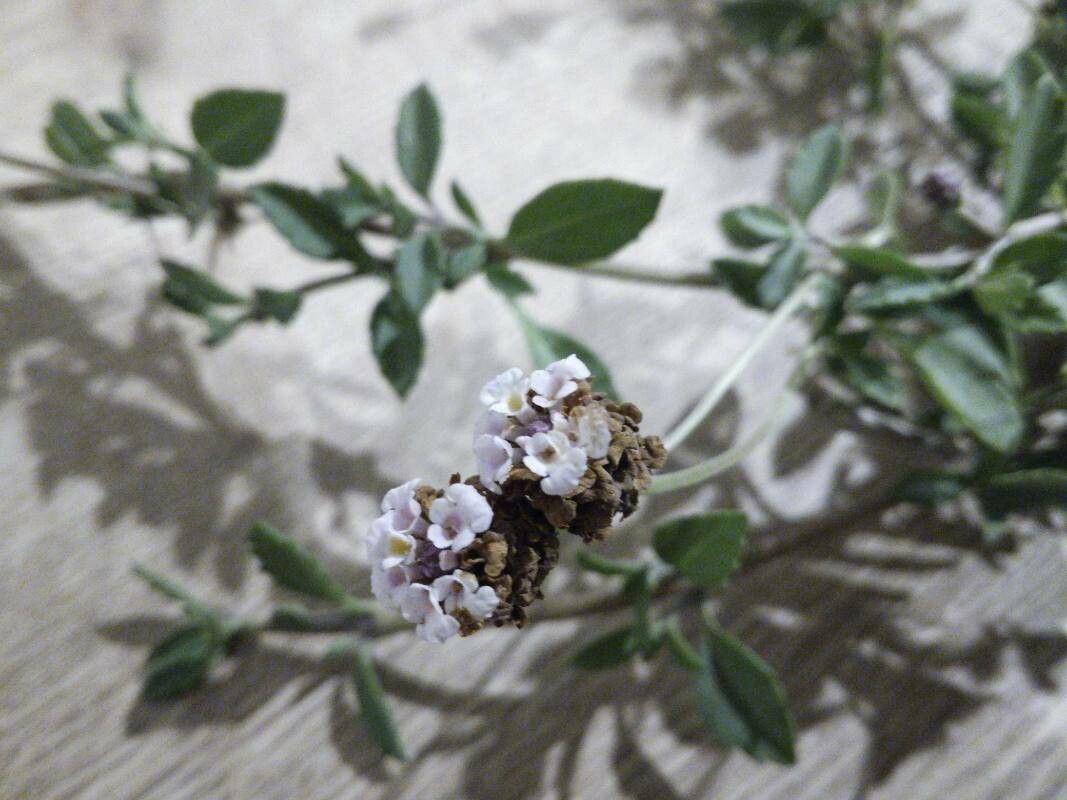
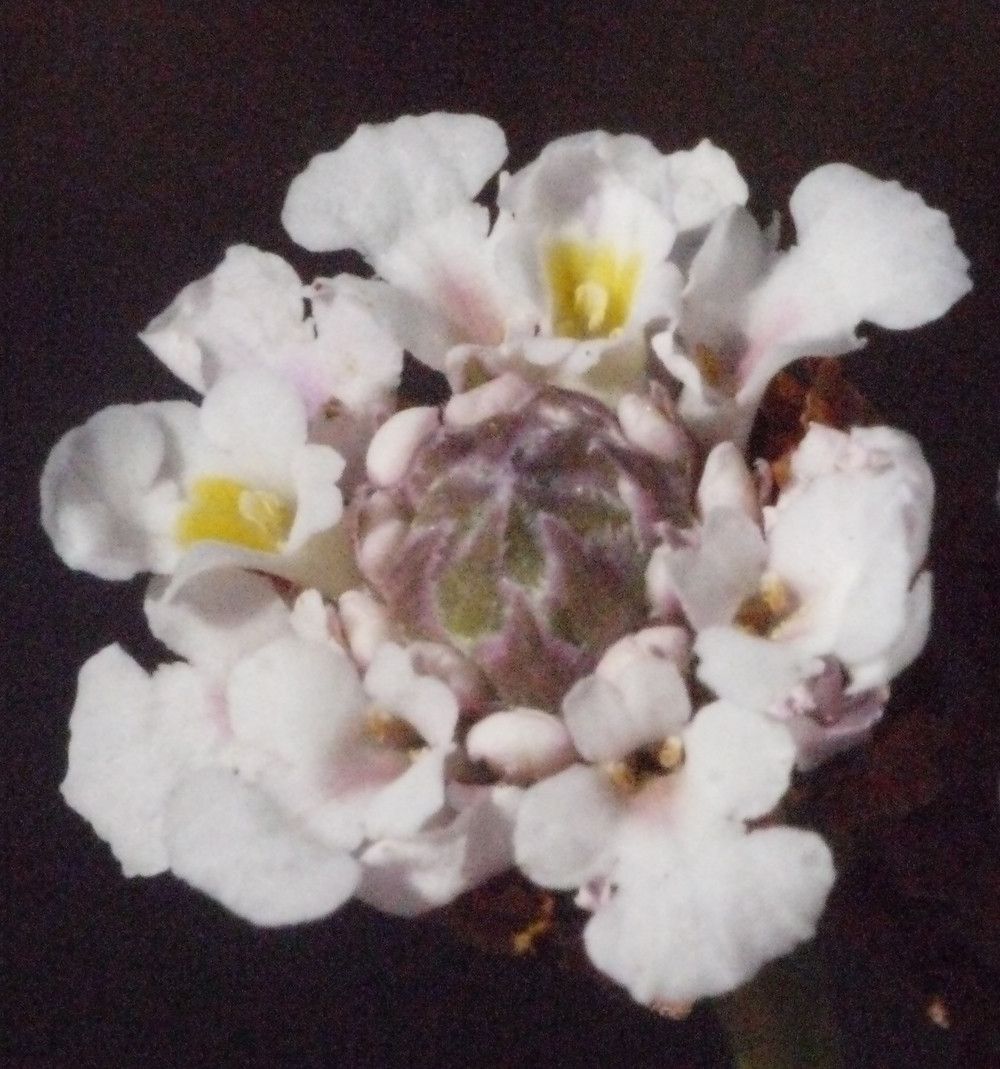
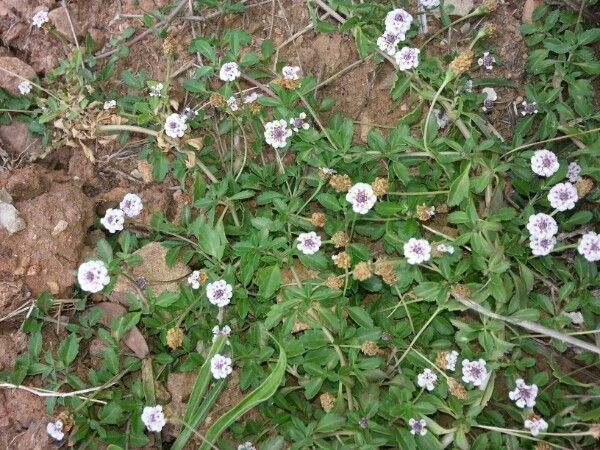
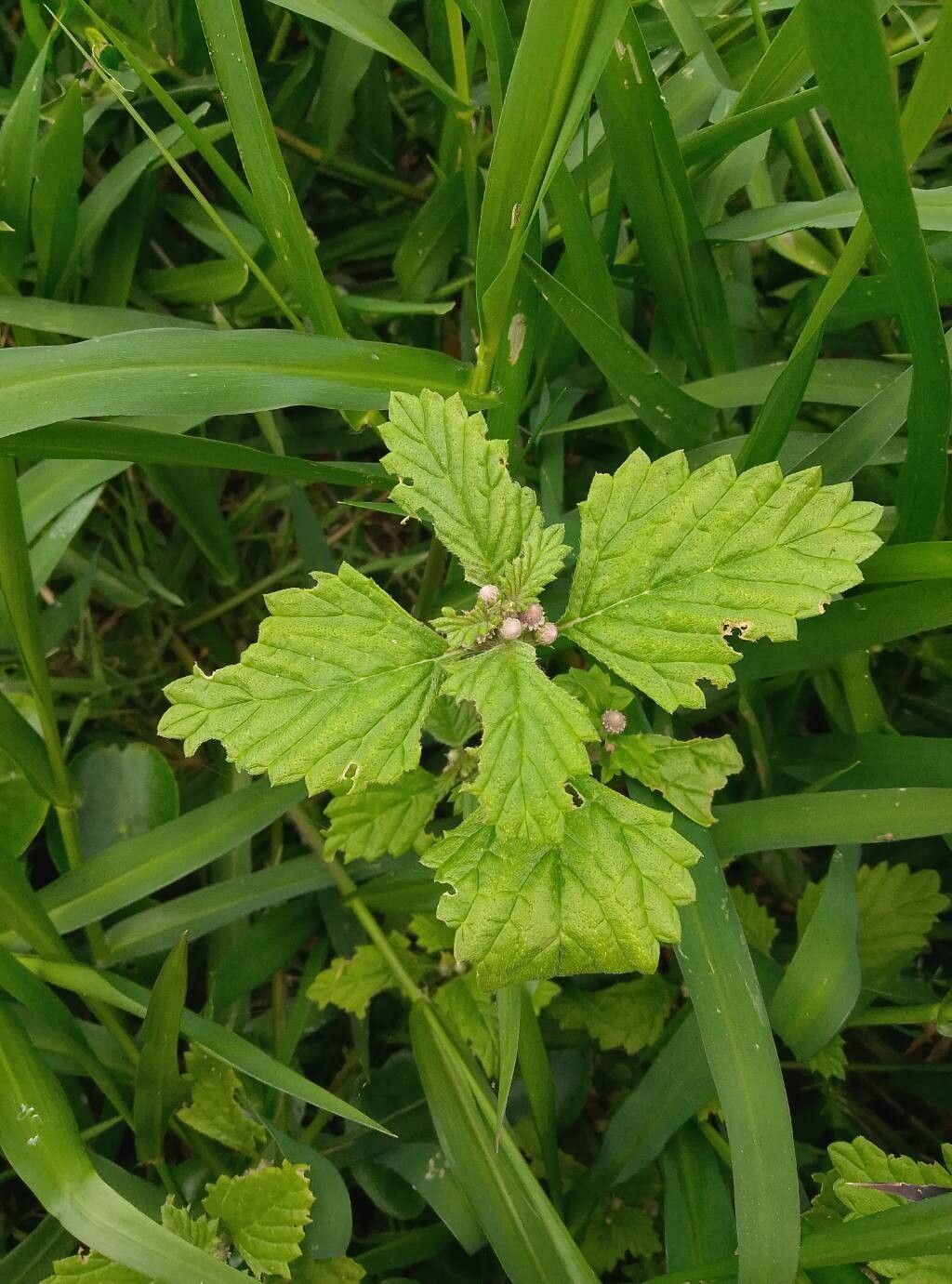
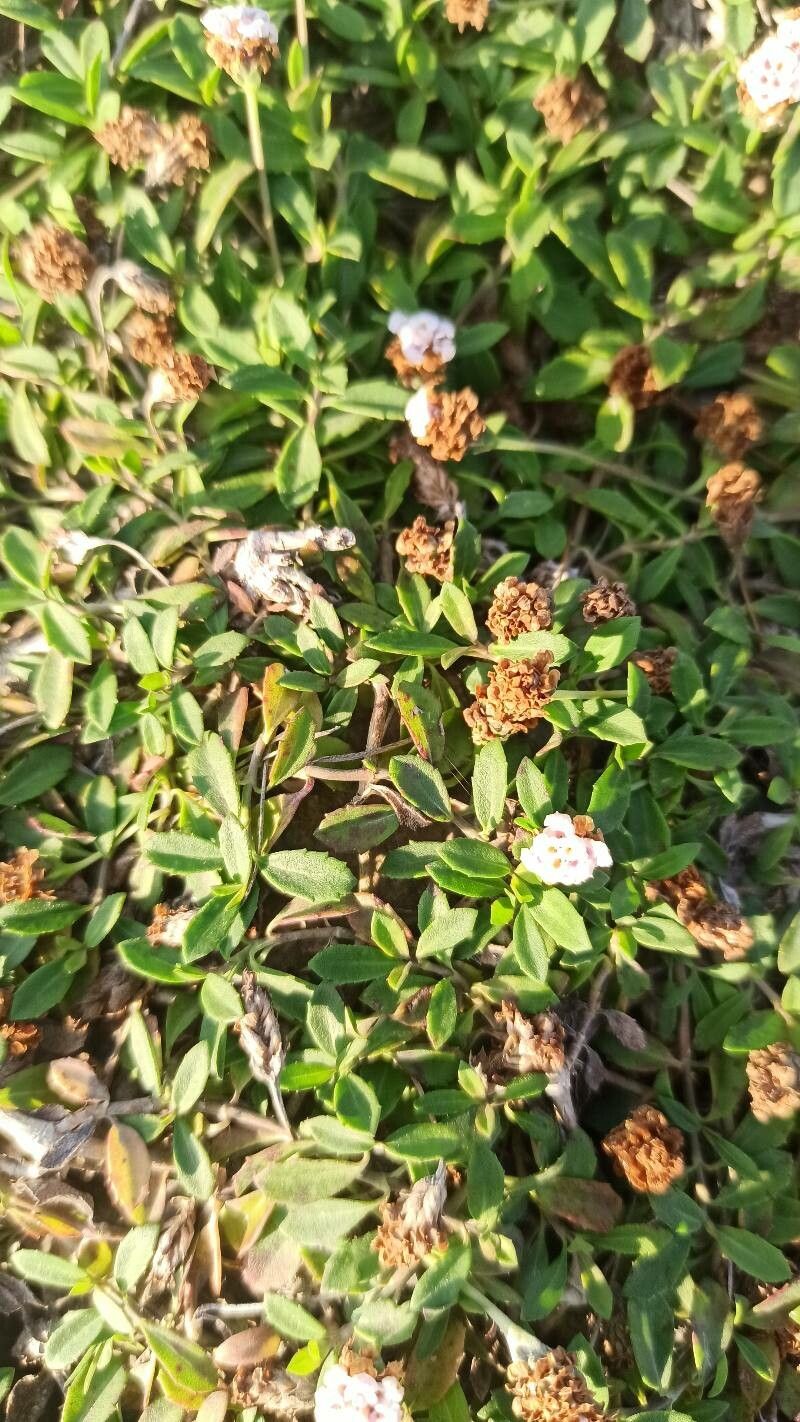
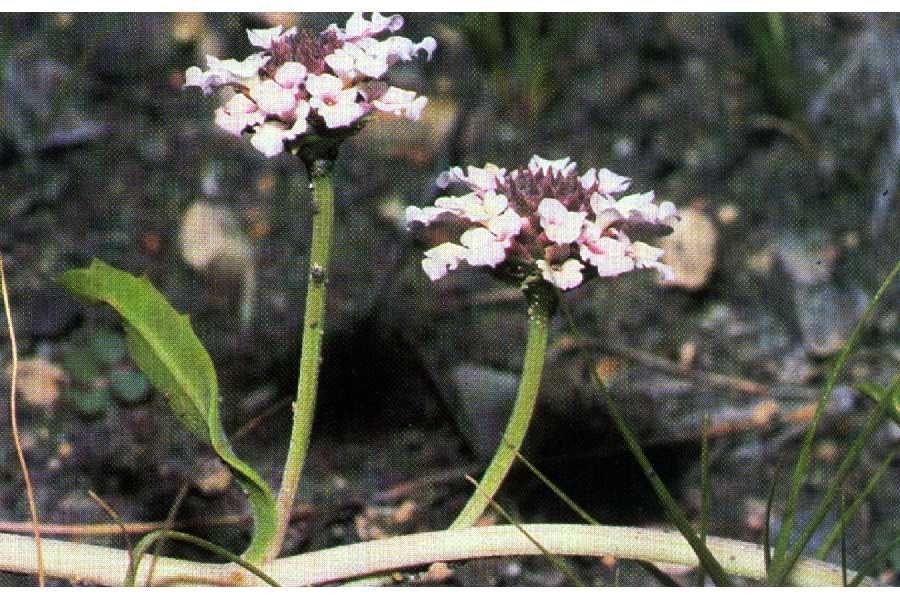
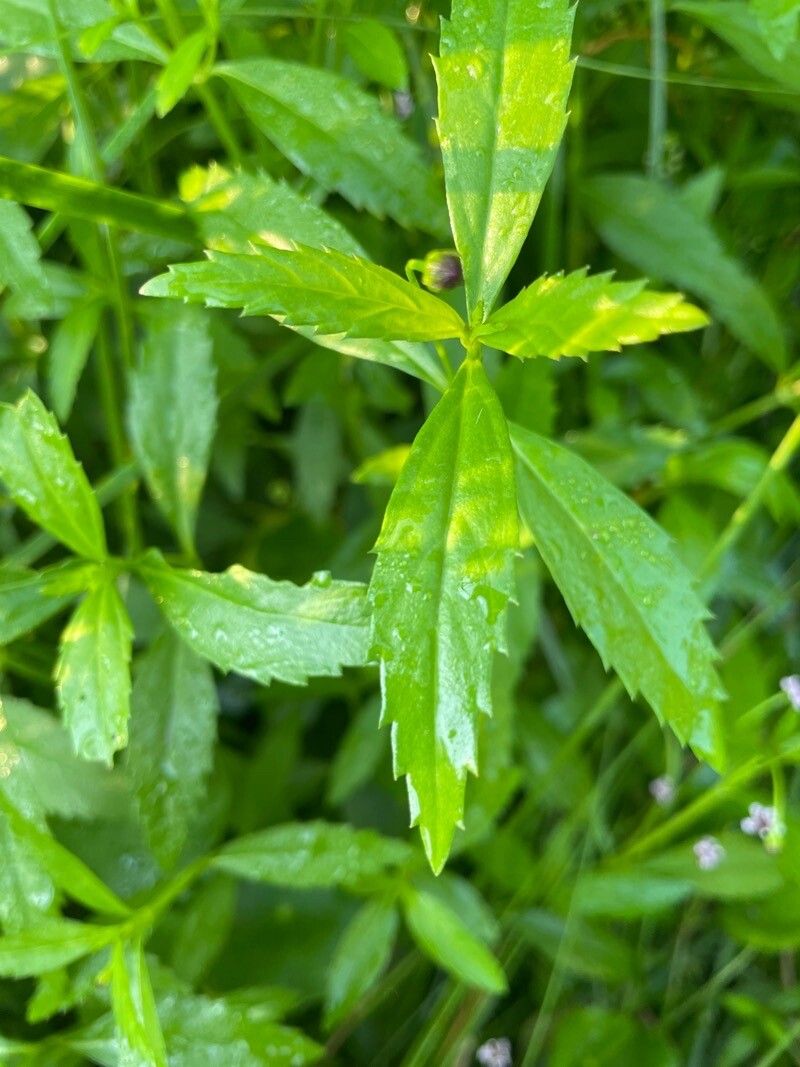
Hairy frogfruit has strong resistance to disease and is typically not easily affected by illnesses. Still, it can be vulnerable to pests and diseases found in its environment. When infections do occur, they tend to be mild. Regarding care, this plant needs moderate maintenance. It should be pruned regularly to preserve a neat appearance and encourage healthy growth. Applying fertilizer can also aid in boosting flowering. Hairy frogfruit is well suited to people with outdoor areas like a garden or patio and does not demand extensive gardening experience. It can need extra attention if cultivated indoors.
How to keep Phyla Filiformis.
Light
The hairy frogfruit is indigenous to habitats like forest understories and rocky places, where it's naturally shaded. It thrives best under partial sunlight, but it's adaptable to complete sunshine or deep shade, showcasing its resilient and adjustable character.
Temperature
Hairy frogfruit comes from tropical areas where the climate is generally warm and humid. As a result, it is well-suited to high temperatures and humidity. It does not tolerate sudden changes in temperature and prefers a steady thermal environment, so avoid temperature fluctuations indoors. It typically cannot withstand cold conditions and needs relatively warm temperatures to grow. If the ambient temperature falls too low, the plant may stop growing or even die.
Fertilizer
The Hairy frogfruit plant has the highest demand for fertilizer during its main period of growth, typically in the spring, summer, and the onset of fall. It's important to fertilize this plant to supply it with much-needed nutrients that might not be present in the soil, which favor healthy root and stem growth along with appealing leaves. Its foliage is one of the standout features of this particular species.
Botanical profile.
- Plant Type
- Herb
- Life Cycle
- Perennial
- Genus
- Phyla
- Family
- Verbenaceae
- Hardiness Zone
- 8-11
- Mature Height
- 30 cm to 91 cm
- Mature Spread
- 30 cm to 61 cm
- Leaf Color
- Green, Dark Green
- Leaf Type
- Semi-evergreen
- Flower Color
- White, Pink
- Flower Size
- 1.02 cm to 2.54 cm
- Bloom Time
- Late spring, Summer, Fall
- Planting Time
- Spring, Summer, Autumn
- Harvest Time
- Summer, Fall, Early winter
Other names.