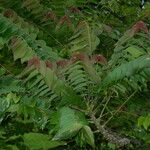
Phyllanthus acidus
Indian-gooseberry · Malay-gooseberry · Otaheite-gooseberry · Gooseberry-tree · Tahitian-gooseberry
Description
Source: leafsnapPhyllanthus acidus, known as the Otaheite gooseberry, Malay gooseberry, Tahitian gooseberry, country gooseberry, star gooseberry, starberry, arbari, West India gooseberry, or simply gooseberry tree, is one of the trees with edible small yellow berries fruit in the family Phyllanthaceae. Despite its name, the plant does not resemble the gooseberry, except for the acidity of its fruits. It tastes sour and tart.
Care Guide
💧 Water
The Otaheite gooseberry, which comes from tropical regions, thrives in high humidity and moderate moisture without being waterlogged. It is recommended to water the plant every 2-3 weeks, letting the soil dry out slightly between waterings. This plant does best outdoors, where it can benefit from natural rainfall and warm climates that encourage its growth.
How should I water my Otaheite gooseberry?
To water your Otaheite gooseberry, you have a lot of flexibility in choosing your watering tool. Whether it's a watering can, hose, or even a cup, any common watering tool will do the job. The important thing is to water directly on the soil, making sure to evenly moisten all areas of the soil to give every part of the root system the necessary water. Using filtered water is recommended to avoid harmful particles that may be present in tap water. It's also best to use water at or slightly above room temperature, as extremely hot or cold water can be a bit of a shock for the Otaheite gooseberry. However, this plant tends to handle different types of water well, so you have some flexibility in what you use.
What should I do if I give too much water or too little water to my Otaheite gooseberry?
Outdoor plants, especially newly planted ones or seedlings, can suffer from lack of watering. It's important to consistently water them for a few months until their roots are established. After that, they can usually rely on rain. If you have an Otaheite gooseberry planted in a pot, be careful not to overwater it. If you accidentally overwater, take immediate action. Stop watering to minimize the impact. Then, remove the plant from its pot and inspect the roots. If there is no root rot, you can return the plant to its container. However, if you see signs of root rot, trim the affected roots and apply a fungicide. Finally, repot the Otaheite gooseberry in well-draining soil. On the other hand, underwatering is easier to fix. If you notice drooping, dried out leaves that fall off, simply water the plant more frequently. The leaves should bounce back quickly with enough watering. Adjust your watering routine as soon as you notice signs of underwatering.
How often do I need to water my Otaheite gooseberry plant?
If you live in an area with enough rainfall, most outdoor plants can grow naturally without needing extra watering. However, if your area doesn't get much rainfall, you should water your plants every two weeks in the spring and fall. In the summer, you'll need to water more often. In the winter, when plants grow slower and need less water, you can water them less frequently or not at all. Young or newly planted Otaheite gooseberry plants need more frequent watering to help them establish and grow. For potted plants, there are two main ways to determine how often to water your Otaheite gooseberry. The first way is to set a schedule and water the plant once a week or every other week. However, this may not work well because it doesn't consider the specific conditions of your growing environment. The best approach is to check the soil moisture. Wait until the top two to four inches of soil have dried out completely before watering again. This is usually about one-third to half the depth of the pot. Keep in mind that during summer, when the plant needs more water, a set watering schedule may not be enough.
How much water does my Otaheite gooseberry plant need?
When watering your Otaheite gooseberry, you might be surprised to learn that it doesn't always require a large amount of water. Instead, if only a few inches of soil have dried since the last watering, you can promote healthy growth by giving it about five to ten ounces of water each time. You can also determine the amount of water based on the moisture of the soil. Take note of how many inches of soil have dried out between waterings. To ensure your Otaheite gooseberry receives the necessary moisture, provide enough water to moisten all the layers of soil that have dried since the previous watering. If more than half of the soil has dried out, consider giving more water than usual. In these cases, continue watering until excess water drains from the pot's drainage holes. If your Otaheite gooseberry is planted in an area that receives ample rainfall outdoors, it may not need additional watering. When the plant is young or establishing itself, ensure it receives 1-2 inches of rain per week. Once it has grown and established, it can survive solely on rainwater, but if there's a period of hot weather with no rainfall for 2-3 weeks, give your Otaheite gooseberry a thorough watering to prevent stress.
How can I know if I'm giving enough water to my Otaheite gooseberry plant?
The Otaheite gooseberry often suffers from overwatering, which can be identified by yellowing leaves, leaf drop, and a shrunken plant structure, while root rot may also occur. Conversely, underwatering is indicated by wilting and the presence of brown or brittle leaves. In either case, you should take action to restore the plant's well-being.
☀️ Light Full sun
Otaheite gooseberry strongly prefers environments with abundant sunlight for optimal growth. Native to regions with high sun exposure, it can have stunted growth and appear weak if it does not receive enough light. Excessive exposure does not significantly affect it.
What are the sunlight requirements for Otaheite gooseberry?
Otaheite gooseberry requires full sun, defined as above 6 hours of sunlight daily, to thrive optimally. Originating from sun-rich environments, it struggles and may show signs of weakening if it does not receive sufficient sunlight. However, the plant is notably resilient to overexposure to sunlight. It's advised to observe how sunlight moves through your garden, selecting spots that offer a balanced mix of light and shade to ensure the plants' well-being.
Can artificial lighting support Otaheite gooseberry growth indoors?
Yes, artificial lighting can support Otaheite gooseberry growth indoors, especially when natural sunlight is not sufficient, such as in winter or less sunny spaces. Using LED lights is recommended due to their ability to provide specific wavelengths needed by plants. For full sun plants, 30-50W/sq ft of artificial light is needed, for partial sun plants, 20-30W/sq ft, and for full shade plants, 10-20W/sq ft. The light source should be placed 12-36 inches above the plant and turned on for 8-12 hours per day to mimic natural daylight.
What are symptoms of insufficient light in Otaheite gooseberry?
Symptoms of insufficient light in Otaheite gooseberry include small and mature leaves, leggy or sparse growth, faster leaf drop, slower or halted growth, lighter colored new leaves, and signs of chlorosis, indicating a breakdown of chlorophyll. Extreme sunlight can lead to leaf curling, wilting, leaf scorching, and sunscald, which are defenses or damages due to overexposure.
How can you address sunlight deficiencies for Otaheite gooseberry indoors?
To address sunlight deficiencies for Otaheite gooseberry indoors, gradually move the plants to sunnier locations each week until they receive at least 6 hours of direct sunlight daily, preferably through a south-facing window. If moving the plant is not feasible, consider using artificial light, such as desk lamps or professional plant grow lights, keeping them on for at least 8 hours daily.
What solutions are available for Otaheite gooseberry facing sunlight deficiency outdoors?
For Otaheite gooseberries facing sunlight deficiency outdoors, it's crucial to gradually acclimate them to sunnier spots by relocating them progressively each week. This prevents sudden exposure that could cause sunburn. Note that parts of the plant already affected might not recover, but new growth post-adjustment should be healthy. Additionally, reducing obstructions like overhanging branches and considering transplanting during dormant periods to sunnier locations can help improve sunlight access.
🌡️ Temperature 20–37.8°C
Otaheite gooseberry is a plant native to regions where temperatures typically range from 68 to 100 °F (20 to 38 ℃). It has adapted to mild climates and prefers temperate conditions. Adjusting its surroundings to reproduce these conditions can help it thrive throughout the year.
What is the ideal temperature range for Otaheite gooseberry to thrive?
The Otaheite gooseberry plant thrives in temperatures typically ranging from 68 to 100°F (20 to 38°C). This shows the plant's preference for mild climates. To ensure the plant thrives year-round, adjusting the environmental conditions to mimic these temperature ranges is beneficial. Since the Otaheite gooseberry is extremely heat-loving, it's crucial to protect it from cold temperatures. During autumn, it's advisable to bring outdoor-grown Otaheite gooseberry plants indoors, placing them near a bright window but at a distance from heaters, and maintaining temperatures above 20°C during winter is essential for its growth. Exposing the plant to temperatures nearing 5°C can be detrimental.
How does low temperature affect Otaheite gooseberry, and what are the solutions?
Low temperatures are not favorable for the Otaheite gooseberry, as it thrives best above 20°C and should be kept above 5°C during winter. When the temperature drops below 1°C, the leaves may lighten in color, turn brown or black after frost damage, and the plant may exhibit symptoms such as wilting and drooping. To mitigate these effects, it's recommended to trim off the frost-damaged parts and move the plant to a warm indoor environment immediately. Placing the plant near a south-facing window ensures ample sunlight, but it should not be placed near heaters or air conditioning vents to avoid excessive dryness.
What should be done when Otaheite gooseberry is exposed to high temperatures?
During summer, it's important to keep the Otaheite gooseberry below 38°C to prevent heat stress. Exposure to temperatures exceeding 43°C can cause the leaves to lighten in color and make the plant more susceptible to sunburn. To alleviate these issues, trim away the sunburned and dried-up parts of the plant. Relocate the plant to an area that provides shade, especially from the midday and afternoon sun, to protect it from excessive heat. Adequate watering in the morning and evening is crucial to keep the soil moist and ensure the plant's well-being in high temperatures.
💨 Humidity
🪴 Soil 6-7
🌱 Fertilizer
Use organic fertilizers (for example, fish emulsion or compost) rather than chemical ones for Otaheite gooseberry. Apply higher levels of nitrogen and phosphorus to young plants in spring. Mix compost or fertilizer into the soil either before or after planting. For mature plants, top up in spring with a balanced fertilizer or one formulated for specific deficiencies. Nutrient deficiency leads to small leaves, short branches, yellow/bronze foliage, acidic fruits, premature fruit drop, and splitting.
Why is it important to use fertilizer on my Otaheite gooseberry?
Otaheite gooseberry requires regular fertilization because its showy leaves demand a lot of energy. This energy is not only necessary to maintain the leaves' appearance but also to support the growth of the plant's stems, branches, roots, and other vital structures. Neglecting fertilization could lead to two possible outcomes. Firstly, the leaves may lose their natural color and texture, making them look unhealthy and diminishing the plant's ornamental value. Secondly, the overall growth rate of the Otaheite gooseberry may slow down, and weak growth could increase the chances of breakage.
When should I fertilize my Otaheite gooseberry for the best results?
To ensure the health of your Otaheite gooseberry, it is recommended to occasionally feed the plant. This means you do not have to establish a fixed feeding schedule when initially planting it. You can easily fertilize the gooseberry by applying fertilizer when watering the plant occasionally. Throughout the growing season, make sure to provide an adequate amount of water. Feeding the plant every two to three weeks should be sufficient, especially during periods of new growth.
When is it not a good idea to add fertilizer to my Otaheite gooseberry plant?
For most of the year, it is okay to fertilize your Otaheite gooseberry on a regular schedule. This includes the seasons of spring, summer, and early fall. However, you should avoid fertilizing the plant during winter. This is because the Otaheite gooseberry enters a dormant growth phase during that time. In this phase, the plant either does not grow or grows very little. Since the plant is using less energy during this period, fertilization is unnecessary.
What kind of fertilizer should I use for my Otaheite gooseberry?
When fertilizing an Otaheite gooseberry, it is important to use a specific blend of nutrients in relatively low amounts. The ideal fertilizer should have an N-P-K ratio of 3-1-2. However, in some cases, a general-purpose fertilizer with an even blend of nutrients can also work well. Regardless of the type of fertilizer used, the volume of each nutrient should not exceed a ratio of 3. There are two types of fertilizers available: granular and liquid. If opting for a liquid-based fertilizer, it is recommended to dilute its strength by half. While there aren't many disadvantages to using granular fertilizer, it is generally more practical to use liquid fertilizer, especially when watering the Otaheite gooseberry.
How do I make my Otaheite gooseberry grow better?
There are two easy ways to fertilize a Otaheite gooseberry. The first method involves feeding it whenever you water it. To do this, gather your fertilizer and a watering can. Mix the fertilizer with water to dilute it, then pour it onto the soil, allowing it to soak down to the roots. Another option is to use granular fertilizer. Simply sprinkle some of the fertilizer on the soil where the gooseberry is located. Granular fertilizers are slow-release types, so you won't need to fertilize as frequently compared to using liquid fertilizer. Whichever method you choose, remember to water the gooseberry while you feed it.
🪴 Pot & Repot
✂️ Pruning
To ensure the thriving growth of the Otaheite gooseberry, perform annual pruning. Focus on removing dead branches, thinning the growth, and shaping the tree. The best time for pruning is from early to late winter, during the tree's dormant period. This helps improve air circulation and light exposure, increases fruit yield, and promotes a strong structure while aiding in pest management. For additional techniques, refer to horticultural guides.
🌿 Propagating
🐛 Diseases & pets
☠️ Toxicity
Characteristics
- Plant Type
- Tree, Shrub
- Life Cycle
- Perennial
- Genus
- Phyllanthus
- Family
- Phyllanthaceae
- Hardiness Zone
- 10-11
- Mature Height
- 9.45 m
- Mature Spread
- 7.92 m
- Leaf Color
- Light Green, Green
- Leaf Type
- Evergreen
- Flower Color
- Yellow
- Flower Size
- 5.08 cm to 12.70 cm
- Bloom Time
- Spring, Early summer
- Planting Time
- Spring, Summer, Autumn, Winter
- Harvest Time
- Summer, Early fall, Mid fall